
Why a Setup Checklist Matters
Most budgeting efforts fall apart not because people lack willpower, but because they start without the right information in front of them. Jumping straight to spending limits before you know your actual income, fixed costs, or outstanding debts is like building a house without measuring the land first.
This checklist walks you through every decision and figure you need to gather before you set a single spending category. Work through it once at the start of the month and you will have a realistic, honest foundation to build from. For a broader walkthrough of how to put those numbers into a working plan, see Building Your First Monthly Budget From Scratch.
Income
Fixed Expenses
Variable Expenses
Savings and Debt Repayment
Irregular and Seasonal Costs
Review and Maintenance
Tools You Will Need
You do not need expensive software to budget effectively. The tools below cover everything from gathering raw numbers to tracking your progress over time.
Bank and card statements (last 3 months)
Used to verify actual spending patterns and catch recurring expenses you may have overlooked.
Payslips or income records
Used to confirm your exact net monthly income, including any variable components.
Spreadsheet application (e.g. a free browser-based option)
Used to organise income, expense categories, and running totals in a flexible, editable format.
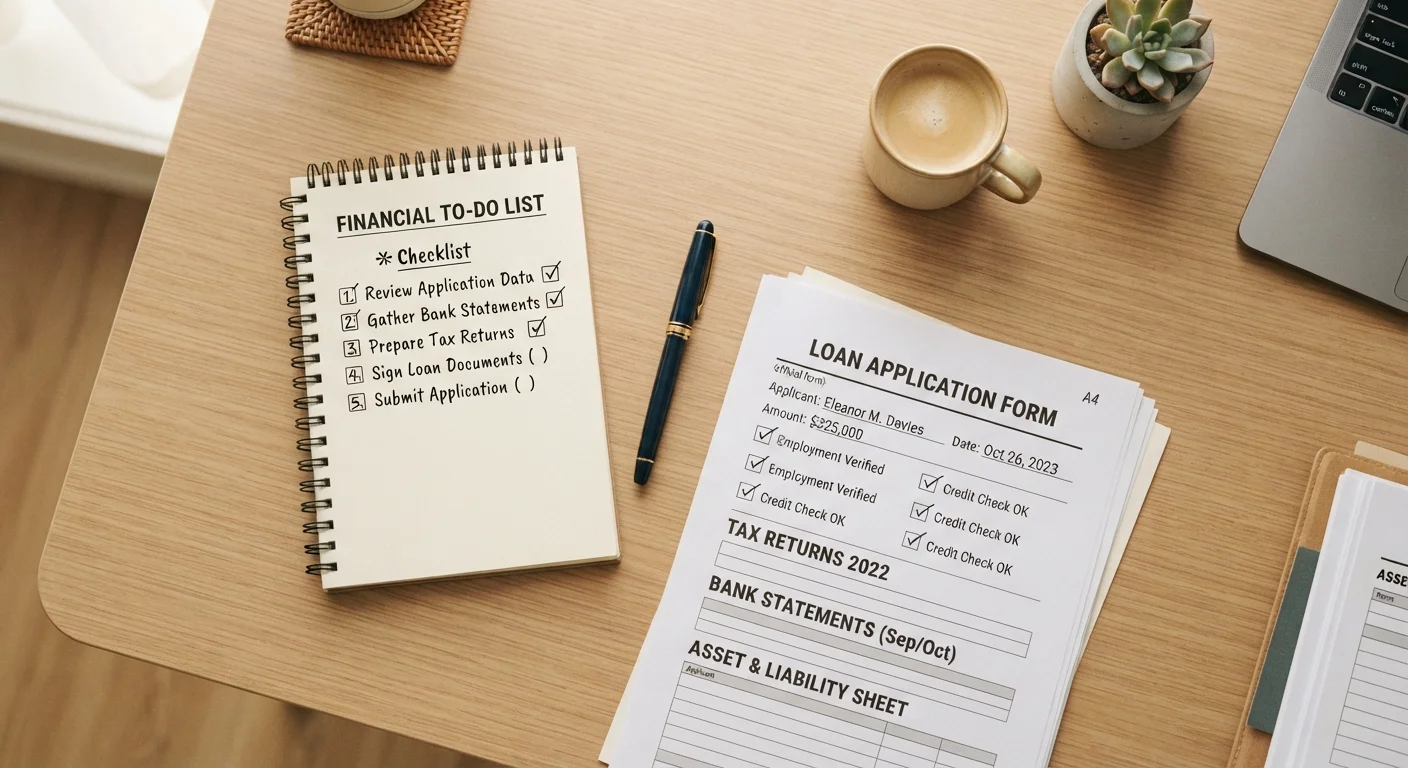
Debt summary or credit account statements
Used to list outstanding balances, minimum payments, and interest rates in one place.
Personal finance or budgeting app
Used to automate transaction categorisation and get a real-time view of spending during the month.
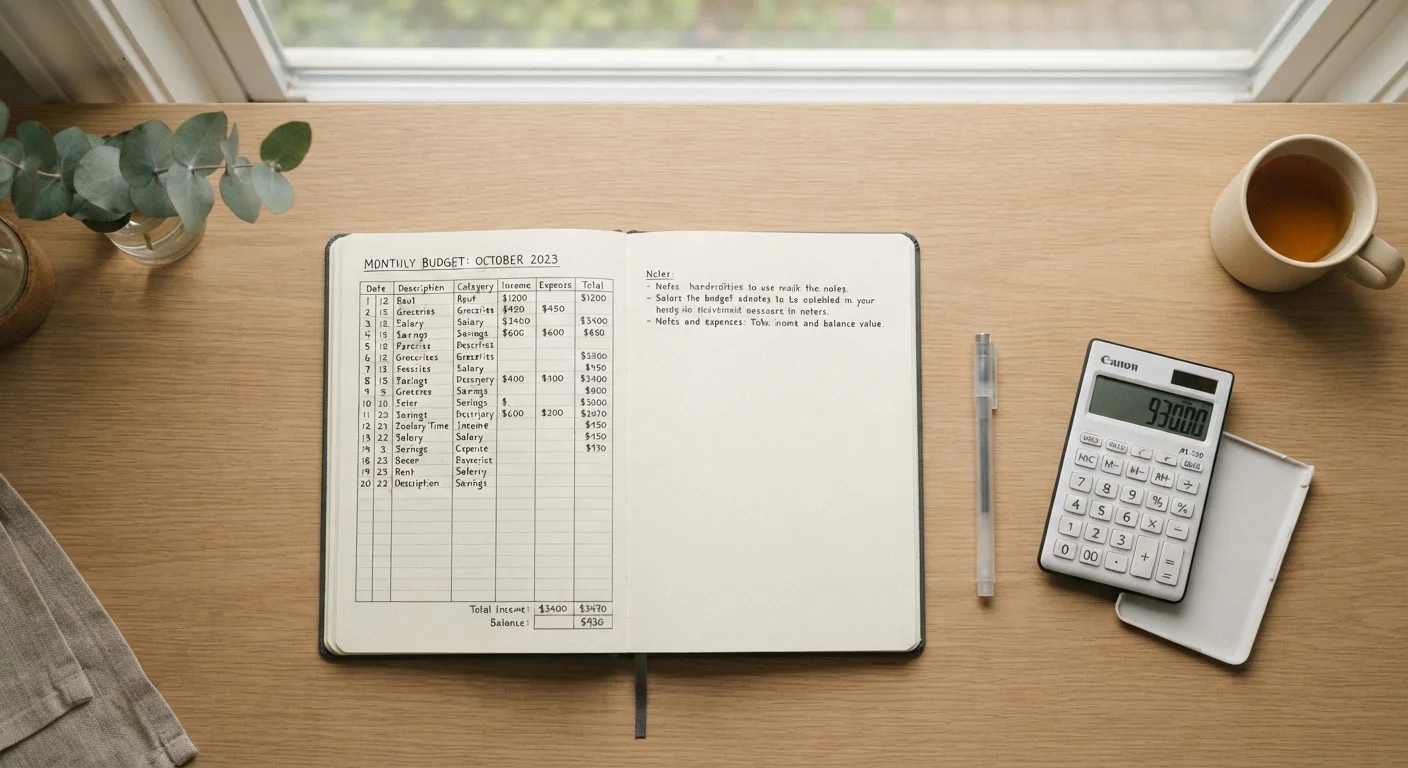
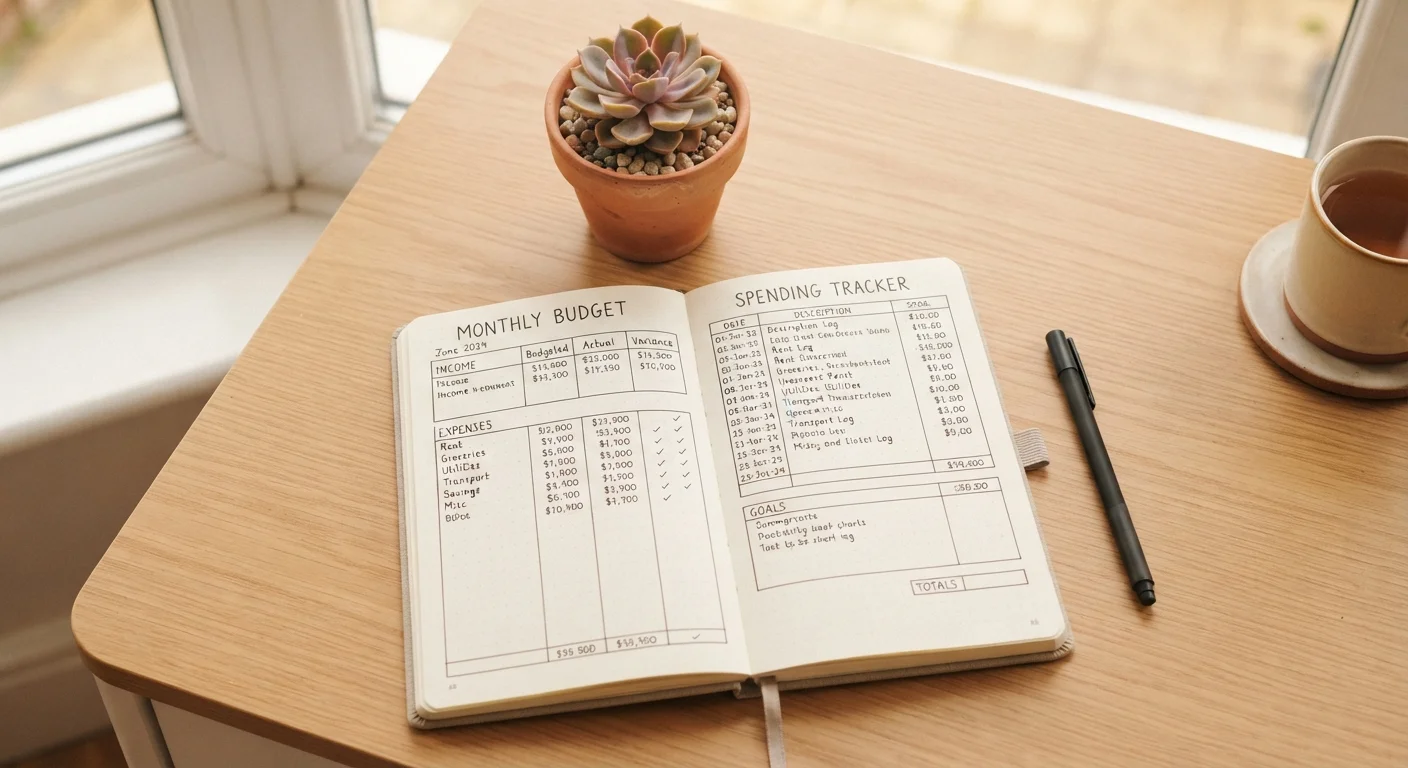
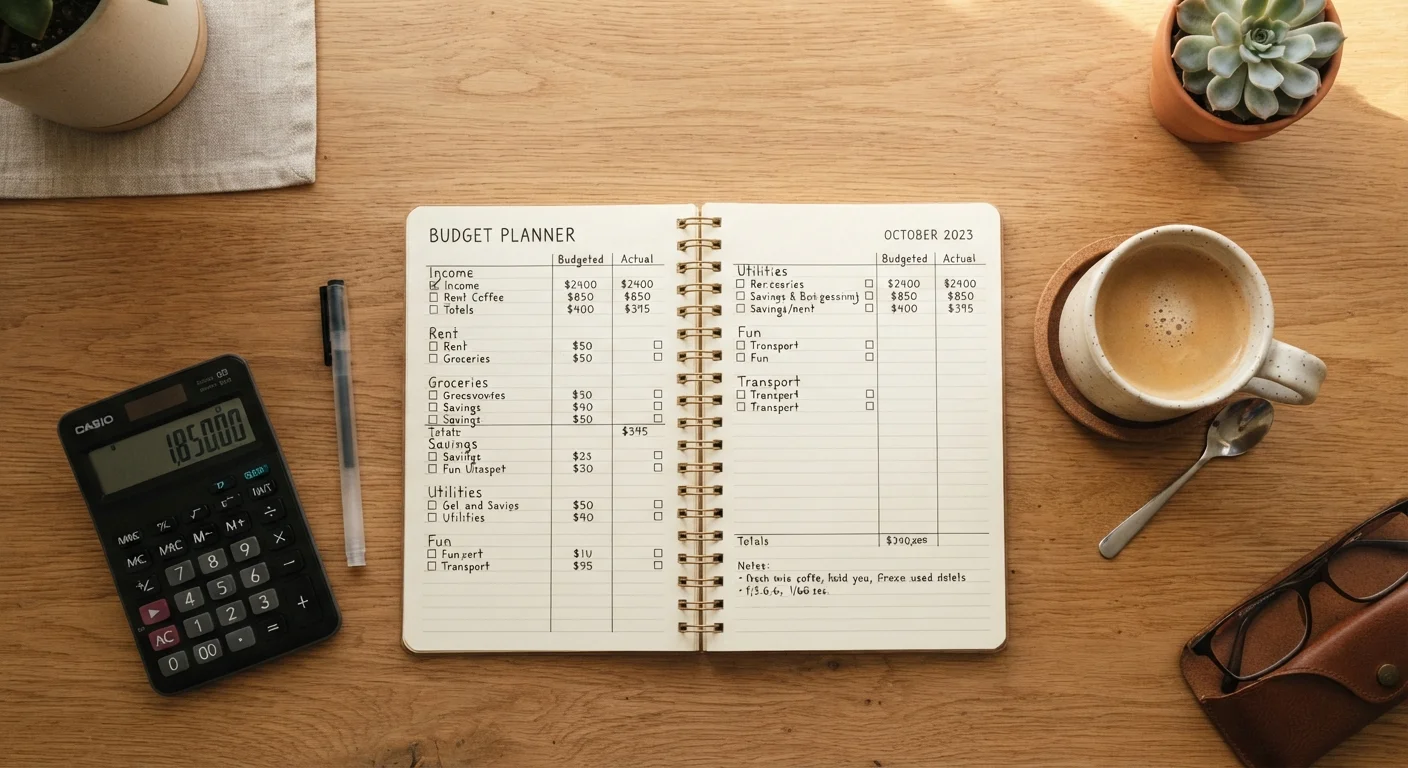
Physical notebook or printed budget template
Useful for people who prefer writing by hand to track and commit to their budget visually.
Common Mistakes to Avoid
Even with a solid checklist, a few pitfalls catch beginners off guard. Being aware of them in advance saves time and frustration.
Do Not Budget From Memory
Estimating expenses off the top of your head almost always produces figures that are too low. People routinely underestimate food, transport, and entertainment spending by 20-30% when working from memory. Always cross-check estimates against at least two months of actual bank statements before finalising any category limit.
Irregular Expenses Are Easy to Miss
Car servicing, annual subscriptions, and seasonal spending do not show up in a single month's statement, which makes them easy to ignore at setup. Failing to account for them is one of the most common reasons budgets break down mid-year. Use a full twelve months of statements if possible, or list known irregular costs explicitly.
Once you have worked through the checklist and identified your income, expenses, and financial obligations, you are ready to choose a budgeting method that matches your lifestyle. Different approaches suit different spending patterns - Budgeting Approaches Worth Knowing compares seven options with honest notes on who each one suits best.
If debt repayments feature heavily in your expenses, it also helps to understand exactly what you owe and why. The Understanding Debt hub offers clear explanations of how different debt types work and how to manage them without panic. And if you are weighing up taking on new credit, work through the Before You Borrow checklist first.
Savings and Debt Must Come First
A budget that treats savings and minimum debt repayments as optional - something to fund only if money is left over - will rarely achieve either goal. These should be listed alongside fixed expenses and allocated before any discretionary categories. If the numbers do not add up after doing this, that is important information: it means income or fixed costs need to be addressed, not savings skipped. For a full planning walkthrough, see the Personal Budgeting Complete Guide.
This article provides general financial information for educational purposes only. It is not personalised financial advice. For guidance specific to your circumstances, consider speaking with a qualified financial adviser or debt counsellor.