

What Each Type of Sugar Actually Is
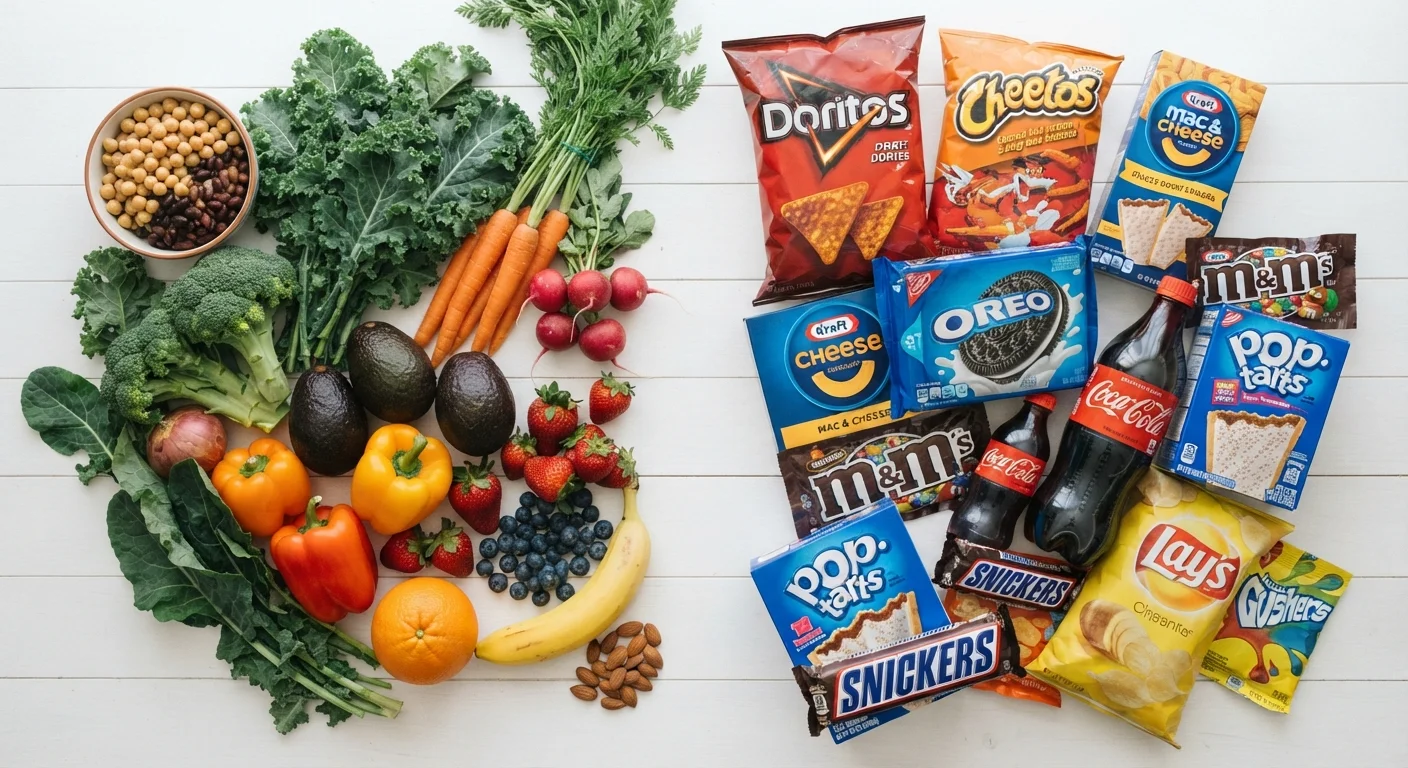
Sugar in food falls into two broad categories, and the difference is not about chemistry - it is about context. Naturally occurring sugars are those found inherently in a food: fructose in an apple, lactose in milk, or glucose in a carrot. They were never added; they are part of the food's original structure. Added sugars, by contrast, are any sugars or caloric sweeteners introduced during processing, manufacturing, or cooking - think cane sugar stirred into yoghurt, high-fructose corn syrup in a soft drink, or honey drizzled into granola during production.
At the molecular level, the sucrose in a mango and the sucrose in a biscuit are chemically identical. The distinction health guidance draws is not about the molecule itself but about what comes with it.
| Criterion | Naturally Occurring Sugar | Added Sugar |
|---|---|---|
| Source | Inherent in whole food (fruit, dairy, vegetables) | Added during processing or cooking |
| Accompanying nutrients | Fibre, vitamins, minerals, water | Typically none (nutrient-poor) |
| Effect on absorption | Slowed by fibre and food matrix | Often faster, especially in liquid form |
| Targeted by dietary guidelines | Generally excluded from limits | Specifically targeted for reduction |
| Common examples | Fructose in fruit, lactose in milk | Cane sugar, corn syrup, honey in products |
| Appears on nutrition label | Counted in total sugars | Listed separately as added sugars (where required) |
Why the Food Matrix Changes Everything
When you eat a whole orange, its fructose arrives alongside dietary fibre, water, vitamin C, and a range of phytonutrients. That fibre slows digestion, moderating how quickly sugars enter the bloodstream. The overall caloric density is low, and the micronutrient contribution is meaningful. This combination is what nutrition researchers refer to as the food matrix - the structural and chemical environment that determines how a nutrient behaves in the body.
Added sugar, on the other hand, typically arrives stripped of this context. A sugar-sweetened beverage delivers a concentrated sugar load with little or no fibre to slow absorption and few accompanying nutrients. The result is a faster rise in blood glucose and no accompanying nutritional benefit. This is why the research on ultra-processed foods consistently flags added sugar as a marker of lower diet quality.
10%
WHO free sugar intake limit (of total energy)
The World Health Organization recommends that free sugars make up less than 10% of total energy intake, with further benefits below 5%.
~17 tsp
Estimated average daily added sugar intake in the US
According to the American Heart Association, many adults in the United States consume far more added sugar than recommended guidelines suggest.
What Health Guidelines Actually Target
This distinction explains why major health bodies word their recommendations carefully. The World Health Organization (WHO) recommends reducing intake of free sugars - a category that includes added sugars and sugars naturally present in honey, syrups, and fruit juices, but explicitly excludes the sugars intrinsic to whole fruits and vegetables. Many national dietary guidelines follow similar logic.
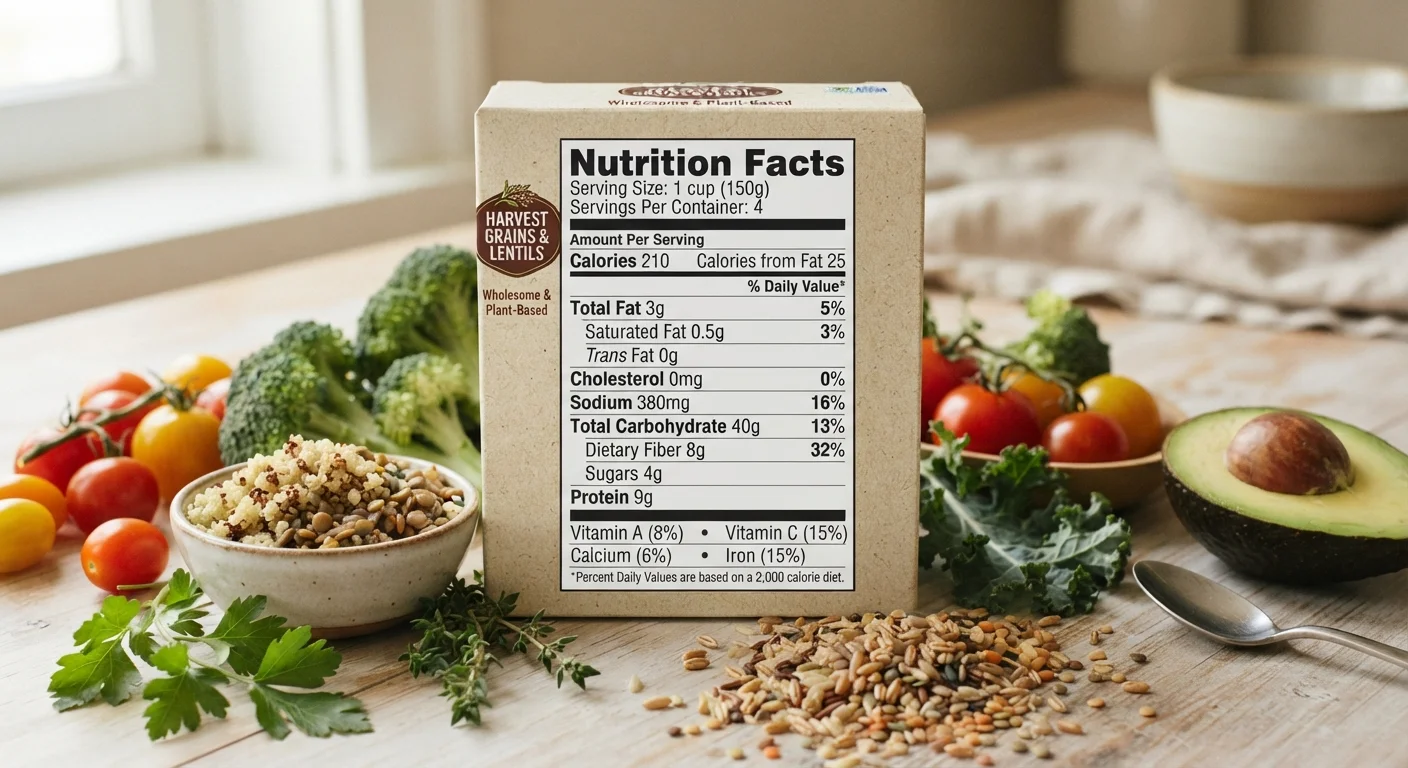
The practical implication: eating a bowl of strawberries does not conflict with sugar reduction goals. Drinking a large glass of sweetened fruit juice or eating a heavily processed cereal bar likely does, even if the total sugar gram count looks similar on paper. For a deeper look at how labels present this information, see our guide on reading a nutrition label without getting confused.
What About 100% Fruit Juice?
Pure fruit juice without added sweeteners is a nuanced case. The WHO classifies its sugars as 'free sugars' because pressing fruit removes the fibre that moderates absorption - even though no sugar has been added externally. This is one reason whole fruit is generally preferred over juice in dietary guidance. Smoothies that retain the whole fruit pulp occupy a somewhat different position, though they still lack the chewing and structural cues of eating whole fruit.
If you want to go further in identifying where added sugars hide in everyday products, the article on hidden sugars in everyday foods covers the ingredient list terms to look for. And for a broader picture of how sugar affects blood glucose, our explainer on the glycaemic index adds useful context.
This article is for general informational purposes only and does not constitute medical or dietary advice. Consult a qualified healthcare professional or registered dietitian for guidance tailored to your individual health needs.