
Why Breakfast Is a Cultural Mirror
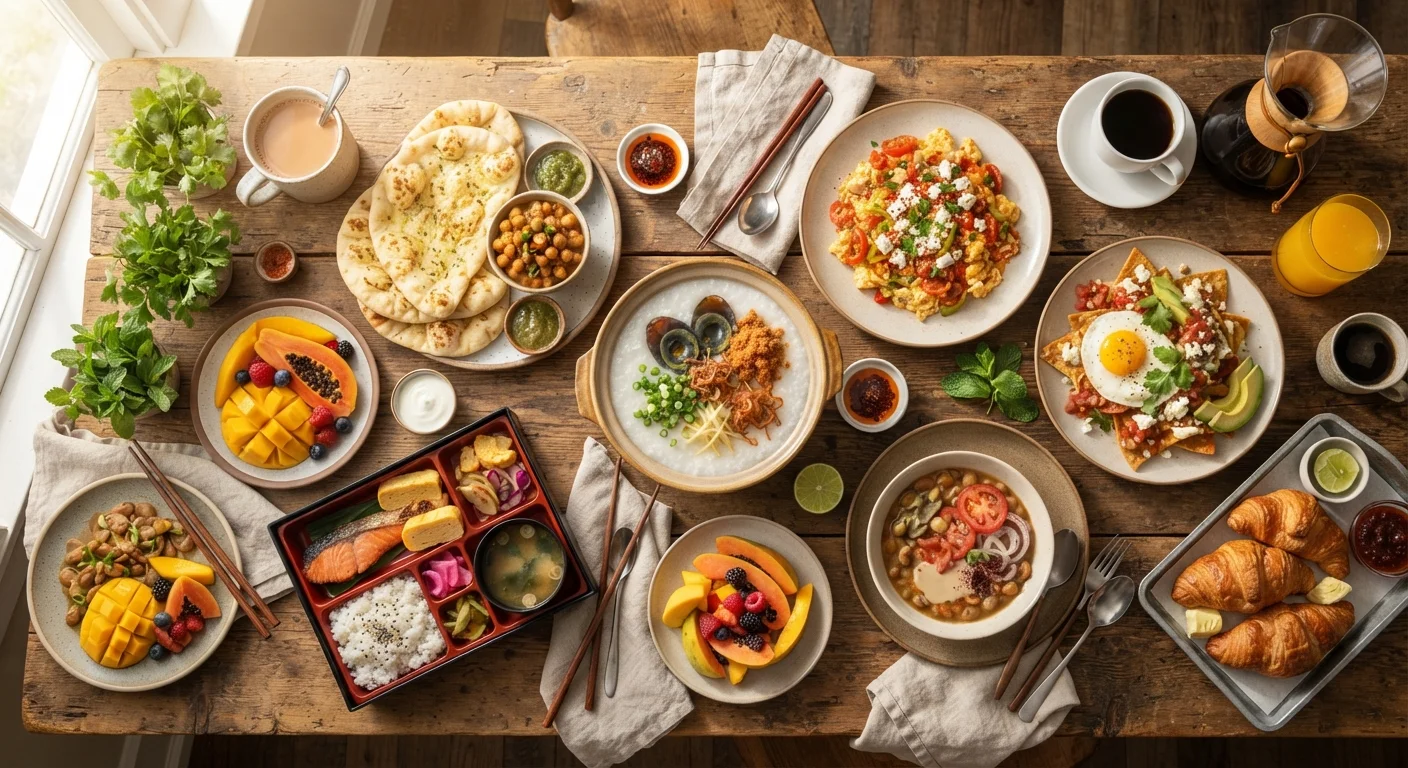
No meal is more revealing than breakfast. Eaten before the day's obligations take hold, it tends to be habitual, practical, and deeply tied to what a culture considers 'normal' food. In Germany, that might mean cold cuts and dark rye bread. In Japan, miso soup and rice. In Mexico, chilaquiles - tortilla chips simmered in salsa. Each choice is shaped by geography, agricultural history, and the rhythms of daily life.
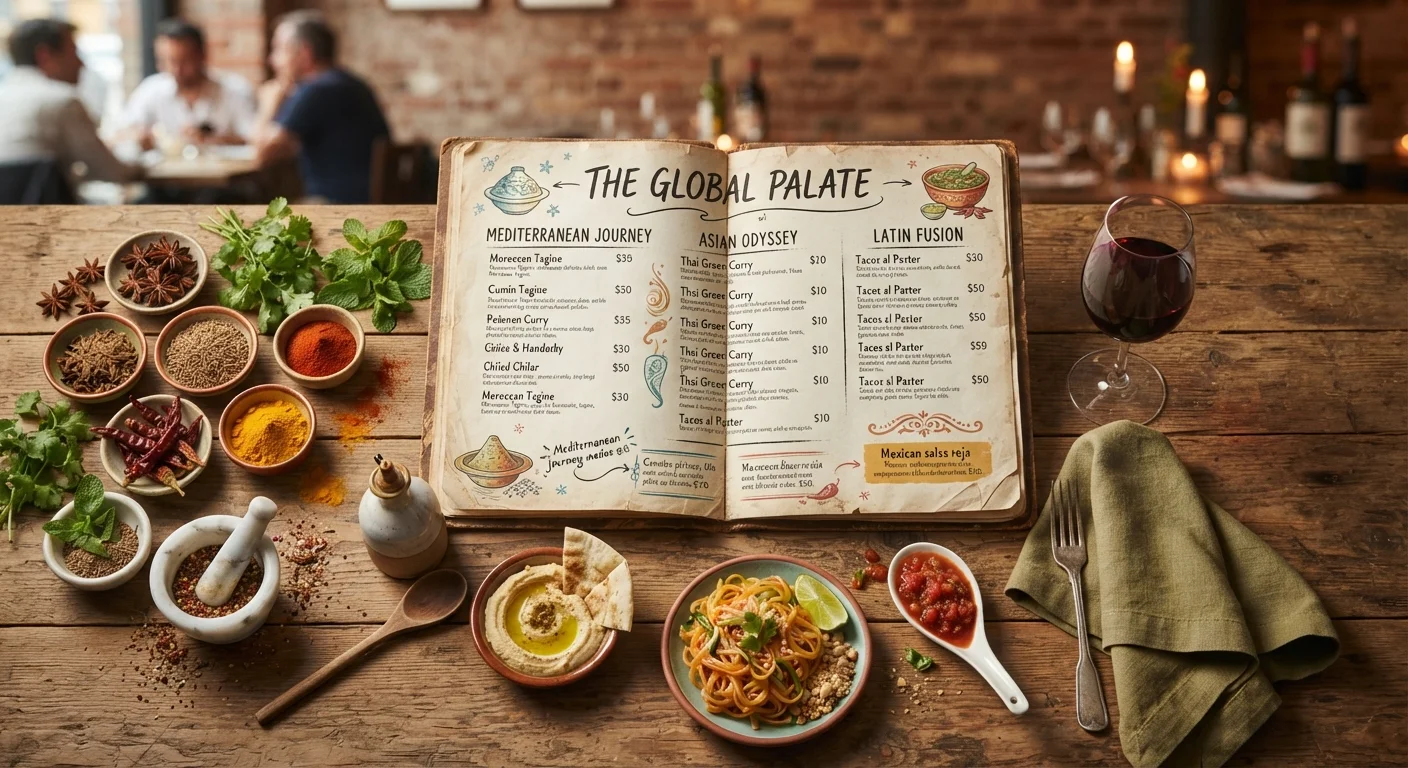
What we eat in the morning also tells us how a society thinks about the meal itself - whether it's a rushed functional necessity or a deliberate, social act. As you'll see from the examples below, the world's breakfast tables reflect an enormous range of values, ingredients, and priorities. For more on how food choices connect to cultural identity more broadly, see how to read a menu as a cultural document.
United Kingdom - The Full English Breakfast
The Full English - eggs, back bacon, baked beans, grilled tomatoes, sausages, black pudding, and toast - is a recognizable cultural artifact. Originally a hearty meal associated with the rural working class and later the Victorian gentry, it became standardized as British café culture grew through the 20th century. It signals abundance, pragmatism, and a certain comfort in predictability. Today it's as much symbolic as everyday, often reserved for weekends or as a tourist experience.
The Full English is as much a cultural symbol as it is a daily meal.
China - Congee and Dim Sum Traditions
In much of China, breakfast centers on congee (rice porridge), youtiao (fried dough sticks), steamed buns, or regional noodle soups. In southern cities like Guangzhou, yum cha - drinking tea with small dim sum dishes - transforms breakfast into an extended social occasion. The emphasis on warmth, gentleness on the digestive system, and communal gathering reflects Confucian values around family harmony and the careful tending of the body.
In southern China, breakfast is an extended social ritual built around tea and togetherness.
Egypt - Ful Medames and the Power of the Bean
Ful medames - slow-cooked fava beans seasoned with lemon, garlic, and olive oil - has been eaten in Egypt for thousands of years. References to fava beans appear in ancient Egyptian records, and the dish remains central to modern Egyptian breakfasts. Often served with eggs, fresh vegetables, and flatbread, it illustrates how a humble legume can anchor an entire food culture. It's affordable, protein-rich, and deeply satisfying - a breakfast shaped by both agricultural reality and culinary pride.
Ful medames has anchored Egyptian mornings for thousands of years - proof that simplicity can be profound.
Japan - The Ichiju Sansai Morning Spread
A traditional Japanese breakfast follows the ichiju sansai principle - one soup, three sides - typically featuring miso soup, steamed rice, grilled fish, pickled vegetables, and tamagoyaki (rolled omelette). This structure reflects an aesthetic and nutritional philosophy that prizes balance, seasonal ingredients, and visual harmony on the plate. It also signals discipline: preparing such a breakfast takes time and intention, reflecting the value placed on starting the day properly.
Japan's breakfast philosophy prizes balance, seasonality, and intentional preparation above all.
Brazil - Pão de Queijo and Café da Manhã
Brazilian breakfast - café da manhã, literally 'morning coffee' - typically includes fresh bread or pão de queijo (cheese bread made from cassava flour), tropical fruit, ham, cheese, and strong coffee with milk. The cassava base of pão de queijo points directly to indigenous Brazilian food heritage; the coffee reflects the country's long agricultural relationship with the crop. It's generally lighter and sweeter than Northern European breakfasts, emphasizing freshness and local produce over heavy proteins.
Brazilian breakfast fuses indigenous cassava traditions with colonial-era coffee culture in every bite.
Ethiopia - Injera and the Communal Table
In Ethiopia, breakfast may involve leftover injera - the spongy sourdough flatbread made from teff - with lentils or vegetable stews, accompanied by strong, spiced coffee from the traditional Ethiopian coffee ceremony. The communal nature of the meal, where everyone eats from a shared surface, reflects values of interdependence and hospitality. Teff itself is a native Ethiopian grain, making this breakfast a direct expression of the country's land and agricultural identity.
Ethiopia's breakfast table is a daily expression of communal values and ancient agricultural heritage.
What Morning Meals Have in Common
Despite their differences, most traditional breakfasts worldwide share a few underlying traits: they tend to draw on locally abundant ingredients, provide sustained energy for morning work or activity, and follow consistent preparation rituals that make them comforting and repeatable. These patterns echo the nutritional patterns found across healthy diets worldwide - variety in whole foods, minimally processed staples, and culturally embedded cooking methods.
Exploring Unfamiliar Breakfasts When Traveling
If you encounter an unfamiliar breakfast while traveling, approaching it without the expectation that it should resemble what you eat at home goes a long way. Asking locals about the history or ingredients of a dish often opens genuine conversation. Many traditional breakfast foods make more nutritional sense than they appear - they've been refined over generations to suit climate, labor demands, and locally available ingredients. Curiosity, rather than judgment, is the most useful thing to bring to the breakfast table.
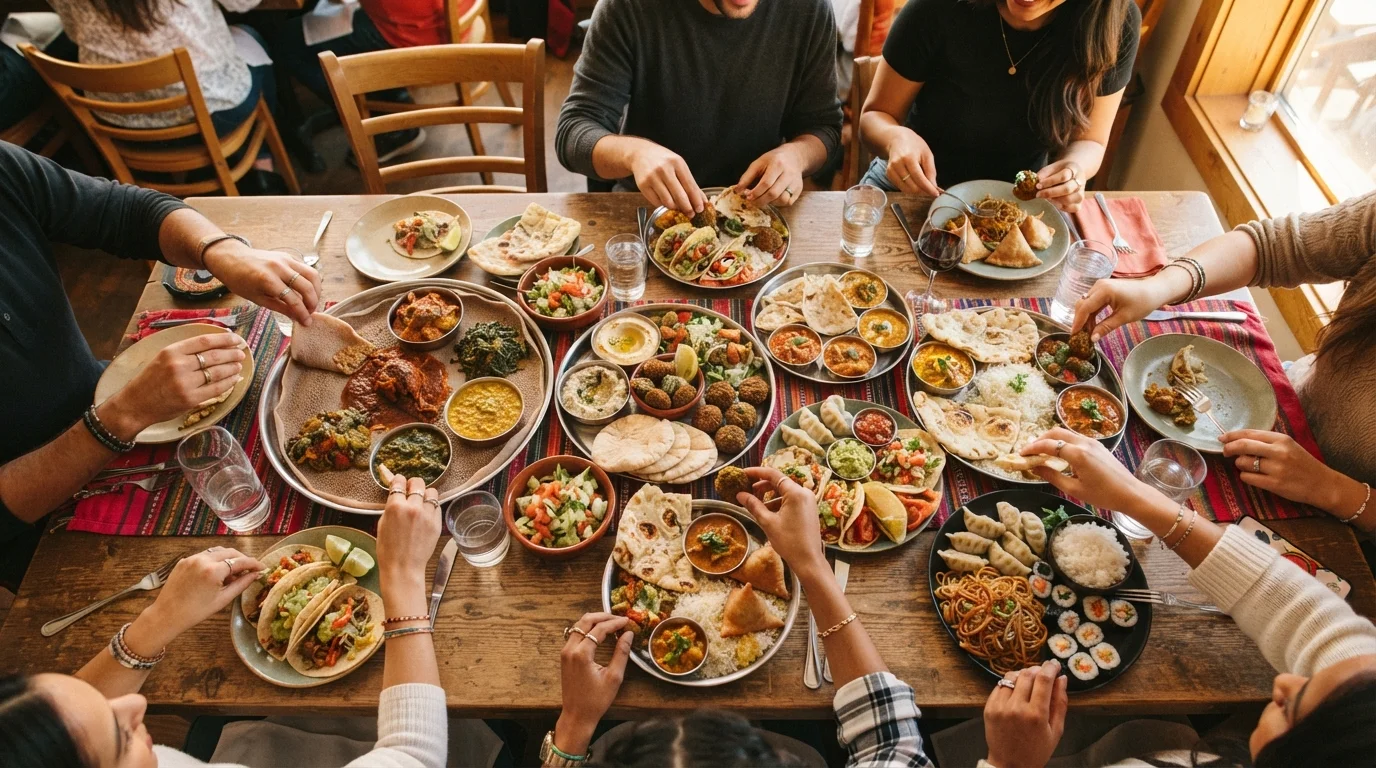
Breakfast also functions socially. In many cultures, morning eating is communal and unhurried - a moment of connection before the day scatters people. If you're curious how that dynamic plays out across different food traditions, shared meal culture around the world is worth exploring. And if you're planning to travel and want to navigate unfamiliar morning food customs with confidence, understanding food culture before you travel offers a practical foundation.