
How Price and Negotiation Differ Between Channels
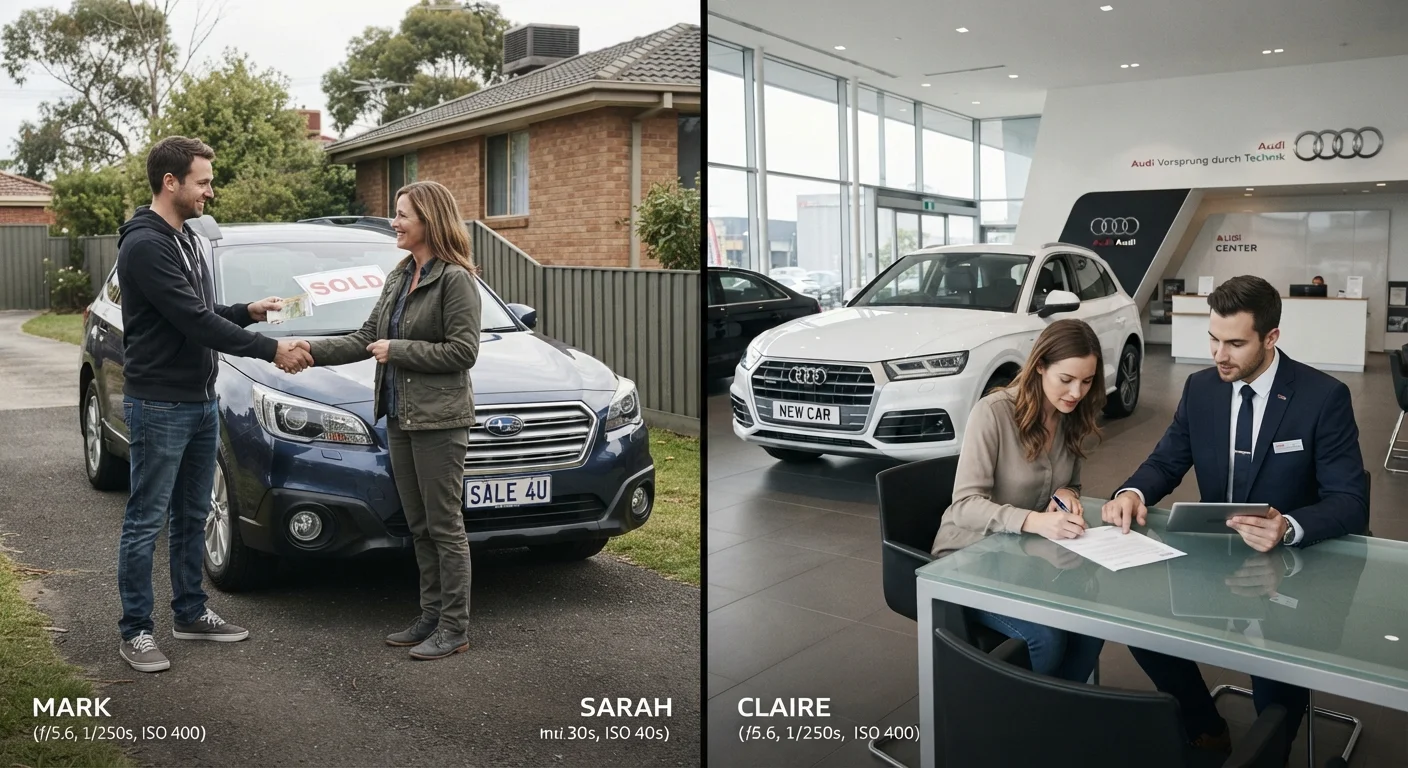
Private sellers generally list vehicles closer to true market value because they are not recovering overhead costs - no showroom rent, no sales staff, no certification processes. This can translate into a lower asking price compared to similar vehicles at a dealership. Negotiation is often more direct, though it is also more unpredictable; private individuals may be emotionally attached to a vehicle and less willing to move on price than a sales professional working to clear inventory.
Dealerships price vehicles to cover operational costs and generate margin. However, they also have more flexibility on added-value items - service packages, accessories, or extended warranty products - which can complicate like-for-like price comparisons. See our Car-Buying Myths That Lead Shoppers Astray for a grounded look at where negotiation actually applies.
| Criterion | Private Seller | Dealership | |
|---|---|---|---|
| Typical Price | Often lower; no overhead recovery | Higher; reflects operational costs | |
| Legal Warranty | Usually excluded by contract | Minimum 2 years under commercial sale law | |
| Financing Available | Must be arranged independently | In-house options typically available | |
| Documentation Burden | Buyer must verify all documents | Dealer handles most registration steps | |
| Fraud / Concealment Risk | Higher; harder to verify history | Lower; regulated commercial entity | |
| Recourse if Problems Arise | Very limited without proven fraud | Defined legal channels available |
Legal Protections and Consumer Rights
This is where the two channels diverge most significantly. In Germany, used vehicle sales between private individuals are typically conducted under a clause excluding statutory warranty liability (Gewährleistungsausschluss). This means if a fault emerges after you drive away, you generally have no enforceable claim against the seller - unless deliberate concealment of a known defect can be proven, which is difficult and costly to pursue.
Dealerships, as commercial sellers, cannot entirely exclude statutory warranty rights under German law and EU consumer protection directives. Buyers generally retain a minimum two-year warranty period on defects present at the time of sale, though the first twelve months carry a reversed burden of proof in the buyer's favour. This legal scaffolding provides meaningful recourse that a private sale simply cannot match.
Private Sales Offer Minimal Legal Recourse
When buying from a private individual in Germany, the sale contract almost always excludes statutory warranty liability. If a serious fault emerges after the transaction, you bear the cost unless you can demonstrate the seller deliberately concealed a known defect - a legal bar that is difficult and expensive to clear. Factor this risk into your price assessment and never skip an independent inspection.
Financing, Paperwork, and Practical Logistics
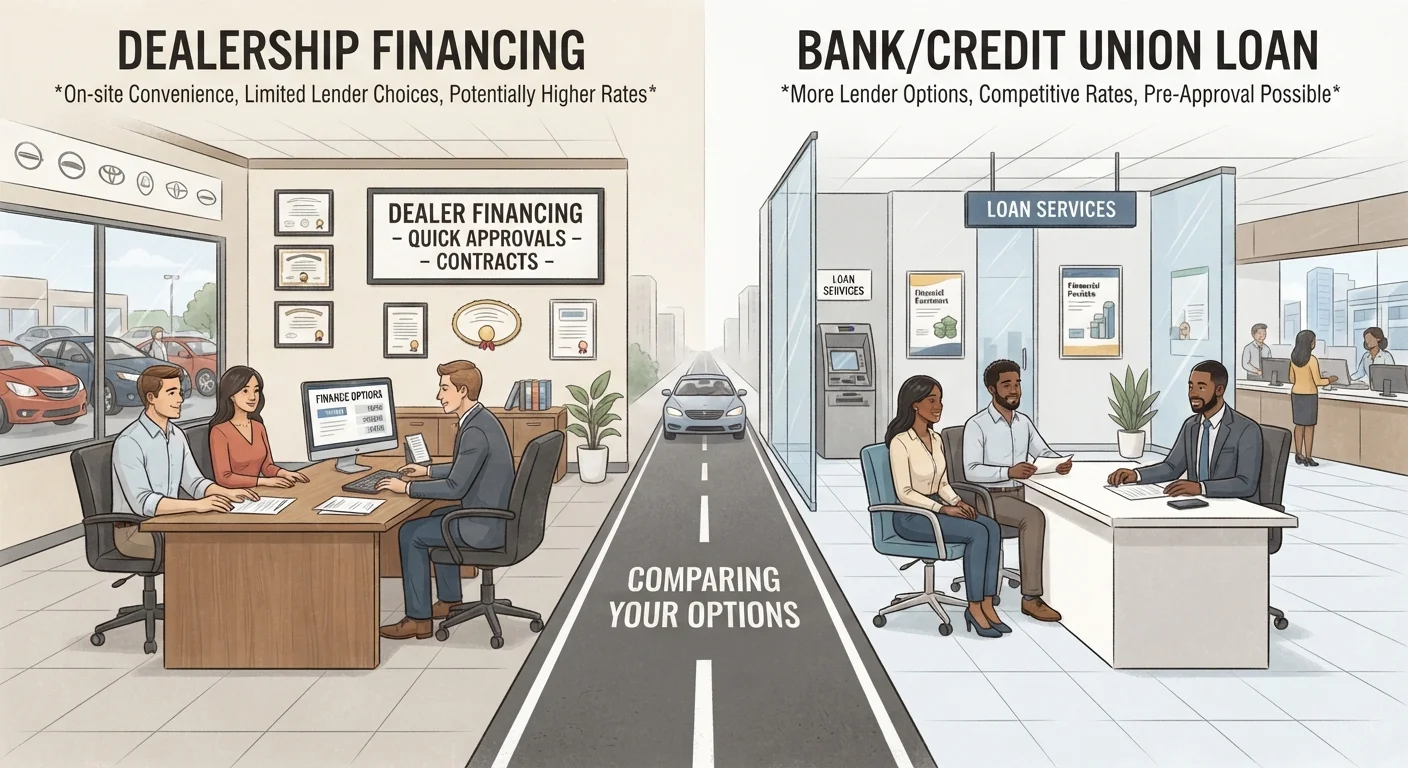
Arranging finance for a private purchase requires advance preparation. Banks and credit unions will lend against private vehicle sales, but the process must be initiated independently - there is no in-house financing desk. If you are comparing how dealer-arranged credit differs from a bank loan, our article on financing through a dealer vs. your own bank covers the key trade-offs in detail.
Private transactions also place the full documentation burden on the buyer. You must verify the vehicle identification number (FIN), confirm the seller matches the registration document (Fahrzeugbrief / Zulassungsbescheinigung Teil II), check for outstanding finance liens, and ensure the HU (vehicle inspection) is current. Dealerships handle most of this internally, though buyers should still independently verify key documents. Before committing to either channel, the questions worth asking before you commit to any vehicle can prevent costly oversights.
Always Commission an Independent Inspection
Before finalising a private vehicle purchase, pay for an independent pre-purchase inspection by a qualified mechanic or motoring organisation. This single step identifies hidden mechanical or structural issues that are not apparent during a test drive. The fee is typically a small fraction of the vehicle's value and can save you from far larger repair bills post-sale.
Risk Profile and What Due Diligence Looks Like in Practice
Private sales carry a higher risk of undisclosed problems - not always through bad faith, but because private sellers may genuinely be unaware of latent mechanical issues. An independent pre-purchase inspection by a qualified mechanic (or through a service such as the ADAC inspection programme) is strongly advisable before finalising any private purchase. The cost of an inspection is modest relative to the potential exposure.
Dealership vehicles may come with inspection reports or certified used-car programmes, which add a layer of assurance, though buyers should clarify precisely what is and is not covered by any certification. Neither channel eliminates the need for scrutiny - they simply shift where the risk sits and who bears it. For a broader perspective on what ownership actually costs beyond the purchase price, the Car Ownership hub offers practical ongoing guidance.
This article provides general educational information about vehicle purchasing channels and does not constitute legal or financial advice. Readers should consult qualified professionals for guidance specific to their circumstances.