
Why Opened Wine Spoils
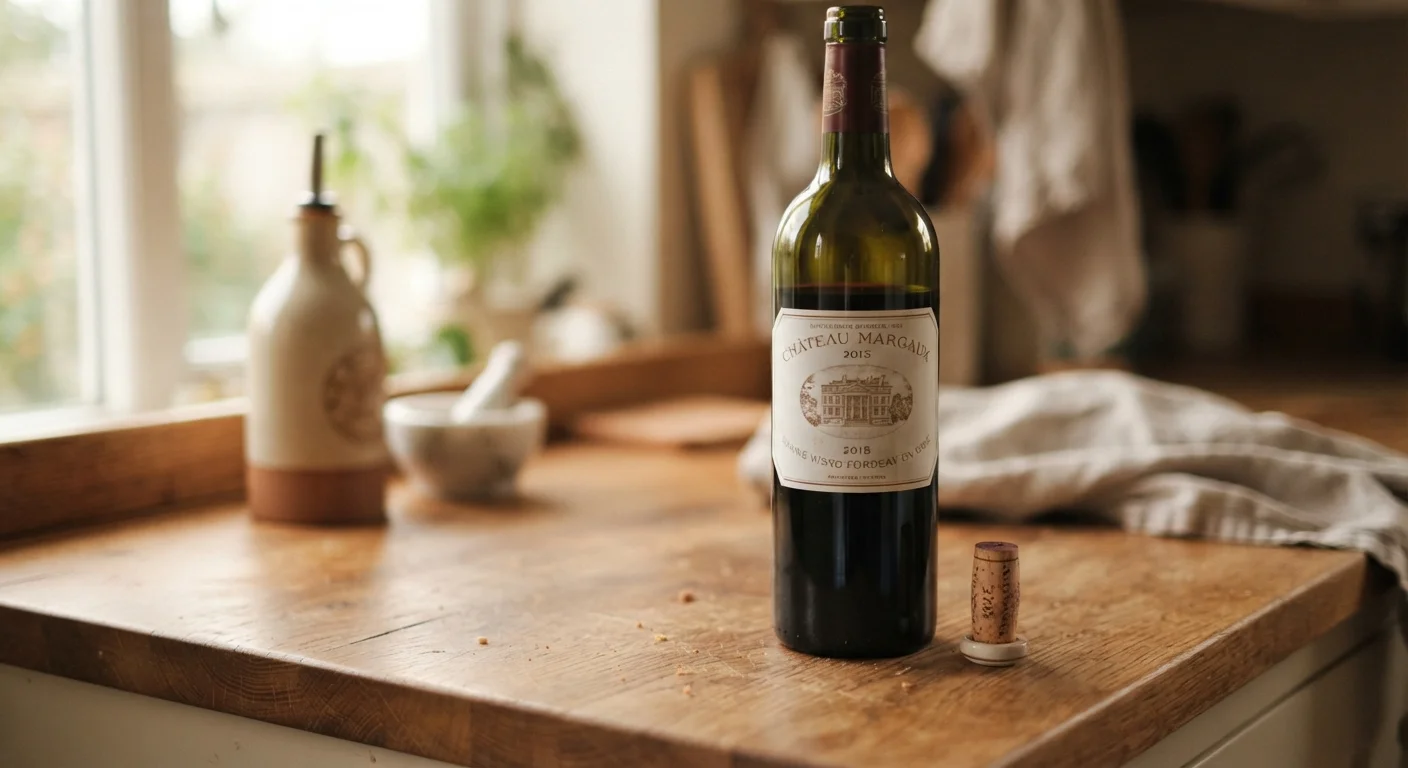
When you pull a cork, you invite oxygen into what was previously a sealed environment. Oxygen triggers oxidation, a chemical process that breaks down the aromatic compounds and tannins responsible for wine's complexity. The result is a flat, sometimes vinegary taste that no amount of swirling can fix.
Acetaldehyde - a byproduct of alcohol oxidizing - is largely what gives over-the-hill wine that stale, bruised-apple character. Alongside oxidation, bacteria naturally present in wine can convert alcohol into acetic acid, edging the liquid toward wine vinegar. Understanding these processes helps explain why every storage method below works the way it does: all of them target either oxygen exposure, temperature, or microbial activity.
“Wine is a living thing. Once you open it, you've started a clock. The goal of every storage technique is simply to slow that clock down.”
— Jancis Robinson, Master of Wine and internationally recognized wine writer
Best Practices for Storing Opened Wine
These approaches are grounded in how wine actually deteriorates. Apply them consistently and you'll notice a real difference in how your leftover bottle tastes the next day - or the day after that.
Re-seal the bottle immediately after pouring
Every minute the bottle sits open accelerates oxidation. Replacing the closure as soon as you've poured limits unnecessary air contact and buys measurable extra time before flavor degrades.
Refrigerate all opened wine, including reds
Lower temperatures slow both oxidation and microbial activity. While red wine is traditionally served at room temperature, storing it in the fridge between servings significantly extends its useful life. Simply remove it 20-30 minutes before you plan to pour.
Transfer leftover wine to a smaller vessel
Headspace - the gap of air above the liquid - is where oxidation accelerates. A half-empty 750 ml bottle contains a large air pocket. Moving the remaining wine into a smaller, tightly sealed container reduces that surface area dramatically.
Use an inert gas preservation spray if available
Sprays that release a blend of argon and nitrogen (heavier than oxygen) settle onto the wine's surface and displace air without altering flavor. This is a widely accepted professional practice in restaurant service.
Store bottles horizontally only when still sealed
Horizontal storage is designed to keep the cork moist in an unopened bottle. Once open and re-corked, storing it upright reduces the surface area exposed to air and minimizes leak risk if the seal is imperfect.
Quick Wins You Can Apply Tonight
You don't need specialized equipment to protect an opened bottle. The following actions use tools most households already have and can meaningfully extend the window of enjoyment.
Repurpose Wine That's Past Its Best
Wine that has oxidized beyond enjoyable drinking isn't necessarily wasted. Slightly turned white wine works well as a base for pan sauces or risotto, while over-the-hill red adds depth to slow-cooked stews and braises. Cooking drives off volatile compounds, so the oxidized character that's unpleasant to drink becomes essentially undetectable in food.
How Long Does Opened Wine Actually Last?
Storage method and wine style both determine how many days a bottle stays enjoyable. The table below reflects broadly accepted ranges used by wine educators and sommeliers.
| Wine Type | Typical Shelf Life After Opening | Key Factor |
|---|---|---|
| Sparkling wine | 1-3 days | CO₂ loss accelerates rapidly |
| Light white & rosé | 3-5 days (refrigerated) | Low tannin, sensitive to oxygen |
| Full-bodied red | 3-5 days (cool, re-corked) | Tannins provide some buffer |
| Fortified wine (e.g. Port) | 2-4 weeks (refrigerated) | High alcohol inhibits bacteria |
Fortified Wines Are a Special Case
Wines like Port, Sherry, and Madeira contain added grape spirit, raising their alcohol level to roughly 17-22% ABV. This significantly inhibits the microbial activity that spoils table wine, which is why fortified wines survive much longer after opening. Lighter, drier styles such as Fino Sherry are the exception - they oxidize quickly and should be treated more like a delicate white wine, consumed within a few days.
These are general guidelines. A wine with noticeable vinegar aroma or a pronounced flat, musty taste has turned and is best discarded - or repurposed in cooking.
3-5 days
Typical life of refrigerated opened wine
This range is consistently cited by wine educators and professional sommeliers as the practical window for most still table wines.
~20%
Oxygen content of the air filling your bottle
Ambient air is approximately 21% oxygen - enough to noticeably alter a wine's flavor profile within hours of opening, particularly for delicate whites.