
The Moment the Scroll Changed Direction
For most of its short history, the influencer economy operated on a simple premise: creators build audiences, brands pay for access to those audiences, and viewers discover products they might want to buy. The entire ecosystem was optimized for aspiration and acquisition.
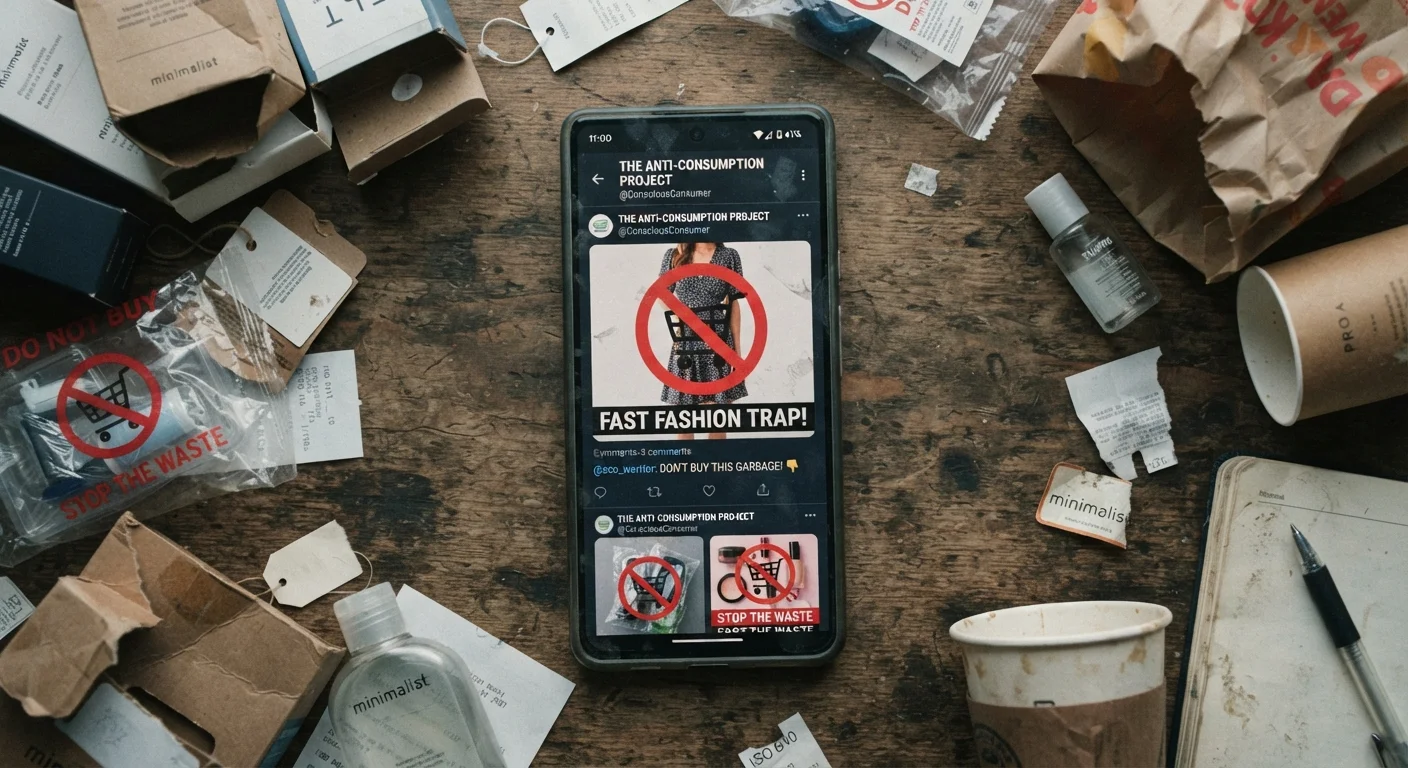
Then, around early 2023, a different kind of video started circulating on TikTok. Creators - some with large followings, some with modest ones - began filming themselves explaining why specific viral products weren't worth the price, why a much-hyped skincare range broke them out, or why the expensive kitchen gadget that flooded their feeds for months sat unused in a drawer. The hashtag #deinfluencing racked up hundreds of millions of views in a matter of weeks.
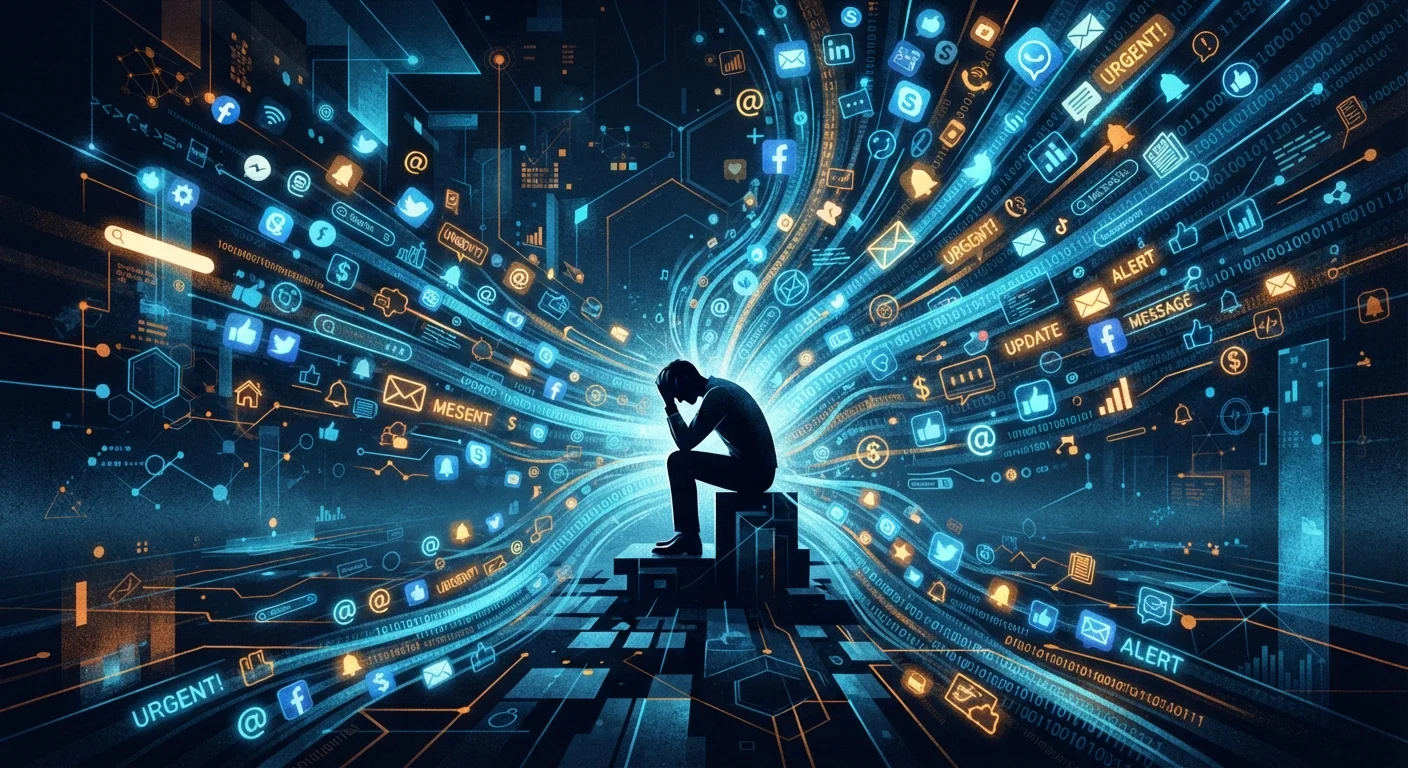
The speed of that uptake wasn't coincidental. It reflected an audience that had been quietly accumulating frustration with promotional content for years - and had finally found a vocabulary for it. To understand how the attention economy shapes these dynamics, it helps to recognize that platforms are structurally designed to reward content that generates strong reactions. Skepticism, as it turns out, generates plenty.
Why Skepticism Built Up - and Why It Erupted When It Did
The conditions for deinfluencing were years in the making. Influencer marketing grew rapidly through the 2010s, eventually becoming a multibillion-dollar industry. As brand deals proliferated, disclosure norms lagged behind - many audiences didn't realize that a seemingly organic recommendation was a paid placement until regulations gradually forced more transparency.
Research into what's sometimes called "parasocial" relationships - the sense of one-sided closeness audiences develop with creators - suggests that perceived betrayal of trust triggers particularly strong negative reactions. When viewers came to feel that creators were recommending products for commission rather than conviction, the credibility damage was disproportionate to the individual incident.
#deinfluencing
TikTok hashtag views within weeks of peak
The hashtag accumulated hundreds of millions of views in early 2023, marking one of the fastest-growing countercultural trends on the platform.
~$21B
Global influencer marketing industry size (estimated)
Industry analysis firms estimated the global influencer marketing market at approximately $21 billion by 2023, a figure that provides context for why audience backlash eventually materialized.
Majority
Consumers who distrust sponsored social content
Multiple surveys conducted in the early 2020s found that a majority of social media users express skepticism about whether influencer recommendations reflect genuine opinion.
Cost-of-living pressures in many countries also sharpened the practical stakes. Viewers who felt financially squeezed were less forgiving of spending money on products that failed to live up to influencer endorsements. That financial anxiety gave deinfluencing content an immediate, pragmatic appeal beyond any ideological commitment to anti-consumerism.
It's worth noting that this skepticism doesn't arise in a vacuum - it parallels patterns explored in research on how framing shapes decisions. The way a product is presented - by a trusted voice, in a relatable context - primes audiences toward certain choices. Deinfluencing deliberately disrupts that framing.
What Deinfluencing Looks Like in Practice
Deinfluencing content typically takes one of a few recognizable forms. The most direct is the "not worth it" review: a creator tests a product that received significant influencer coverage and delivers an honest verdict, often contrasting the marketing claims with their actual experience. A second format addresses the psychology of hype itself - examining why certain products go viral and how promotional ecosystems create artificial demand.
A third, more structural form is the "buy nothing" or "low-buy" challenge, in which creators document attempts to resist unnecessary purchases for a set period and reflect on what they discover about their own habits.
These formats share a common logic: they position the creator as an ally rather than a salesperson. That positioning is consequential. Audiences navigating algorithmically curated feeds often struggle to distinguish genuine enthusiasm from sponsored performance. A creator who openly says "skip this" appears, at least superficially, to have little financial reason to mislead.
The Movement's Real Limits - and What It Reveals
Deinfluencing is not immune to the very dynamics it critiques. Some creators have adopted the label while still earning affiliate commissions on products they recommend as alternatives to the ones they criticize. In effect, the format can become another vehicle for promotion - just with a contrarian wrapper. Audiences attentive enough to notice this have coined the somewhat sardonic term "deinfluencer influencer" to describe the phenomenon.
“Audiences are sophisticated enough to know when they're being sold to. The question is whether they feel the trade-off - entertainment or information in exchange for exposure to advertising - is a fair one. When it starts to feel unfair, trust erodes fast.”
— Emily Hund, Researcher and author of 'The Influencer Industry' (Princeton University Press)
That irony doesn't entirely undercut the movement's significance, however. Even as a partial co-optation by commercial logic, deinfluencing has shifted the terms of the conversation. Creators across categories now feel more pressure to acknowledge when content is sponsored, to address product failures honestly, and to position themselves as advocates for their audiences rather than extensions of brand marketing departments.
Whether the trend proves durable is an open question. Some cultural shifts endure longer than observers expect, particularly when they respond to deep structural tensions rather than surface-level novelty. Deinfluencing taps into a genuine crisis of trust in digital media - and that crisis shows no sign of resolving quickly.
What it ultimately reflects is an audience increasingly aware of how the attention economy is structured, increasingly skeptical of the incentives shaping the content they see, and actively looking for voices that feel like exceptions to the system - even when those voices are still very much inside it.