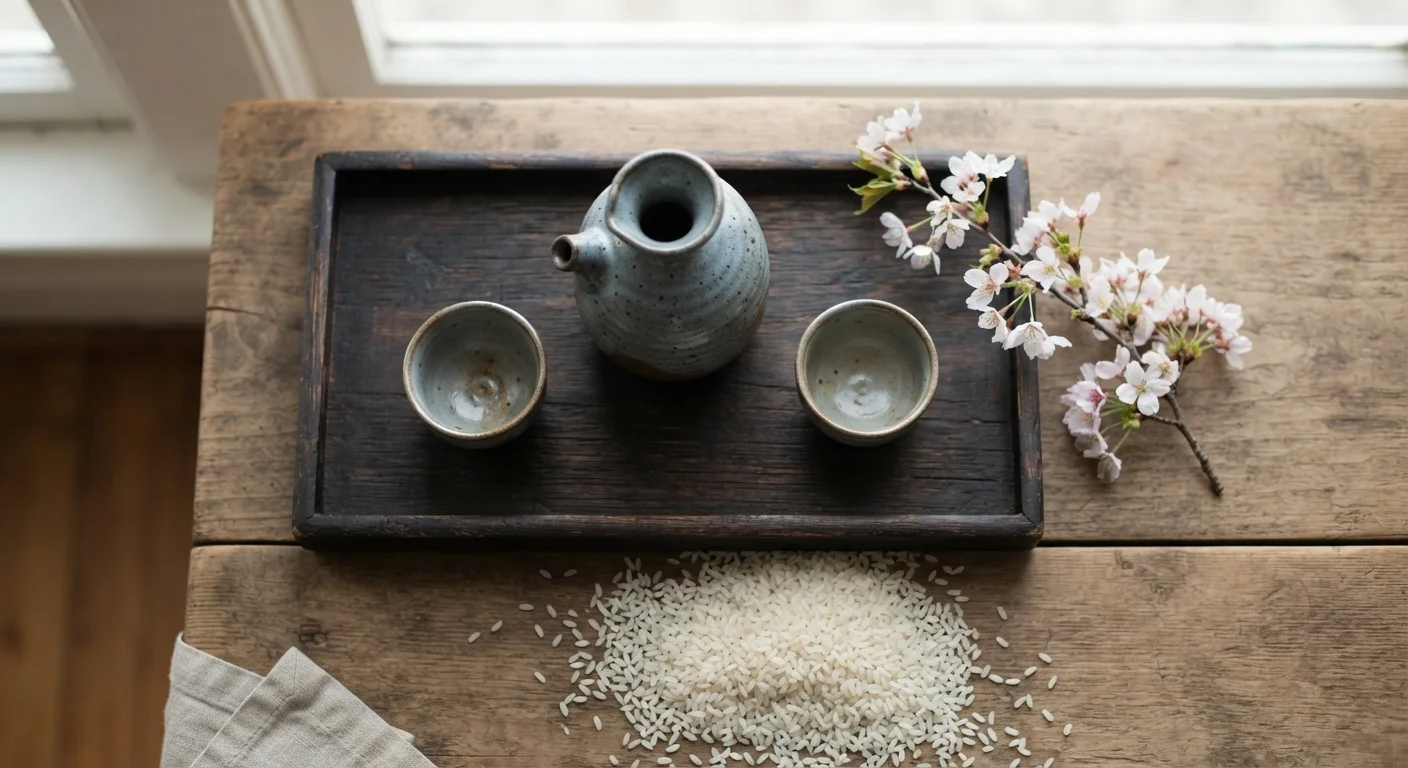


What Fermentation Is and Why Humans Developed It
Fermentation is one of humanity's oldest food technologies - and it was never invented in a single place. Across Africa, Asia, the Middle East, and the Americas, communities independently discovered that allowing microorganisms to act on food could preserve it, reduce spoilage, and create entirely new flavours. Long before refrigeration, fermentation was a survival strategy shaped by local climate, available ingredients, and cultural practice.
At its core, fermentation is a metabolic process in which microorganisms - primarily bacteria, yeasts, and moulds - break down sugars and starches into acids, gases, or alcohol. In lactic acid fermentation, bacteria convert sugars into lactic acid, which acidifies the food and inhibits harmful microbes. This is the mechanism behind kimchi, yogurt, and injera. In alcoholic fermentation, yeasts convert sugars to ethanol and carbon dioxide - the process behind sake, beer, and wine. See a deeper breakdown of fermentation science as it applies to beverages.
Lactic acid fermentation
A type of fermentation in which bacteria convert sugars into lactic acid. The resulting acidity preserves food and creates characteristic sour flavours found in kimchi, yogurt, and sourdough bread.
Koji
A mould (Aspergillus oryzae) cultivated on grains or legumes and used as a starter culture in Japanese fermentation. It produces enzymes that break down proteins and starches, generating the umami flavour central to miso and sake.
Umami
Often described as the fifth basic taste alongside sweet, sour, salty, and bitter. It is associated with glutamates released during the breakdown of proteins, particularly prominent in fermented and aged foods.
Teff
A small, nutrient-dense grain native to the Horn of Africa and the primary ingredient in injera. It is naturally gluten-free and ferments readily using wild yeasts and bacteria.
Phytate
A naturally occurring compound in grains and legumes that can bind minerals and reduce their absorption. Fermentation can break down phytates, potentially improving the bioavailability of nutrients like iron and zinc.
Lacto-fermentation
A preservation method that relies on naturally occurring lactic acid bacteria to acidify food in the presence of salt. No starter culture needs to be added; the bacteria come from the food and its environment.
Understanding the basic biology helps explain why fermented foods taste and behave so differently - and why they've become culturally irreplaceable rather than merely functional.
Three Fermented Foods and the Cultures Behind Them
Kimchi (Korea)
Kimchi is made by lacto-fermenting vegetables - most commonly napa cabbage - with salt, garlic, ginger, and chilli. The salt draws out moisture and creates a brine; lactic acid bacteria naturally present on the vegetables then multiply and acidify the mixture. The result is tangy, spicy, and complex. Korea's cold winters made kimchi an essential preservation method, and today it is recognised by UNESCO as part of Korea's intangible cultural heritage. Different regions and seasons produce hundreds of kimchi varieties, reflecting both geography and tradition.
Miso (Japan)
Miso is a fermented paste made primarily from soybeans, salt, and a mould culture called koji (Aspergillus oryzae). The koji breaks down proteins and starches over weeks or months, generating deeply savoury umami compounds. Fermentation time, grain type, and regional practice produce an enormous range of misos - from pale and mildly sweet to dark and intensely flavoured. Miso is inseparable from Japanese culinary identity; it appears in soups, marinades, dressings, and pairs culturally with sake in traditional Japanese meals.
Injera (Ethiopia and Eritrea)
Injera is a large, spongy flatbread made from teff flour fermented over two to three days. Wild yeasts and bacteria present in the grain naturally leaven and sour the batter. The result is both the staple carbohydrate and the communal eating surface for Ethiopian meals - stews and salads are placed directly on it. The collective act of sharing food from a single injera is a cultural ritual. Communal eating traditions like this one carry deep social meaning across many food cultures.
| Kimchi varieties recognised in Korea | Over 200 documented types (National Institute of Korean Language and cultural records) |
| Miso fermentation duration | Weeks to 3+ years depending on type (Traditional Japanese miso production guidelines) |
| Injera fermentation time | Typically 2-3 days (Ethiopian culinary tradition) |
| UNESCO recognition of kimchi-making | Inscribed 2013 (kimjang practice) (UNESCO Intangible Cultural Heritage list) |
| Primary microorganism in kimchi | Lactobacillus species (lactic acid bacteria) (Food microbiology research literature) |
| Teff origin region | Horn of Africa (Ethiopia, Eritrea) (Botanical and agricultural records) |
The Science of Flavour and Nutrition in Fermented Foods
Fermentation does more than preserve - it fundamentally changes a food's nutritional and flavour profile. Lactic acid bacteria produce compounds that contribute tartness and complexity. Proteolysis - the breakdown of proteins - releases amino acids, creating the umami depth characteristic of miso and aged cheeses. In teff fermentation, phytate levels decrease, which can improve the absorption of minerals like iron and zinc from the grain.
200+
Distinct kimchi varieties documented in Korea
Regional variation in ingredients and technique has produced an enormous family of kimchi styles across Korea's provinces and seasons.
~10,000
Years fermentation has been practised globally
Archaeological and historical evidence suggests humans have been fermenting foods since at least the Neolithic period in multiple regions independently.
3+ years
Maximum ageing time for some dark miso varieties
Long-aged hatcho miso from Japan's Aichi region is fermented under stone weights for up to three years or more, developing intense flavour.
The microbial diversity in fermented foods has attracted significant scientific interest. Researchers study how consuming live cultures may interact with the gut microbiome, though this is an active and evolving field. General public health bodies note that fermented foods can contribute to a varied diet, but no specific health claims should be taken as personal medical guidance.
Culture also shapes fermentation outcomes. The microbial ecosystems used for kimchi in a Seoul household differ from those in a coastal village; the koji strains cultivated for white miso in Kyoto differ from those prized in Aichi. Fermentation, in this sense, is ecological - it reflects the invisible life of a specific place. For a broader look at how geography shapes taste, see how climate and trade shaped the world's spice map.
The global spread of fermented foods today - through diaspora communities, culinary exchange, and growing scientific interest - means that these ancient practices are meeting new contexts. Immigrant communities often carry fermentation traditions with them, adapting recipes to new climates and available ingredients while keeping cultural memory alive.