

Why Fitness Myths Are So Hard to Shake
Misconceptions about exercise spread easily - through social media, well-meaning friends, and decades of oversimplified fitness messaging. The result is that many people talk themselves out of starting before they've taken a single step. They believe they need more time, more equipment, or a different body. None of those things is true.
The myths below are among the most common barriers for beginners. Clearing them up won't give you a training plan, but it will remove some of the mental obstacles that make starting feel harder than it needs to be. For plain-language explanations of common exercise terms, see the fitness glossary for beginners.
Myth
You need at least 30-60 continuous minutes of exercise for it to count.
Fact
Shorter bouts of movement - even 10 minutes at a time - accumulate meaningful health benefits when spread across the day.
The idea that exercise only 'counts' in long, unbroken sessions has discouraged many people who can't carve out an hour. Public health guidelines from organisations such as the World Health Organization indicate that physical activity can be accumulated in shorter segments throughout the day with comparable benefit to a single session. A 10-minute brisk walk, repeated a few times, adds up. Starting small and building gradually is a well-supported approach for beginners.
Myth
If you're not sore the next day, you didn't work hard enough.
Fact
Delayed-onset muscle soreness (DOMS) is one sign of muscular stress, but its absence does not mean a workout was ineffective.
Soreness reflects micro-damage to muscle fibres and the resulting inflammation - a normal part of adaptation when movement is new or intensity increases. However, a well-structured workout that keeps you within your current fitness level may produce little soreness while still stimulating cardiovascular and muscular adaptations. Chasing soreness as a goal can lead to overtraining and injury, particularly for beginners. Consistent, progressive effort matters more than how stiff you feel the following morning.
Myth
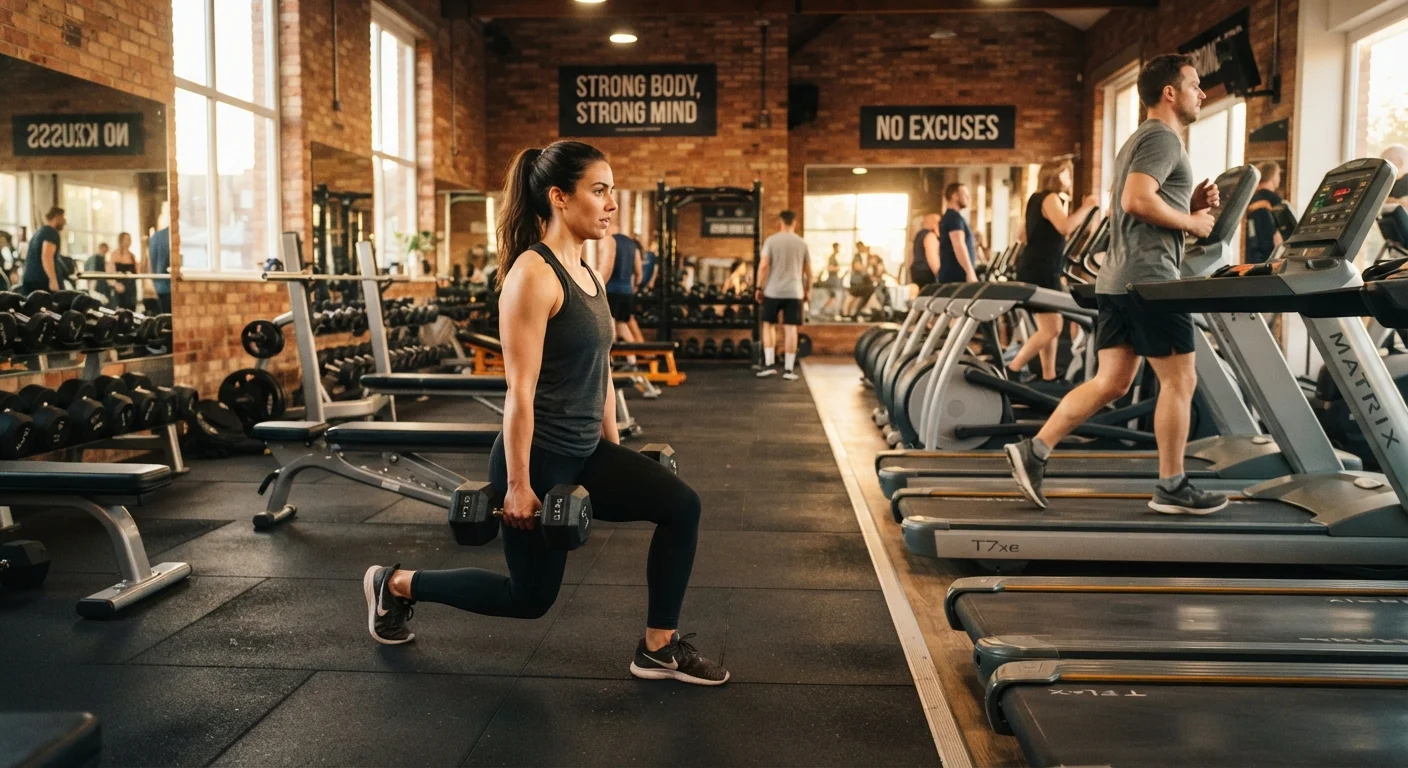
Strength training will make women look bulky and masculine.
Fact
Women typically lack the hormonal profile - primarily testosterone levels - necessary to develop large muscle mass through standard resistance training.
This is one of the most persistent and harmful myths in fitness. Resistance training for women generally produces increased muscle tone, improved bone density, better metabolic function, and greater functional strength - not dramatic size gains. The bodybuilders sometimes cited as cautionary examples typically follow highly specific, high-volume programmes combined with dietary strategies that go far beyond recreational exercise. For most women, strength training is an evidence-supported component of a well-rounded fitness routine. See also what functional fitness actually means for how strength applies to everyday movement.
Myth
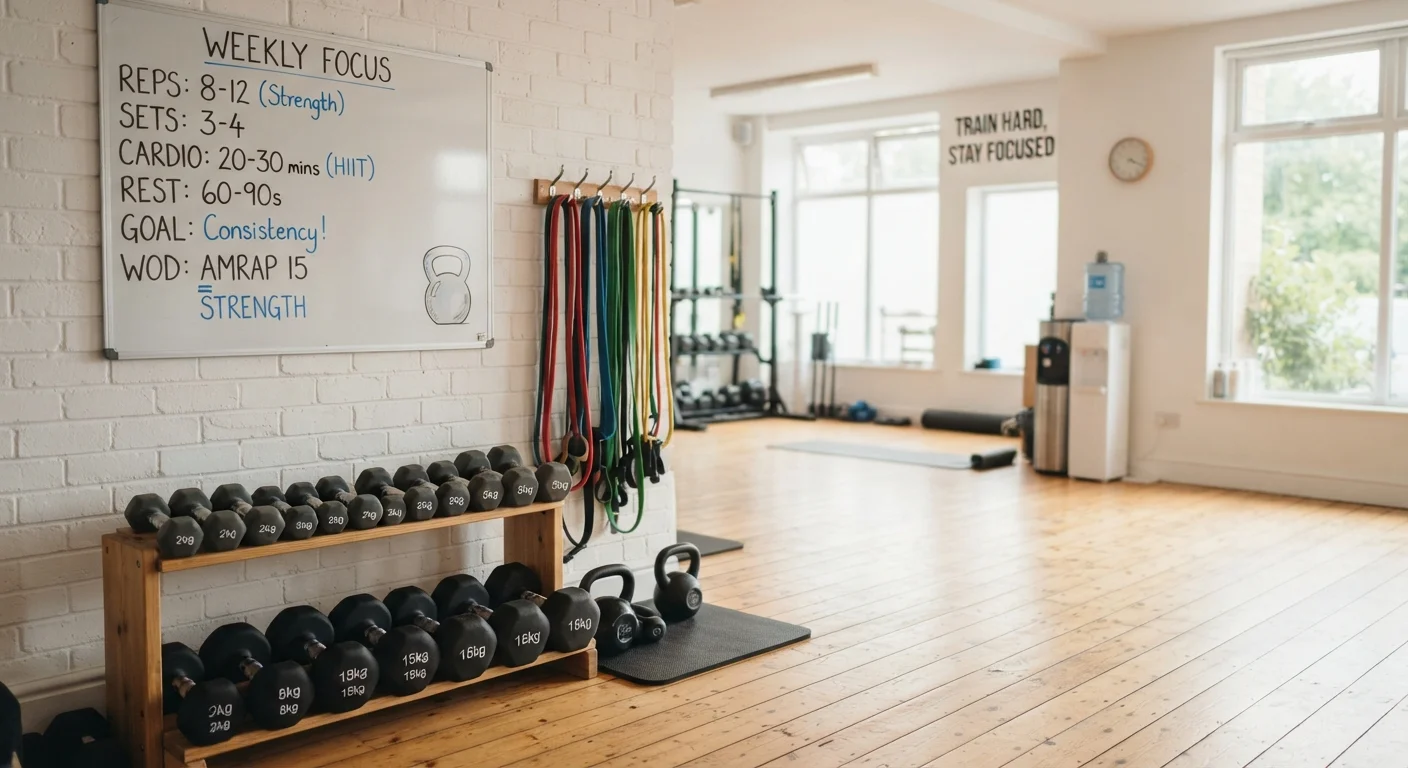
You need a gym membership and proper equipment to get fit.
Fact
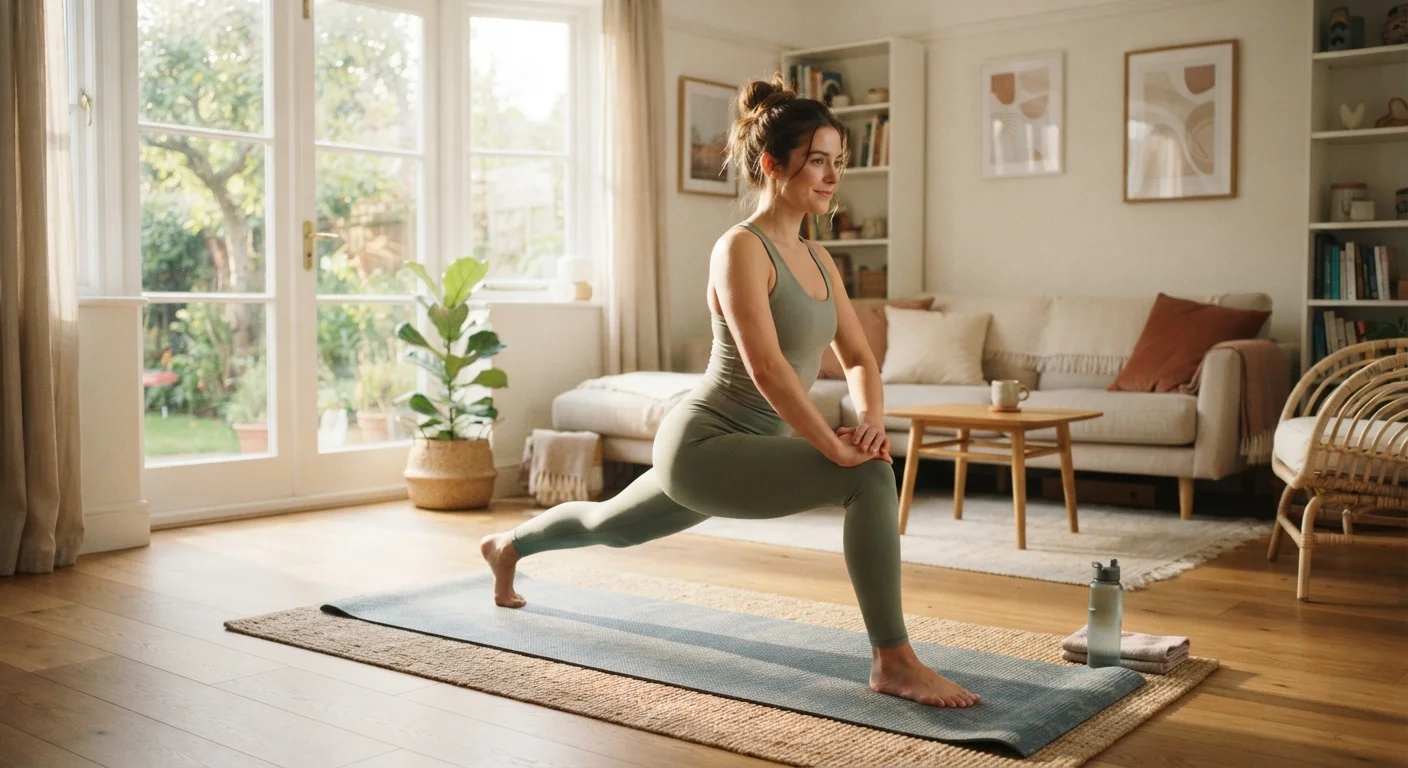
Bodyweight exercises, walking, and outdoor movement can all deliver significant fitness benefits with no equipment at all.
Gyms offer useful resources - equipment variety, structure, and sometimes social motivation - but they are not a prerequisite for improving fitness. Push-ups, squats, lunges, planks, and walking are backed by solid evidence and require no financial outlay. Home workouts vs. gym training examines both environments honestly so you can choose what actually fits your life. Low-cost starting points are also worth exploring - just as with personal finance, where common budgeting myths often stop people before they begin, fitness myths operate the same way.
Myth
Rest days are wasted days - you should exercise every day to see results.
Fact
Rest and recovery are physiologically necessary for the adaptations that make exercise effective in the first place.
Muscles grow and repair during rest, not during the workout itself. Consistently skipping recovery time increases the risk of overuse injuries, fatigue, and burnout - all of which derail progress far more than a planned rest day ever would. Most evidence-based approaches for beginners include at least one or two rest days per week. For a deeper look at why recovery is built into effective routines rather than optional, see rest days aren't wasted days.
What Actually Matters When You're Just Starting Out
Once the myths are out of the way, a clearer picture emerges: sustainable fitness is built on consistency, not heroics. Research consistently shows that regular moderate activity - accumulated over days and weeks - produces meaningful improvements in cardiovascular health, strength, mood, and energy levels.
150 min
Recommended weekly moderate activity
The World Health Organization recommends at least 150-300 minutes of moderate-intensity aerobic activity per week for adults - which works out to roughly 20-40 minutes a day.
~28%
Adults meeting global physical activity guidelines
According to WHO estimates, roughly 28% of adults worldwide are insufficiently active - making the removal of barriers to starting especially important.
You don't need to solve everything at once. Choosing movement that fits your current life, your available time, and your physical starting point is far more effective than waiting for perfect conditions. If you're unsure whether a particular type of activity is appropriate for you, especially if you have an existing health condition or haven't been active for a while, it's worth checking in with a healthcare professional before beginning.
If you want to understand how strength and cardio work together rather than competing, the article strength training and cardio - do you have to choose? offers a balanced look. And when you're ready to put a routine together, building a weekly movement routine that actually sticks provides evidence-informed principles to help you design something realistic.
Don't Let Perfect Be the Enemy of Starting
Waiting until you have the ideal schedule, equipment, or fitness level is one of the most effective ways to never begin. The evidence strongly favours imperfect, consistent movement over perfectly planned inactivity. Start with what you have, where you are. You can always build from there.
This article is for general informational purposes only and does not constitute medical advice. Consult a qualified healthcare professional before starting any new exercise programme, particularly if you have an existing health condition.