
What Are Movement Snacks?
A movement snack is a short, intentional burst of physical activity lasting anywhere from one to ten minutes, slotted into everyday moments rather than saved for a dedicated workout session. Think a set of squats while waiting for coffee to brew, a brisk walk around the block at lunchtime, or calf raises during a phone call.
The concept is supported by a growing body of research suggesting that accumulated movement throughout the day - even in brief, fragmented episodes - can contribute to cardiovascular health, reduced sedentary time, and improved energy levels. This makes movement snacks especially relevant for people with demanding schedules who struggle to block out 30-60 minutes for structured exercise.
If you're also exploring more sustained activity, our guide to low-impact movement explains accessible options that pair well with a snacking approach.
What You'll Need Before You Start
The appeal of movement snacks is their low barrier to entry. Still, a little preparation makes it far easier to stay consistent.
What you will need
Once you have these basics in place, building the habit becomes a matter of strategy rather than willpower.
How to Build a Movement Snack Habit
Follow these steps to weave short activity bursts into a typical day. Start with just two or three per day and scale up gradually.
Identify your natural pause points
Review your typical day and note moments that already involve a natural pause: waiting for a kettle to boil, transitioning between meetings, a midday lunch break, or the end of a work call. These are your anchoring opportunities. Aim to find at least three distinct slots across the day.
Choose two or three simple movement types
Keep your movement menu short and practical. Good starting options include:
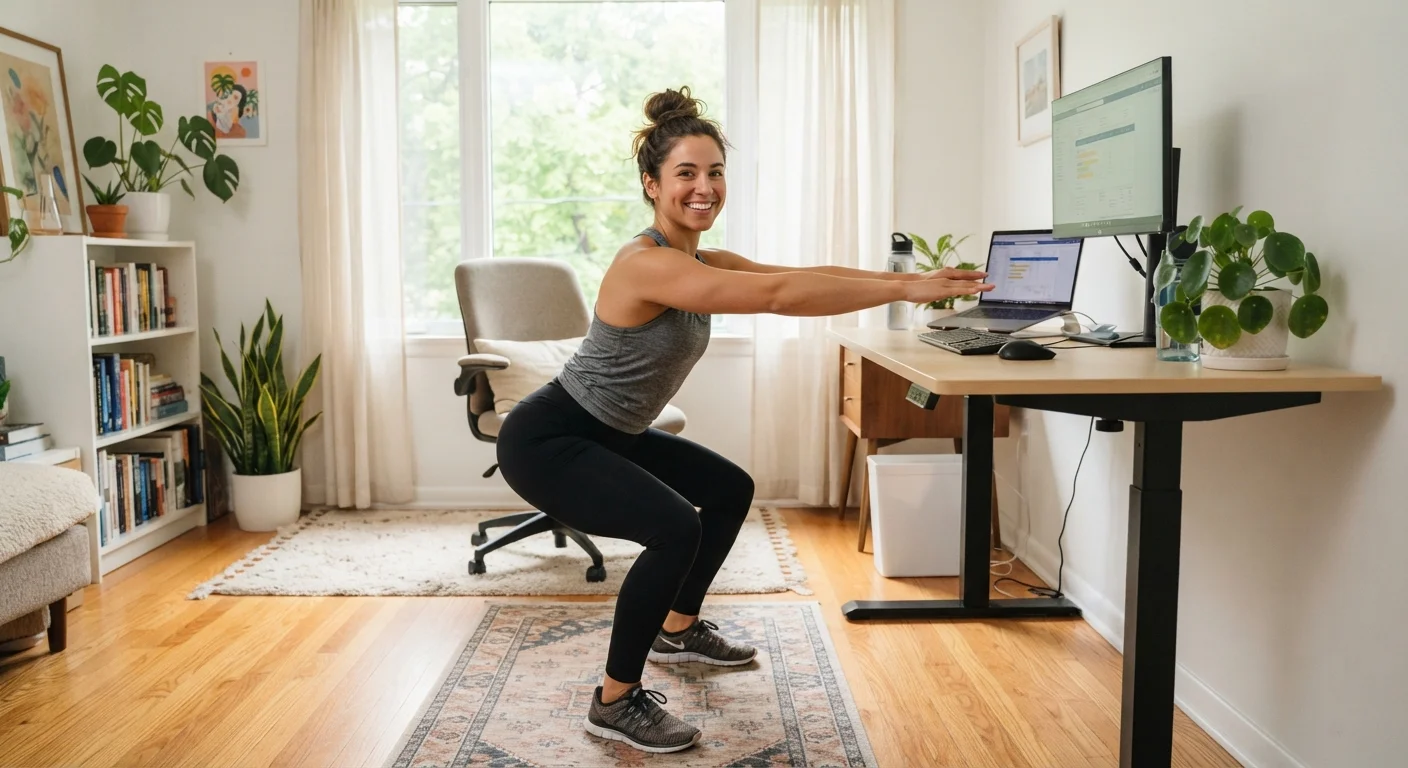
- Bodyweight squats - 10-15 reps, no equipment needed
- Standing calf raises - easy to do at a desk or kitchen counter
- Brisk walking - even a single lap around your building counts
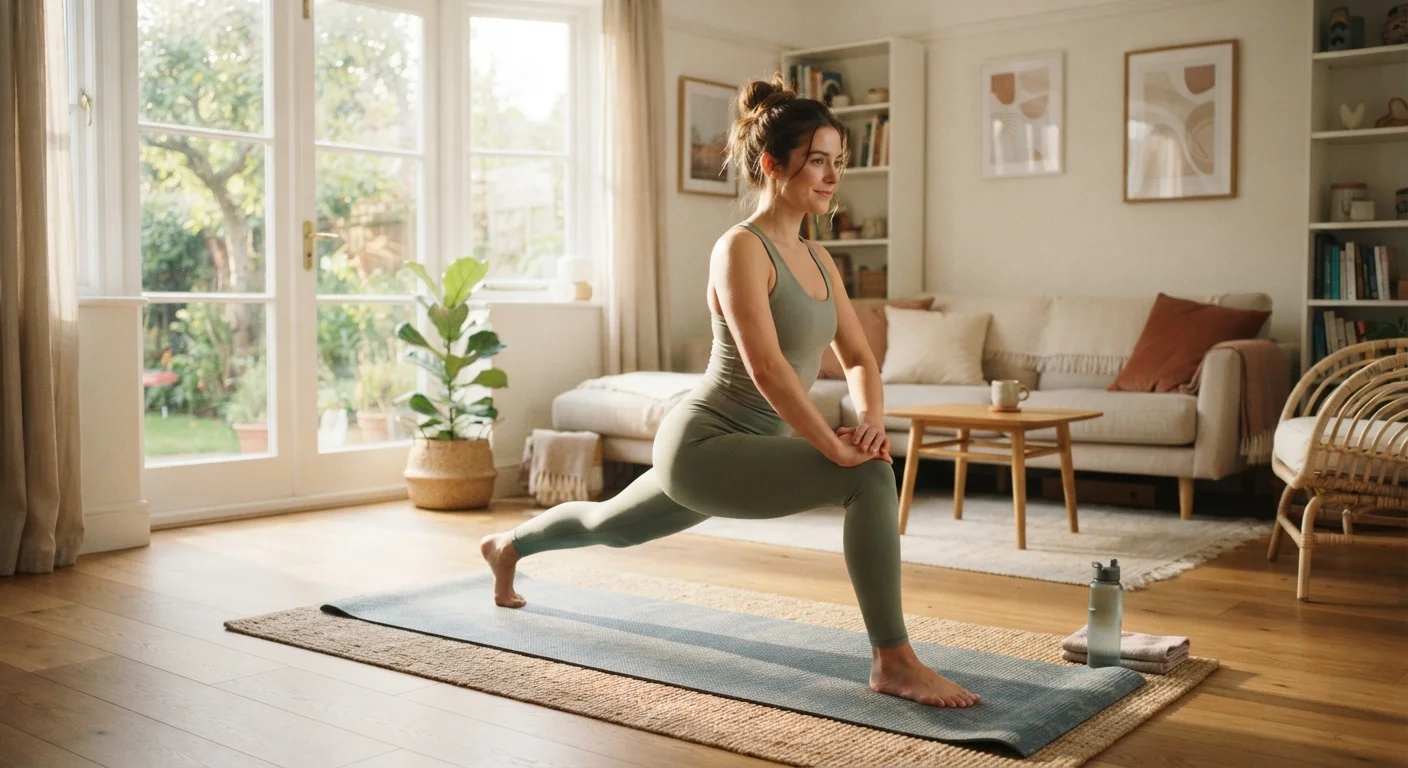
- Hip flexor stretches - especially valuable after prolonged sitting
- Shoulder rolls and neck stretches - helpful for desk workers
Having a small repertoire means you spend zero time deciding what to do.
Pair each snack with an existing cue
Attach your chosen movement to a behaviour you already do reliably - this is called habit stacking. For example: "After I pour my morning coffee, I do ten squats." The existing action serves as the trigger, removing the need for willpower or decision-making.
Start small and track consistency, not volume
Begin with just two movement snacks per day for the first week. The goal at this stage is not fitness - it is building the behavioural pattern. Use a simple tally in a notebook, a habit-tracking app, or a basic calendar mark to record each completed snack. Seeing your streak grow is genuinely motivating.
Gradually increase frequency and variety
Once two daily snacks feel automatic - typically after one to two weeks - add a third slot. Over time, experiment with slightly longer or more varied sessions: a five-minute yoga flow, a staircase climb, or a short dance break. The aim is to keep movement feeling approachable rather than burdensome.
Stack Movement With Screen Breaks
If you work at a screen, set a soft timer to prompt a movement snack every 60-90 minutes. Even standing up and doing a brief stretch resets posture and circulation. This pairs well with established guidance to reduce prolonged uninterrupted sitting, which is associated with metabolic and musculoskeletal risks independent of overall exercise levels.
As your movement snacking becomes more consistent, you may want to layer it into a broader weekly plan. See how to build a weekly routine that sticks for evidence-informed guidance on doing exactly that.
Common Pitfalls and How to Avoid Them
Even a simple habit like this has a few common stumbling blocks worth anticipating.
Avoid Treating Every Break as Obligatory
Turning movement snacks into a rigid rule can backfire, especially on high-stress days. If you miss a slot, simply continue with the next one - self-criticism erodes habit formation faster than missed sessions do. Flexibility is a feature of this approach, not a weakness.
It's also worth remembering that movement snacks are not a substitute for rest. Pushing through fatigue or soreness on every available break is counterproductive. For an honest look at why recovery matters, read why rest days aren't wasted days.
If you're just getting started with regular activity overall, what to realistically expect in your first month offers a grounded, encouraging overview of early progress.
This article is for general informational purposes only and does not constitute medical advice. If you have an existing health condition or injury, consult a qualified healthcare professional before starting any new physical activity.