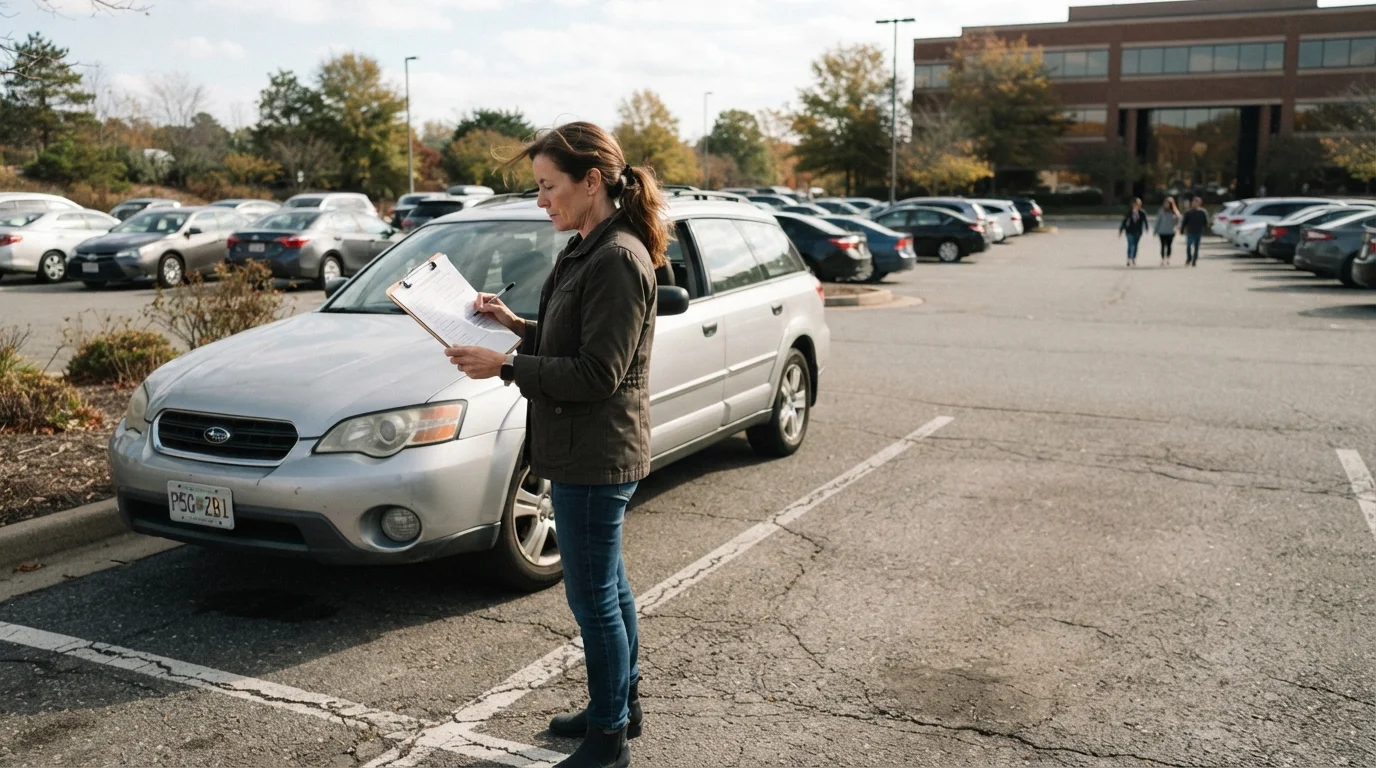

Why an Inspection Is Worth the Cost
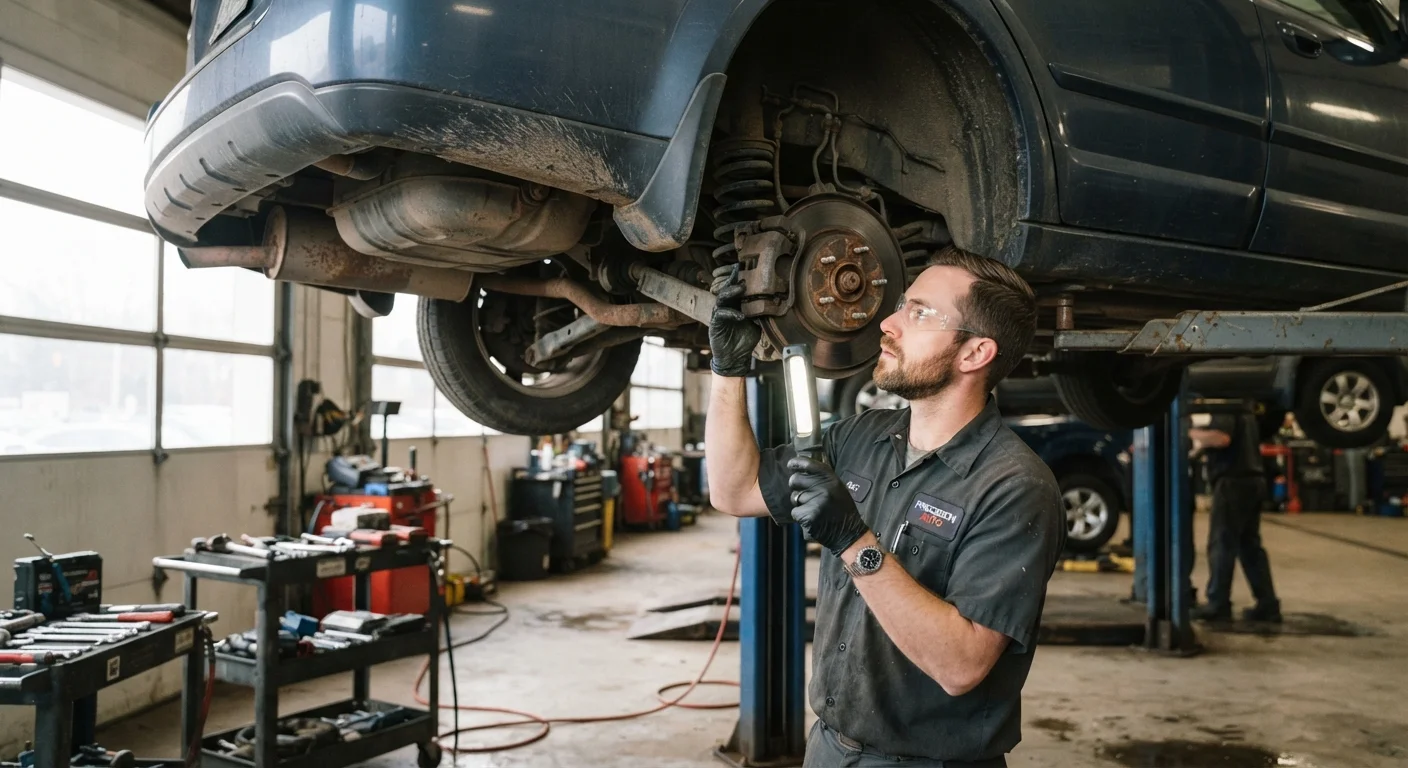
A pre-purchase inspection is not a sign of distrust - it is standard practice among informed buyers and widely expected by reputable sellers. For a fee that typically ranges from €100 to €200, a qualified mechanic can identify faults that would cost many times more to repair after purchase. Rust in structural sections, a leaking cylinder head gasket, or worn wheel bearings are rarely visible during a test drive but are straightforwardly identified on a lift.
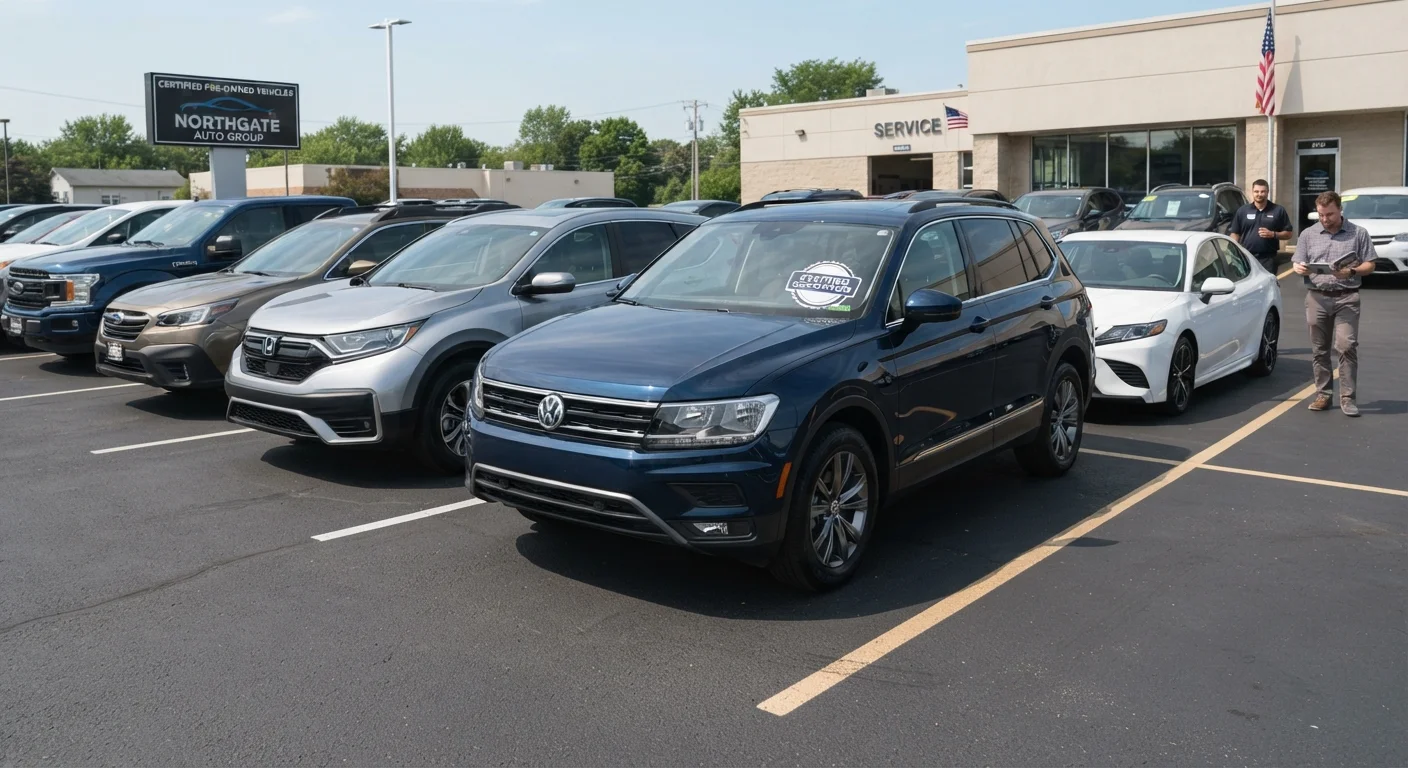
If you are part-way through navigating your first car purchase, an inspection adds a critical layer of confidence that no amount of research or test-driving fully replaces. Even vehicles sold under certified pre-owned programmes - which carry manufacturer-backed inspections - can benefit from an independent second opinion, since CPO standards vary considerably.
What you will need
The steps below walk through how to arrange and get the most from a pre-purchase inspection.
Choose a Workshop With No Stake in the Sale
Use an independent mechanic or an inspection service with no commercial relationship to the seller. ADAC, TÜV, and DEKRA all offer used-vehicle appraisal services in Germany that produce a written report - useful both for your decision-making and as a negotiation document. Expect to pay roughly €100-€200 for a thorough assessment, a modest sum relative to the risks involved.
How to Arrange and Conduct the Inspection
Independent Mechanic or Inspection Service
Carries out the physical assessment of the vehicle's mechanical, structural, and electrical condition.
Vehicle History Report (e.g. CARFAX, AutoScout24 history check)
Provides documented records of previous owners, accident history, and registration changes to cross-reference with the seller's claims.
OBD-II Diagnostic Reader
Retrieves stored fault codes from the vehicle's onboard computer, revealing issues that may not yet be symptomatic.
Paintwork Thickness Gauge
Detects areas of unusually thick paint that may indicate bodywork filler used to conceal accident damage or rust.
Arrange the Inspection Before Any Financial Commitment
Request the pre-purchase inspection before signing any purchase agreement or transferring a deposit. Confirm the seller's agreement in writing - a brief message or email is sufficient. If a deposit is unavoidable, ensure any agreement explicitly conditions it on the inspection outcome.
Select a Qualified, Independent Inspector
Choose a workshop or inspection body that has no financial connection to the seller or the dealership. In Germany, recognised options include independent garages certified by the relevant trade body, as well as ADAC appraisers, TÜV, and DEKRA - all of whom produce standardised written reports. Confirm the service includes a road test, not just a static examination.
Gather the Vehicle's Documentation in Advance
Bring the service booklet (Scheckheft), the Fahrzeugbrief (vehicle title/Zulassungsbescheinigung Teil II), and any repair invoices to the appointment. The mechanic should verify that the recorded mileage is consistent across documents and that major service intervals - timing belt, brake fluid, coolant - have been completed on schedule.
Understand What the Inspection Covers
A thorough pre-purchase inspection should evaluate:
- Structural integrity: Sill sections, chassis rails, and boot floor for accident repair or hidden corrosion
- Drivetrain and engine: Oil condition and leaks, coolant integrity, transmission behaviour, gearbox smoothness
- Brakes and suspension: Pad and disc wear, shock absorber condition, steering play
- Electrical systems: Battery health, lighting, climate control, warning lights
- Tyres: Tread depth, age (check the DOT code), and even wear indicating alignment or suspension issues
- Paintwork: Mismatched panel colour or thickness suggesting unreported accident repair
Review the Written Report and Identify Deal-Breakers
Ask for the findings in writing. Distinguish between safety-critical defects (frame damage, brake failure, fluid leaks) and expected wear items (minor tyre wear, aged wiper blades). Safety-critical issues should either be resolved by the seller before purchase, factored into a price reduction, or treated as grounds to walk away entirely.
Repair estimates in the report give you a concrete basis for renegotiation - or for declining the vehicle altogether. See our guide to questions worth asking before committing to any vehicle for additional negotiation angles.
Use the Results to Negotiate or Walk Away
A clean report strengthens your position as a confident buyer. A report with faults gives you documented leverage to negotiate a lower price or request repairs. If the seller refuses to adjust the price in light of verifiable defects, you have a clear, evidence-based reason to decline - without pressure or ambiguity.
Never Skip the Inspection on a Private Sale
Unlike dealerships, private sellers in Germany are generally permitted to sell vehicles 'as seen' (unter Ausschluss jeglicher Gewährleistung), meaning warranty claims after purchase are extremely limited. Once money changes hands, any undiscovered faults become your financial responsibility. An independent inspection is your primary protection against hidden costs.
Walk Away If Inspection Is Refused
A seller who refuses to allow an independent inspection should be treated as a significant warning sign. Legitimate sellers with nothing to hide routinely accommodate this request. Reluctance - particularly combined with pressure to decide quickly - suggests the seller may be concealing a known defect.
Once you have the report in hand, consider the full picture of ownership costs before finalising your decision. Our car ownership guidance covers maintenance, insurance, and running costs that should factor into any buying decision. If financing is involved, it is also worth reviewing a pre-loan checklist to ensure the numbers work before you commit.
This article provides general educational information about vehicle purchasing processes and is not a substitute for professional mechanical advice. Always consult a qualified mechanic or recognised inspection body for assessments specific to any vehicle you are considering.