
Defining Each Type of Savings
At first glance, both an emergency fund and general savings seem to do the same thing - hold money you're not spending right now. But their purposes, and the rules around using them, are fundamentally different.
An emergency fund is money set aside exclusively for genuine financial emergencies: unexpected job loss, an urgent medical expense, a sudden appliance failure, or an unplanned car repair. It's not a rainy-day treat fund - it's a financial firewall. The defining feature is that you only draw from it when an unplanned, urgent need arises that you could not have budgeted for in advance.
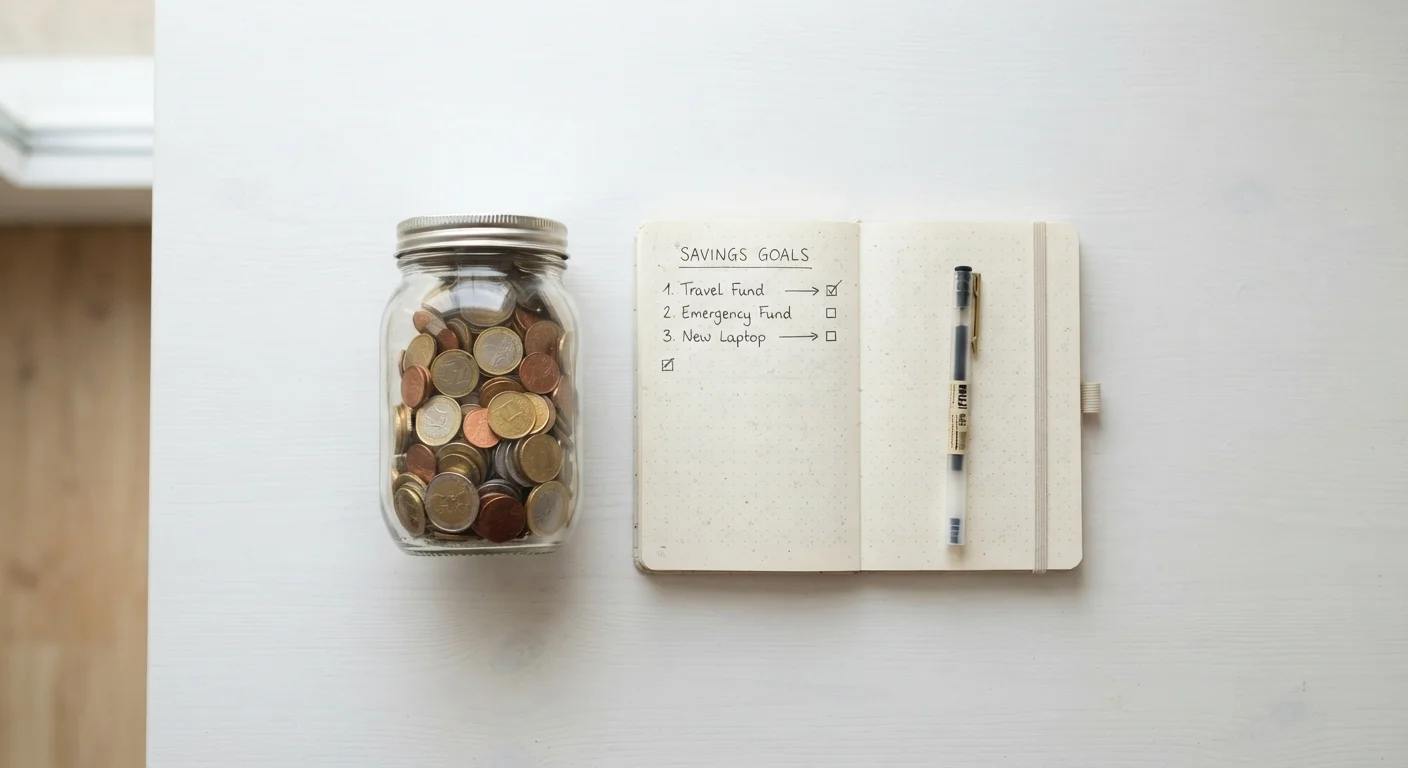
General savings, by contrast, are funds you accumulate for specific, anticipated goals. These might include a summer vacation, a new laptop, a wedding contribution, or home furnishings. The key distinction: you know these expenses are coming, even if not the exact timing. You can plan for them methodically.
Understanding this difference prevents one of the most common savings mistakes - raiding your emergency fund for planned spending, and then having nothing left when a real crisis hits. See our guide to short- and long-term savings goals for help structuring multiple goals at once.
| Criterion | Emergency Fund | General Savings |
|---|---|---|
| Purpose | Cover unplanned urgent expenses | Fund known, anticipated goals |
| When to use it | Only in a genuine emergency | When the planned goal is reached |
| Typical target size | 3-6 months of essential expenses | Exactly what the goal costs |
| Account access needed | Immediate, penalty-free access | Flexible - depends on timeline |
| Replenishment after use | Must be rebuilt as a priority | Restart saving for the next goal |
| Emotional role | Reduces financial anxiety and risk | Motivates progress toward milestones |
Why Keeping Them Separate Matters
Blending your emergency fund and general savings into one account creates a practical problem: when you need to spend, it's too easy to justify dipping into money that was supposed to stay untouched. Over time, your safety net quietly erodes.
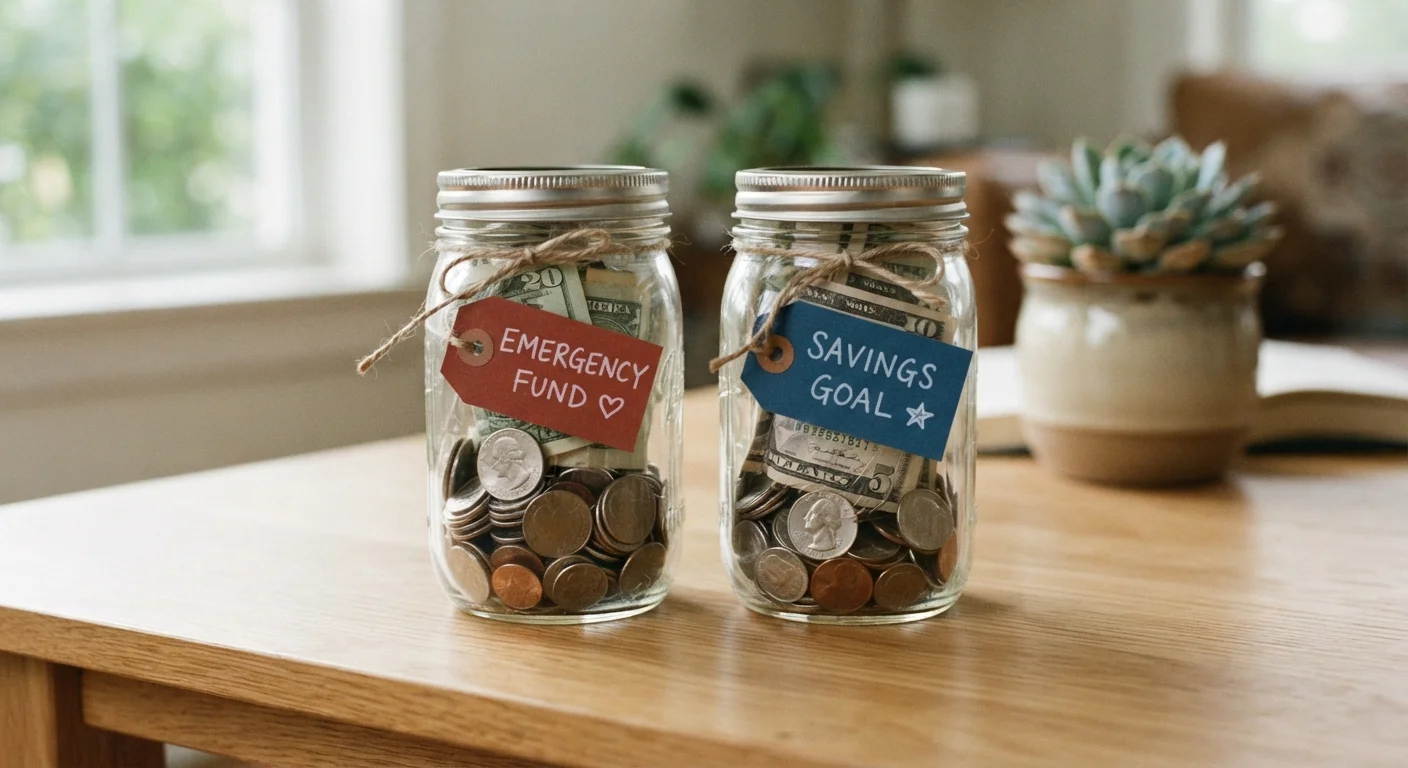
Maintaining two distinct accounts - ideally with clear labels or even separate institutions - creates a psychological and practical boundary. You see at a glance how much protection you have versus how much you've built toward a chosen goal.
3-6 months
Recommended emergency fund coverage
Financial guidance bodies broadly suggest covering three to six months of essential living costs to weather income disruption without debt.
2 accounts
Minimum accounts to separate goals
Keeping your emergency fund and general savings in distinct accounts helps prevent accidental spending of your safety net.
For the emergency fund, a standard account with easy, penalty-free access is generally appropriate - you may need the money quickly. For general savings, you have more flexibility. Depending on your timeline and the account options available to you, you might explore accounts that offer slightly higher returns in exchange for less immediate access. Our plain-language savings accounts guide walks through the common options and what each suits.
For more on how to structure your monthly saving habit, our overview of the 'pay yourself first' approach is worth reading alongside this article.
How Much Do You Need in Each?
A widely cited guideline suggests an emergency fund should cover three to six months of essential living expenses - rent or mortgage, groceries, utilities, transport, and insurance. Those with variable income, freelance work, or dependants may lean toward the higher end of that range. This is general guidance, not a rigid prescription - your personal circumstances shape the right target for you. A qualified financial adviser can help you assess what's appropriate.
For general savings, the target is simply whatever your goal costs, divided by however many months you have until you need it. A €1,200 vacation in 12 months means saving €100 per month. The math is straightforward once you name the goal and the deadline.
If building both simultaneously feels daunting, consider a split-contribution approach: a portion of each month's savings goes toward your emergency fund until it reaches a minimum threshold (say, one month of expenses), and the rest funds a near-term goal. Once the emergency fund is secure, you can rebalance. Our comparison of lump-sum saving versus regular monthly contributions may help you decide which rhythm fits your income pattern.
For a broader review of where your savings currently stand, our annual financial health check offers a structured way to spot gaps and reset priorities.
This article provides general financial information for educational purposes only and does not constitute personalised financial advice. For guidance tailored to your individual circumstances, please consult a qualified, licensed financial adviser.