

Why Nutrition Feels So Confusing
Nutrition advice floods us daily - through social media, packaging claims, podcast hosts, and news headlines. The volume alone creates confusion, but the real problem is that much of what circulates is oversimplified, misrepresented, or taken out of context. Most people are not making bad choices because they lack willpower; they are making uninformed choices because they have been given a distorted picture of how food actually works.
Understanding a few recurring thinking errors can dramatically cut through the noise. If you want to build a solid foundation first, the complete nutrition overview covers everything from macronutrients to daily habits in one place.
Focusing on a single "hero" or "villain" nutrient rather than the overall diet.
Why it happens: Headlines are written around single findings - "fat is bad," "protein is everything" - because they are simple and shareable. This trains readers to evaluate foods by one variable rather than the whole.
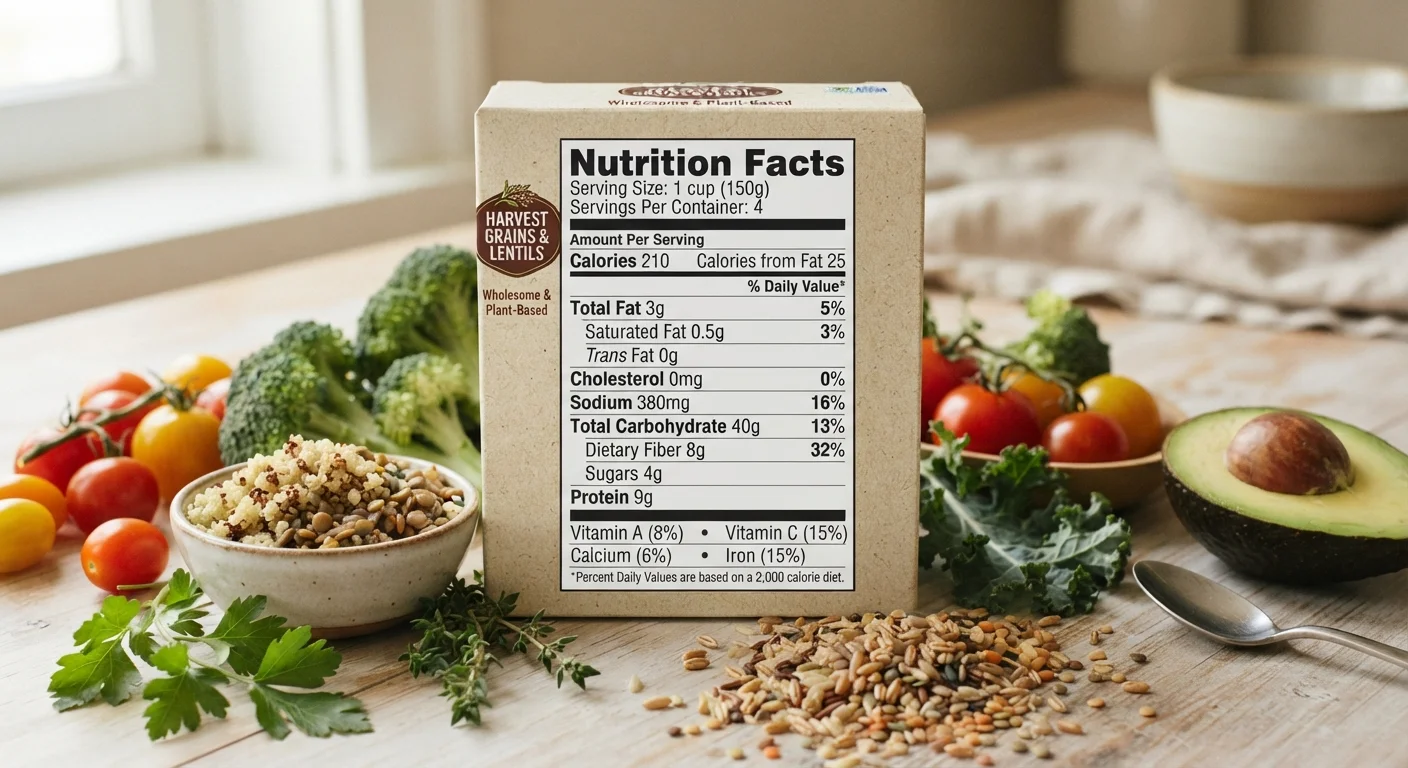
Misreading serving sizes on nutrition labels and applying numbers to the whole package.
Why it happens: Packaging is designed to make products appear lower in calories or sugar. A small drink bottle may list two servings, so the numbers on the label only apply to half the container.
Treating marketing terms like "natural," "clean," or "wholesome" as regulated nutritional claims.
Why it happens: These words appear on packaging in the same visual space as legally regulated claims, so readers understandably assume they carry the same weight.
Treating preliminary or contradictory research headlines as settled dietary guidance.
Why it happens: Early-stage studies are reported as breakthroughs, then quietly contradicted. Readers who follow each story closely end up with a confusing and unstable picture of what is actually known.
Eliminating entire food groups - carbohydrates, fats, or dairy - without understanding the trade-offs.
Why it happens: Popular diet frameworks often frame a single category as the problem. Removing it feels decisive and structured, even when it is nutritionally unnecessary or counterproductive.
The Patterns That Trip People Up Most
The mistakes below are not about individual food choices - they are about the mental frameworks people use when processing nutrition information. Correcting these patterns tends to make the rest of the picture clearer.
~80%
Adults who misread nutrition labels
Research published in nutrition education journals has consistently found that a large majority of consumers misinterpret at least one key element of a nutrition facts panel.
~5%
Adults meeting fibre recommendations
Population surveys across several European countries suggest only a small fraction of adults reach the recommended daily fibre intake, partly because fibre is not a nutrient people actively seek out.
One of the most practical places to apply clearer thinking is the nutrition label itself. Our guide to reading nutrition labels walks through each section without the jargon.
It is also worth remembering that no single food, ingredient, or supplement defines a healthy diet. The case for looking at eating patterns rather than individual items is well supported by current research.
Nutrition Advice Is Not One-Size-Fits-All
General nutrition guidance is a starting point, not a personal prescription. Factors like age, existing health conditions, medications, and activity levels all affect what a balanced diet looks like for an individual. If you are managing a health condition or considering significant dietary changes, consult a registered dietitian or your GP before acting on general information - including anything in this article.
This article provides general nutrition education and is not a substitute for personalised advice from a qualified dietitian or healthcare professional.