

Why Meal Planning So Often Breaks Down
Meal planning is consistently recommended by dietitians as a practical way to support balanced eating, reduce food waste, and lower grocery spending. Yet many people who start with genuine enthusiasm find themselves back to improvised dinners within a week or two. The problem is rarely motivation - it's the approach.
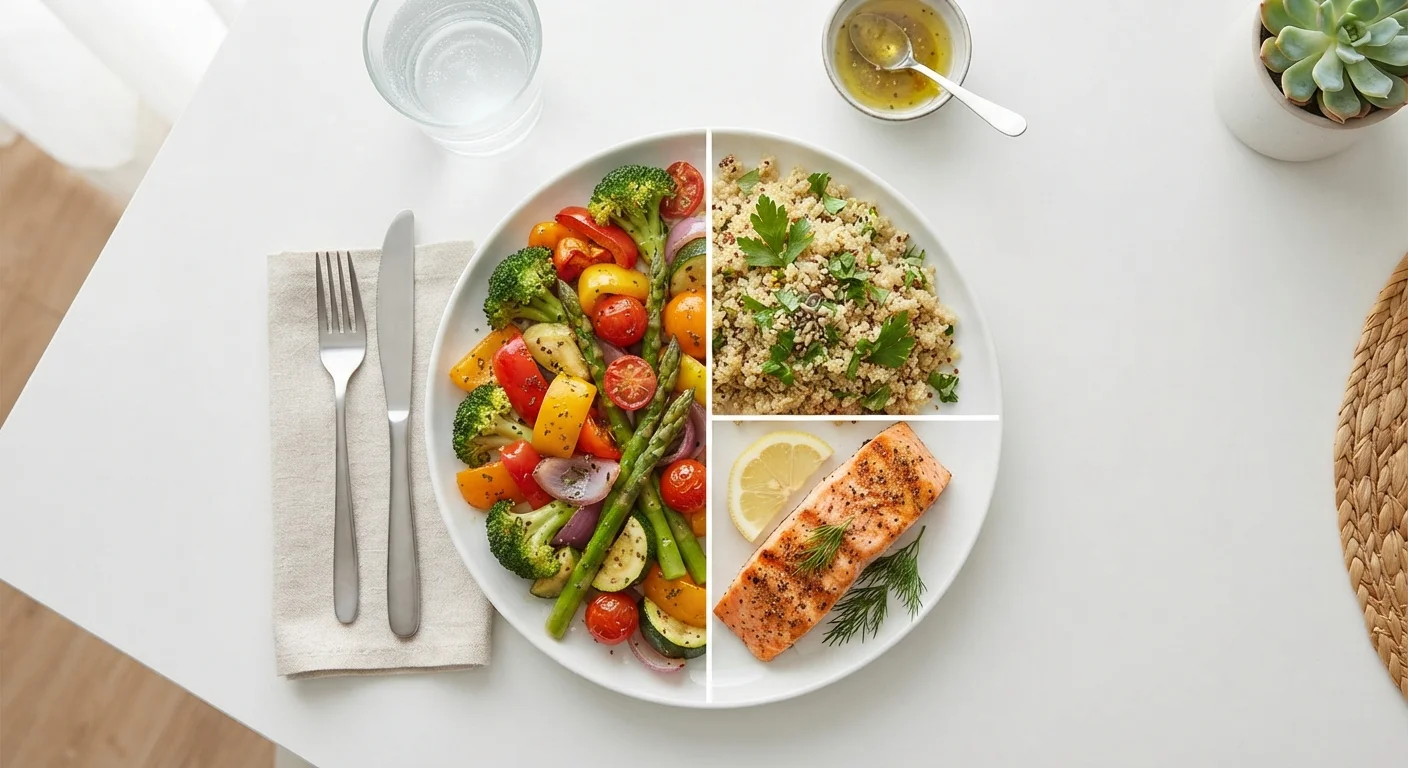
Most meal planning mistakes are predictable and correctable. Understanding why they happen is the first step toward building a system that actually survives contact with a normal, busy week. For a solid nutritional foundation to plan around, see our guide to building a balanced plate.
Planning every single meal for seven days with no room for flexibility.
Why it happens: People equate thoroughness with success, assuming a complete plan signals commitment. In reality, rigid schedules don't accommodate late nights, spontaneous social plans, or simply not feeling like a particular dish.
Choosing recipes that are far too complex or time-consuming for a weeknight.
Why it happens: Planning sessions happen when we're relaxed and optimistic, so ambitious recipes feel achievable. Tuesday at 7 p.m. after a full workday is a different reality entirely.
Ignoring what ingredients you already have before writing the shopping list.
Why it happens: It feels easier to plan from scratch using a recipe app than to audit the fridge and cupboards. But this leads to duplicate purchases, forgotten items that spoil, and avoidable food waste.
Planning without accounting for your household's actual weekly schedule.
Why it happens: Meal planning often happens on a calm Sunday with little thought given to the specific commitments of each coming day - late meetings, kids' activities, or evening classes that realistically leave no cooking time.
Treating a missed day as a reason to abandon the whole plan.
Why it happens: An 'all-or-nothing' mindset is extremely common. If Wednesday's planned meal doesn't happen, the entire week can feel like a failure, triggering a return to fully unplanned eating.
Building a More Resilient Planning Habit
The goal of meal planning isn't culinary perfection - it's reducing daily decision fatigue while keeping nutrition broadly on track. Research in behaviour science consistently shows that simpler systems are more durable than elaborate ones. A plan with three planned dinners and two flexible nights will outlast a rigid seven-day schedule every time.
Avoid Planning Around Perfection
A meal plan designed for an idealised version of your week will fail your actual week. If your plan only works when everything goes smoothly, it isn't really a plan - it's a best-case scenario. Build in slack deliberately: flexible nights, quick backup meals, and acceptance that some days will simply not go as expected.
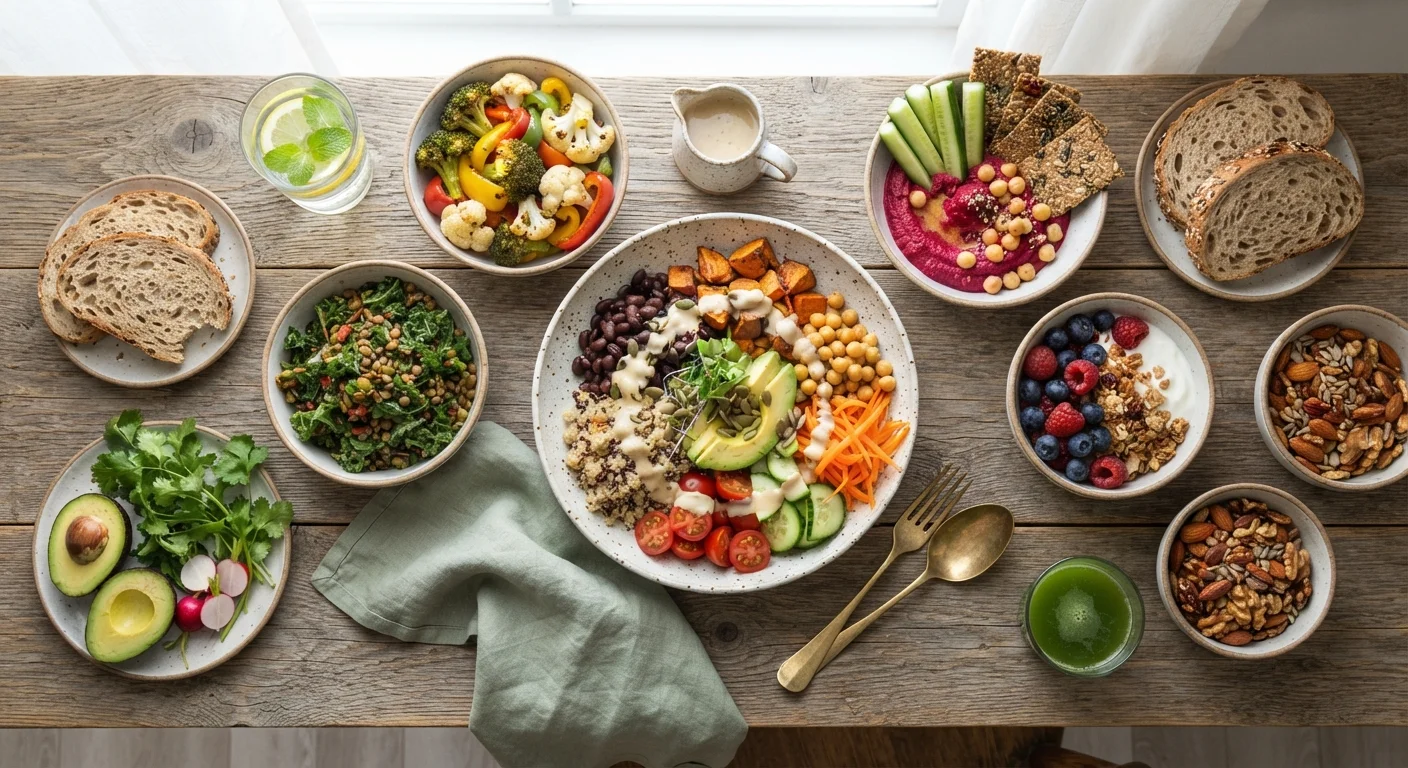
One practical approach: anchor your plan to what you already have. Check your fridge and pantry first, then build around those ingredients. This also directly cuts food waste, which is both an environmental and a household budget concern. If you're navigating the additional complexity of plant-forward eating, our article on plant-based nutritional trade-offs covers where careful planning pays off most.
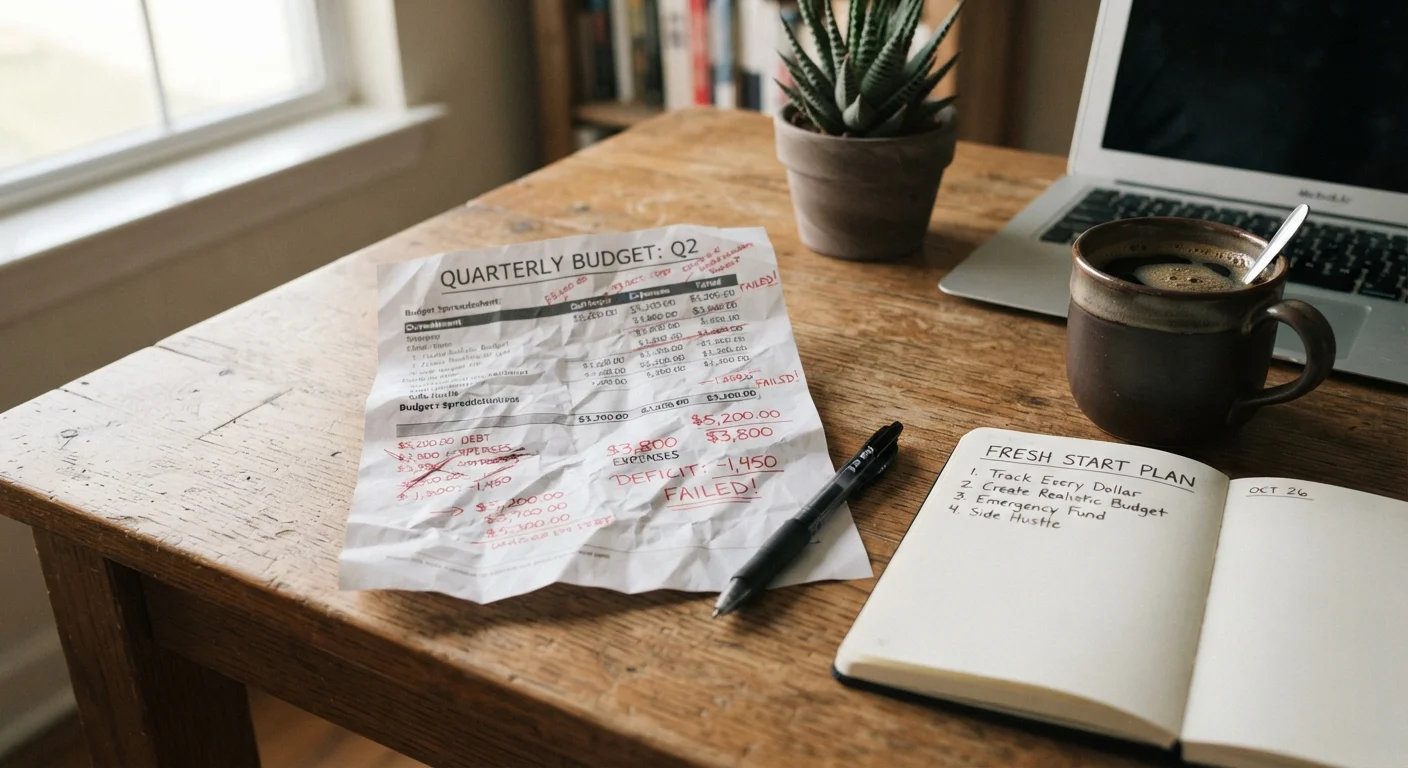
Interestingly, the psychological patterns that derail meal plans often mirror those that undermine financial goals - overconfidence at setup, underestimating friction, and abandoning the system after one slip. If you recognise these patterns in your budget too, our piece on why budgets fail in the second month explores the same dynamics in a different context.
~30%
Household food wasted each week
Estimates from the UN Environment Programme suggest approximately one-third of food produced globally is lost or wasted, with household-level waste being a significant contributor in high-income countries.
~20 min
Ideal weeknight cooking window for sustainability
Behavioural nutrition research consistently finds that meal plans built around shorter, realistic preparation times have meaningfully higher adherence rates than those centred on elaborate recipes.
This article is for general informational purposes only and does not constitute medical or dietary advice. For personalised guidance on nutrition, please consult a qualified healthcare professional or registered dietitian.