
What Plant-Based Eating Actually Means
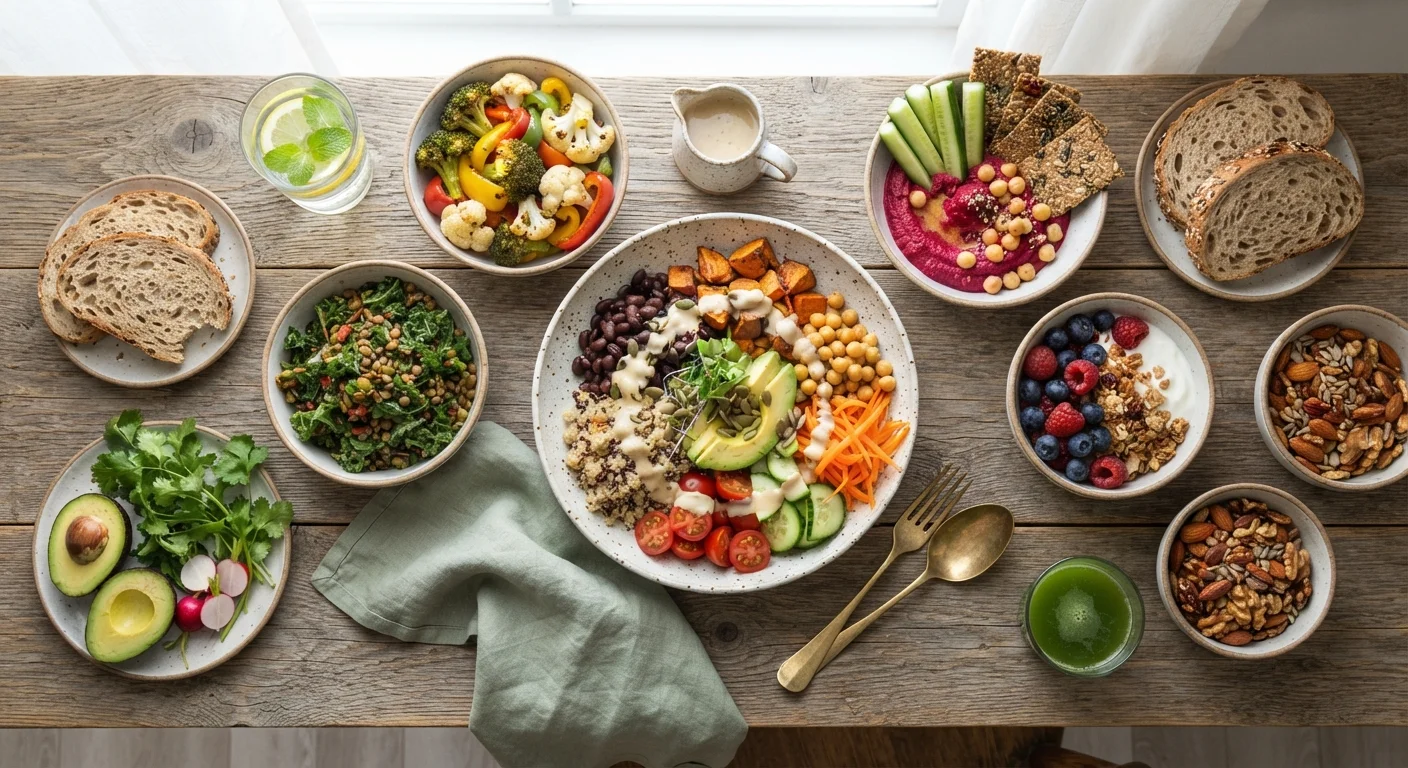
The term "plant-based" covers a wide spectrum - from fully vegan diets excluding all animal products to flexitarian approaches that simply emphasise vegetables, legumes, whole grains, nuts, and seeds while reducing meat and dairy. What unites these patterns is a shift in the proportions on the plate, rather than a strict binary rule.
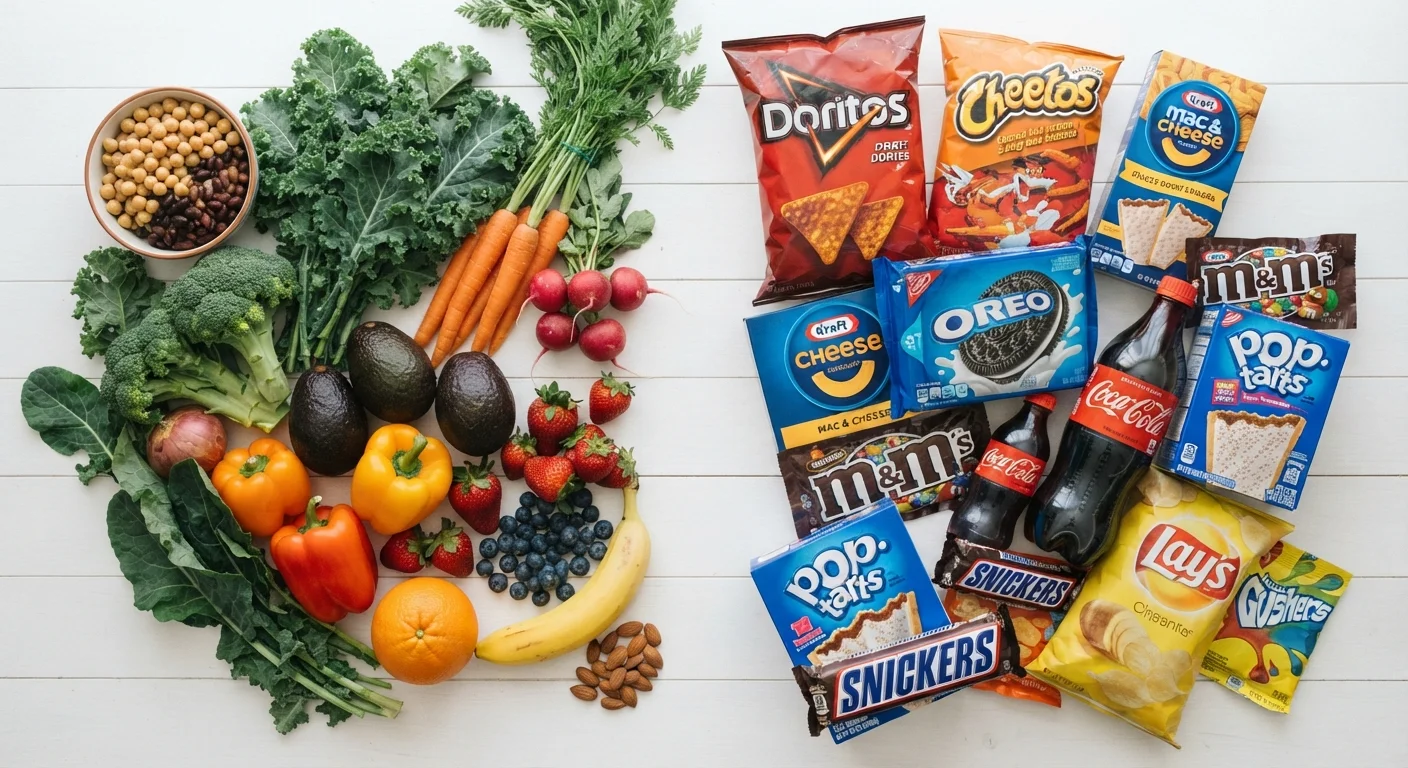
This matters because the nutritional profile of a plant-based diet depends heavily on which plants dominate it. A diet built around whole foods - lentils, leafy greens, oats, tofu, and fruit - behaves very differently from one reliant on processed meat substitutes and packaged snacks marketed as plant-based. For a broader perspective on how whole and ultra-processed foods compare nutritionally, the distinction is worth understanding before evaluating any dietary pattern.
Understanding the trade-offs below assumes a reasonably whole-food approach, since that is where most of the research evidence is concentrated.
The Nutritional Advantages
The health case for plant-heavy eating is well-supported. Diets rich in plants tend to deliver more dietary fibre, antioxidants, and a broader range of phytonutrients than typical omnivorous diets.
Strong evidence for lower cardiovascular disease risk
Plant-based diets are consistently associated with reduced LDL cholesterol levels and lower blood pressure. Research reviews, including those in the Journal of the American Heart Association, attribute this partly to higher fibre and lower saturated fat intake.
High dietary fibre supports gut and metabolic health
Most Western diets fall well short of recommended fibre intake. Plant-heavy eating naturally reverses this, supporting a diverse gut microbiome, improving bowel regularity, and helping stabilise blood sugar responses after meals.
Rich in protective phytonutrients and antioxidants
Fruits, vegetables, legumes, and whole grains supply thousands of biologically active plant compounds - including flavonoids, carotenoids, and polyphenols - associated with reduced inflammation and lower chronic disease risk.
Associated with healthier long-term body weight
Large prospective studies suggest plant-based eaters tend to have lower body mass indexes than comparable omnivore populations, likely reflecting the higher satiety per calorie that fibre-dense foods provide.
~25%
Reduced risk of ischaemic heart disease
A large-scale analysis of UK Biobank data, published in the European Heart Journal, found plant-based diet adherence was associated with approximately a 25% lower risk of ischaemic heart disease.
3-4×
Higher fibre intake vs. typical Western diet
According to nutritional surveys across several European countries, those following whole-food plant-based patterns consume roughly three to four times the average dietary fibre of typical omnivores.
Beyond cardiovascular health, plant-based diets are associated with better weight management outcomes and a reduced risk of type 2 diabetes, according to large observational studies including analyses published in journals such as PLOS Medicine and BMJ. Much of this benefit appears to come from dietary fibre's role in blood sugar regulation and gut microbiome health. For context on how overall eating patterns drive these outcomes - rather than any single food - see why eating patterns matter more than individual foods.
The Nutritional Trade-Offs
No diet is without gaps, and plant-based eating has predictable ones. Being aware of them in advance makes them far easier to manage.
Vitamin B12 is absent from unfortified plant foods
B12 is produced by microorganisms and is reliably found only in animal products. Deficiency develops slowly but can cause irreversible nerve damage - supplementation is considered essential for fully plant-based eaters.
Non-haem iron is less readily absorbed
Plant foods contain non-haem iron, which the body absorbs at a much lower rate than the haem iron in meat. Inhibitors in the same meal (such as phytates in grains) can reduce absorption further, making intentional pairing with vitamin C important.
Long-chain omega-3 fatty acids are hard to obtain
EPA and DHA - the omega-3s most studied for cardiovascular and brain health - are found primarily in oily fish. Plants supply ALA, which the body converts to EPA and DHA only inefficiently.
Zinc and calcium intake require attention
Zinc bioavailability from plant sources is lower than from meat due to phytate binding. Calcium can also fall short when dairy is excluded without adequate replacement from fortified foods or calcium-set tofu.
Iodine is often overlooked
Dairy and seafood are major iodine sources in many populations. Plant-based eaters who avoid both - and who do not use iodised salt - may have inadequate iodine intake, which affects thyroid function.
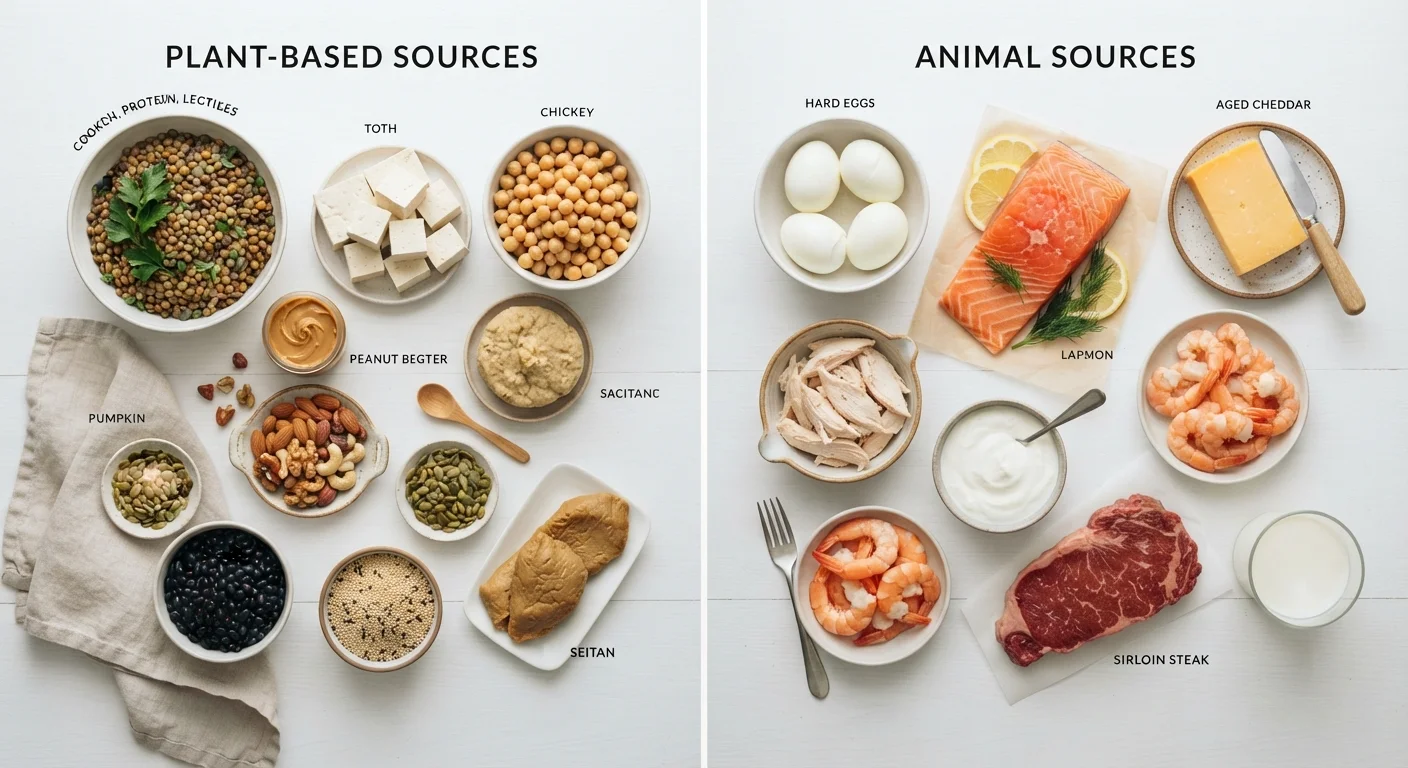
Protein is often the first concern raised, though it is rarely the biggest problem in practice. Most adults eating varied plant diets meet daily protein targets. The more nuanced issue is amino acid completeness - animal proteins naturally contain all essential amino acids, while most plant sources are low in one or more. Eating a variety of sources across the day (legumes, grains, nuts, soy) largely resolves this. For a detailed comparison, plant protein vs. animal protein nutritional differences covers the science clearly.
Vitamin B12: The Non-Negotiable Supplement
Unlike other nutritional gaps that can often be addressed through food choices alone, vitamin B12 cannot be reliably obtained from any unfortified plant food. Deficiency may take years to become apparent, but its consequences - including nerve damage and anaemia - can be serious and sometimes irreversible. Anyone following a fully plant-based diet should discuss B12 supplementation with a healthcare professional rather than relying solely on dietary sources.
Planning Smart: Making the Pattern Work
The nutritional gaps in plant-based diets are real but manageable with a small amount of consistent effort. Vitamin B12 is the one supplement virtually all fully plant-based eaters should take - there is no reliable plant food source of it, and deficiency can cause serious neurological harm over time. Fortified foods (plant milks, nutritional yeast) help but are generally insufficient as a sole source.
For iron and zinc, choosing whole grains and legumes, and pairing them with vitamin C-rich foods to enhance absorption, goes a long way. Omega-3 needs can be partially met through ground flaxseed, walnuts, and chia seeds, though algae-based DHA supplements are worth discussing with a healthcare professional for those avoiding fish entirely.
Building meals around a framework - rather than tracking every nutrient - is a more sustainable approach for most people. Building a balanced plate offers a practical starting point. On busier days, practical nutrition strategies for busy weekdays can help maintain quality without extra effort.
This article is for general informational purposes only and does not constitute medical or dietary advice. Anyone considering a significant change to their diet - particularly those who are pregnant, breastfeeding, managing a chronic condition, or feeding children - should consult a qualified healthcare professional or registered dietitian first.