
Why Sleep Hygiene Matters
Sleep hygiene is a term used in sleep medicine to describe the collection of behaviours, environmental conditions, and mindset patterns that influence how reliably and restoratively a person sleeps. It is not about perfection or rigid rules - it is about understanding which factors consistently work against sleep and adjusting them in a sustainable way.
The stakes are meaningful. Research consistently links poor sleep with impaired concentration, mood dysregulation, weakened immune response, and a higher risk of several chronic health conditions. To understand what your brain is actually doing during those hours of rest, see what happens to your brain while you sleep. Good sleep hygiene will not fix every sleep problem, but for many adults it removes the most common obstacles to rest before anything more clinical is needed.
1 in 3
Adults reporting insufficient sleep regularly
The Centers for Disease Control and Prevention (CDC) have identified insufficient sleep as a public health concern, with surveys indicating a substantial proportion of adults sleep less than recommended.
7-9 hours
Recommended nightly sleep for most adults
The American Academy of Sleep Medicine and Sleep Research Society recommend seven to nine hours of sleep per night for adults aged 18-60 for optimal health outcomes.
5-6 hrs
Approximate caffeine half-life in most adults
Pharmacological data indicates that caffeine's half-life means a 200 mg dose consumed at 3 pm may still contribute roughly 100 mg of active caffeine by 9 pm.
Your Sleep Environment
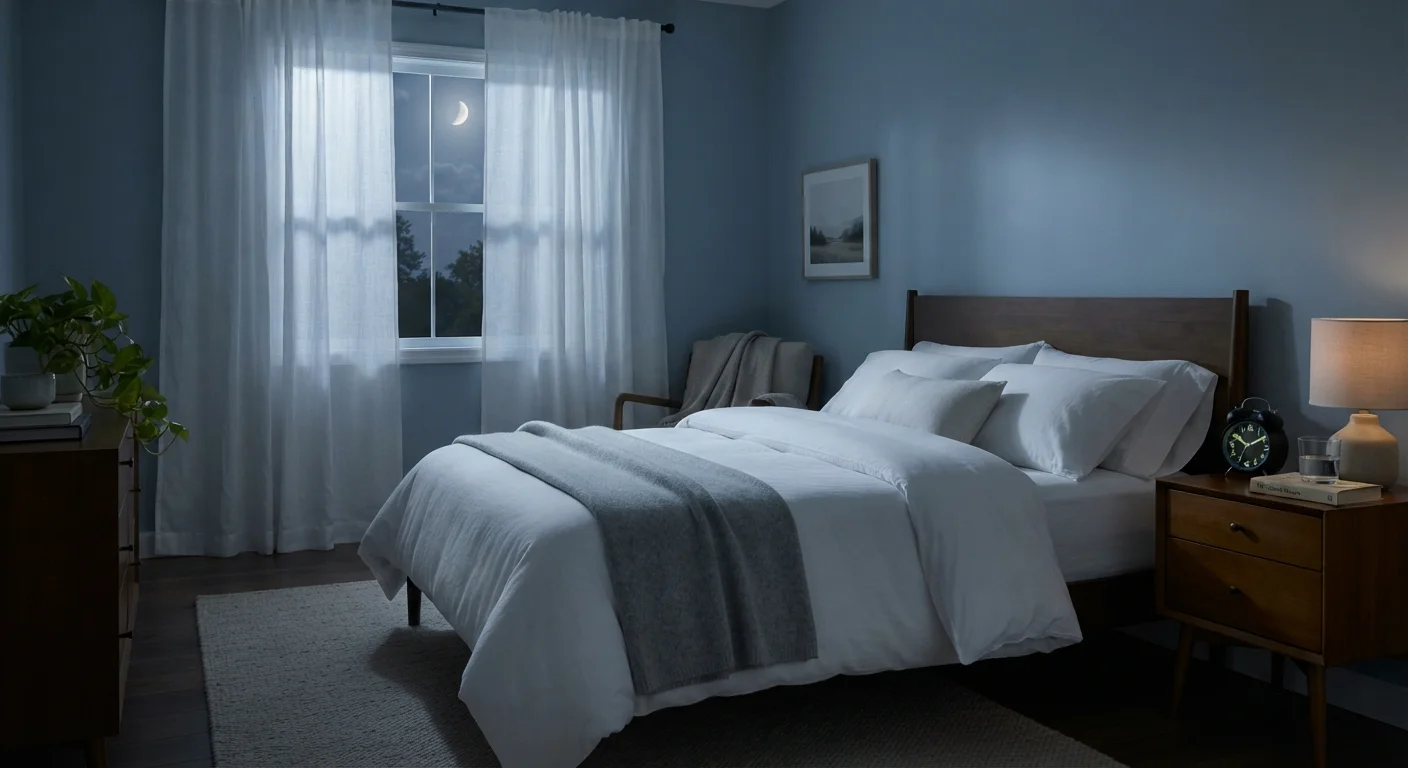
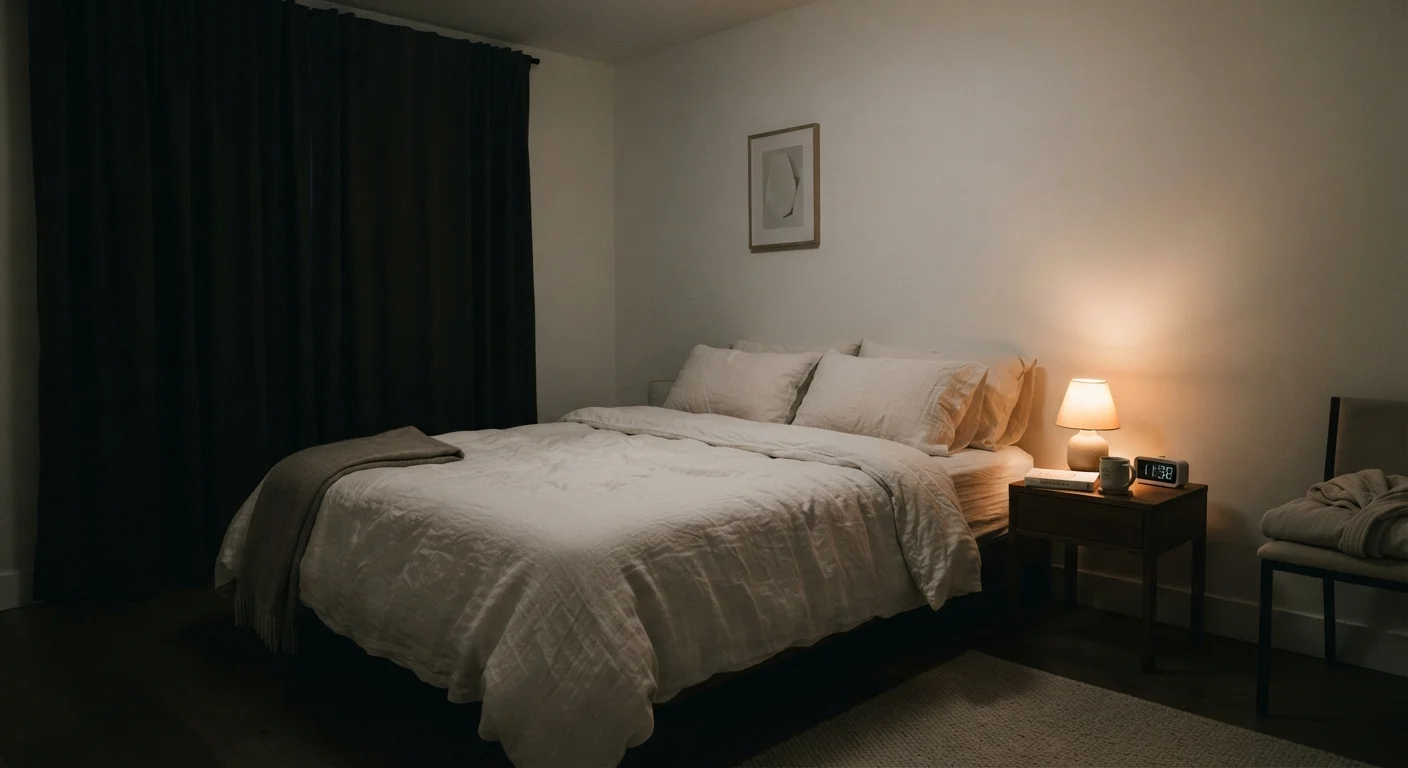
The bedroom environment sends powerful cues to your nervous system about whether it is safe to relax. Three variables dominate the evidence: temperature, light, and sound.
- Temperature: Core body temperature naturally drops as sleep approaches. A cool room - generally in the range of 16-19 °C - supports this process. Excessively warm rooms interfere with the deeper stages of sleep.
- Light: Light suppresses melatonin production, the hormone that signals nighttime to the brain. Blackout curtains or a sleep mask minimise early-morning light intrusion, particularly relevant in summer months.
- Sound: Intermittent noise is more disruptive than constant background noise. If your environment is unpredictably noisy, consistent white noise or earplugs can buffer disruptions without requiring silence.
Reserve the bed for sleep and intimacy only. Using it for work, scrolling, or watching content trains the brain to associate the space with wakefulness - the opposite of what you need.
Make Your Bedroom a Sleep-Only Zone
Avoid using your bed for work, scrolling social media, or watching stimulating content. Even reading emails in bed in the morning can weaken the brain's association between the bedroom and rest. Small boundaries around the space pay off quickly in how quickly and reliably you fall asleep.
Sleep Schedule and Circadian Rhythm
The circadian rhythm is your body's internal 24-hour clock, regulating alertness, hormone release, and body temperature. It is anchored most strongly by your wake time. Setting a consistent alarm - and getting up at the same time regardless of how the previous night went - is widely considered the most impactful single schedule change for adults struggling with irregular sleep.
Going to bed only when genuinely sleepy, rather than at a fixed clock time, also prevents the frustrating experience of lying awake for long stretches. Daytime napping can complement this rhythm if timed well, but poorly timed naps can undermine night sleep. The science of napping explains how duration and timing affect overall sleep quality.
Anchor your schedule to your wake time, not your bedtime. Pick a fixed morning alarm you can sustain every day - including weekends - and let your sleep drive naturally build through the day.
Sleep pressure (adenosine accumulation) is what makes you fall asleep reliably. A consistent wake time regulates this drive and stabilises your circadian rhythm faster than any other single change.
If you lie awake for more than 20 minutes, get out of bed and do something calm in dim light until you feel genuinely sleepy before returning.
Staying in bed while awake and frustrated strengthens the mental association between the bed and wakefulness - a core mechanism that perpetuates chronic insomnia according to CBT-I research.
Pre-Sleep Habits and Wind-Down Routines
The hour or two before bed functions as a transition zone. What you do in this window either prepares your nervous system to downshift or keeps it in alert mode.
Screen use: Devices emit blue-spectrum light that delays melatonin release. Where possible, dim screens or use night-mode settings in the final hour. The content matters too - emotionally stimulating material (news, arguments, suspenseful series) activates the brain in ways that delay sleep onset.
Caffeine and alcohol: Caffeine has a half-life of roughly five to six hours in most adults, meaning an afternoon coffee can still be partially active at midnight. Alcohol may initially feel sedating but disrupts REM sleep in the second half of the night, reducing overall sleep quality. These are among the most common sleep myths - many people underestimate their effect.
Wind-down rituals: A predictable sequence of low-stimulation activities - such as reading physical print, gentle stretching, or a warm shower - cues the brain that sleep is approaching. Consistency matters more than the specific activity chosen.
Nutrition, Exercise, and Sleep
Both what you eat and when you move have measurable effects on sleep architecture - the pattern of light, deep, and REM sleep cycles across the night.
Heavy, rich meals close to bedtime are associated with increased indigestion and fragmented sleep. A light snack is generally better tolerated if hunger is a factor. For broader guidance on building eating habits that support overall wellbeing, the daily nutrition hub offers a useful starting point.
Regular aerobic exercise is one of the most robust lifestyle interventions for sleep quality in the research literature. Timing is less critical than commonly believed - most people can exercise in the early evening without harm - though very intense late-night sessions may delay sleep onset for some individuals. Even moderate daily movement improves sleep depth over time.
Alcohol Is Not a Sleep Aid
Many people use alcohol to wind down, but while it may hasten sleep onset, it significantly disrupts REM sleep in the second half of the night. This results in lighter, more fragmented rest even if total time in bed is adequate. Regular reliance on alcohol for sleep can also increase tolerance and dependency risk.
Mindset and Managing Sleep Anxiety
One of the most underappreciated factors in chronic poor sleep is the anxiety that builds around sleep itself. A difficult night leads to worry about the next night, which activates the stress response, which makes sleep harder - a cycle that can become self-sustaining.
Recognising this pattern is the first step. Strategies rooted in Cognitive Behavioural Therapy for Insomnia (CBT-I) address not just habits but the thoughts and beliefs that perpetuate sleeplessness. This is distinct from medication-based approaches and has a strong evidence base for long-term improvement. For a clear comparison of these two approaches, see CBT-I versus sleep medication.
Broader resilience practices - structured breathing, stress reduction techniques, and social connection - also support the nervous system's ability to downregulate at night. The everyday practices for mental resilience article explores these in practical detail.
“The best bridge between despair and hope is a good night's sleep.”
— E. Joseph Cossman, Author and entrepreneur, widely cited in sleep and wellness literature
When to Seek Professional Support
Sleep hygiene improvements make a meaningful difference for many adults, but they are not a substitute for professional evaluation when a genuine sleep disorder is present. Conditions such as obstructive sleep apnoea, restless legs syndrome, or clinical insomnia disorder require assessment beyond lifestyle adjustment.
Consider speaking with a healthcare professional if you experience persistent difficulty falling or staying asleep for more than a few weeks, excessive daytime sleepiness despite adequate time in bed, loud snoring or witnessed pauses in breathing, or significant distress related to sleep.
Sleep Hygiene Has Limits
Behavioural changes alone may not resolve all sleep problems. Conditions such as sleep apnoea, circadian rhythm disorders, or clinical insomnia disorder require professional diagnosis and may involve specific treatments beyond lifestyle adjustment. Do not delay seeking evaluation if symptoms are persistent, severe, or significantly affecting your daily functioning.
Finally, a well-structured morning can reinforce the gains made through better sleep hygiene. The morning routine guide covers practical steps for the first hour of your day in ways that protect focus and mood.
This article is for general informational purposes only and does not constitute medical advice. If you have concerns about your sleep or health, please consult a qualified healthcare professional.