

Why We Feel the Urge to Nap
The post-lunch slump is not simply a matter of eating too much. Human alertness follows a natural two-phase rhythm driven by the circadian system, with a predictable dip in the early-to-mid afternoon - typically between 1 p.m. and 3 p.m. - regardless of meal size. Many cultures have historically built rest into this window, and research suggests this pattern has a biological basis rather than being purely habitual.
This dip in alertness is also shaped by sleep pressure - the gradual build-up of adenosine, a chemical in the brain that accumulates the longer we stay awake. A short nap temporarily clears some of this pressure, producing the restored, sharper feeling many people experience afterwards. To understand what is happening in the brain during sleep more broadly, see our article on what your brain does while you sleep.
The Case for Napping: Real Benefits
When used correctly, napping has a meaningful, evidence-supported impact on several aspects of cognitive and physical performance.
Improves alertness and reaction time quickly
Studies show a 10-20 minute nap can restore levels of alertness comparable to a full night's additional sleep in mildly sleep-deprived individuals. Reaction time and accuracy on attention tasks improve measurably.
Supports memory consolidation
Brief sleep appears to replay and stabilise newly learned information, a process linked to hippocampal activity. Research from institutions including the Max Planck Institute suggests even short sleep episodes can benefit memory encoding.
Reduces feelings of stress and mental fatigue
A short rest period can lower subjective feelings of tension and emotional reactivity, helping to reset mood in the second half of the day without the dependency risks associated with stimulants.
Useful for shift workers and irregular schedules
For people working nights or rotating shifts, strategic napping is one of the few evidence-based tools for managing unavoidable sleep disruption and maintaining safe levels of alertness on the job.
10-20 min
Optimal nap duration for alertness
Research published in the journal Sleep consistently identifies this window as producing the greatest alertness benefit with minimal sleep inertia risk.
~34%
Improvement in alertness after a NASA nap study
A NASA study of military pilots found a 40-minute nap improved performance by 34% and alertness by 100% compared to no-nap controls.
These benefits are most reliably achieved with short naps of 10-20 minutes, sometimes called "power naps." At this duration, the brain enters light sleep stages without descending into deep slow-wave sleep, meaning you can wake feeling refreshed rather than disoriented. Research published in journals including Sleep has consistently shown this window delivers the strongest ratio of benefit to disruption risk.
The Case Against: When Napping Backfires
Napping is not universally beneficial. Several well-documented downsides mean it requires some care.
Sleep inertia from longer naps causes grogginess
Naps exceeding 30 minutes are more likely to tip into slow-wave (deep) sleep. Waking from this stage produces sleep inertia - a period of impaired alertness and cognition that can last 15-30 minutes and temporarily worsen performance rather than improve it.
Late naps disrupt nighttime sleep onset
Napping in the late afternoon or evening reduces the accumulated sleep pressure needed to fall asleep at a regular bedtime, shifting sleep timing and potentially fragmenting nighttime rest.
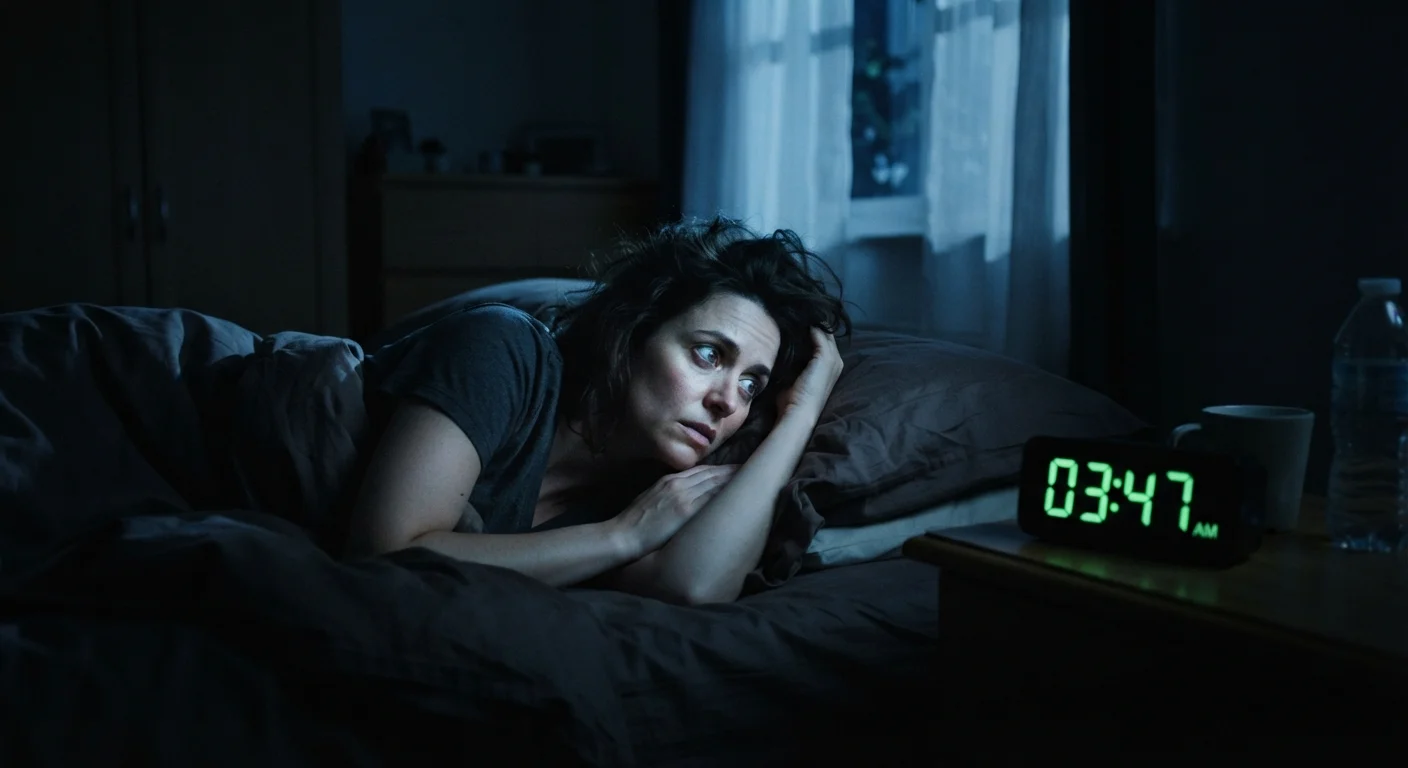
Counterproductive for people with insomnia
Sleep medicine broadly advises against daytime napping for individuals with chronic insomnia, as it erodes the drive to sleep at night - undermining one of the key mechanisms used in cognitive behavioural therapy for insomnia (CBT-I).
Masks rather than solves chronic sleep debt
Regular reliance on naps to feel functional may indicate that nighttime sleep is chronically insufficient. Napping alleviates symptoms but does not replicate the full restorative processes - including hormonal regulation and immune function - that occur during nighttime sleep.
For those already struggling with nighttime sleep, the guidance from sleep medicine is clear: daytime napping reduces the sleep pressure that drives the urge to sleep at night. This is why sleep hygiene guidelines typically advise people with insomnia to avoid naps entirely while working to consolidate their nighttime sleep. Similarly, if you find yourself relying on daily naps to function, this may signal that your nighttime sleep is insufficient rather than that napping is the solution.
Napping and Chronic Conditions
For older adults, frequent and prolonged napping has been associated in some observational studies with increased cardiovascular risk, though researchers note this may reflect underlying health conditions rather than napping itself causing harm. If you are managing a chronic health condition and want to understand whether napping is appropriate for you, speak with your doctor. This content is general health information and not a substitute for personalised medical guidance.
Timing, Duration, and Practical Guidance
Getting the most from a nap comes down to two variables: when and how long. Aim for the early-to-mid afternoon window aligned with your natural circadian dip. Napping after 3 p.m. significantly increases the likelihood of interfering with your ability to fall asleep later - a pattern explored in depth in our piece on behaviours that make it harder to fall asleep at night.
For duration, the 10-20 minute range is the most practical target for most adults. Some research points to a 90-minute nap - encompassing a full sleep cycle - as another workable option, since it allows you to wake at the end of a cycle rather than mid-stage, reducing grogginess. However, this length carries a greater risk of disrupting nighttime sleep and is a longer commitment for most working schedules.
A few practical strategies worth considering:
- Set an alarm to avoid overshooting your target duration.
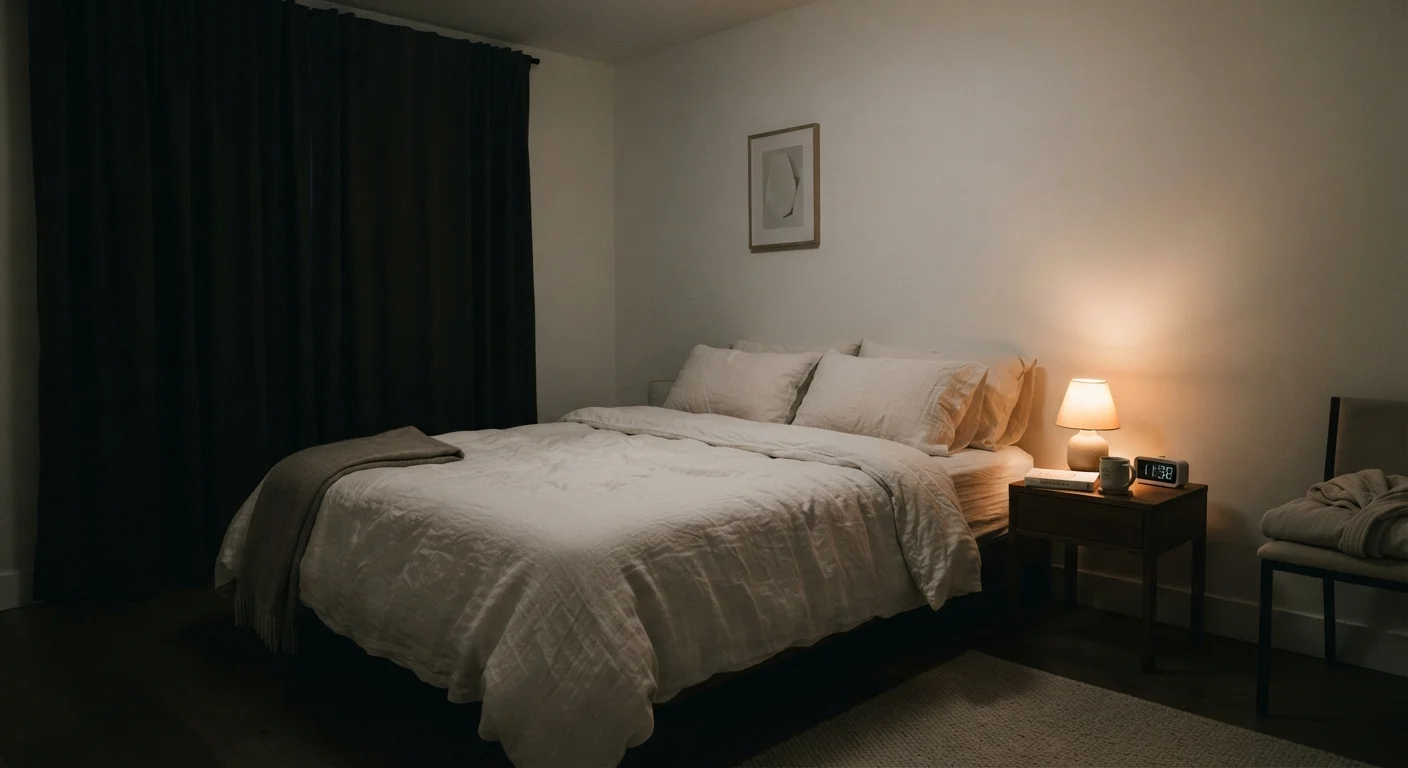
- Find a cool, dark, and quiet environment if possible - the same factors that support nighttime sleep also support nap quality, as discussed in evidence-informed evening wind-down habits.
- If you feel groggy after waking, gentle movement or exposure to natural light can help clear the fog.
- If you have a diagnosed sleep disorder or chronic insomnia, consult a healthcare professional before incorporating regular napping into your routine.
This article is for general informational and educational purposes only and does not constitute medical advice. If you have concerns about your sleep or a sleep disorder, please consult a qualified healthcare professional.