

What Happens in Your Body When You Sit for Hours
When you sit for an extended period, your muscles - particularly the large ones in your legs and core - become largely inactive. Within minutes, electrical activity in these muscles drops significantly. This inactivity slows the rate at which your body processes blood sugar and fats, placing extra demand on your metabolic system.
Research published in journals such as Diabetologia and the British Journal of Sports Medicine has consistently linked prolonged sedentary time to reduced insulin sensitivity, elevated blood lipids, and increased markers of inflammation. These are not merely abstract numbers - they reflect real physiological shifts that accumulate over time with habitual inactivity.
Circulation also slows. Blood can pool in the lower limbs, which may contribute to swelling, varicose veins, and in serious cases, increased risk of deep vein thrombosis, especially during very long uninterrupted periods such as long-haul travel.
9+ hrs
Average daily sitting time for desk-based workers
Studies from multiple European countries estimate office workers sit for nine or more hours per day, including commuting and leisure screen time.
~25%
Higher risk of cardiovascular disease linked to high sitting time
A meta-analysis published in the Annals of Internal Medicine found that high sedentary time was associated with approximately a 24% greater risk of cardiovascular disease, independent of physical activity levels.
Every 30 min
Recommended frequency for movement breaks
Public health guidelines from bodies including the World Health Organization recommend breaking up prolonged sitting approximately every 30 minutes with brief movement.
Beyond the Back: The Wider Health Picture
Most people associate sitting with back and neck pain, and that connection is real. But the research paints a broader picture. Large-scale observational studies have found associations between high amounts of daily sitting and elevated risk of type 2 diabetes, cardiovascular disease, and certain cancers - independent of whether a person exercises regularly.
Mental health is also part of the equation. Studies suggest that prolonged sedentary behaviour is associated with higher rates of anxiety and depressive symptoms. The mechanisms are still being explored, but reduced physical movement is thought to affect mood-regulating neurochemicals and limit exposure to natural light and social interaction for those working from home.
“Sedentary behaviour research has clearly shown that too much sitting is not the same as too little exercise. They are related but distinct health risks, and we need strategies that address both.”
— Dr. Neville Owen, Senior Research Fellow, Baker Heart and Diabetes Institute, Australia; leading researcher in sedentary behaviour science
It is important to note that most of this evidence comes from observational studies, which show associations rather than direct cause-and-effect relationships. However, the consistency of findings across populations and study types makes the case for taking sedentary time seriously - even at a general health awareness level.
Why Regular Exercise Alone May Not Be Enough
One of the more counterintuitive findings in sedentary behaviour research is that people who meet recommended levels of physical activity can still experience negative effects if the rest of their day is predominantly sedentary. This has led some researchers to describe prolonged sitting as an independent risk factor - separate from the benefit provided by exercise.
Think of it this way: an hour at the gym followed by seven or eight hours of sitting is meaningfully different from the same workout combined with regular movement throughout the day. Both are better than no exercise, but the distribution of activity over the whole day appears to matter.
Make Movement Part of Your Work Routine
Try pairing movement breaks with existing habits - stand up every time you answer the phone, or do a short walk before or after video calls. Habit-stacking makes it easier to stay consistent without relying on willpower alone. Even two to three minutes of light movement every hour adds up meaningfully over a full workday.
This does not mean structured exercise is unimportant - it remains one of the most well-evidenced health behaviours available. But it does suggest that how we move (or don't move) across the full day deserves equal attention.
Small Breaks, Meaningful Difference
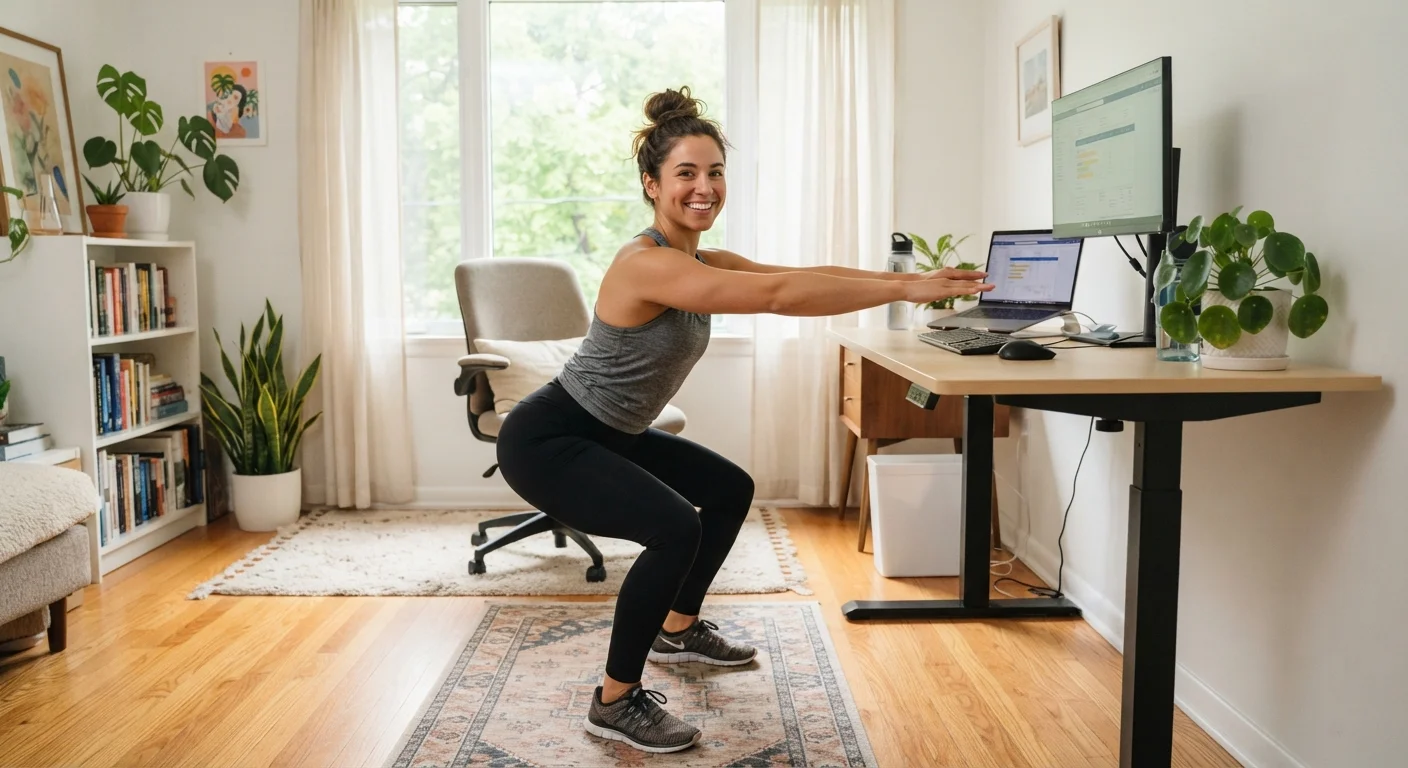
The good news is that interrupting sitting time does not require a gym, special equipment, or large blocks of time. Short, light-intensity movement breaks - standing up, walking to get a glass of water, doing a few gentle stretches - have been shown in studies to improve blood sugar regulation and reduce markers of cardiovascular strain compared to uninterrupted sitting.
These micro-habits are sometimes called 'movement snacks', and they are increasingly supported by health researchers as a practical strategy for desk-based workers. For a deeper look at how to build this habit, see our guide to movement snacks.
Setting a timer to stand every 45 minutes, taking calls while walking, or using stairs when possible are all low-barrier ways to reduce uninterrupted sitting. Consistency over time matters far more than any single session.
This article provides general health information and is not a substitute for personalised medical advice. If you have specific health concerns related to inactivity or sedentary work, please consult a qualified healthcare professional.