
More Than a Gathering
Stand in any busy train station and you're surrounded by people - but no community exists there. Everyone has a destination; no one has a shared purpose. The station crowd dissolves as quickly as it assembles. A community, by contrast, persists. It has memory, norms, and a felt sense of 'us.'
Sociologists have spent more than a century trying to pin down exactly what creates that 'us.' The German sociologist Ferdinand Tönnies drew an influential early distinction between Gemeinschaft (community - organic, emotionally bonded) and Gesellschaft (society - rational, transactional). His framework, introduced in 1887, still echoes in contemporary debates about what genuine community requires.
Most modern definitions converge on three ingredients: a sense of shared identity, some form of mutual interdependence, and sustained interaction over time. Remove any one of them, and what remains is a network, an audience, or a market - not a community.
“Community is not a place, a building, or an organization; nor is it an exchange of information over the internet. Community is both a feeling and a set of relationships among people.”
— David Chavis, Community psychologist and co-developer of the Sense of Community Index
The Three Pillars: Place, Identity, and Purpose
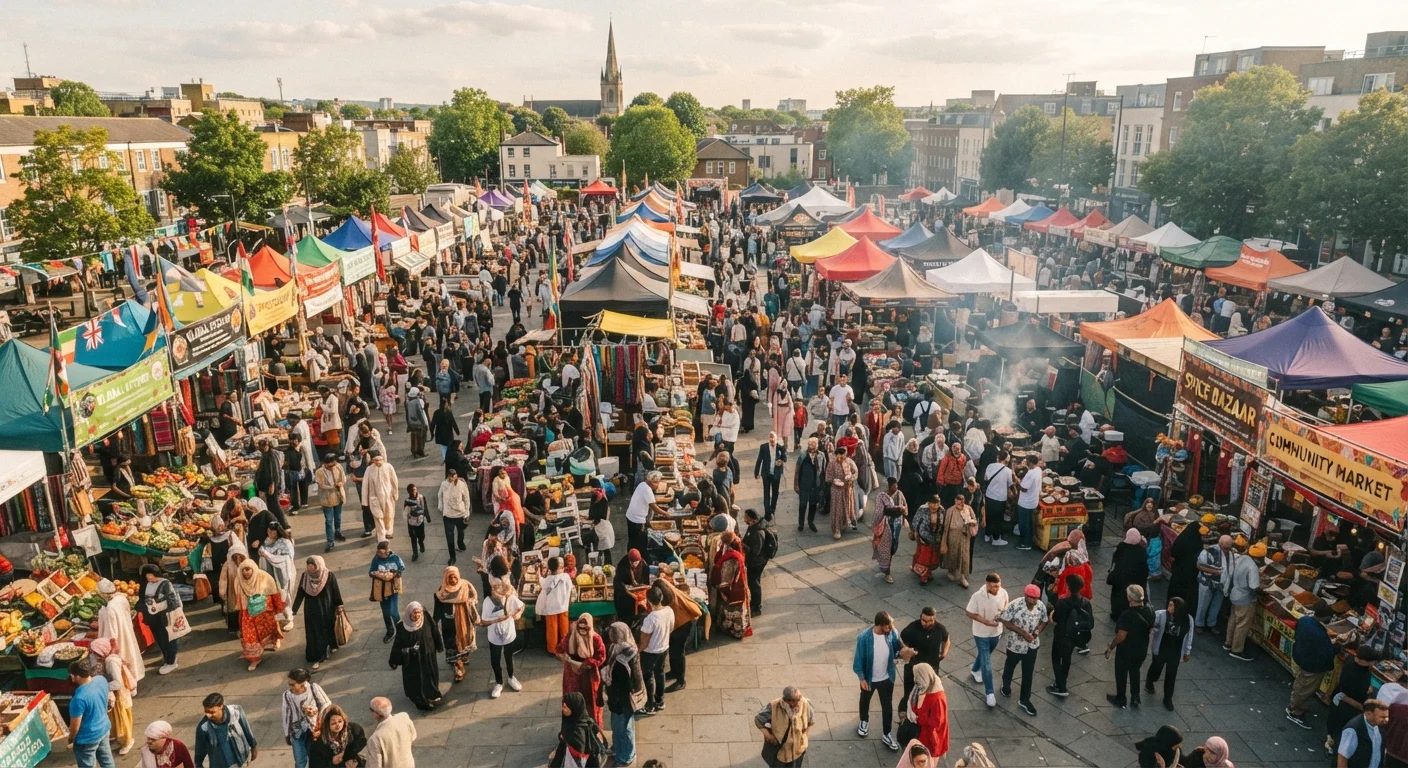
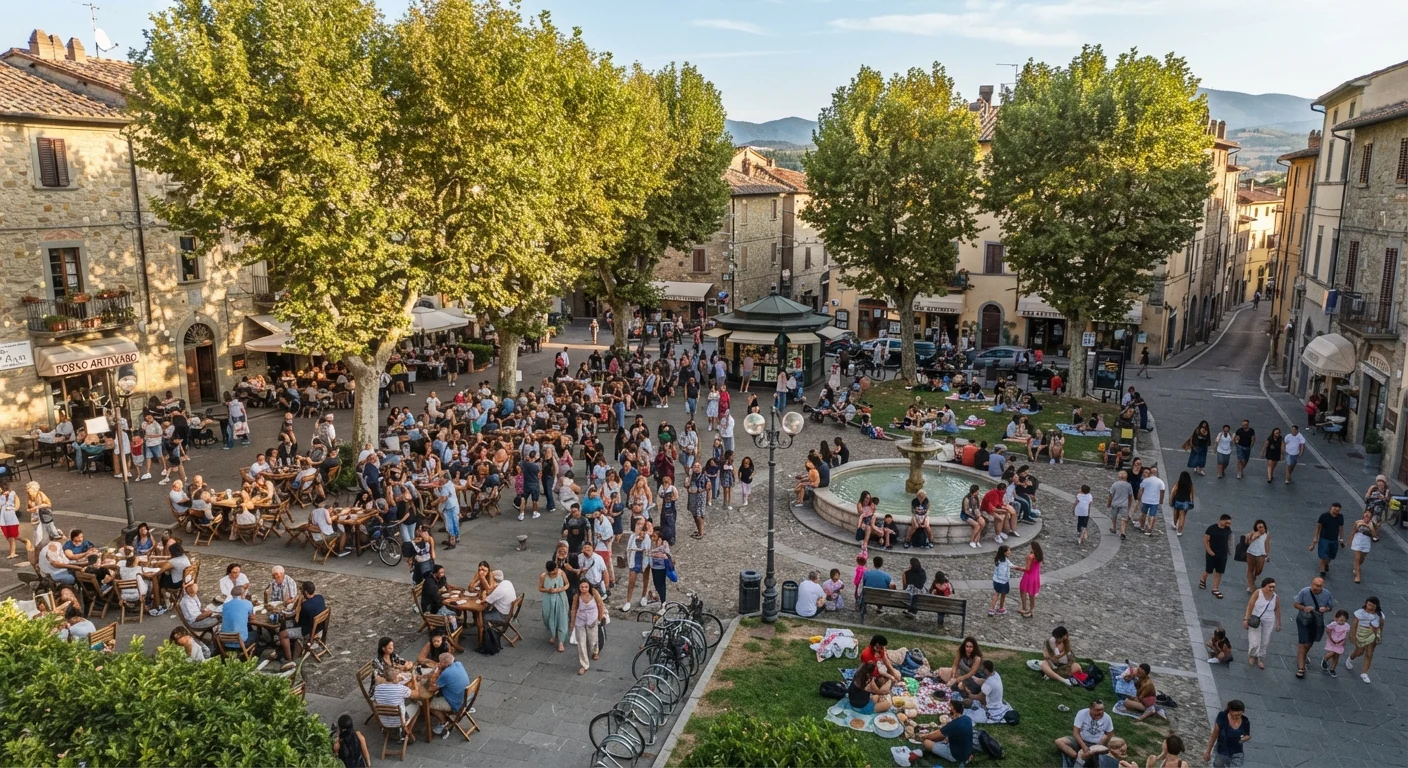
Historically, place was the dominant organising principle. Villages, parishes, and urban neighborhoods created community almost automatically through physical proximity and daily encounter. Neighbors borrowed tools, attended the same ceremonies, and shared a stake in local conditions. That proximity generated trust - and trust generated cooperation.
But place alone was never sufficient, as any resident of a high-rise apartment building knows. Identity matters just as much. When people recognize themselves in one another - through shared language, heritage, profession, belief, or experience - a different kind of bond forms, one that can cross continents. Diaspora communities, faith congregations, and professional guilds all demonstrate that identity can anchor belonging just as effectively as geography. Explore the many forms human communities take around the world for a fuller picture of this diversity.
The third pillar is purpose. Communities organized around a shared goal - a recovery group, a neighborhood watch, a volunteer brigade - often develop the deepest cohesion because members depend on each other in concrete ways. Mutual need accelerates trust.
49%
Americans reporting local community ties as strong
A Pew Research Center survey found that roughly half of U.S. adults described their local community as a place where people look out for one another - with significant variation by community size.
3x
Greater civic participation among community members
Research by sociologist Robert Putnam found that people with strong community ties are roughly three times more likely to vote and engage in civic activities than socially isolated individuals.
64%
Online community members reporting genuine belonging
A study examining online forum participation found that over six in ten active members in long-running online communities reported a strong sense of belonging comparable to offline groups.
What Distinguishes Community from Connection
In an era of social media, the word 'community' gets stretched thin. A brand's follower list, a comment section, a Discord server with ten thousand members - these are routinely called communities, but most lack the defining quality sociologists emphasize: mutual recognition. In a true community, members are aware of each other as individuals, not merely as an undifferentiated audience.
Mutual recognition generates accountability. When you know your neighbors, your teammates, or your fellow congregation members as people with names and histories, you behave differently - and so do they. That accountability is a key driver of the norms and trust that hold communities stable.
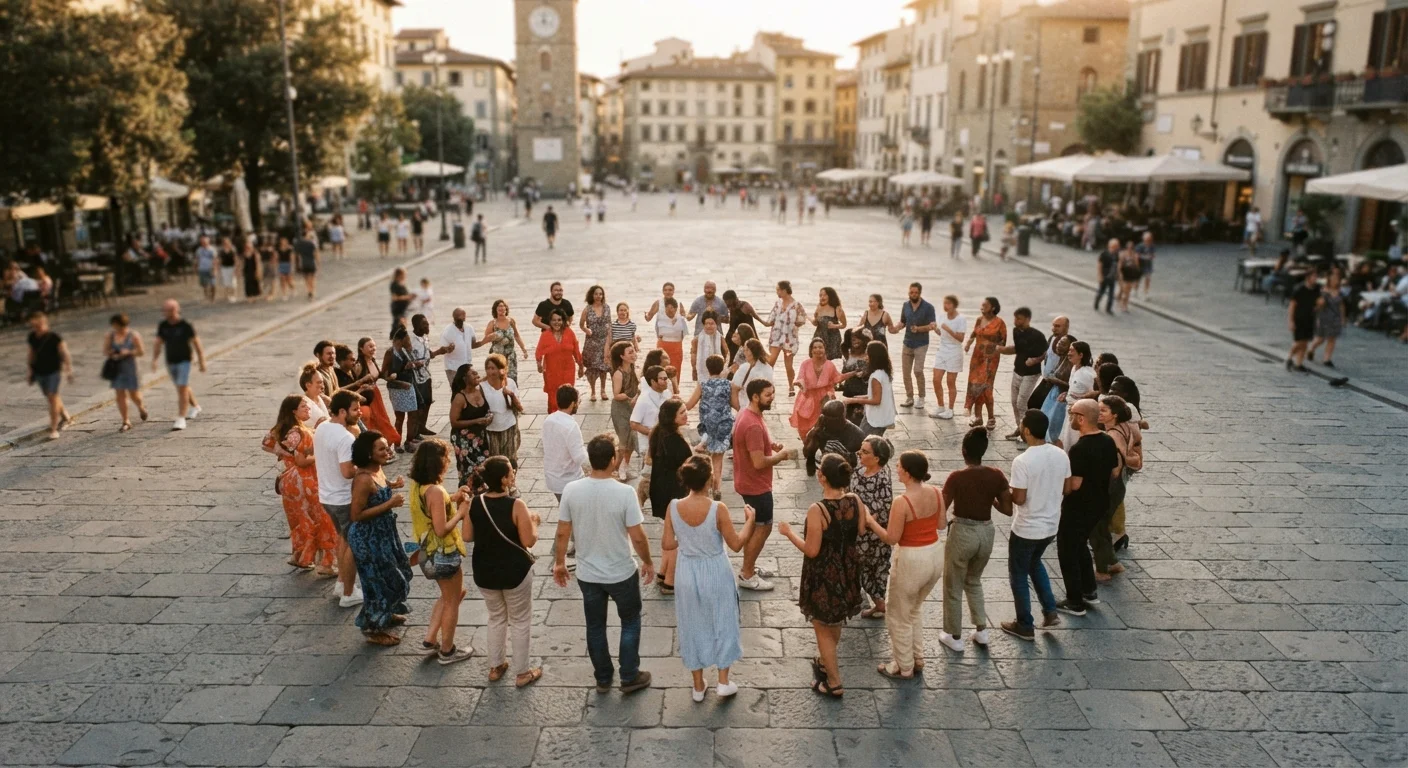
It's also worth distinguishing community from mere affiliation. Millions of people identify as fans of the same sports team, but only those who gather, argue, celebrate, and grieve together in some ongoing way form a community around that identity. Affiliation is a starting point, not the destination.
How Communities Form - and Why They Matter
Communities rarely emerge by design. More often, they crystallize around a catalyst: a shared crisis, a recurring gathering point, a charismatic organizer, or simply enough repeated contact that strangers become familiar faces. Repeated interaction lowers the cost of trust, and lower trust costs make cooperation easier.
That process can be encouraged - public spaces, community centers, local events, and shared digital platforms all create conditions for community formation - but they cannot guarantee it. As research into digital spaces shows, online community-building frequently goes wrong when platform design substitutes for genuine shared purpose.
The stakes are high. Decades of public health research, synthesized in studies by scholars such as Robert Putnam, link community participation to measurable improvements in mental health, civic engagement, and even physical wellbeing. Conversely, community breakdown correlates with social isolation, distrust, and political disengagement.
Understanding what makes a group cohere is not just an academic exercise. It is, increasingly, a practical one - relevant to urban planners, therapists, employers, and anyone who has ever felt the difference between being in a crowd and being among people who know them. Explore why communities fall apart - and what tends to hold them together - to understand the full picture.
Nurturing Community in Everyday Life
Communities strengthen when members invest in small, consistent acts of recognition - learning names, acknowledging contributions, showing up reliably. If you belong to a group that feels fragile, consider whether mutual recognition is present: do members feel seen as individuals? Addressing that gap, rather than adding more members or more platforms, is often the most effective first step.