
From Hustle Culture to Intentional Ease
For much of the 2010s, the dominant cultural message online was grind harder. Hustle culture - the belief that relentless work was both a moral virtue and the surest path to success - saturated social media feeds and self-help content alike. Sleep deprivation was quietly rebranded as dedication. Burnout was reframed as a badge of seriousness.
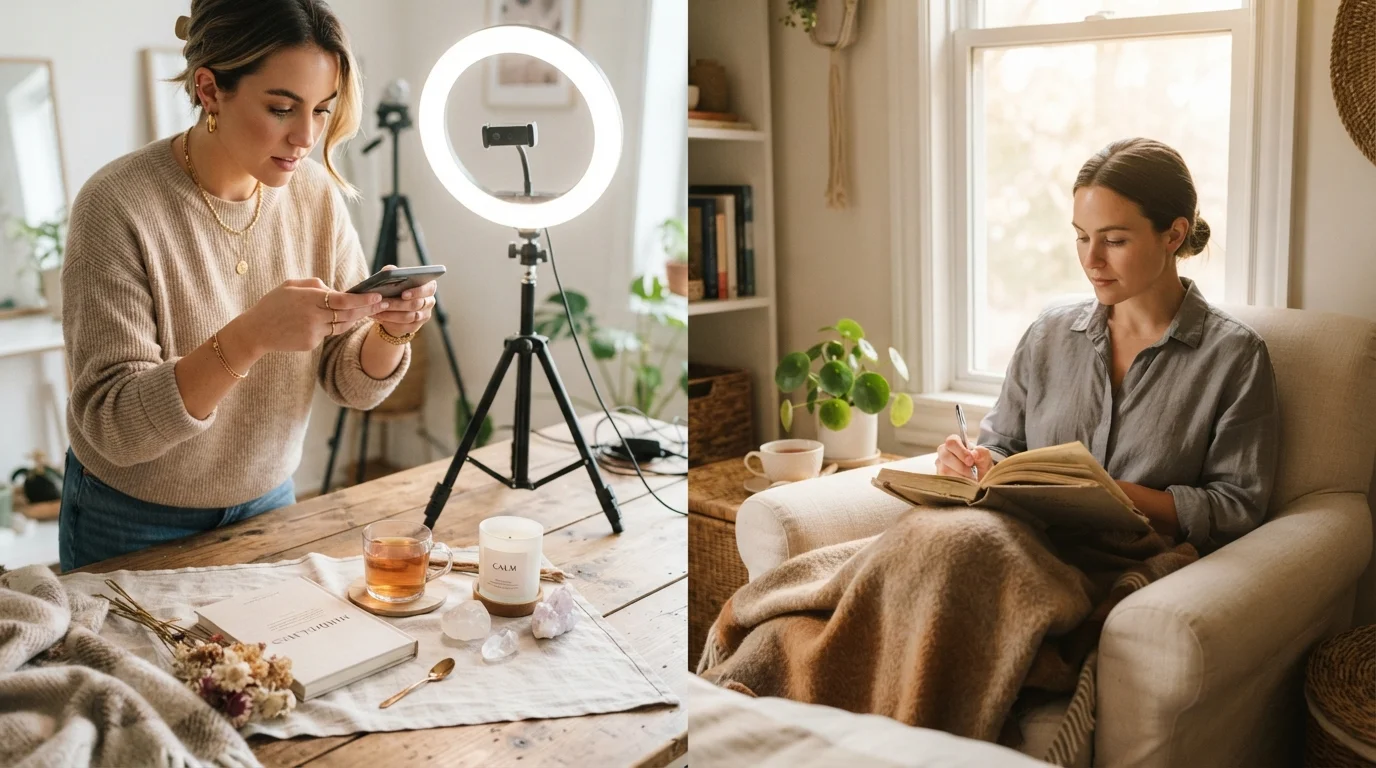
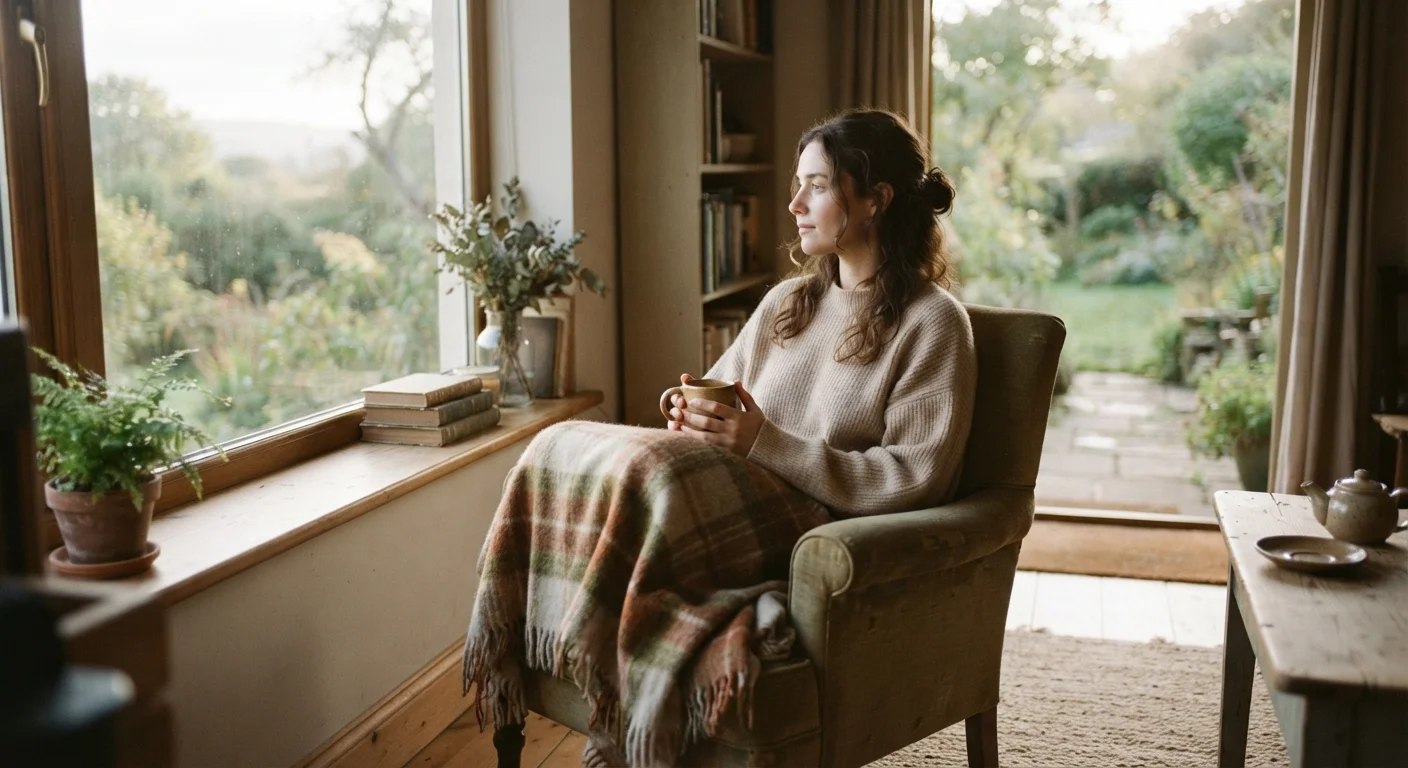
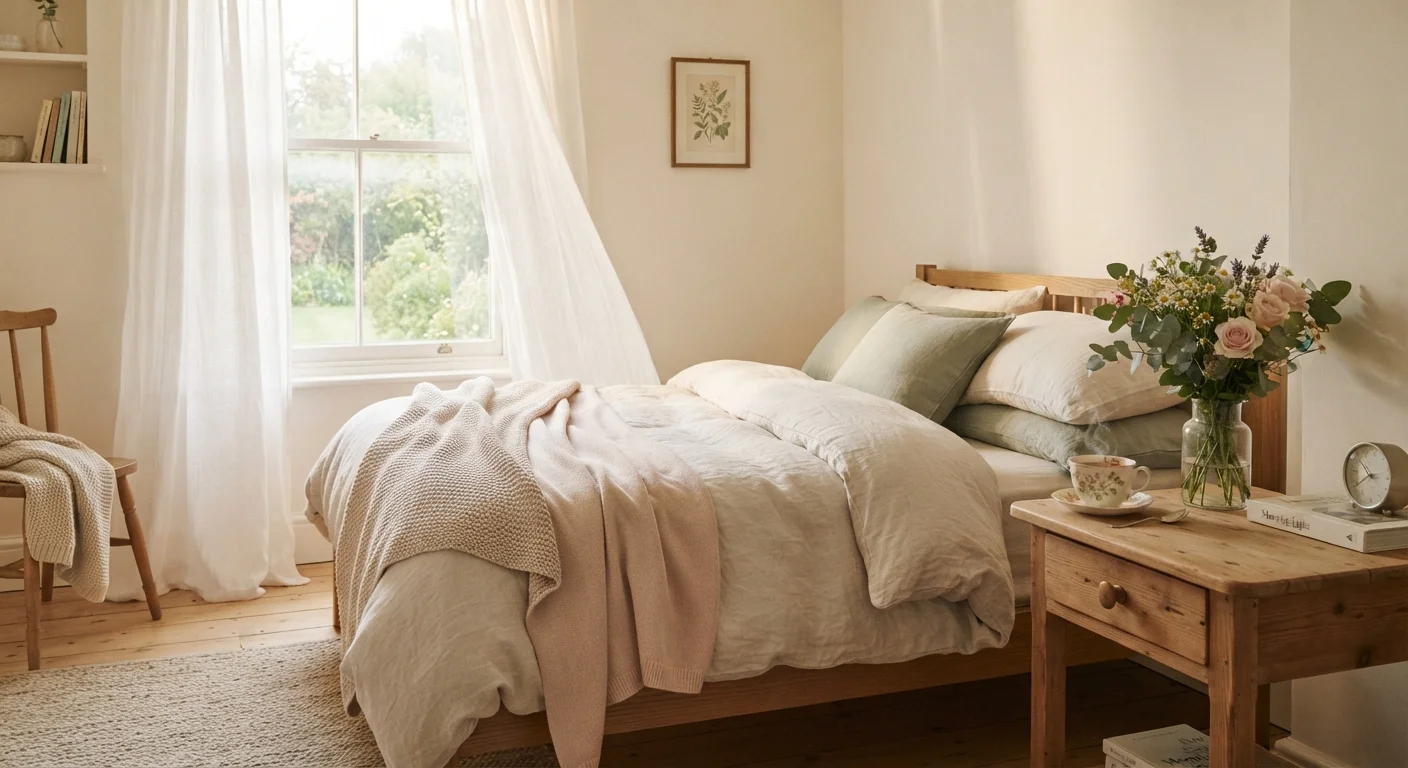
Then, gradually, a counter-current emerged. The "soft life" aesthetic began appearing across Instagram and TikTok - pastel bedrooms, unhurried mornings, cups of tea held with both hands - carrying an implicit argument: this, too, is a valid way to exist. The trend didn't appear from nowhere. It crystallized existing frustrations about overwork and gave them a shareable visual language.
This shift is part of a broader pattern - the enduring durability of certain cultural countermoments, particularly those tied to how people relate to work and identity.
77%
Workers who report experiencing burnout
A Deloitte survey of full-time U.S. workers found 77% had experienced burnout at their current job, with more than half citing it as occurring more than once.
~2.4×
Higher burnout rate for younger workers
Gallup data has consistently shown that Millennials and Gen Z workers report burnout at substantially higher rates than older generations, partly due to economic precarity and digital work culture.
1 in 3
Adults reporting inadequate sleep
The U.S. Centers for Disease Control and Prevention reports that roughly one in three American adults do not consistently get the recommended minimum of seven hours of sleep per night.
Burnout as the Backdrop
The soft life did not emerge in a vacuum. The World Health Organization officially classified burnout as an occupational phenomenon in 2019, describing it as a syndrome resulting from chronic workplace stress that has not been successfully managed. Its symptoms - exhaustion, growing mental distance from one's work, reduced professional effectiveness - describe a condition that surveys have repeatedly found widespread across multiple countries and industries.
Pandemic-era disruptions accelerated these pressures. Remote work blurred the boundary between professional and personal time. Economic uncertainty and job insecurity added to the psychological load. For many people, especially younger workers, the social contract around labor - work hard enough and you'll be rewarded - felt increasingly broken.
The soft life, in this context, functions less as a trend and more as a diagnostic. It names something people were already feeling but lacked a framework to articulate: that choosing rest is not failure, and that the body and mind have legitimate limits.
“Rest is not idleness. It is the foundation of sustained performance, creativity, and health. A culture that treats exhaustion as a status symbol will eventually pay the cost.”
— Christina Maslach, Emerita Professor of Psychology, University of California Berkeley, and pioneering researcher on workplace burnout
The Roots and Reach of the Aesthetic
The phrase "soft life" has roots in West African communities - particularly in Nigeria - where it described an aspiration toward financial ease and comfort, a life free from unnecessary struggle. As it migrated across social media platforms into broader global usage, its meaning expanded and shifted, picking up new connotations around wellness, self-care, and boundary-setting.
This origin matters because it complicates any single narrative about the trend. For some communities, the soft life represents a hard-won departure from generational scarcity. For others - particularly affluent users on aspirational platforms - it can slide toward the purely aesthetic, packaged in expensive linen and curated travel imagery.
That tension between philosophy and aesthetics is worth examining closely. Critics note that when rest becomes a commodity - something sold through linen brands, retreat experiences, and wellness subscriptions - the radical core of the message risks being diluted. This parallels the broader critique explored in discussions of performative wellness versus genuine self-care.
What the Research Suggests About Rest and Recovery
Beneath the aesthetic, the soft life's core claims are broadly supported by well-established research in psychology and occupational health. Setting boundaries on work hours, protecting sleep, and scheduling genuine rest - not passive scrolling, but restorative downtime - are associated with lower rates of burnout, better cognitive performance, and improved emotional regulation.
Psychologists who study recovery from work stress emphasize a concept called "detachment" - the ability to mentally and physically disengage from work demands during non-work time. Studies suggest that workers who achieve this detachment report greater life satisfaction and are less likely to develop chronic stress symptoms. In other words, the soft life, stripped of its social media packaging, describes something that occupational health researchers have recommended for decades.
For readers curious about how deliberate rest fits into broader mental health maintenance, everyday practices that strengthen mental resilience offers evidence-grounded context on sustainable habits.
Practicing the Philosophy Without the Aesthetic
The core of the soft life doesn't require purchasing anything. Start by identifying one recurring demand - a meeting, a task, a social obligation - that costs more energy than it returns, and ask whether a boundary is possible. Building in even 20 minutes of genuine, screen-free downtime daily is more aligned with the research on recovery than any curated image suggests.