
How Each Method Works
Despite sharing the same goal - intentional spending - zero-based budgeting and percentage-based budgeting operate very differently.
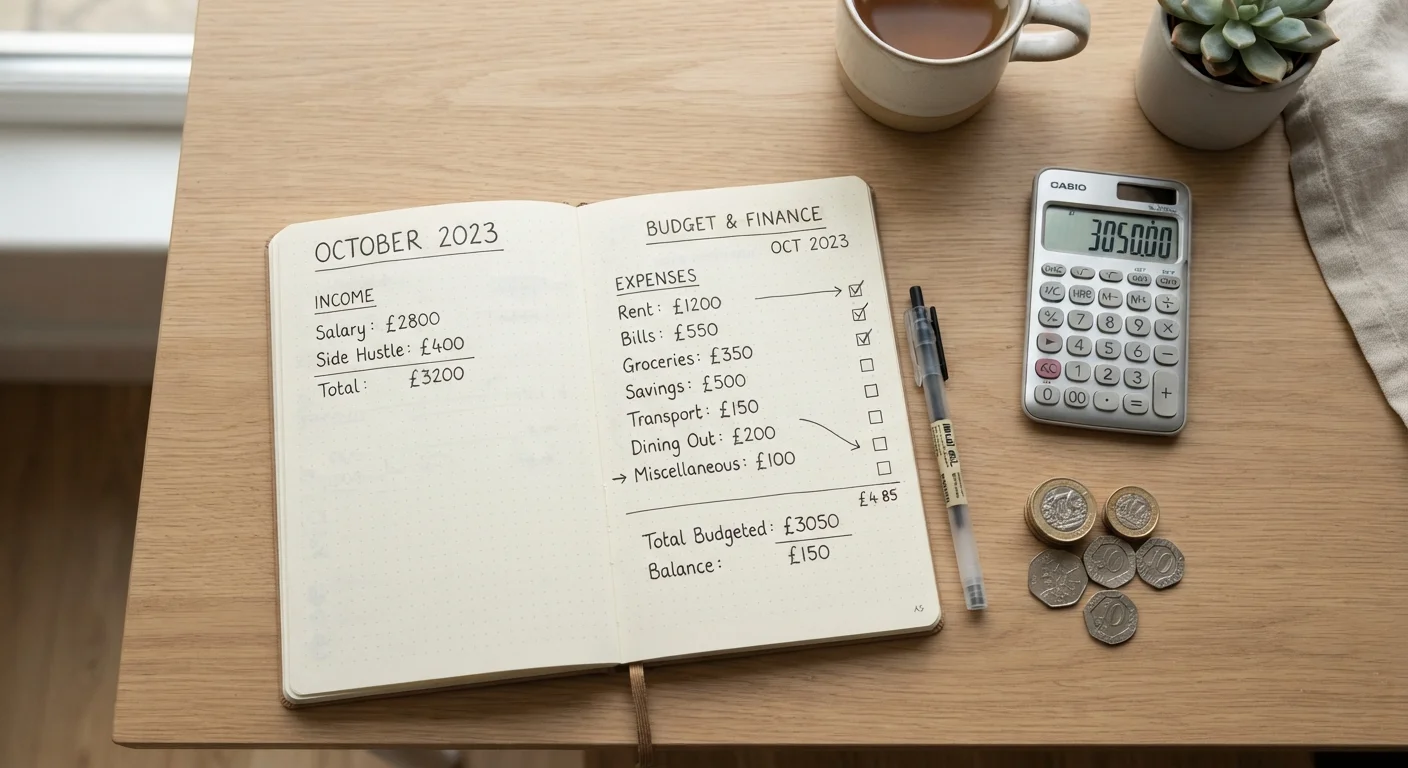
Zero-based budgeting starts fresh each month. You list your expected income, then assign every euro to a specific category - rent, groceries, savings, debt repayment, entertainment - until the remaining balance is zero. Nothing is left unassigned. If your income or expenses shift, you rebuild the plan. This method is described in depth in the practical overview of budgeting approaches.
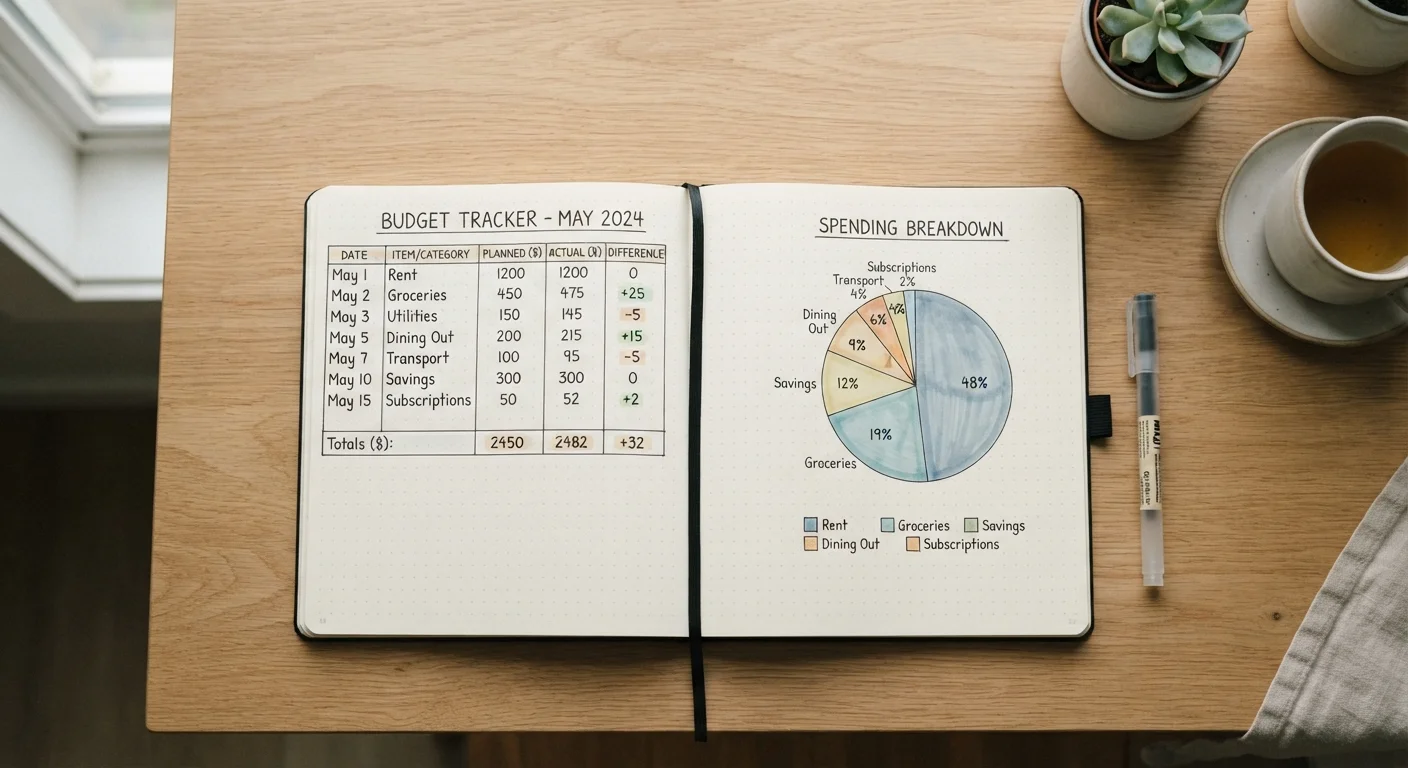
Percentage-based budgeting works differently: you divide your take-home income into fixed proportional categories. The most common version is the 50/30/20 rule - 50% toward needs, 30% toward wants, and 20% toward savings and debt repayment. The percentages stay constant; the actual amounts simply scale with your income. For a closer look at this framework, see the 50/30/20 rule explained.
| Criterion | Zero-Based Budgeting | Percentage-Based Budgeting |
|---|---|---|
| Core principle | Every euro assigned until balance = zero | Income split by fixed percentages |
| Monthly setup time | High - rebuilt each month | Low - proportions stay constant |
| Category specificity | Very granular, line by line | Broad buckets (needs, wants, savings) |
| Adaptability to income changes | Requires full rebuild | Adjusts automatically |
| Best for debt payoff focus | Strong - named priority line item | Moderate - absorbed into 20% bucket |
| Beginner friendliness | Moderate - learning curve upfront | High - simple to start immediately |
| Risk of overspending within categories | Low - each category has a ceiling | Higher - broad buckets allow drift |
Effort, Flexibility, and Real-World Fit
The practical experience of using each method differs considerably day-to-day.
Zero-based budgeting demands consistent engagement. You review last month's actuals, estimate upcoming costs, and deliberately assign funds category by category. For some, this is empowering - you see exactly where trade-offs are made. For others, it feels burdensome, particularly during busy periods. Strict budgeting has real trade-offs worth weighing before committing to a high-maintenance method.
Percentage-based budgeting is far less hands-on. Once you know your proportions, each payday takes care of itself. The challenge is that broad categories can obscure overspending. If your "needs" category absorbs rent, utilities, insurance, and groceries, it is easy to lose track of where the 50% actually goes. Those who want more category-level discipline sometimes layer in envelope budgeting within their percentage buckets.
~1 in 3
Adults who track monthly spending
Surveys by financial literacy organizations consistently find that fewer than a third of adults actively monitor spending against a plan.
20%
Savings target in the 50/30/20 framework
The 50/30/20 guideline designates 20% of take-home pay for savings and debt repayment, though actual achievable rates vary widely by income and cost of living.
Both methods work best when paired with a monthly review habit - even a 15-minute check-in helps you catch drift before it becomes a problem. If you are unsure which to try first, the complete personal budgeting guide walks through both in a structured sequence.
You Do Not Have to Choose Just One
Some people use a hybrid approach: percentage-based budgeting to set overall targets, then zero-based allocation within each category for closer tracking. This adds a layer of specificity without requiring a full zero-based overhaul each month. Experimenting for two or three months with each method before committing is a reasonable way to find what feels sustainable for your lifestyle.
Which Method Suits Which Situation
Choosing between the two often comes down to three factors: your income stability, your tolerance for administrative effort, and how precisely you need to track spending.
If your income is consistent month to month, percentage-based budgeting slots in neatly - predictable input, predictable splits. If your income fluctuates (freelance work, seasonal employment, commission-based pay), zero-based budgeting gives you a framework that adapts to each specific month rather than assuming an average.
If you are actively working to build savings or pay down debt, zero-based budgeting forces those goals to the front of the plan rather than treating them as whatever remains. The saving money hub and understanding debt hub offer practical context for either goal. It is also worth noting that common hesitations - such as thinking budgeting requires a high income - are addressed directly in common budgeting myths.
This article is for general informational purposes only and does not constitute personalised financial advice. For decisions specific to your financial situation, consider consulting a qualified financial professional.