How the Three Categories Work
The 50/30/20 rule starts with your net income - the amount deposited into your account after taxes and mandatory deductions. From that figure, the framework suggests three broad allocations.
50% - Needs: This covers expenses that are essential and largely non-negotiable. Typical examples include rent or mortgage payments, utility bills, groceries, health insurance premiums, and minimum debt repayments. If a bill would cause serious harm to your housing, health, or basic functioning if left unpaid, it generally belongs here.
30% - Wants: This category holds discretionary spending - purchases that add comfort and enjoyment but are not strictly necessary. Restaurant meals, entertainment subscriptions, gym memberships, holidays, and non-essential clothing fall into this group. Wants are not frivolous by definition; they are simply the flexible part of your budget.
20% - Savings and debt repayment: The final slice is directed toward your financial future. This can include contributions to an emergency fund, retirement savings, or paying down debt faster than the minimum required. The order in which you prioritize these depends on your personal financial position. For a fuller picture of how budgeting fits into a broader financial plan, see the Budgeting Basics hub.
Automate Your 20% First
One of the most reliable ways to protect your savings allocation is to treat it like a fixed expense. Set up an automatic transfer to a separate savings account on payday, before discretionary spending begins. This 'pay yourself first' approach reduces the temptation to spend what you intended to save and makes progress more consistent over time.
Where This Framework Helps - and Where It Falls Short
The 50/30/20 rule's main strength is simplicity. Rather than logging every coffee or tracking dozens of sub-categories, you sort spending into three buckets. That low barrier to entry makes it accessible for anyone building their first budget. See our practical walkthrough for first-time budgeters for a step-by-step starting point.
The framework also makes tradeoffs visible. If your needs routinely consume 65% of income, you can see immediately that wants and savings are being squeezed - which creates a concrete prompt to either reduce fixed costs or look for ways to increase income over time.
However, the rule has real limitations worth acknowledging:
- High cost-of-living areas: Rent alone can consume far more than 50% of take-home pay in many cities, making the standard split unrealistic without significant adjustment.
- Low income levels: When income is very limited, meeting basic needs may require 70-80% or more of earnings, leaving little room for wants or savings in the near term.
- Individual goals: Someone aggressively paying off high-interest debt, or saving for a property deposit, may want to redirect far more than 20% temporarily.
The rule is best understood as a starting framework that you adapt. For a comparison with a more granular approach, see how zero-based budgeting compares to percentage-based methods.
50%
Maximum recommended share for essential needs
The 50/30/20 guideline suggests keeping unavoidable expenses at or below half of monthly net income to preserve room for savings and discretionary spending.
20%
Target share for savings and debt repayment
Consistently directing 20% of after-tax income toward savings or debt reduction is the mechanism through which the framework builds long-term financial stability.
1 in 3
Adults without an emergency fund covering three months of expenses
Various European consumer finance surveys have consistently found that a significant share of adults lack a meaningful financial buffer, underscoring the importance of the savings component of this framework.
Putting It Into Practice
Applying the 50/30/20 rule involves three practical steps.
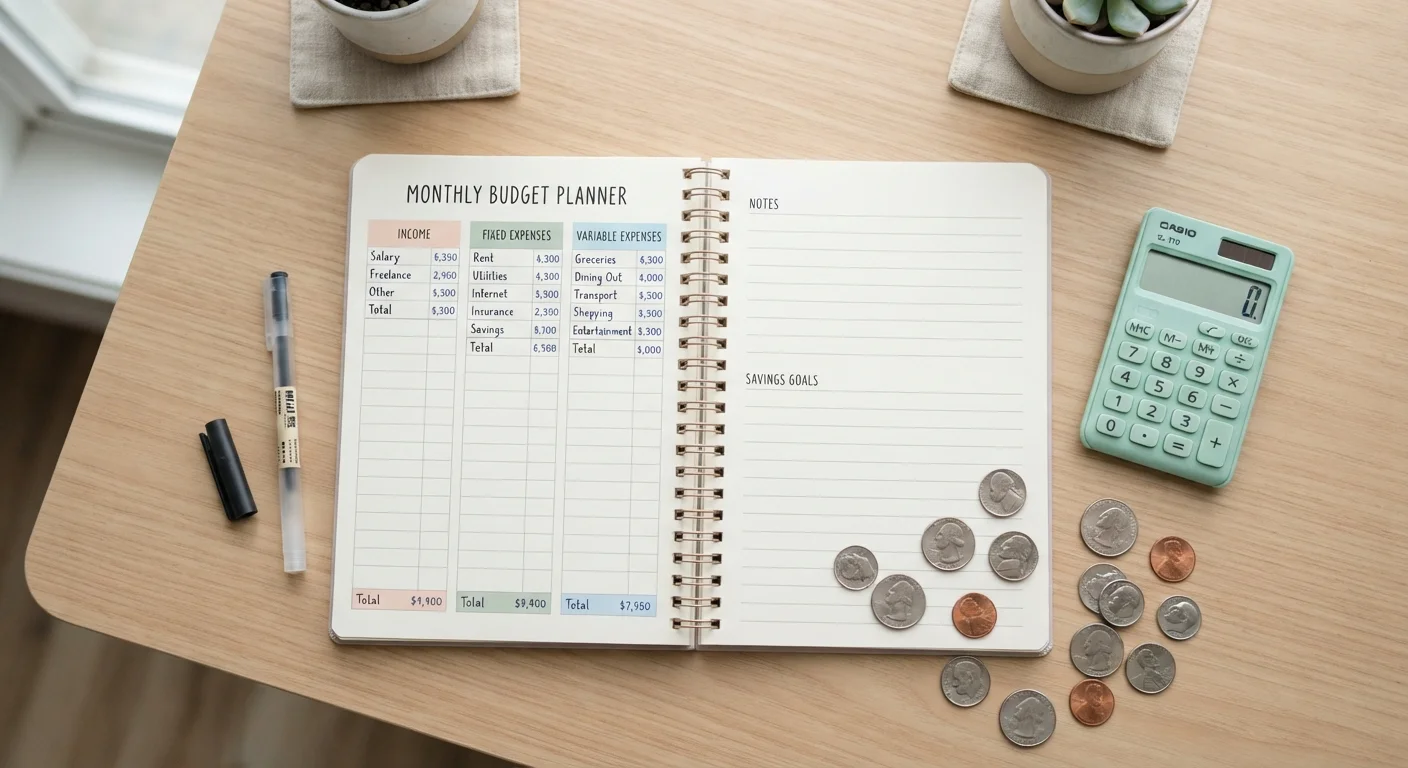
- Calculate your monthly net income. If you are salaried, this is straightforward. If your income varies, use an average across three to six recent months, or use your lowest month as a conservative floor.
- List and categorize your current expenses. Go through recent bank and card statements and assign each expense to needs, wants, or savings. You may discover that some spending you assumed was a need is actually a want - and that is useful information.
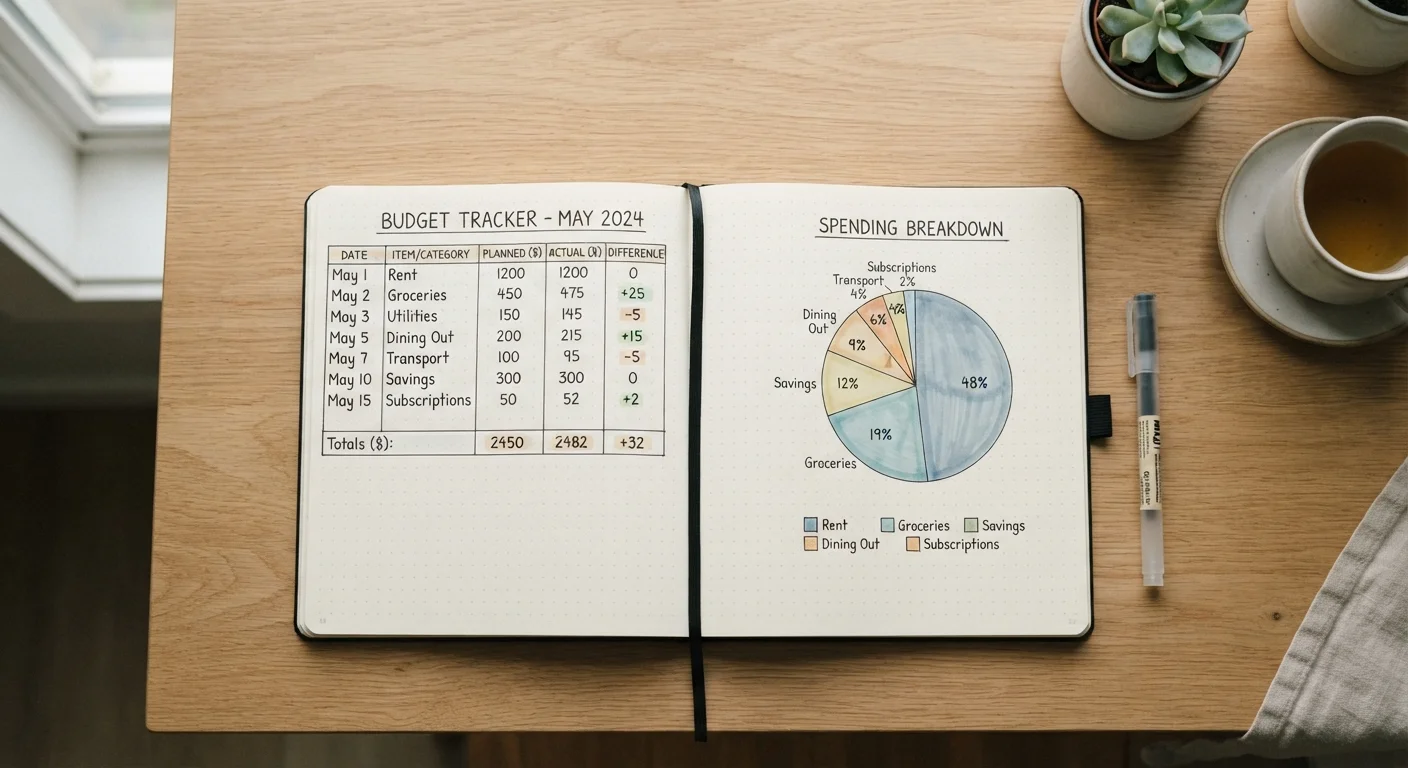
- Compare your actuals to the 50/30/20 targets. The gap between where your money currently goes and where the framework suggests it should go shows you exactly where adjustments are possible. Small, consistent changes - reducing one discretionary category, automating a regular transfer to savings - compound meaningfully over time.
You do not need to reach the ideal percentages immediately. The value is in the direction of travel. A monthly budget setup checklist can help you gather the figures you need before you begin. If you are weighing this method against other approaches, a practical overview of budgeting methods outlines several alternatives worth knowing.
“A budget is telling your money where to go instead of wondering where it went.”
— Dave Ramsey, Personal finance author and radio host
This article is for general informational purposes only and does not constitute personalised financial advice. For guidance tailored to your individual circumstances, consult a qualified financial adviser.