

Why an Emergency Fund Matters
An emergency fund is a dedicated pool of money set aside specifically for unexpected financial shocks - a sudden job loss, a major car repair, an unexpected medical bill, or a broken boiler in January. It acts as a financial buffer between you and debt when life doesn't go to plan.
Without one, most people turn to credit cards, personal loans, or borrowing from family when an emergency hits. This can start a cycle of debt that takes months or years to clear. A well-stocked emergency fund means you absorb the shock from savings rather than from borrowed money that carries interest.
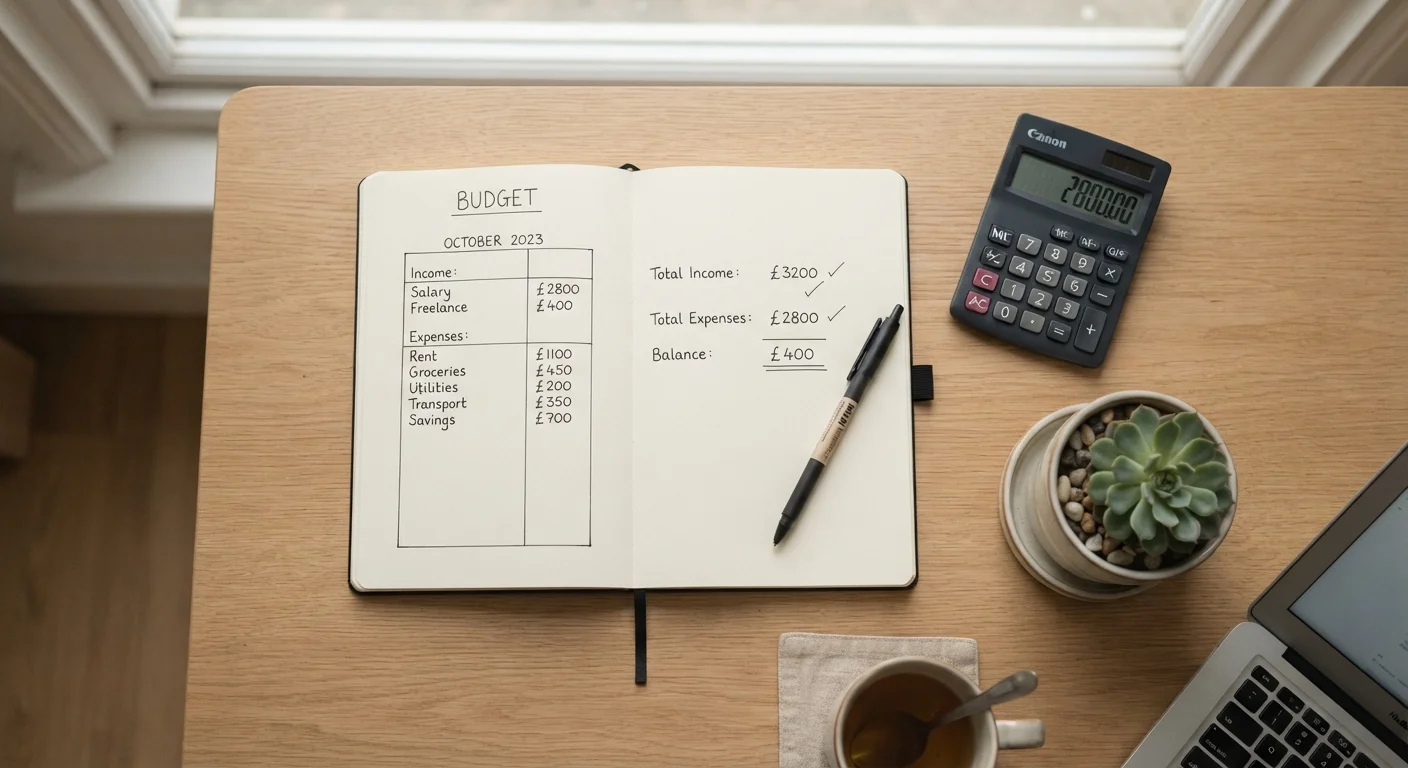
The psychological benefit is equally real. Knowing you have a cushion reduces financial anxiety and gives you more confidence in everyday decisions. It also preserves your ability to stay invested in long-term savings goals without having to raid them at the worst possible moment. For a fuller picture of how an emergency fund fits into your overall financial plan, see our complete guide to personal budgeting.
~40%
Adults unable to cover a €400 emergency
Survey data from the European Central Bank and comparable studies consistently show a large share of households lack a basic liquid buffer.
3-6 months
Recommended emergency fund coverage
This range is the standard guidance from financial planning bodies and consumer education organisations across Europe and the US.
€240
Saved in one year at €20/month
Illustrates how small, consistent contributions compound into a meaningful buffer even on a very limited budget.
How Much Should You Save?
The widely cited target is three to six months of essential living expenses - meaning rent or mortgage, utilities, groceries, transport, and any minimum debt repayments. This is a guideline, not a rule, and your right number depends on your personal situation.
- Single income household: Lean toward six months, since there is no second earner to fall back on.
- Variable or freelance income: Consider six to nine months, as gaps between work can be unpredictable.
- Two incomes, stable employment: Three months may be sufficient as a starting baseline.
- Significant dependents or health considerations: A larger buffer reduces vulnerability.
If a full three-month target feels impossibly distant, set an initial milestone of one month's expenses. Reaching it provides real protection and motivates you to keep going. The goal is a fund that covers realistic emergencies - not every conceivable catastrophe.
Don't Wait Until You're 'Ready' to Start
There is no minimum income required to begin an emergency fund. Waiting until you earn more, pay off all debt, or feel financially comfortable often means never starting at all. Even setting aside €5 or €10 a week creates a habit and a growing balance. Starting now - however modestly - is always more effective than waiting for ideal conditions.
How to Start Building Your Fund
The most effective strategy is to treat your emergency fund contribution like a fixed bill - not optional, not leftover money. Here's how to make that practical:
- Calculate your monthly essential expenses. Add up rent, food, transport, utilities, and minimum debt payments. This is your baseline target.
- Open a dedicated savings account. Keep the fund separate from your day-to-day current account so it isn't accidentally spent.
- Set up an automatic transfer. Schedule a standing order to move a fixed amount into your emergency fund on payday, before other discretionary spending happens.
- Start with what you can. Even €20 per month is a start. Increase the amount whenever your income rises or a regular expense drops away.
If budget is tight, our article on saving on a tight budget offers practical entry points for building momentum when every euro counts.
When you receive any unexpected windfall - a tax refund, a bonus, or a cash gift - direct at least half of it straight into your emergency fund before it gets absorbed into spending.
Windfalls are the fastest way to close the gap on your emergency fund target without changing your regular budget, yet most people spend them within weeks without a deliberate plan.
Name your emergency fund something specific in your banking app - like 'Emergency Buffer' - rather than 'Savings'. The label reinforces its purpose every time you log in.
Behavioural research on mental accounting shows that labelling money for a specific purpose measurably reduces the likelihood of spending it on unrelated expenses.
Where to Keep Your Emergency Fund
An emergency fund has two non-negotiable requirements: it must be liquid (accessible quickly, without penalties) and stable (its value shouldn't fall at the exact moment you need it most).
This rules out stocks, investment funds, or locked-in savings products with notice periods of more than a few days. Good options typically include:
- Instant-access savings accounts: Funds are available same-day or next-day. Look for accounts that pay interest without requiring notice periods.
- Tagesgeldkonto (daily money account) in Germany: A standard product offering competitive interest with full liquidity - a practical choice for German-based savers.
- Separate current account at a different bank: Adding friction between your emergency fund and your spending account helps resist the temptation to dip into it for non-emergencies.
Interest Rates on Emergency Funds
While it makes sense to earn some interest on your emergency fund, do not sacrifice accessibility for a slightly higher rate. An account that locks your money away for 30 or 90 days is not suitable for emergency savings, even if the return looks appealing. Prioritise instant access above all else for this specific pot of money.
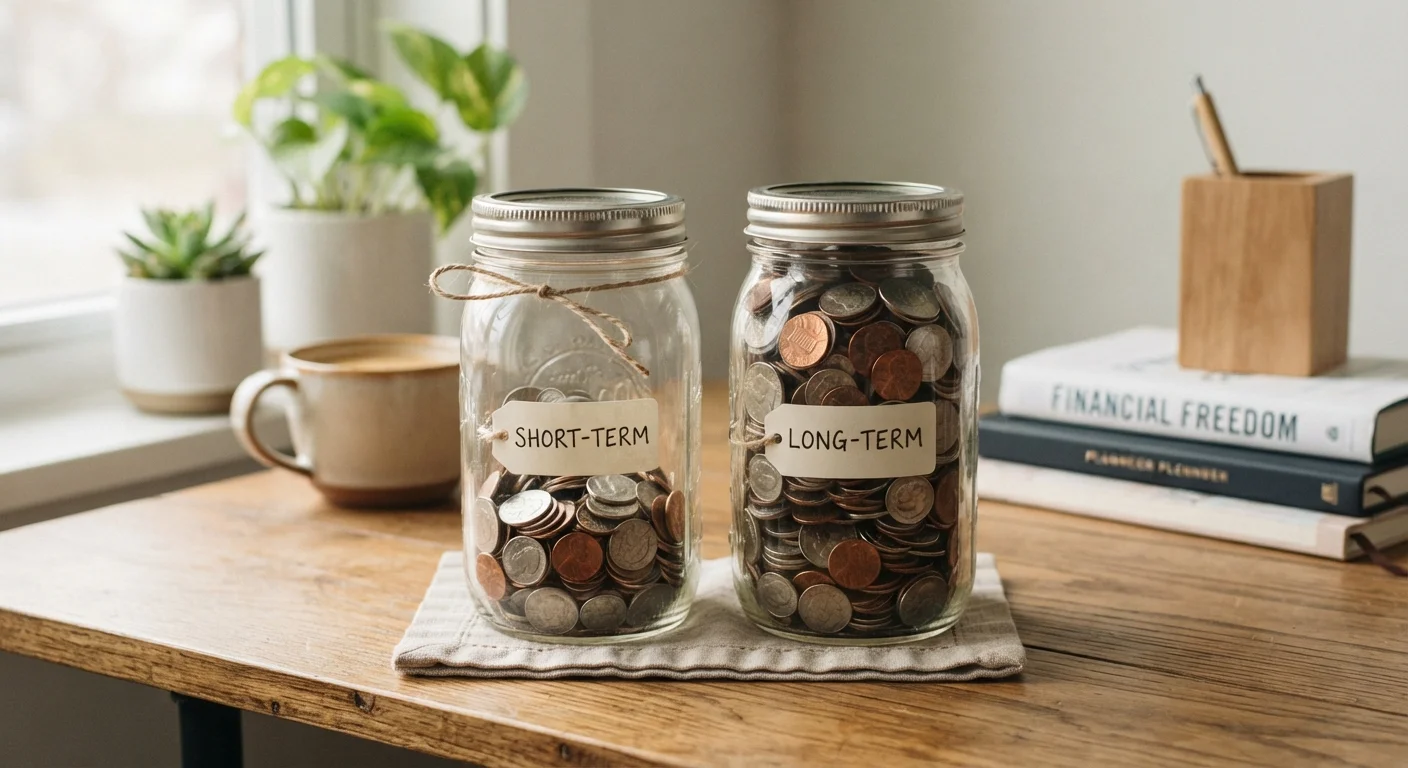
The goal is not to maximize returns on this money - it's to preserve it and access it instantly. Once your fund is fully funded, higher-interest or longer-term vehicles are better suited to other savings goals. For a comparison of how emergency savings fit alongside other financial priorities, see our guide on short-term vs. long-term savings goals.
Maintaining and Replenishing Your Fund
An emergency fund isn't a set-and-forget achievement. It requires periodic review and, when used, deliberate replenishment.
Review annually. Your essential monthly expenses change over time. A rent increase, a new insurance policy, or a change in family size means your target number should be recalculated. Our annual financial health check is a useful structured prompt for doing exactly this.
Replenish after use. If you draw on the fund, make restoring it a top savings priority before resuming contributions to other goals. Treat it the same way you built it - consistent, automated contributions until you're back at your target.
Don't use it for non-emergencies. A tempting sale, a holiday, or a discretionary upgrade don't qualify. The fund's sole purpose is unplanned, necessary expenses. If you frequently dip into it for other reasons, consider whether your monthly budget has enough flexibility built in for irregular costs.
Building an emergency fund is one of the most foundational steps in personal finance - not glamorous, but genuinely protective. Every euro you add makes you more resilient to the unpredictable.
This article provides general financial information and education only. It is not personalised financial advice. For guidance tailored to your individual circumstances, consult a qualified financial adviser.