

Why a Tight Budget Doesn't Mean You Can't Save
One of the most persistent myths in personal finance is that saving is something you do after you have money to spare. In reality, saving on a limited income is not only possible - it's where most people actually begin. The belief that small amounts don't add up keeps many people from starting at all, which is the most costly mistake of all.
The purpose of saving when money is tight isn't to accumulate wealth overnight. It's to build a buffer, create a habit, and gradually gain more control over your financial life. These outcomes are available at almost any income level.
Emergency fund
A reserved amount of money set aside specifically to cover unexpected costs - such as a car repair or medical bill - without needing to borrow.
Fixed expenses
Costs that stay the same each month regardless of your behavior, such as rent, loan repayments, or insurance premiums.
Variable expenses
Costs that change from month to month based on your choices, such as groceries, dining out, or entertainment.
Standing order
An automatic, scheduled transfer of a set amount from one bank account to another on a regular date - often used to move money into savings without manual effort.
Pay yourself first
A saving method where you move money into savings immediately when you're paid, before spending on anything else.
Get Clear on What You're Actually Working With
Before you can save anything, you need an accurate picture of your income and expenses. Many people overestimate what they have coming in and underestimate what quietly leaves. This is why tracking comes before saving.
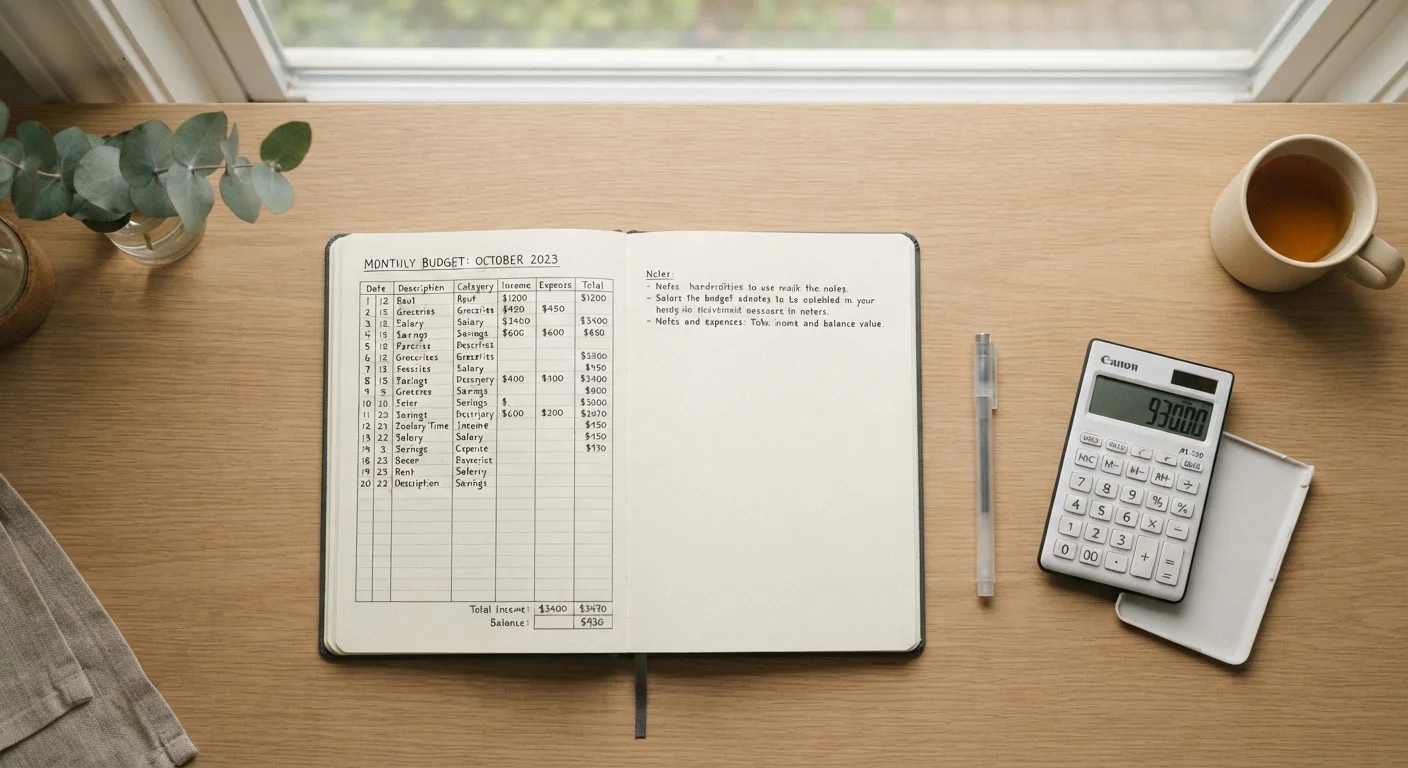
Write down - or use a free app - every euro that enters and exits your household in a month. Include fixed costs like rent and utilities, but also variable spending on groceries, transport, and small everyday purchases. This exercise often surfaces spending patterns that aren't obvious in the moment.
If you've never gone through this process, a structured guide to building your first monthly budget can walk you through it step by step. The Budgeting Basics hub also covers practical strategies for planning and tracking monthly spending.
Avoid budgeting based on what you wish you spent
A common mistake is building a budget around an ideal version of spending rather than actual habits. If your real grocery bill is €300 a month but you budget €150, the gap won't disappear - it'll just go untracked. Accurate data is more useful than optimistic estimates.
Find Your First Saving Opportunity
Once you can see your spending clearly, look for one or two areas where a small reduction is realistic - not painful. This doesn't mean eliminating every comfort. It means identifying where money leaves without adding much value.
Common starting points include unused subscriptions, frequent small purchases that go unnoticed, or overlooked household expenses like energy habits or standing orders. Cutting just one or two of these can free up a small but meaningful amount each month.
Even €10 freed up is enough to start. The size of the first saving matters far less than the decision to make one.
Choose a Simple System and Stick With It
The best saving system is one you'll actually use. For most people starting out, this means keeping it simple: decide on an amount, decide when you'll move it, and follow through. Complexity is the enemy of consistency at this stage.
One approach worth considering is automation - setting up a standing order so money moves to a separate account on payday, before you have a chance to spend it. This removes the need for willpower each month. Our guide on automating your savings covers how to set this up in a practical, low-effort way.
If automation isn't available to you, a manual transfer on the same day each month works too - the key is making it a routine, not a decision.
Start with a single, specific amount
Rather than aiming to 'save more,' decide on a precise figure - even €5 or €10 - and treat it as a fixed commitment. Vague intentions rarely survive contact with real spending. A specific number is far easier to act on and track.
Build the Habit Before You Build the Balance
In the early stages of saving on a tight budget, the habit itself is the achievement. A small, consistent saving behavior is more valuable than an occasional large deposit that disrupts your ability to cover essentials.
Set a modest initial goal - such as a small emergency fund covering one or two unexpected expenses - rather than targeting a large sum immediately. Once that goal is reached, you'll have both the momentum and the evidence that saving on your income is genuinely possible.
As your confidence and your buffer grow, you can explore other approaches - such as whether lump-sum saving or regular monthly contributions suits your situation better, or how to build and maintain a full emergency fund. For now, the goal is simply to begin.
This article provides general financial information for educational purposes only. It is not personalised financial advice. Please consult a qualified financial adviser for guidance suited to your individual circumstances.