Beyond Coffee and Tea: The World's Overlooked Beverages
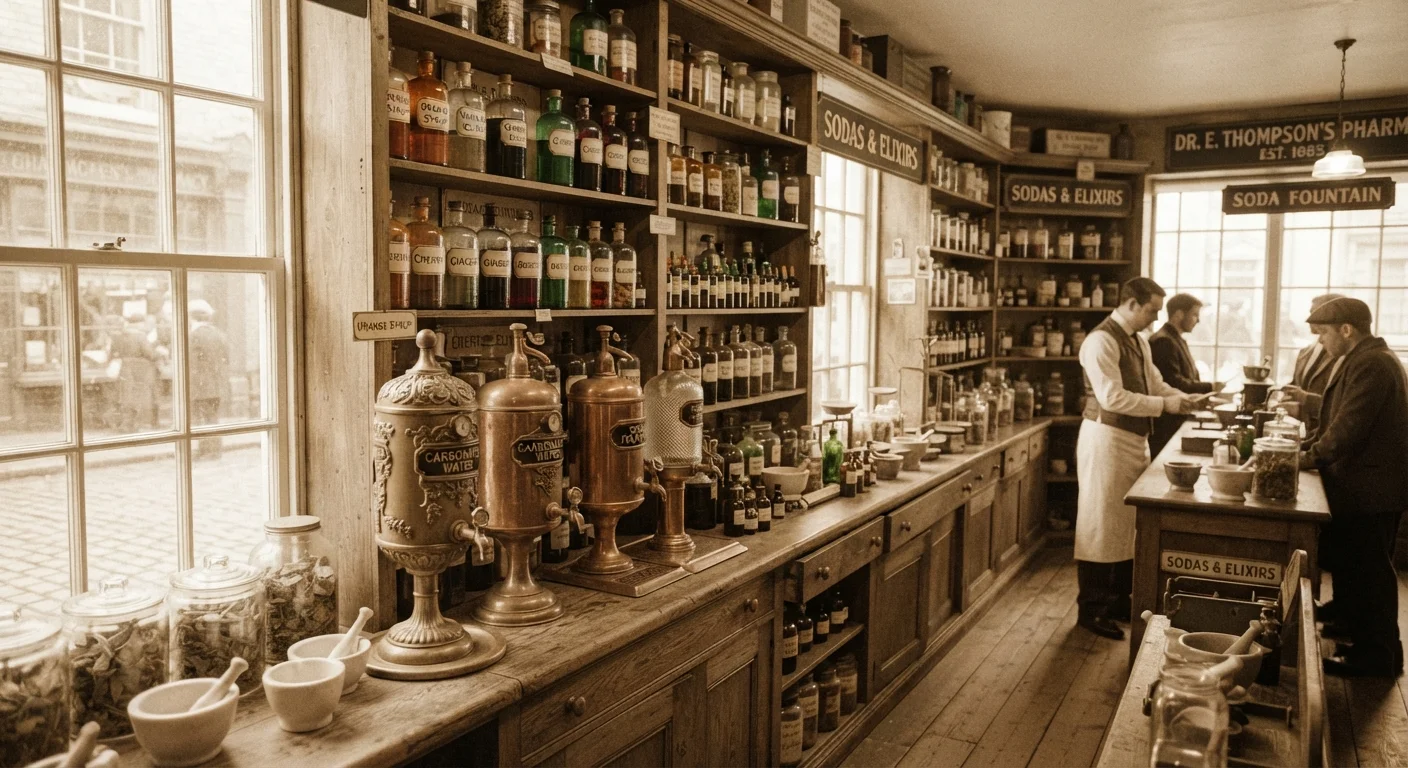
The global drinks market is dominated by a relatively small number of beverages - coffee, tea, soft drinks, wine, and beer account for most of what people consume daily. Yet this picture leaves out hundreds of regionally significant drinks that have shaped cultures, sustained communities, and reflected local ecologies for centuries. Most of these beverages are made from ingredients specific to their geography, fermented using traditional methods, and consumed within social contexts that give them meaning far beyond their flavor. The contrast with the uniform global dominance of carbonated soft drinks - explored in our piece on the history of soft drinks - is striking.
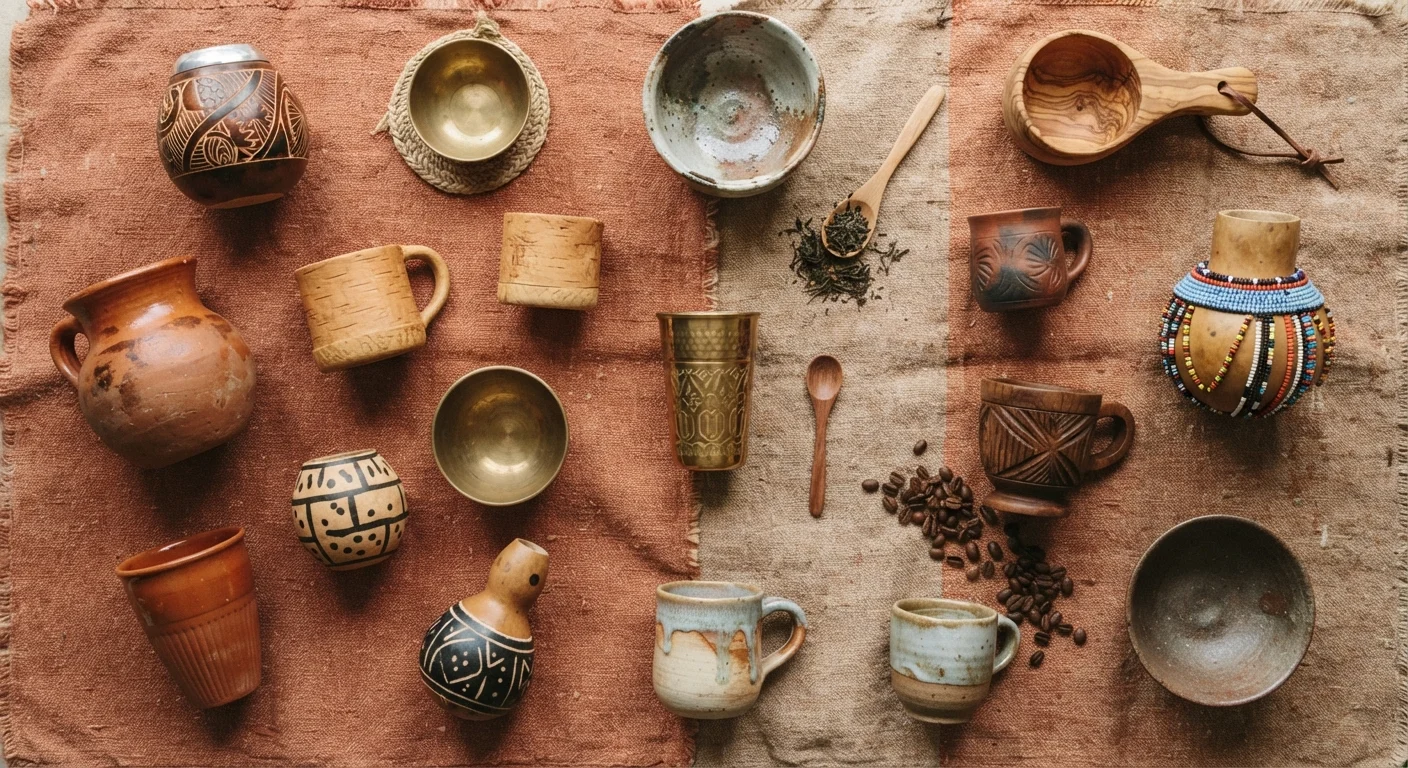
What follows is a selection of eight such beverages, chosen from different regions and traditions. Each one represents a broader category of drink that most people outside its home culture have never encountered. Understanding them is a window into how local ingredients, history, and social custom combine to produce something that is at once ordinary within its context and completely unknown beyond it.
Fermentation Is the Common Thread
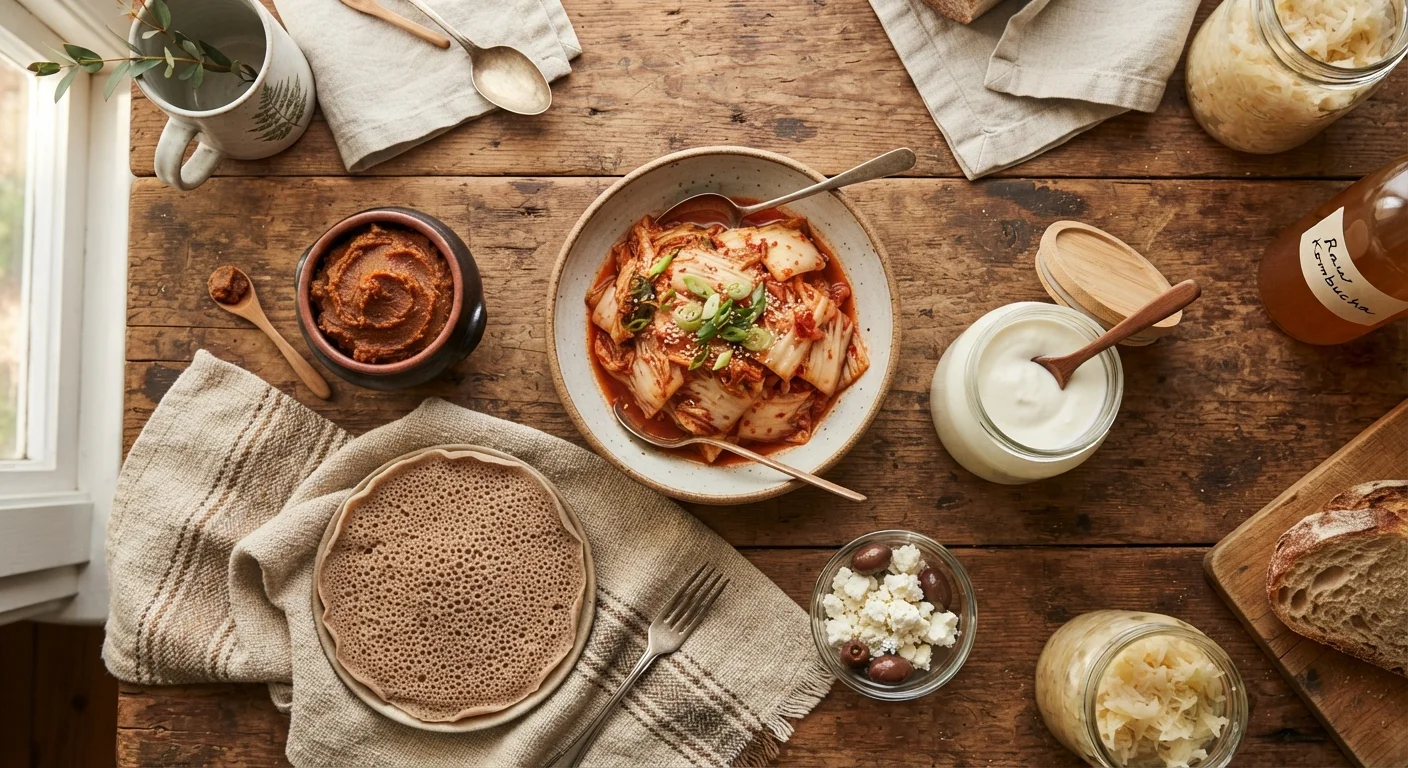
Many of the world's lesser-known beverages share fermentation as a production method - a technique that cultures worldwide developed independently to transform locally available ingredients. If you find the science of fermentation fascinating, our article on fermentation traditions from kimchi to injera explores exactly how and why this process took root globally.
Eight Drinks Worth Knowing
Tej - Ethiopian Honey Wine
Tej is a fermented honey wine produced in Ethiopia and Eritrea, flavored with the leaves and bark of the gesho plant (Rhamnus prinoides), a bitter buckthorn native to East Africa. The result sits somewhere between mead and a lightly hopped ale, with a golden color and a distinct herbal bitterness that balances the natural sweetness of honey. Tej is traditionally served in a flask-shaped vessel called a berele and is central to social gatherings and celebrations. Its alcohol content varies considerably depending on fermentation time, which is controlled by individual households rather than standardized production. The role of gesho - unavailable outside the region - is a large reason tej has remained culturally specific.
Tej's defining bitterness comes from gesho, a plant unavailable outside East Africa.
Chicha - Andean Fermented Maize Beer
Chicha is a broad family of fermented beverages produced across South and Central America, with maize-based chicha morada being one of the most widespread. In its traditional form, chicha de jora is made from sprouted, dried corn and has been documented in Andean cultures for over a thousand years, predating European contact. Some regional variants were historically prepared by chewing and spitting the grain, as human salivary enzymes (amylase) assist the fermentation process. Today, most commercial production skips this step. Chicha remains a living tradition in parts of Peru, Bolivia, and Ecuador, where small producers called chicheras continue to make it by hand. Notably, chicha served the Inca empire as both a sacred drink and a social currency.
Chicha predates European contact and served as both sacred offering and social currency in Andean cultures.
Kvass - Eastern European Fermented Bread Drink
Kvass is a lightly fermented beverage made from stale rye bread, common throughout Russia, Ukraine, the Baltic states, and parts of Central Asia. The fermentation produces only a very small amount of alcohol - typically under 1.5% - making it more similar to a non-alcoholic drink in practice. It has a tart, slightly sour flavor with earthy, bread-like notes. Kvass has been recorded in historical documents going back to medieval Kievan Rus. It was once drunk daily by people of all social classes as a safer alternative to water when clean water supplies were unreliable. Street vendors selling kvass from barrels are still a familiar sight in Russia and Ukraine during summer months. The process also connects to the same principles of preservation described in our guide to fermentation traditions across cultures.
Kvass was consumed across all social classes as a safer alternative to unreliable medieval water supplies.
Salep - Turkish Orchid Root Drink
Salep is a warm, thick beverage made from a powder derived from the dried tubers of wild orchids, particularly species of Orchis and related genera. The powder, called salep flour, contains a starchy compound called glucomannan that gives the drink its characteristic viscous, almost pudding-like texture when dissolved in hot milk with sugar and cinnamon. Salep was popular across the Ottoman Empire and is still widely drunk in Turkey and parts of the Middle East during winter. Because producing salep requires harvesting wild orchid tubers - which damages wild populations - several countries now restrict its export, and genuine salep has become expensive and difficult to find outside Turkey.
Genuine salep requires wild orchid tubers, making it ecologically sensitive and rare beyond Turkey's borders.
Pulque - Mexican Agave Sap Drink
Pulque is produced from the fermented sap of the maguey plant (a type of agave), harvested in the central highlands of Mexico. Unlike tequila or mezcal, which are distilled from cooked agave, pulque is simply the fermented raw sap, giving it a milky, viscous appearance and a slightly sour, yeasty flavor. It has been consumed in Mesoamerica for at least two millennia and was depicted in pre-Columbian codices as a drink with ceremonial significance, regulated by strict cultural rules about who was permitted to consume it. Pulque ferments rapidly and does not travel well, which is a primary reason it remains largely unknown outside Mexico despite a recent revival in artisanal pulquerías (pulque bars) in cities like Mexico City.
Pulque ferments rapidly and spoils quickly, which is the main reason it has never achieved global reach.
Bandung - Southeast Asian Rose Syrup Milk
Bandung is a sweet pink drink made from rose-flavored syrup stirred into evaporated or condensed milk, popular in Malaysia, Singapore, Brunei, and parts of Indonesia. Despite its simple ingredient list, it is deeply embedded in the food culture of the region - available at hawker stalls, weddings, and festive markets. The drink takes its name from the city of Bandung in Indonesia, though its exact origins are debated. Its bright pink color and sweet floral flavor make it immediately recognizable, and it is especially popular during Ramadan. Bandung represents a category of beverages that are culturally central to everyday life yet nearly invisible in Western food media.
Bandung's cultural significance far exceeds its global profile - a pattern common to many regional beverages.
Boza - Balkan Fermented Grain Drink
Boza is a mildly fermented beverage made from millet, wheat, or corn, consumed across the Balkans and parts of the Middle East and Central Asia. It has a thick, slightly acidic flavor with a subtle sweetness and is typically served cold or at room temperature, garnished with cinnamon and roasted chickpeas. Like kvass, boza has a very low alcohol content, making it acceptable across different cultural and religious contexts. It has been produced in the region for centuries; historical records suggest it was sold by street vendors in Istanbul as far back as the Ottoman era. In Turkey, the drink is most closely associated with winter months and itinerant vendors who once called out through city streets at night.
Boza has been sold by street vendors across the Ottoman Empire for centuries, surviving into modern urban life.
Amazake - Japanese Sweet Rice Drink
Amazake is a traditional Japanese beverage made from fermented rice, produced using either a koji mold fermentation process (similar to that used in sake production) or as a byproduct of sake brewing. The koji-based version contains little to no alcohol and has a naturally sweet, porridge-like consistency from the sugars produced during fermentation, making it popular as a warming drink in winter and at Shinto shrine festivals. It is also consumed as a restorative drink and given to children and the elderly - a point where cultural tradition and nutritional context intersect. For context on how sake's production relates to this process, our article on sake's brewing traditions provides useful background. Amazake's mild flavor and low alcohol profile give it a very different cultural role from its cousin sake.
Koji-fermented amazake contains naturally occurring sugars that make it sweet without any added sugar.
A Note on Alcohol Content
Several drinks on this list - kvass, boza, and some chicha variants - contain only trace amounts of alcohol due to brief or partial fermentation. Others, like tej and pulque, can reach alcohol levels comparable to beer or wine. Alcohol content varies significantly depending on production method, fermentation time, and regional custom. If alcohol consumption is a concern for you, it is worth researching a specific drink's preparation before trying it.
What Regional Drinks Tell Us
Each of these beverages reflects something specific about the place that produced it - its available crops, its climate, its history of trade or isolation, and its social customs. Tej exists because Ethiopia has a long tradition of beekeeping and access to gesho. Pulque is inseparable from the ecology of the Mexican highlands. Salep owes its character to wild orchids found in Turkish and Balkan mountains. These drinks did not become globally dominant not because they are inferior, but because global distribution favors standardized, shelf-stable products that travel well.
Exploring regional beverages is also a useful lens on broader food culture. Just as morning meals reveal daily values and habits, the drinks a culture produces and shares in common spaces reflect its relationship to land, fermentation, and communal life. If you encounter any of these drinks while traveling - or through a local import shop - the context behind them makes the experience considerably richer.