
Bubbles from the Apothecary: The Medicinal Origins
The story of soft drinks begins not in a factory, but in a pharmacy. In 1767, English scientist Joseph Priestley discovered a method for dissolving carbon dioxide into water, producing what he described as a refreshing, pleasantly tart liquid. He shared his findings freely, and within years, European chemists and pharmacists were experimenting with artificially carbonated water as a substitute for expensive and rare natural mineral spring water.
Natural sparkling spring waters had long been prized across Europe for their supposed curative properties. Wealthy visitors traveled to spa towns to drink and bathe in mineral-rich waters. Artificially carbonating ordinary water allowed pharmacists to offer something similar at a fraction of the cost. By the early 1800s, carbonated water was available in pharmacies across Britain, Germany, and the United States, often prescribed for digestive complaints, fatigue, and general wellness.
Carbonated Water Has Its Own Rich History
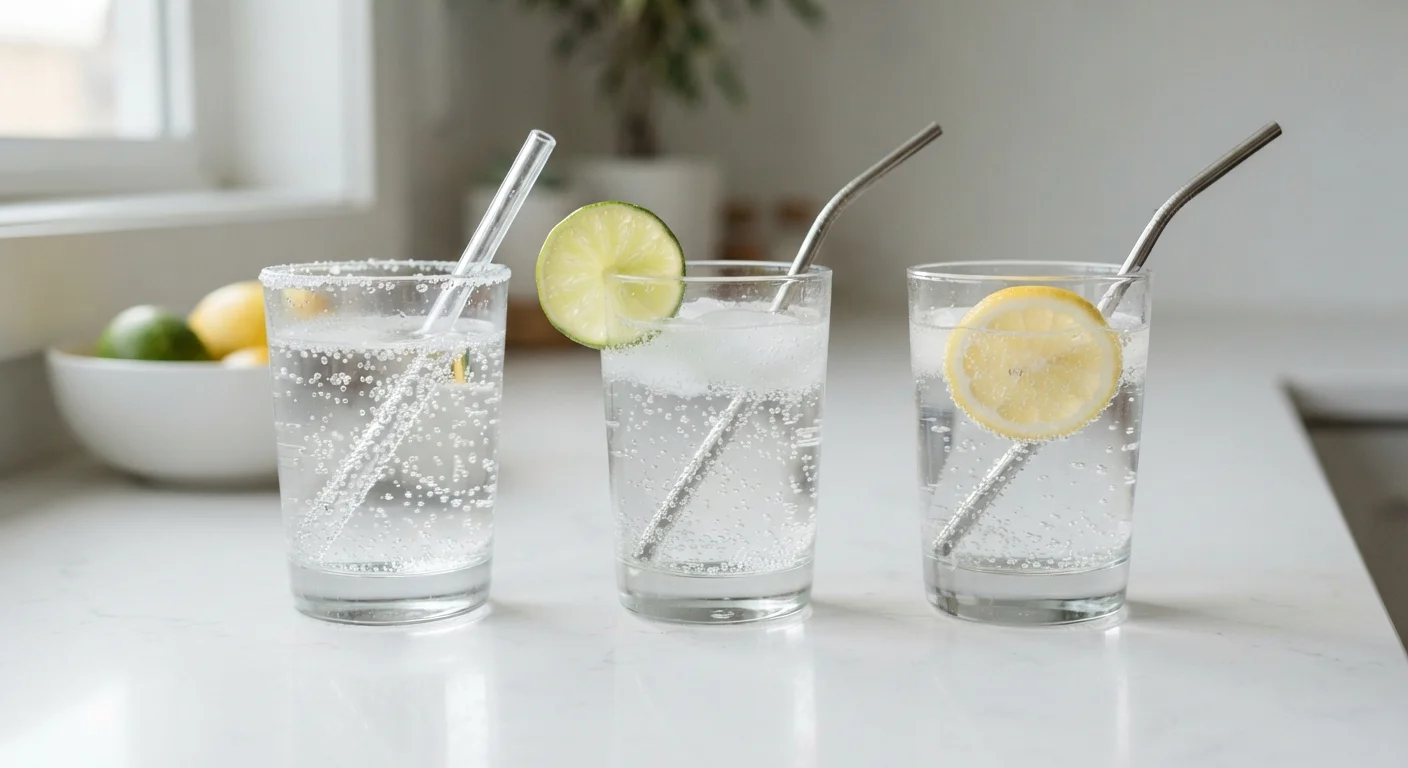
The base ingredient of all soft drinks - carbonated water - has its own distinct story and comes in several distinct forms today. Sparkling mineral water, club soda, and tonic water are all carbonated but differ significantly in their mineral content, additives, and taste profiles. Understanding these differences provides useful context for the wider world of fizzy drinks.
To understand how carbonated water compares to modern sparkling varieties, see our guide to sparkling water, club soda, and tonic water.
From Tonic to Treat: Syrups, Soda Fountains, and Social Culture
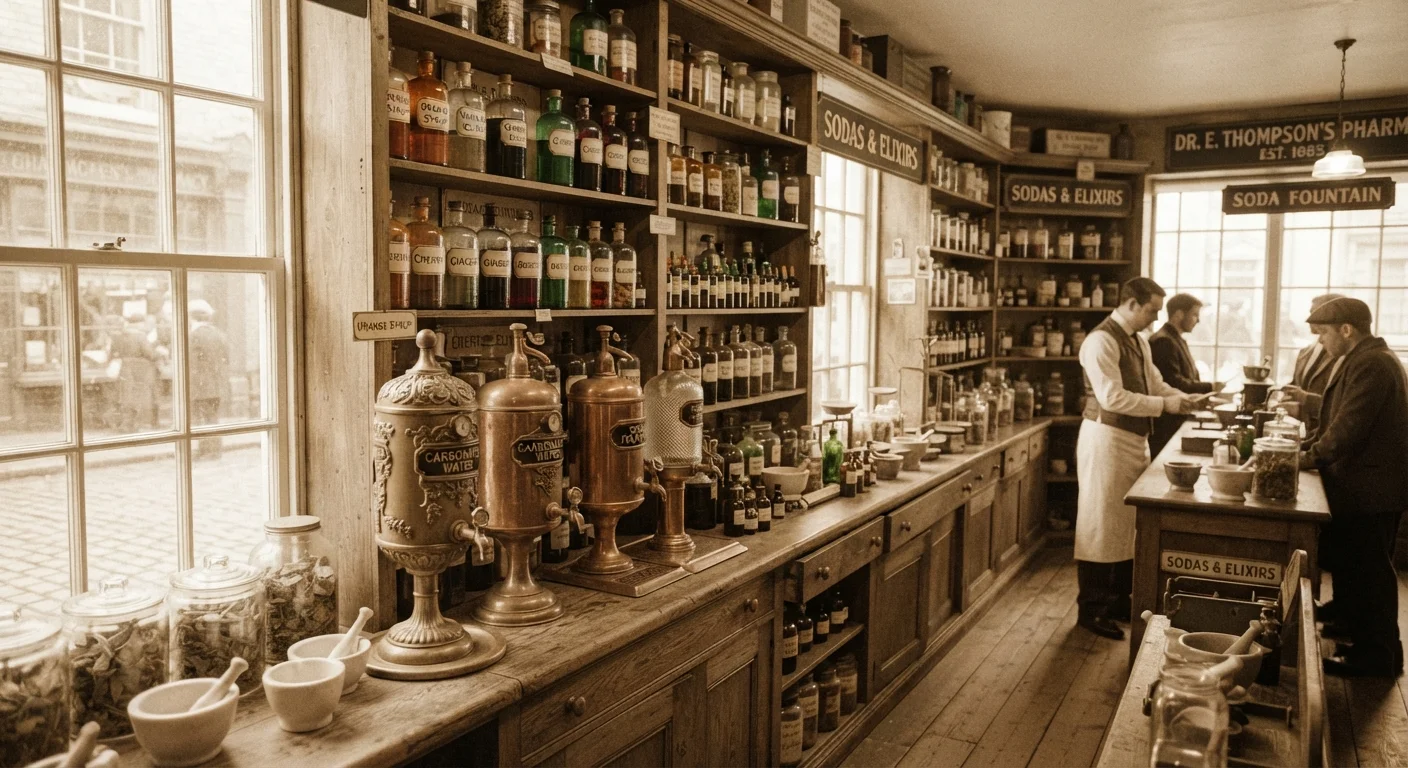
Pharmacists soon began adding herbal extracts, fruit syrups, and other flavorings to carbonated water to improve palatability and enhance the supposed medicinal effect. This practice gave rise to some of the most iconic flavor profiles still recognized today. Several early cola formulas, for instance, were created by pharmacists who combined kola nut extract - a natural source of caffeine - with aromatic spices and sweeteners.
The soda fountain became the defining institution of this era, particularly in the United States. Installed inside drugstores from the 1830s onward, soda fountains dispensed flavored carbonated drinks over the counter. They functioned as social gathering spots, especially during Prohibition (1920-1933), when they offered a respectable alternative to alcohol. The soda jerk - the skilled attendant who operated the fountain - became a cultural figure of American daily life.
1767
Year carbonated water was first produced artificially
Joseph Priestley documented his method for infusing water with carbon dioxide, marking the starting point of the modern carbonated beverage industry.
1892
Year the crown bottle cap was invented
William Painter's crown cap invention enabled reliable industrial-scale bottling, making soft drinks portable and widely accessible for the first time.
Over 200 countries
Countries where major cola brands are sold
According to company disclosures, the largest soft drink brands have distribution networks spanning virtually every country in the world.
Industrial Scale: Bottling Changes Everything
The transformation of soft drinks from a fountain experience into a portable, mass-market product depended on solving a basic engineering problem: how to keep carbonation inside a bottle without it going flat. Early glass bottles with cork stoppers were unreliable. The invention of the crown bottle cap in 1892 by William Painter was a turning point - it created a dependable, airtight seal that made industrial-scale bottling practical.
By the late 19th and early 20th centuries, bottling companies proliferated rapidly. Rail networks carried bottled sodas into rural areas that had never had a soda fountain. Advertising followed, and soft drink brands began investing heavily in shaping consumer identity around their products. What had begun as a pharmacist's preparation became one of the most aggressively marketed consumer goods in history.
“Carbonation gave water a new identity - it moved from a basic necessity to something that could be flavored, branded, and sold as an experience. That shift was one of the earliest examples of beverage marketing as we know it today.”
— Food historian, paraphrased perspective on 19th-century beverage culture, Academic perspective on the commercial history of beverages
A Global Beverage with Diverse Local Expressions
Today, soft drinks occupy a curious place in global food culture. The dominant international brands are immediately recognizable in almost every country, yet regional varieties continue to thrive. Germany, for example, has a strong tradition of fruit-flavored carbonated drinks - Apfelschorle (apple juice mixed with sparkling water) is widely consumed across the country. Italy has its chinotto, a bitter soda made from the myrtle-leafed orange. Mexico has a rich culture of fruit sodas in flavors like tamarind and guava.
This diversity reflects how local ingredients, flavor preferences, and cultural habits shape what people drink even within a globally standardized product category. If you're curious about beverages that never made it beyond their home regions, explore extraordinary drinks from around the world that carry their own fascinating histories.
The health conversation around soft drinks has shifted significantly in recent decades. Public health researchers and nutritional scientists have raised questions about high sugar content, artificial additives, and the effect of regular consumption on metabolic health. Many consumers have responded by reducing intake or shifting toward lower-sugar alternatives. This article is for general informational purposes only and does not constitute dietary or medical advice. Consult a qualified healthcare professional for personal guidance.
Reading Soft Drink Labels More Clearly
When comparing soft drinks, check the ingredient list for the type of sweetener used - sucrose, high-fructose corn syrup, or non-caloric alternatives have different nutritional profiles. Also note that 'natural flavors' is a broad legal category that may include many different compounds. Understanding these labels helps you make more informed choices about what you consume.