
What Exactly Is Sake?
Sake (pronounced sah-keh) is a Japanese alcoholic beverage brewed primarily from rice, water, a mold called koji, and yeast. Despite often being called "rice wine" in English, that label is somewhat misleading. Wine is made by fermenting the natural sugars found in fruit. Sake, however, starts with starch - and starch must be converted to sugar before yeast can ferment it into alcohol. That extra step places sake's production process closer to brewing than winemaking.
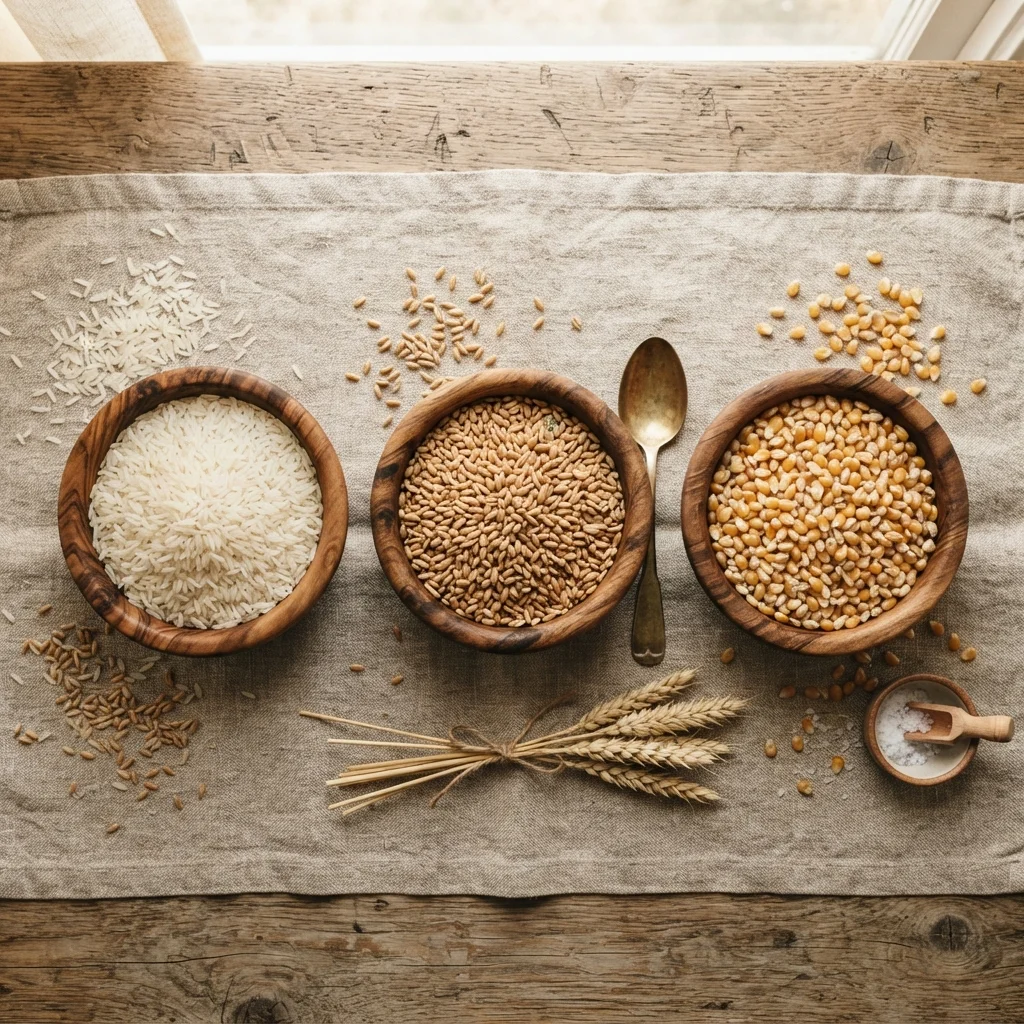
Rice is central to Japanese culinary identity. To understand sake, it helps to first appreciate how deeply rice is embedded in Japanese food culture - a connection explored further in our look at how staple grains shaped civilisations.
Koji
A mold (Aspergillus oryzae) cultivated on steamed rice that produces enzymes converting starch into fermentable sugars. It is the biological engine behind sake's unique fermentation.
Seimaibuai
The percentage of each rice grain remaining after polishing. A lower percentage indicates more milling and typically a lighter, more aromatic sake.
Junmai
Japanese for 'pure rice.' Designates sake made without any added distilled alcohol, using only rice, water, koji, and yeast.
Parallel Fermentation
The simultaneous conversion of starch to sugar and sugar to alcohol in the same fermentation vessel - a process unique to sake production.
Tokkuri
A ceramic flask used to serve sake, typically heated by placing it in hot water before pouring into small cups.
Nigori
A style of sake that is coarsely filtered, leaving rice particles suspended in the liquid, resulting in a cloudy, creamy, and often sweeter drink.
How Sake Is Brewed
Sake brewing begins with rice polishing - removing the outer bran layers of each grain. The more a grain is polished, the more pure starch remains, generally producing a lighter, more refined drink. After polishing, rice is washed, soaked, and steamed.
The steamed rice is then inoculated with Aspergillus oryzae, a mold known as koji. Koji produces enzymes that convert rice starch into fermentable sugars - a process that happens simultaneously with yeast fermentation. This simultaneous saccharification and fermentation is called multiple parallel fermentation, and it is unique to sake among the world's major alcoholic beverages.
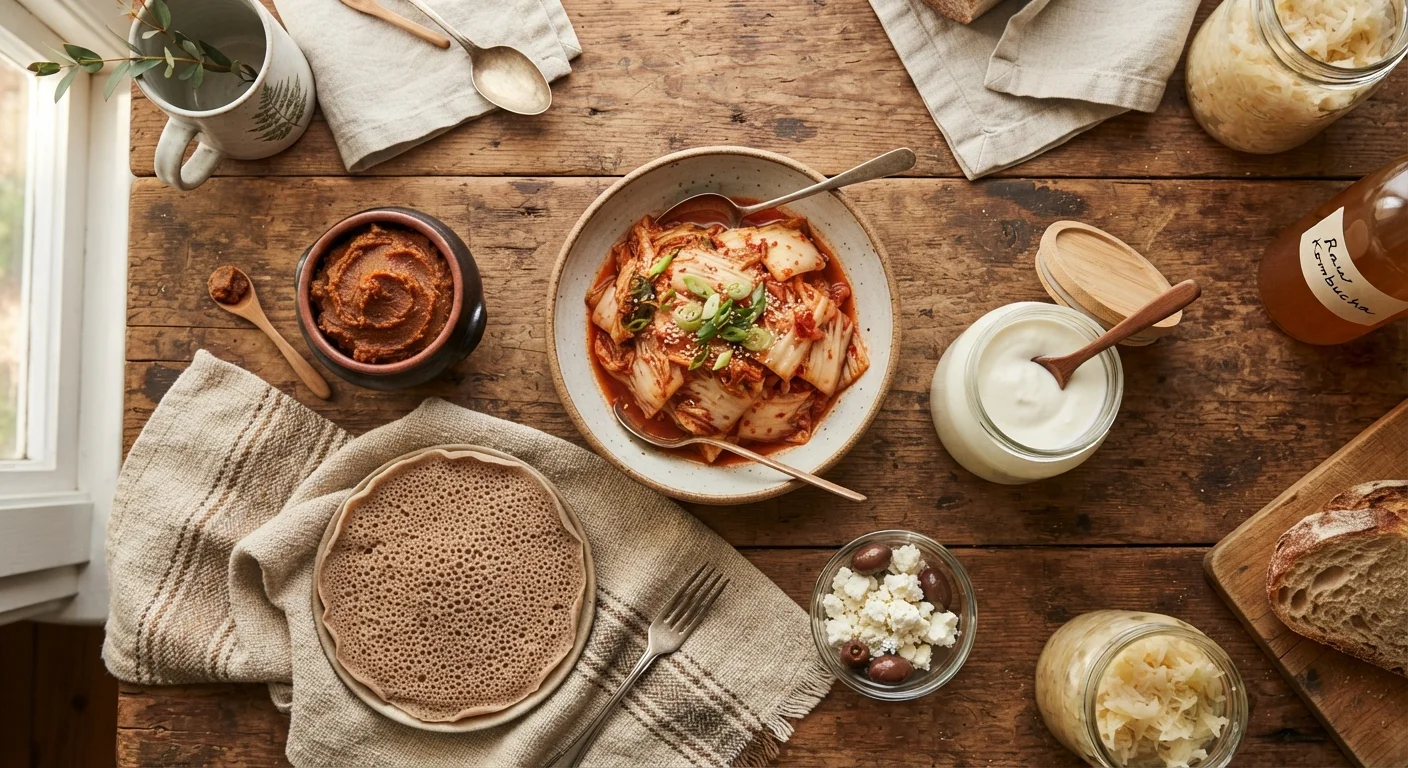
This microbial transformation connects sake to a broader world of fermented foods. Our article on fermentation traditions around the world offers a useful broader context for how cultures harness beneficial microbes in food and drink.
Look for the polishing ratio on the label
When exploring sake, checking the seimaibuai (polishing ratio) on the label is one of the most practical ways to anticipate flavor. Numbers at or below 50% signal a delicate, premium style. Numbers closer to 70-75% indicate a heartier, more robust drink. Starting with this single detail can help you navigate a menu or shop with more confidence.
Styles and Classifications
Japan's sake classification system is primarily based on the degree of rice polishing, expressed as the seimaibuai - the percentage of each grain remaining after milling. A lower number means more of the grain has been removed, typically producing a more delicate result.
- Junmai: Made with rice, water, koji, and yeast only - no added alcohol. Fuller bodied with earthy, savory notes.
- Honjozo: A small amount of distilled alcohol is added, lightening the texture and aroma.
- Ginjo: Rice is polished to at least 60% remaining. Fragrant, fruity, and light - often served chilled.
- Daiginjo: Highly polished rice (50% or less remaining), producing the most refined and aromatic sake.
- Nigori: Coarsely filtered and intentionally cloudy, with a creamy, sweet character.
Regional variation also plays a role. Breweries in Niigata are known for clean, dry styles (tanrei karakuchi), while Hiroshima tends toward softer, sweeter profiles. Exploring Japan's regional sake is much like discovering regional wine styles - geography, water, and tradition all shape the final product.
How to Serve and Enjoy Sake
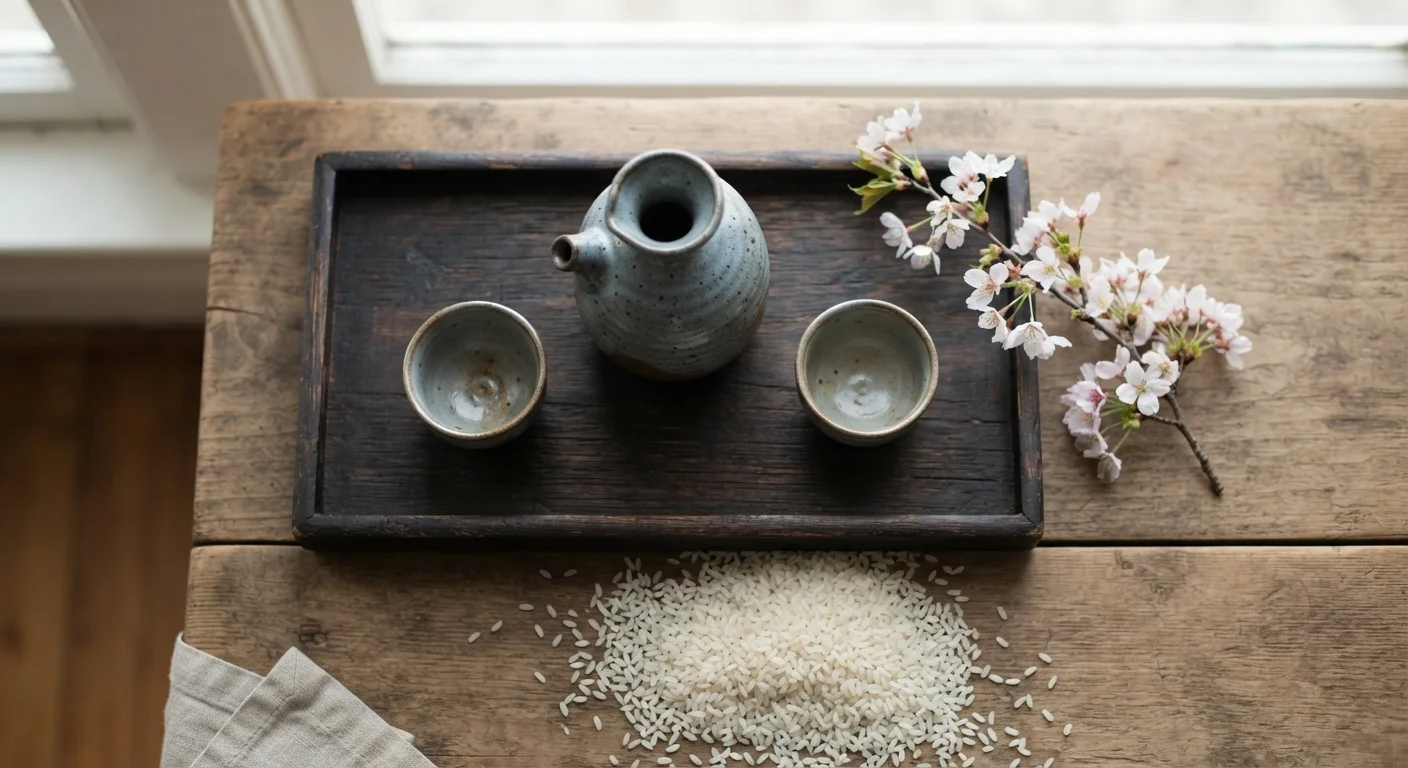
Sake is served in small ceramic cups called ochoko or masu (a square wooden box). It is poured from a ceramic flask called a tokkuri. Etiquette typically involves pouring for others rather than for oneself - a small but meaningful social ritual.
Temperature matters considerably. Warming sake in hot water rather than a microwave is the traditional approach, and the practice is associated more with rustic, full-bodied styles. Premium ginjo and daiginjo sake are almost universally better served cold - heat mutes the aromatic compounds that define them.
A note on warming sake
Not all sake is suited to warming. Adding heat to a delicate ginjo can suppress its floral, fruity character - the very qualities that justify its premium price. As a general rule, reserve warming for junmai or honjozo styles. If in doubt, chilling is the safer default for unfamiliar bottles.
Sake pairs naturally with Japanese cuisine but is also versatile alongside lighter dishes elsewhere - seafood, tofu, mild cheeses, and dishes where you might otherwise reach for a crisp white wine.
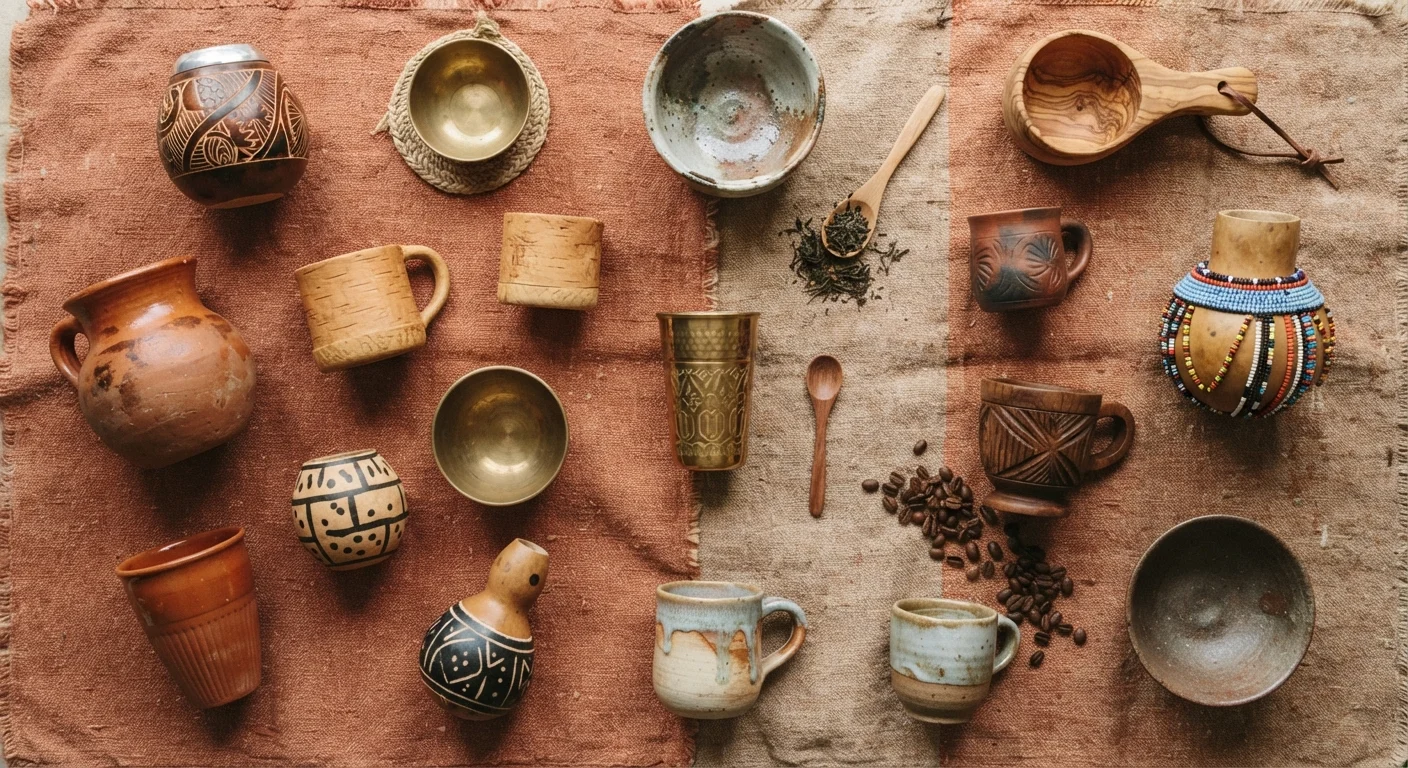
Curious about how other unusual fermented drinks are made and consumed around the world? Our piece on extraordinary drinks few people have tasted offers fascinating comparison points.
Sake's Cultural Significance
Sake has been produced in Japan for well over a thousand years. It holds a central place in Shinto religious ceremonies, where it is offered to deities and shared as a mark of communal blessing. The ritual drinking of sake at weddings, known as san-san-kudo, symbolizes the union of two families through three sips from three cups.
Sake breweries - called sakagura - are community institutions in many rural towns, and the annual brewing season beginning in autumn is a cultural marker. A rotating cedar ball (sugidama) hung outside a brewery signals that new sake is ready - a tradition still observed today.
While sake is Japan's most iconic fermented drink, it is part of a far wider global tradition of fermenting grains and other staples. Kombucha's own ancient origins offer a compelling parallel story of how fermented drinks become cultural touchstones.
Understanding sake - from koji chemistry to ceramic cups to religious ceremony - means understanding one of the most deeply integrated relationships between a culture and its drink.