
Why Tea Labels Can Feel Like a Foreign Language
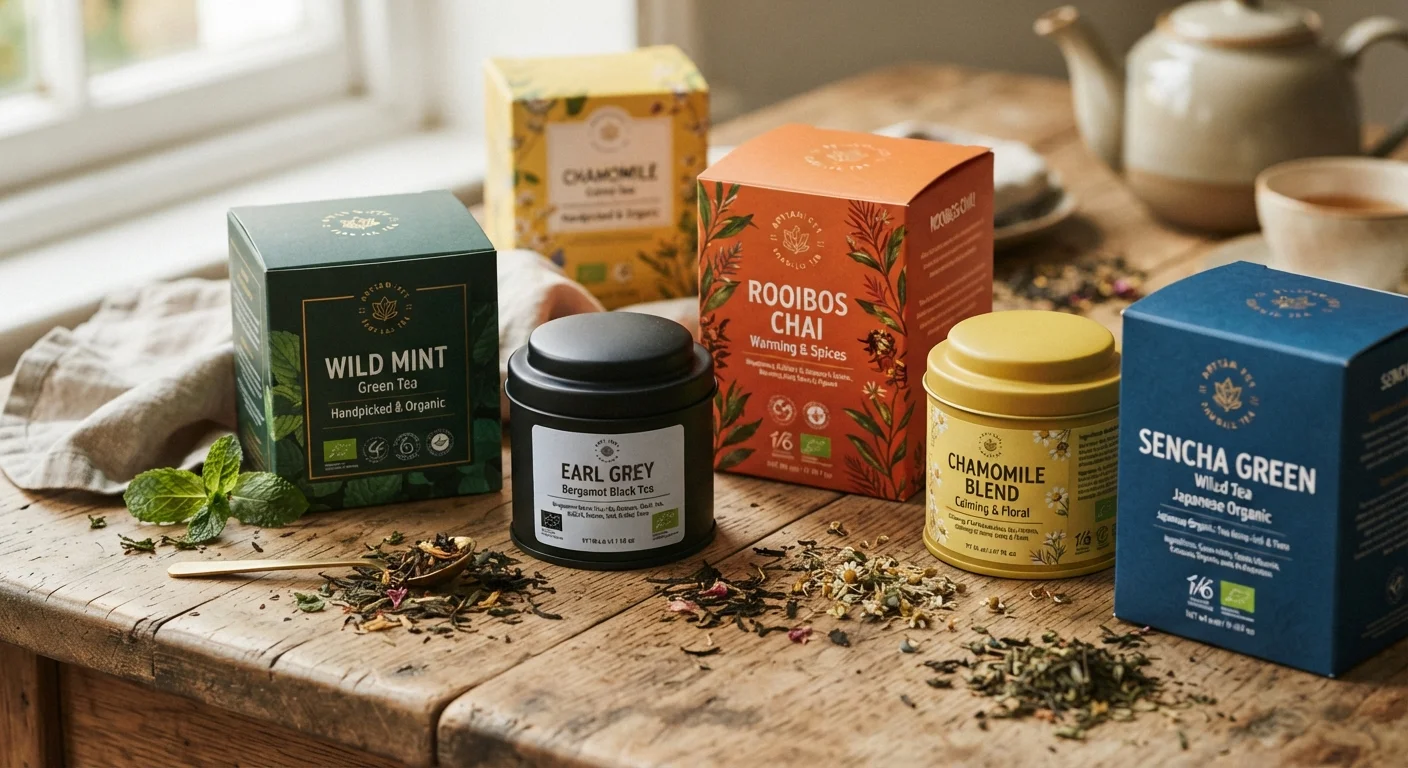
Walk down the tea aisle in any well-stocked grocery store and you'll encounter a cascade of terms: FTGFOP1, second flush, single-estate, orthodox. Unlike wine or coffee, tea has never settled on one universal labelling standard, which means producers borrow terminology from regional traditions in India, China, Sri Lanka, and Japan - often without explanation.
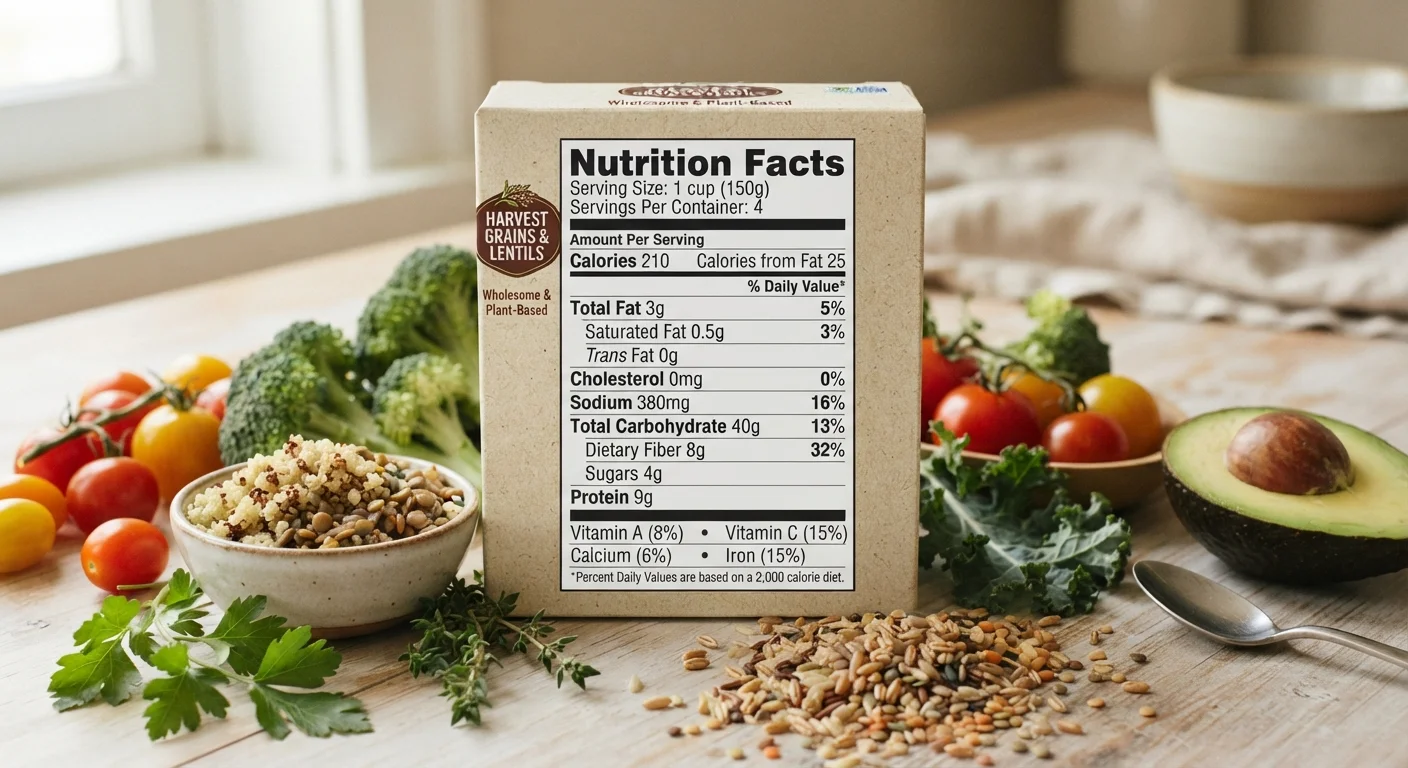
Understanding these terms isn't about becoming a connoisseur. It's about spending your money on something that matches what you actually enjoy drinking. Just as decoding a nutrition panel helps you understand what's in your food - see our guide to reading nutrition labels - learning the vocabulary on a tea box gives you real purchasing clarity.
What you will need
Step-by-Step: Decoding What You See on the Box
Identify the Tea Type
The most fundamental label element is the type of tea: black, green, white, oolong, pu-erh, or herbal (tisane). These categories reflect how the leaves are processed after harvest. Black tea is fully oxidised, green tea is minimally oxidised, oolong sits somewhere between, and white tea is made from young buds with very little processing. Herbal infusions contain no Camellia sinensis leaves at all - they are blends of plants, flowers, or roots.
Find the Origin Information
Look for country, region, or estate names. Single-origin means all the leaves come from one defined geographical area - this preserves the distinctive character of that region's soil and climate, known as terroir. Estate or garden teas narrow this further to a single plantation. A label reading "Darjeeling - Makaibari Estate" is more specific than one reading "Darjeeling," which in turn is more specific than "Indian tea." Blended teas, by contrast, combine leaves from multiple origins to hit a consistent flavour profile year after year.
Read the Flush
Flush refers to the seasonal growth cycle. Tea plants push out new growth in distinct rounds through the year, and each flush has a different character. First flush (spring harvest) teas are typically light, floral, and aromatic. Second flush teas - harvested a few months later - are often fuller-bodied with deeper, sometimes muscatel notes, particularly in Darjeeling. Autumnal flush teas tend to be earthier and more mellow. Not all producing regions use flush terminology equally; it is most commonly seen on Indian teas.
Interpret the Grade
Tea grading uses a letter-based system that describes leaf size and style. For black teas, common grades include:
- OP (Orange Pekoe) - whole, long leaves; not related to orange flavour
- FOP (Flowery Orange Pekoe) - includes young tip leaves
- FTGFOP (Fine Tippy Golden Flowery Orange Pekoe) - high proportion of golden tips
- BOP (Broken Orange Pekoe) - smaller broken pieces, brews faster and stronger
- CTC (Crush Tear Curl) - machine-rolled into pellets, standard for teabags
Green and white teas use different naming conventions, often descriptive terms from Chinese or Japanese tradition such as Gunpowder, Sencha, or Silver Needle.
Check the Brewing Guidance
Labels typically print recommended water temperature and steeping time. These are genuine starting points, not rules. Green teas often specify lower temperatures (70-80 °C) to avoid bitterness; black teas generally call for freshly boiled water (around 95-100 °C). If no temperature is listed, look up the tea type as a guide. Brewing times usually range from 1 to 5 minutes depending on leaf size and style - shorter for delicate green teas, longer for robust black varieties.
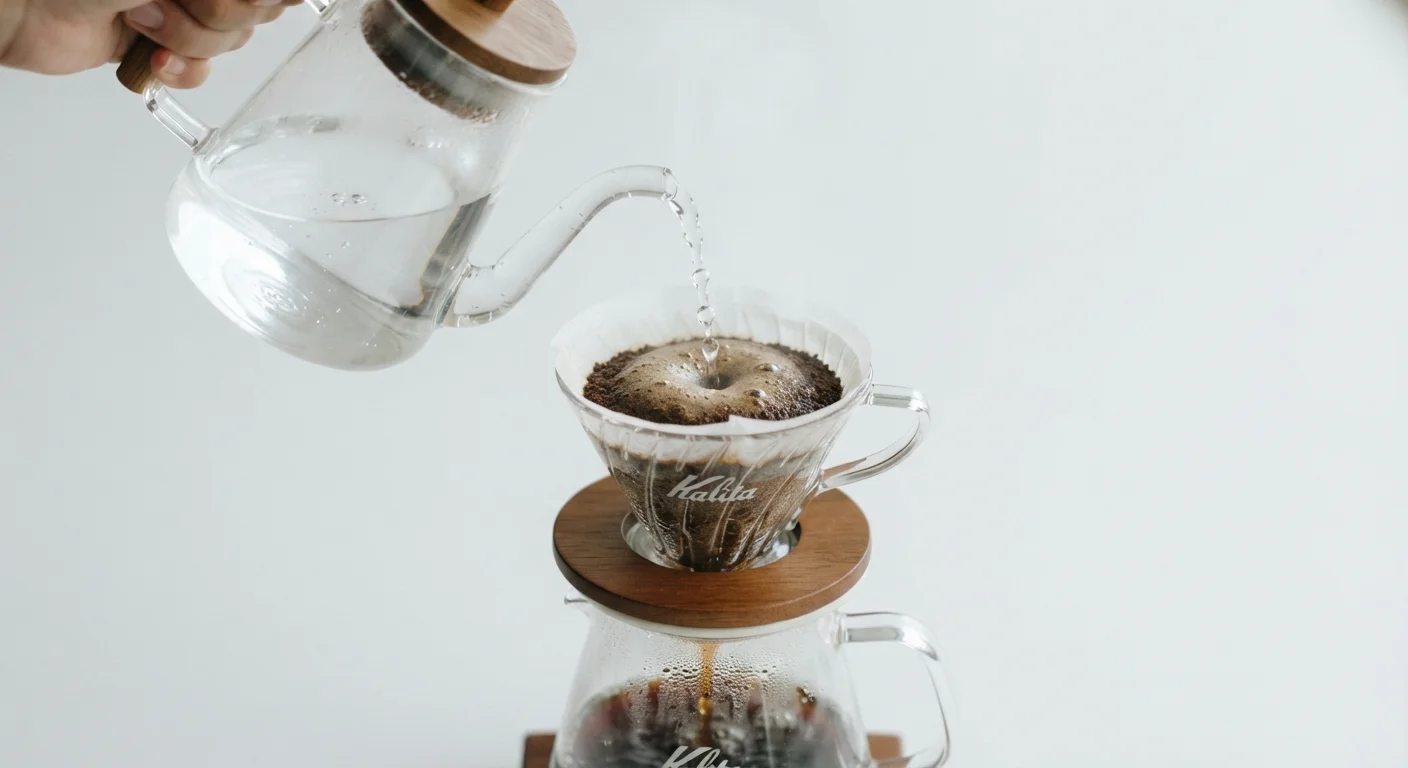
Once you've worked through these categories systematically, most tea labels stop feeling intimidating. If you want to go further and understand how the water you use affects the cup you brew, our article on how brewing water quality changes flavour is a useful companion read.
When in Doubt, Start With Origin
If a label overwhelms you, focus on just two things: where the tea comes from and whether it's blended or single-origin. These two facts do more to predict flavour character than grade or flush alone. From there, you can build your vocabulary one purchase at a time.
Common Misconceptions Worth Clearing Up
A higher grade does not always mean a better-tasting tea. Grades were originally designed for commodity trading - they describe the physical leaf and processing consistency, not the underlying quality of the tea plant or how enjoyable the brew will be. A CTC (crush-tear-curl) grade tea processed for teabags may suit someone who wants a strong, quick cup perfectly well.
"Organic" certification on tea follows different standards depending on the certifying country, so it's worth checking which body issued it. Similarly, caffeine-free and decaffeinated are not the same thing - herbal infusions (technically tisanes, not true teas) contain no caffeine naturally, while decaffeinated teas have had most caffeine removed through processing, with trace amounts typically remaining.
Caffeine Claims Are Often Estimates
Tea labels that list caffeine content are providing approximations. The actual caffeine in your cup depends on water temperature, steeping time, leaf-to-water ratio, and even how the plant was grown. If you are sensitive to caffeine or managing an existing health condition, consult a healthcare professional rather than relying solely on label figures.