
Water Is an Active Ingredient, Not a Passive Carrier
Most people think of water as the blank canvas onto which coffee or tea flavor is added. In reality, water is a reactive solvent - it dissolves and transports flavor compounds, and its chemical composition determines which compounds get extracted and in what proportion.
When hot water contacts coffee grounds or tea leaves, it pulls out hundreds of different compounds: acids, sugars, oils, caffeine, tannins, and aromatic molecules. Which of those compounds dissolve - and how quickly - depends heavily on the mineral content of the water. This is why two people using identical beans or leaves can produce noticeably different cups simply because their tap water differs.
Just as terroir shapes wine character, the local water profile is a kind of terroir for brewed beverages. Cities have long been associated with their regional coffee and tea cultures partly because of what flows from their taps.
The Key Minerals and What They Do
Two minerals dominate the conversation around brewing water: magnesium and calcium. Both contribute to what chemists call water hardness - a measure of dissolved metal ions - but they behave differently during extraction.
- Magnesium is a strong extractor. It binds readily to flavor-active acids and aromatic compounds, pulling more of them into solution. Water with moderate magnesium tends to produce brighter, more complex cups with pronounced acidity.
- Calcium also extracts flavor but does so less selectively. It contributes body and roundness, but at high concentrations can mute some of the delicate top notes that make specialty coffee or fine tea distinctive.
- Bicarbonates are the alkalinity-builders. They neutralize acids in the brew, raising pH and suppressing the bright, fruity characteristics that many light-roast coffees and high-quality teas are prized for. High-bicarbonate water is a common culprit when a coffee that should taste vibrant tastes flat instead.
98%
Water content of a brewed cup of coffee
A brewed cup of coffee is approximately 98% water, underscoring why water chemistry has an outsized effect on the final flavor.
150 mg/L
SCA target TDS for brewing water
The Specialty Coffee Association recommends a target of around 150 mg/L Total Dissolved Solids for optimal coffee extraction, with an acceptable range of 75-250 mg/L.
6.5-7.5
Ideal pH range for brewing water
Water within a near-neutral pH range tends to support balanced extraction, preserving acidity without tipping into over-buffered flatness.
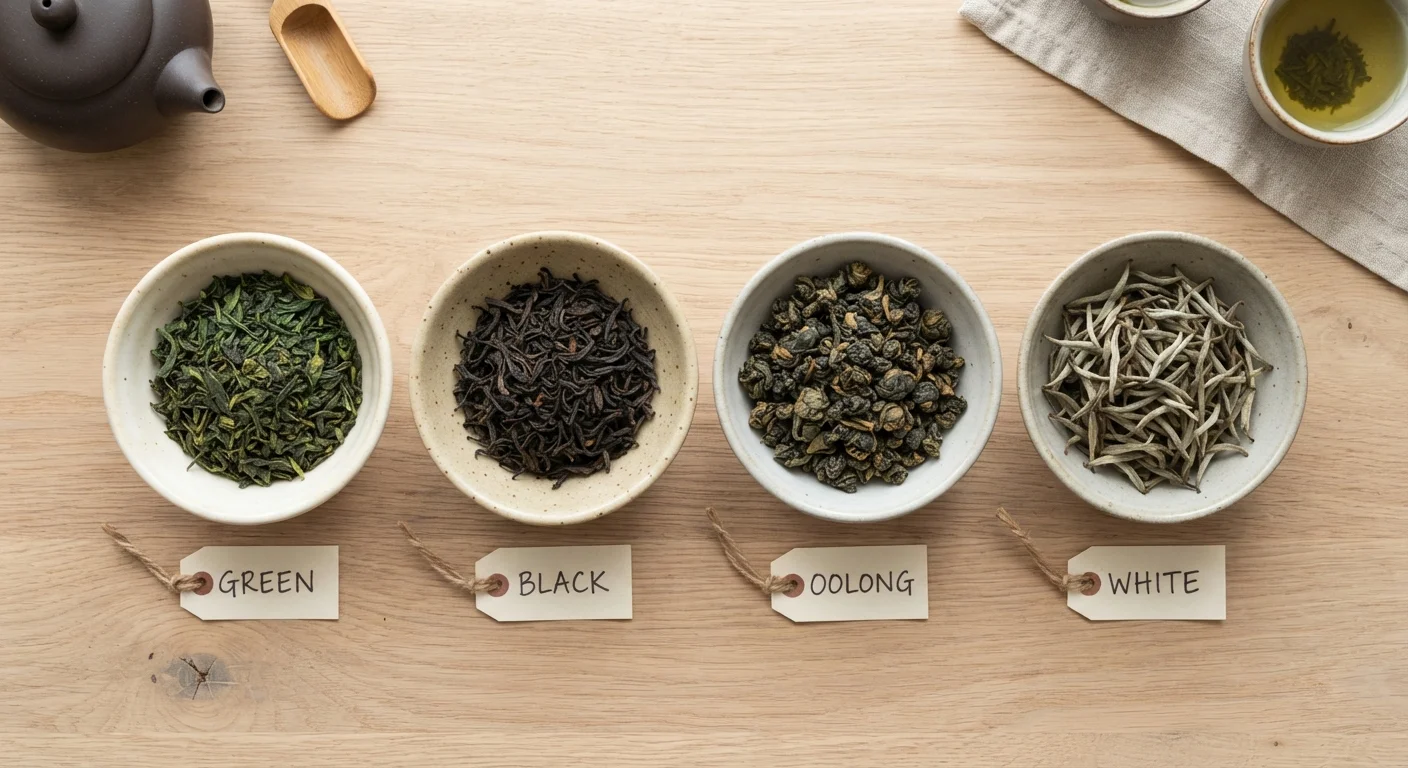
For tea, the same principles apply. Green and white teas - which are subtle and delicate - are particularly vulnerable to alkaline water, which can push tannin extraction into unpleasant bitterness. If you're exploring tea varieties, our guide to green, black, oolong, and white tea explains how processing shapes each type's sensitivity to brewing variables.
pH, Hardness, and the Extraction Window
Extraction is not simply about dissolving more or less flavor - it's about hitting a balance. Under-extraction produces sour, thin, or grassy results; over-extraction produces bitterness and astringency. Water chemistry affects where your brew lands in that window.
A slightly acidic pH (around 6.5-7.5) tends to support cleaner extraction. Water that is more alkaline - often due to bicarbonates - shifts the brew toward bitterness and suppresses acidity. This is why the same light-roast coffee that tastes brilliantly fruity in one city can seem flat and bland in another.
A Quick Test for Your Tap Water
Fill your kettle and heat it regularly? Check the inside for white or grey mineral deposits. Significant limescale is a reliable sign your water is high in calcium - and likely in bicarbonates too. This is worth addressing before attributing flat or bitter brew results to your beans or leaves.
Water hardness matters too. Soft water (low in calcium and magnesium) under-extracts - it lacks the mineral charge to pull flavor compounds efficiently. The result is a weak, watery cup even at correct brew ratios. Very hard water over-buffers the acids and eventually causes limescale in equipment. The sweet spot is moderate mineral content, with magnesium doing most of the productive work.
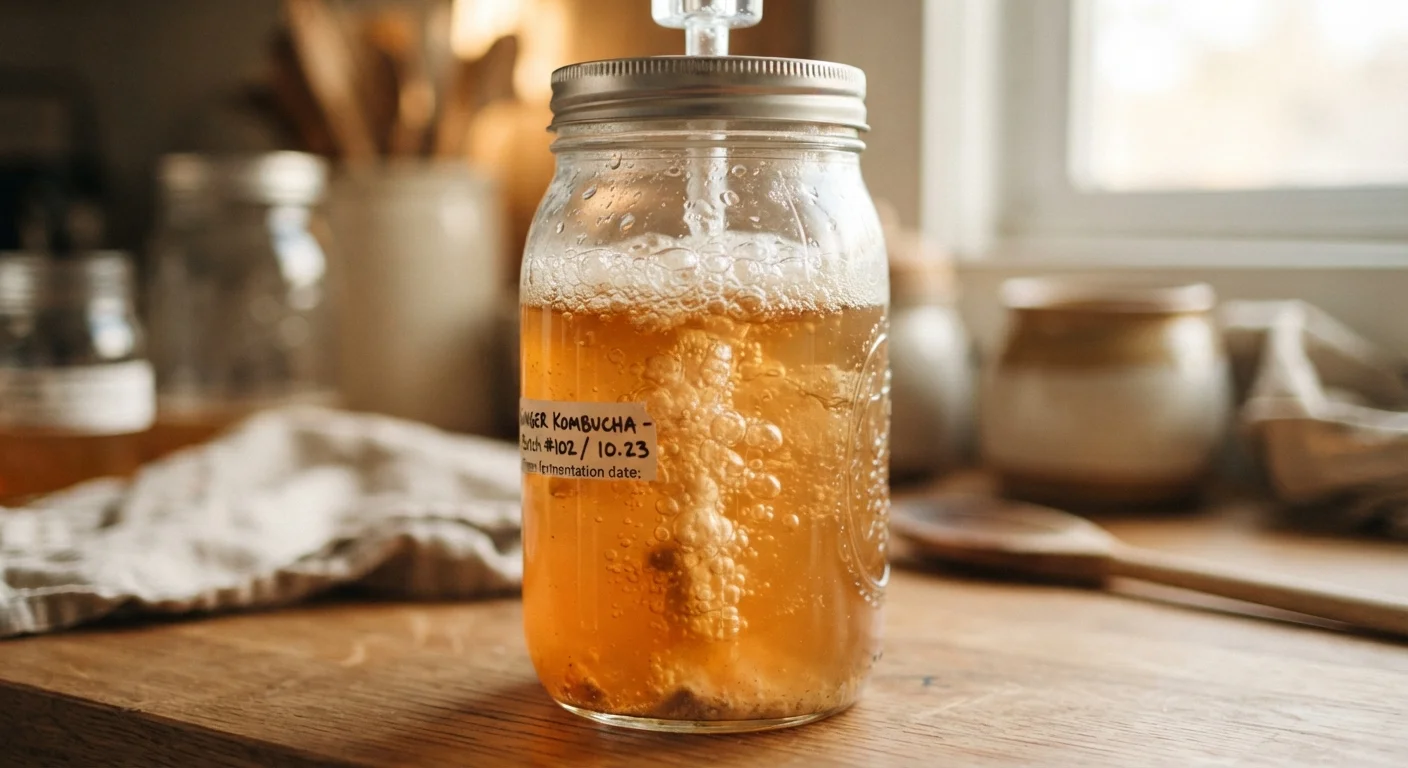
This extraction chemistry also connects to other transformation processes in food and drink. If you're curious how chemistry shapes beverages more broadly, the article on what fermentation does to a drink explores a related set of molecular changes.
Practical Implications for Home Brewing
You don't need a laboratory to improve your water. A few practical steps make a real difference.
- Use a carbon block filter if your tap water contains chlorine or chloramines - these are off-flavor compounds that don't improve extraction and can give brews an unpleasant chemical edge.
- Avoid fully softened water. Ion-exchange softeners replace calcium and magnesium with sodium, which doesn't support extraction the same way. The result is often flat and slightly salty-tasting.
- Avoid distilled water. It contains no minerals, extracts poorly, and is also mildly corrosive to metal brew equipment over time.
- Test your tap water if you're serious about results. Inexpensive TDS meters and water testing strips give you a baseline. If your TDS is above 300 mg/L or your water is visibly hard (scale on kettle), diluting filtered tap water with some low-mineral bottled spring water is a simple workaround.
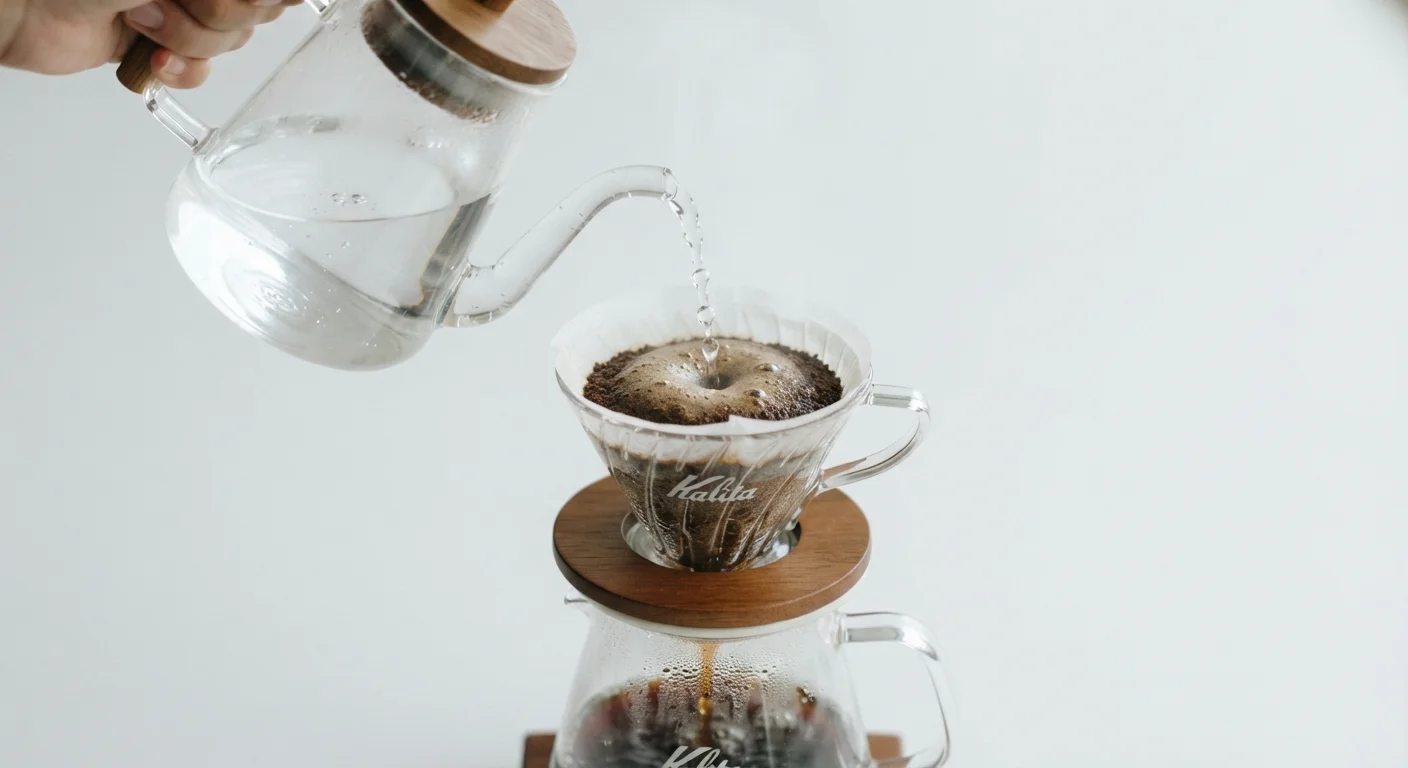
For coffee lovers interested in how roast level interacts with water chemistry, the guide to coffee roast levels and flavor explains why darker roasts are generally more forgiving of hard water, while lighter roasts demand more precise water conditions to shine.