
What They Have in Common - and Why the Confusion Persists
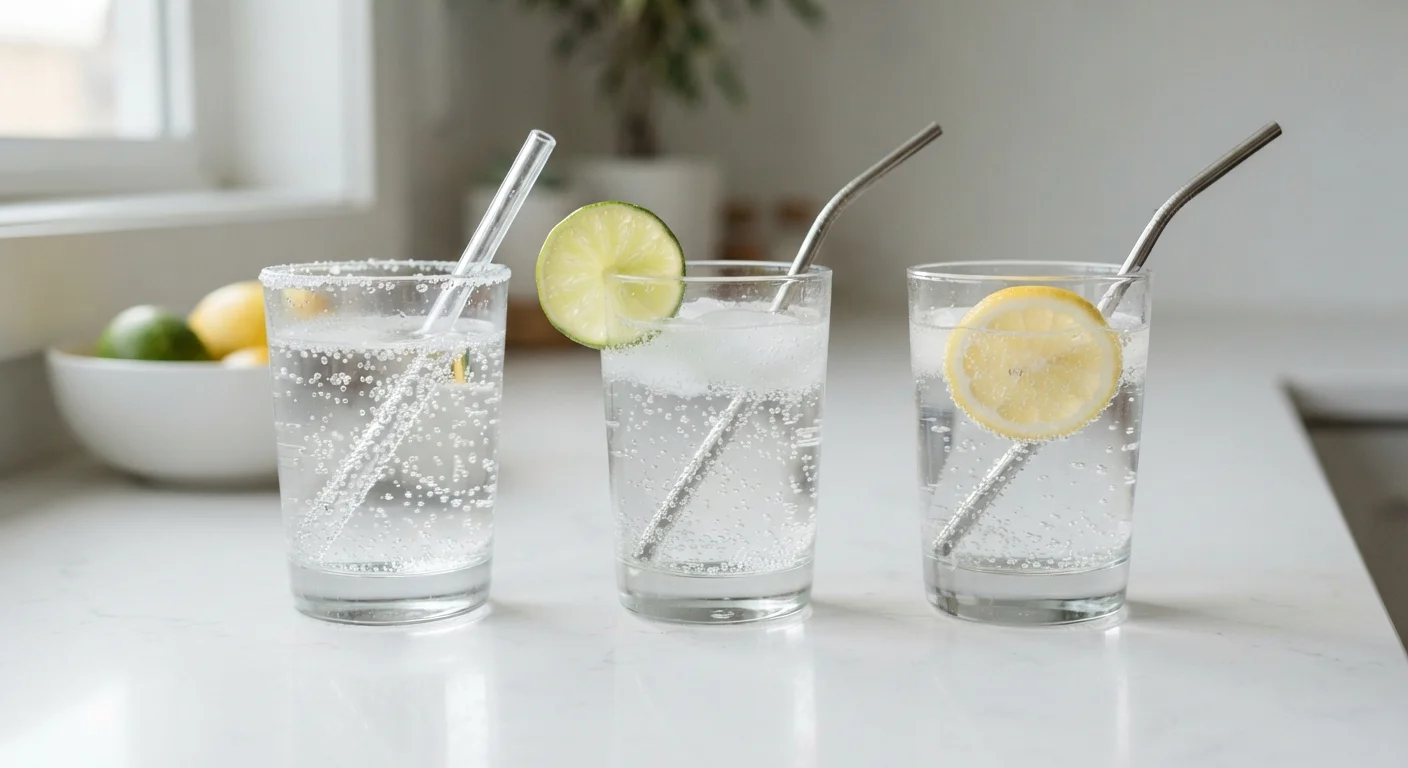
Pour any of the three into a glass and you'll see the same thing: clear liquid with rising bubbles. That visual similarity is precisely why so many people treat sparkling water, club soda, and tonic water as interchangeable. They are all carbonated - meaning carbon dioxide (CO₂) has been dissolved under pressure to create fizz - but the similarities largely end there.
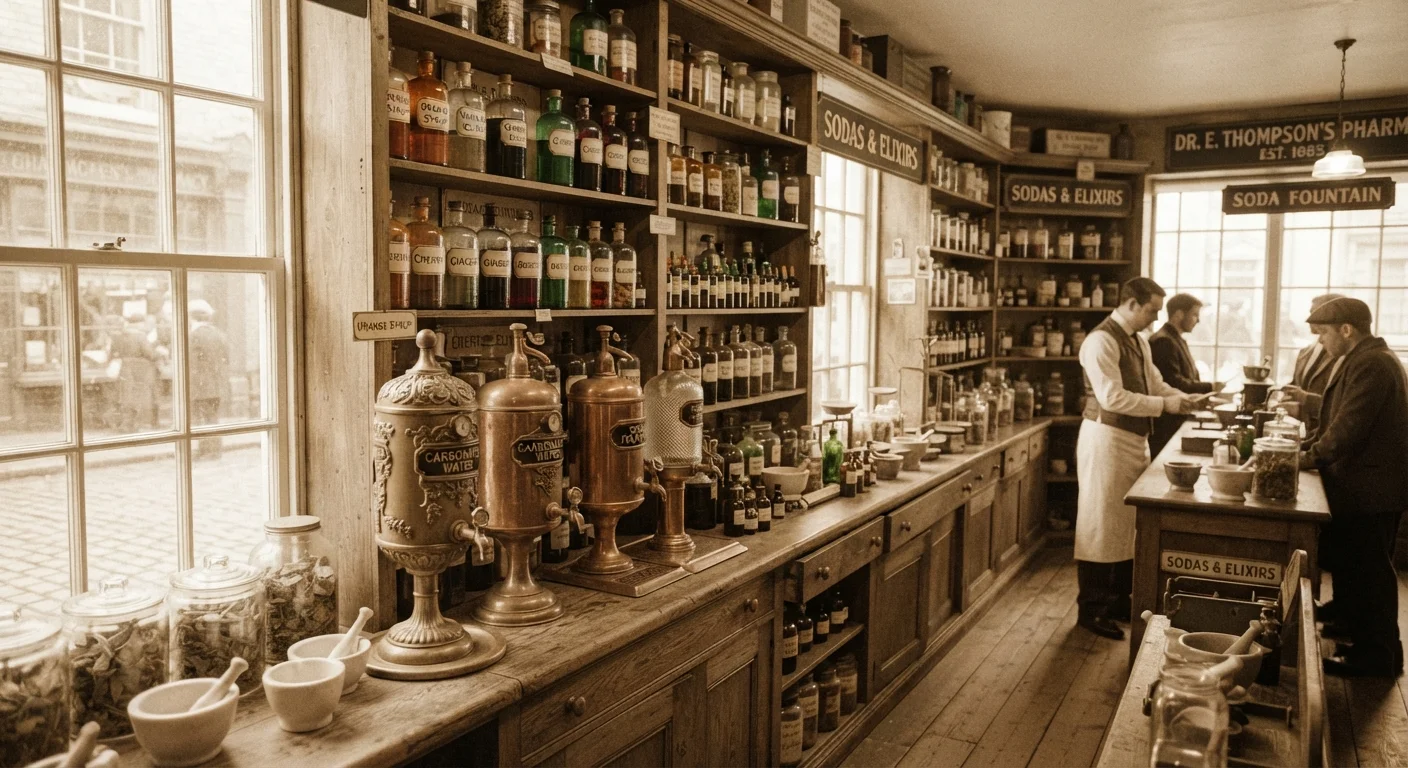
Carbonated beverages have a surprisingly long history. As explored in our history of soft drinks, fizzy drinks first emerged from 18th-century pharmacies as medicinal preparations, and each of these three beverages carries a trace of that origin. Understanding what's actually in the bottle helps you choose the right one for drinking, cooking, or mixing.
| Criterion | Sparkling Water / Club Soda | Tonic Water |
|---|---|---|
| Base ingredient | Water + CO₂ (minerals optional in club soda) | Water + CO₂ + quinine + sugar |
| Taste | Neutral to mildly mineral | Distinctly bitter and sweet |
| Calories | Essentially zero | ~80-90 kcal per 250 ml |
| Sodium content | None (sparkling) / Low (club soda) | Low to moderate |
| Best use | Hydration, light mixing, baking | Cocktail mixing (gin & tonic) |
| Contains added sugar | No | Yes (standard versions) |
Sparkling Water: The Purest Form of Fizz
Sparkling water - also known as carbonated water or seltzer in American English - is water that has been infused with CO₂ gas under pressure. That's it. No minerals are added, no sweeteners, no sodium. The result is a clean, neutral taste with bubbles. Some sparkling waters are naturally carbonated at the source (often labeled as naturally sparkling mineral water), in which case they contain minerals that occur naturally in the spring. However, the vast majority of commercially available sparkling waters are produced by injecting CO₂ into still filtered water.
Sparkling water contains essentially zero calories and no sodium, making it nutritionally equivalent to still water. It can be flavored with citrus or fruit essence (still widely sold as sparkling water), but unflavored varieties have no additives whatsoever. It's the most neutral choice of the three.
~0 kcal
Calories in plain sparkling water (per 250 ml)
Unflavored sparkling water and club soda are nutritionally equivalent to still water, with no meaningful caloric content.
~80-90 kcal
Calories in standard tonic water (per 250 ml)
Standard tonic water contains added sugar, making it significantly more caloric than either sparkling water or club soda.
83 mg/L
Maximum quinine permitted in tonic water (EU standard)
European food safety regulations cap quinine content in tonic water well below any medicinal dose - it's present only for flavor.
Club Soda: Mineral-Enhanced Carbonation
Club soda starts the same way as sparkling water - plain water with added CO₂ - but manufacturers then reintroduce a small set of minerals. Commonly added compounds include sodium bicarbonate, sodium chloride (table salt), and potassium sulfate. These minerals serve two purposes: they give club soda a subtly saltier, slightly more rounded taste compared to plain sparkling water, and they mimic the mineral profile found in natural spring waters.
The mineral content is low enough that club soda remains effectively calorie-free, but it does contain trace sodium - relevant for those watching their sodium intake closely. Club soda is a classic cocktail mixer because its minerals add gentle body to a drink without introducing sweetness or strong flavor. It's also widely used in baking, where its carbonation and mild alkalinity help batters rise slightly.
Club Soda vs Sparkling Water in Cocktails
Bartenders often specify club soda rather than plain sparkling water in mixed drinks because the added minerals help preserve carbonation slightly longer and add a subtle mineral roundness to the drink. For most home recipes, however, the two can be swapped without a dramatic change in the final flavor. When precision matters - as in a carefully crafted highball - the choice can make a perceptible difference.
Tonic Water: The Bitter, Sweet Outlier
Tonic water is where the three diverge most sharply. It begins like club soda - carbonated water with added minerals - but then quinine is added, a compound originally derived from the bark of the South American cinchona tree. Quinine gives tonic water its distinctive bitter flavor and was historically used as a prophylactic against malaria by British soldiers stationed in tropical colonies during the 19th century. To make the bitterness palatable, sugar (or high-fructose corn syrup) was added, and the drink was born.
Modern tonic water contains quinine in quantities far below any medicinal threshold - it's purely there for taste. But unlike sparkling water or club soda, standard tonic water contains a meaningful amount of sugar and therefore carries calories, typically around 80-90 kcal per 250 ml serving. Low-sugar or diet versions are widely available. Tonic water's complex flavor profile makes it unsuitable as a simple hydration drink but ideal for classic cocktails. If you're curious about how regional drink traditions shape these kinds of flavors, our piece on drinks around the world explores how bitterness and fermentation appear across many cultures' beverage traditions.