
Why Snacking Gets a Mixed Reputation
Snacking sits in a nutritional grey zone. Done thoughtfully, it can bridge gaps between meals, stabilise blood glucose, and prevent the kind of excessive hunger that drives poor food choices at the next sitting. Done carelessly, it adds empty calories, disrupts appetite regulation, and contributes to a pattern of grazing that makes it hard to tune into genuine hunger signals.
The difference lies less in snacking itself and more in what, when, and why you snack. As part of the nutritional patterns found consistently in healthy diets, snacking is neither universally good nor bad - context determines its value.
Individual Needs Vary Considerably
The right snacking approach depends on factors including meal size, activity level, age, metabolic health, and personal routine. Some people function well with no snacks at all; others benefit from one or two between meals. There is no single correct pattern. If you experience persistent energy crashes, unusual hunger, or suspect a blood sugar imbalance, speak with a GP or registered dietitian rather than self-managing through food adjustments alone.
What Makes a Snack Nutritionally Useful
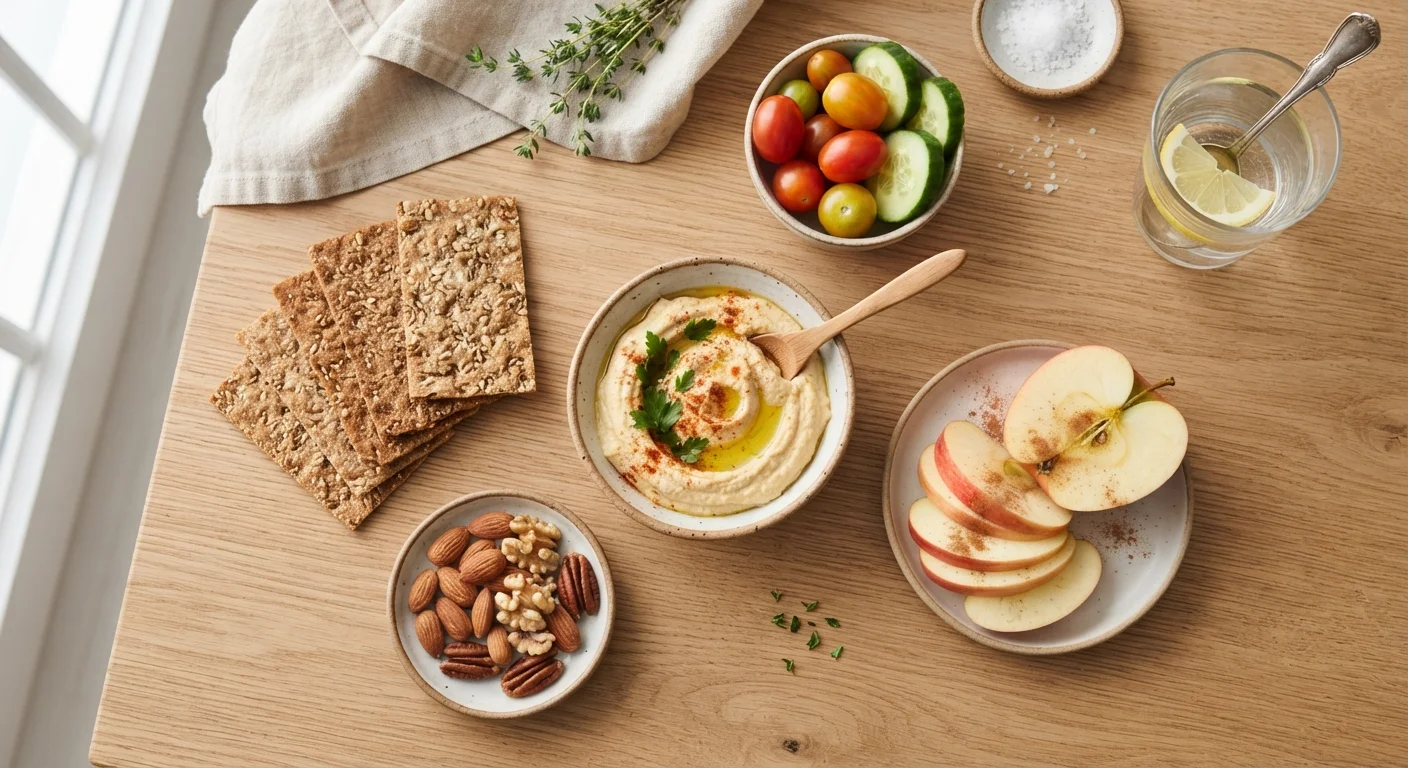
The most effective snacks share a few structural qualities. They contain at least one of the three macronutrients that slow gastric emptying - protein, dietary fibre, or fat - rather than relying on rapidly digested simple carbohydrates alone. A piece of fruit is nutritious, but pairing it with a small handful of nuts adds protein and fat that blunts the glucose response and extends satiety.
Ultra-processed snack foods - those with long ingredient lists, added emulsifiers, and engineered flavour profiles - tend to be calorie-dense, nutrient-light, and designed to override normal fullness cues. This is one of the thinking errors that make nutrition harder than it needs to be: equating a product's health marketing with its actual nutritional quality.
Pair a carbohydrate source with protein or healthy fat at every snack.
Carbohydrates digest quickly and can cause a rapid rise and fall in blood glucose. Adding protein or fat slows digestion, moderates the glucose response, and extends the feeling of fullness. This combination supports steadier energy across the hours between meals.
Eat in response to hunger rather than schedule or habit alone.
Snacking on a fixed schedule regardless of appetite can override the body's natural hunger and satiety signals over time. Checking in briefly before reaching for food - asking whether you are actually hungry - helps maintain sensitivity to those cues and prevents unnecessary calorie accumulation.
Portion your snack into a bowl or plate before eating.
Eating directly from a bag or box removes visual feedback about quantity, which research suggests leads to higher intake without a corresponding increase in satisfaction. A defined portion creates a natural stopping point and increases mindful awareness of what you are consuming.
Minimise distraction while snacking.
Eating while focused on a screen, phone, or task reduces attention to taste, texture, and fullness signals. Studies on distracted eating suggest it is associated with higher intake at the time and poorer recall of what was consumed, which can lead to eating again sooner.
Keep nutritious, ready-to-eat snacks visible and accessible.
Food environment shapes food choices more powerfully than motivation or intention. When whole foods require no extra preparation and are placed at eye level, they become the default option. Less nutritious options stored out of sight require an extra deliberate step to access.
Timing, Hunger Cues, and Habit
A snack eaten two hours after a meal in response to genuine hunger works differently than one eaten out of boredom, stress, or social pressure. Learning to distinguish physical hunger - a hollow sensation in the stomach, mild light-headedness, or difficulty concentrating - from emotional appetite is a skill worth developing, though it takes consistent practice.
Eating patterns across the full day matter more than any single food choice. The overall dietary pattern carries more weight than individual foods, which means one impulsive handful of crisps is unlikely to derail anything, but a chronic habit of late-night, high-sugar snacking can cumulatively affect energy levels, sleep quality, and appetite regulation.
Practical Principles for Smarter Snacking
Preparation is the most reliable lever. People who keep ready-to-eat, nutrient-dense options within reach - washed fruit, portioned nuts, boiled eggs, plain yoghurt - default to those rather than whatever is most convenient in a hungry moment. Just as short movement breaks can be built into a busy day, food habits are largely shaped by environment and routine rather than willpower alone.
Plate or bowl your snacks rather than eating from the package. Research on portion behaviour consistently shows that defined serving sizes reduce unconscious overconsumption. Eating while distracted - at a screen or during a commute - tends to reduce awareness of how much you have consumed, which can erode hunger signals over time.
~25%
Daily calories from snacks in many adults
Dietary surveys in multiple high-income countries suggest snacks account for roughly a quarter of total daily energy intake for many adults, underlining why snack quality matters.
2-3x
Greater satiety from protein vs. refined carbs
Nutrition research consistently finds that protein produces two to three times greater satiety per calorie compared with refined carbohydrates, supporting its role as a key snack component.
This article is for general informational and educational purposes only and does not constitute medical or dietary advice. If you experience persistent fatigue, unusual hunger, or blood sugar concerns, please consult a qualified healthcare professional.