
Why a Pre-Start Checklist Matters
Starting a new fitness routine is genuinely exciting - and that enthusiasm is worth protecting. One of the most common reasons people abandon a new programme within the first few weeks isn't lack of motivation; it's a mismatch between expectations and reality, or an early injury that could have been avoided with a little groundwork.
This checklist is designed to help you set yourself up properly - not to create barriers, but to make your first steps as smooth and sustainable as possible. Whether you're planning to walk three times a week or train for a 5K, the preparation steps are similar. Before you dive into the details, it may also help to familiarise yourself with common fitness vocabulary: our beginner's fitness glossary explains terms like progressive overload, reps, and sets in plain language.
Always Check In With a Healthcare Professional First
If you have a chronic condition such as cardiovascular disease, diabetes, or joint problems - or if you are pregnant, recovering from illness, or have been physically inactive for an extended period - please speak with your doctor or a qualified health professional before beginning any new exercise programme. This checklist offers general guidance only and is not a substitute for personalised medical assessment.
What You'll Need
You don't need a lot of equipment to begin moving more, but a few practical tools make the process easier to track and sustain.
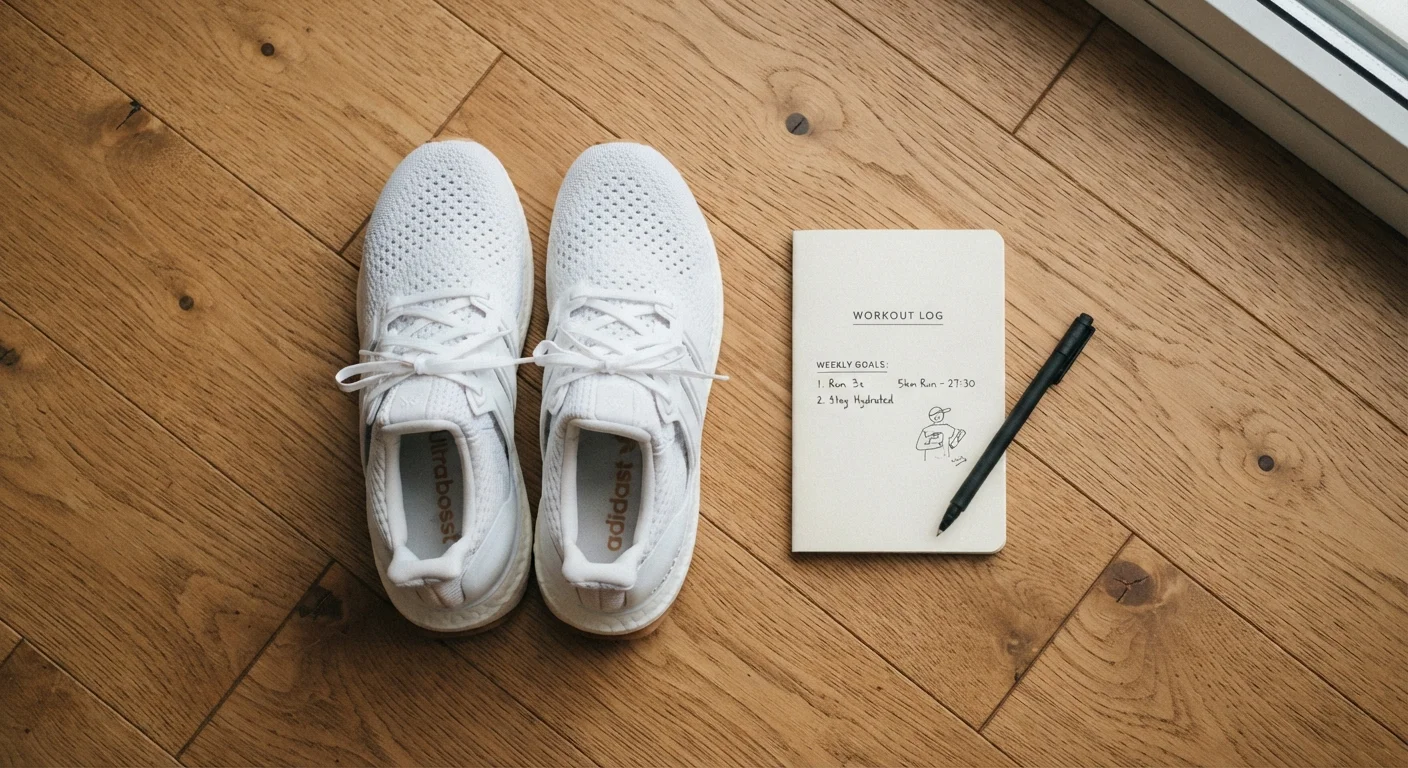
Supportive footwear
Appropriate shoes for your chosen activity reduce the risk of foot, knee, and joint discomfort, especially for walking, running, or gym-based exercise.
A notebook or basic tracking app
Recording your sessions helps you spot patterns, celebrate progress, and notice if your plan needs adjusting.
Water bottle
Staying hydrated before, during, and after exercise supports performance and recovery.
Comfortable, breathable clothing
Clothes that allow free movement and manage moisture help you stay comfortable throughout a session.
Fitness wearable or heart rate monitor
Provides objective data on intensity and can help beginners avoid overdoing it in the early weeks.
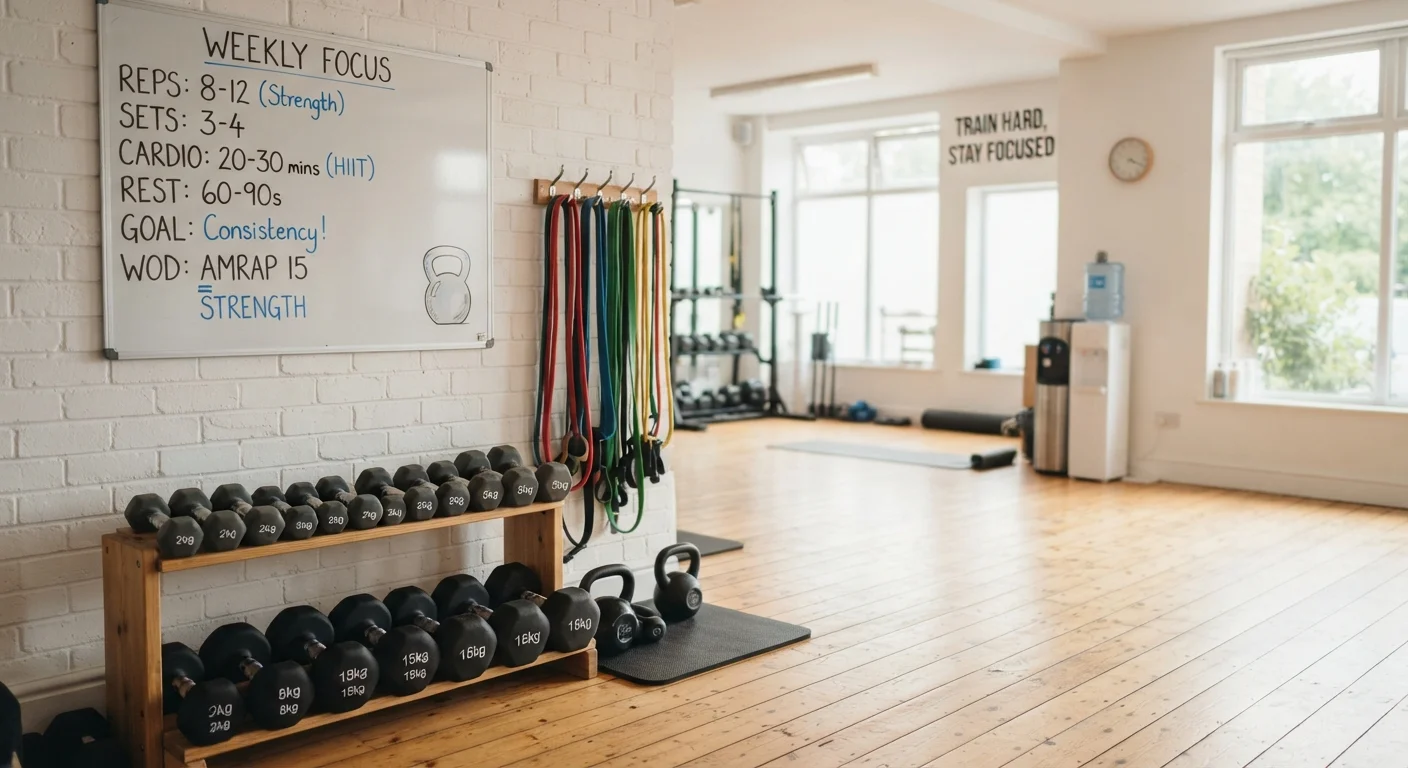
Resistance bands or light weights
Useful for home-based strength work without requiring significant space or expense.
The Checklist
Work through the items below before your first session. Mark each one as you go - taking even an hour to think through these areas can meaningfully reduce the risk of early setbacks.
Health & Safety
Goal Setting
Practical Preparation
Recovery & Support
Don't Skip the Gradual Progression Step
One of the most common early mistakes is doing too much, too soon. Beginning at a level that feels almost too easy is not a sign of weakness - it's a strategy. Overloading the body before it has adapted is a leading cause of injury and burnout in the first weeks of a new routine. Build intensity and duration progressively, and give your body time to respond.
Once you've ticked off this list, take a look at what to realistically expect in your first month - an honest guide to the physical and mental changes that tend to accompany a new movement habit. And if you're running into beliefs like "I need to exercise for an hour to see results" or "I'm not the sporty type," these common fitness myths are worth examining before you begin.
Supporting your new routine with consistent nutrition habits also matters. A weekly nutrition self-check can help you spot gaps in hydration and food variety without calorie counting. And when you do get started, understanding what warm-ups and cool-downs are actually doing will help you get more from every session while reducing injury risk.
This article is for general informational and educational purposes only and does not constitute medical advice. Please consult a qualified healthcare professional before beginning any new physical activity programme, particularly if you have existing health conditions, are pregnant, or have been inactive for an extended period.