
Beyond Aesthetics: What Functional Fitness Really Trains
Walk into most gyms and the focus is clear: get leaner, build bigger muscles, or improve athletic performance. These are valid goals. But functional fitness asks a different question - how well can your body do what life actually asks of it?
Think about the physical demands of a typical day. You might lift a child, carry shopping bags across a car park, reach overhead to grab something from a high shelf, or crouch down to pick up something you dropped. None of these require a six-pack. All of them require a body that moves with control, stability, and strength.
Functional fitness is the practice of training those exact capabilities. It focuses on movement patterns - pushing, pulling, squatting, hinging, carrying, and rotating - rather than targeting individual muscles in isolation. The result is fitness that feels useful, not just visible.
For a broader glossary of fitness terminology, see The Fitness Terms Every Beginner Should Know.
1 in 3
Adults over 65 experience a fall each year
According to the World Health Organization, falls are the second leading cause of accidental injury worldwide - making balance and strength training a direct public health priority.
28%
Adults globally are insufficiently physically active
The WHO estimates more than a quarter of the world's adult population does not meet recommended activity levels, highlighting the broad relevance of accessible fitness approaches like functional training.
The Core Movement Patterns Behind Functional Training
Functional training is built around a handful of fundamental movement patterns that appear repeatedly in daily life:
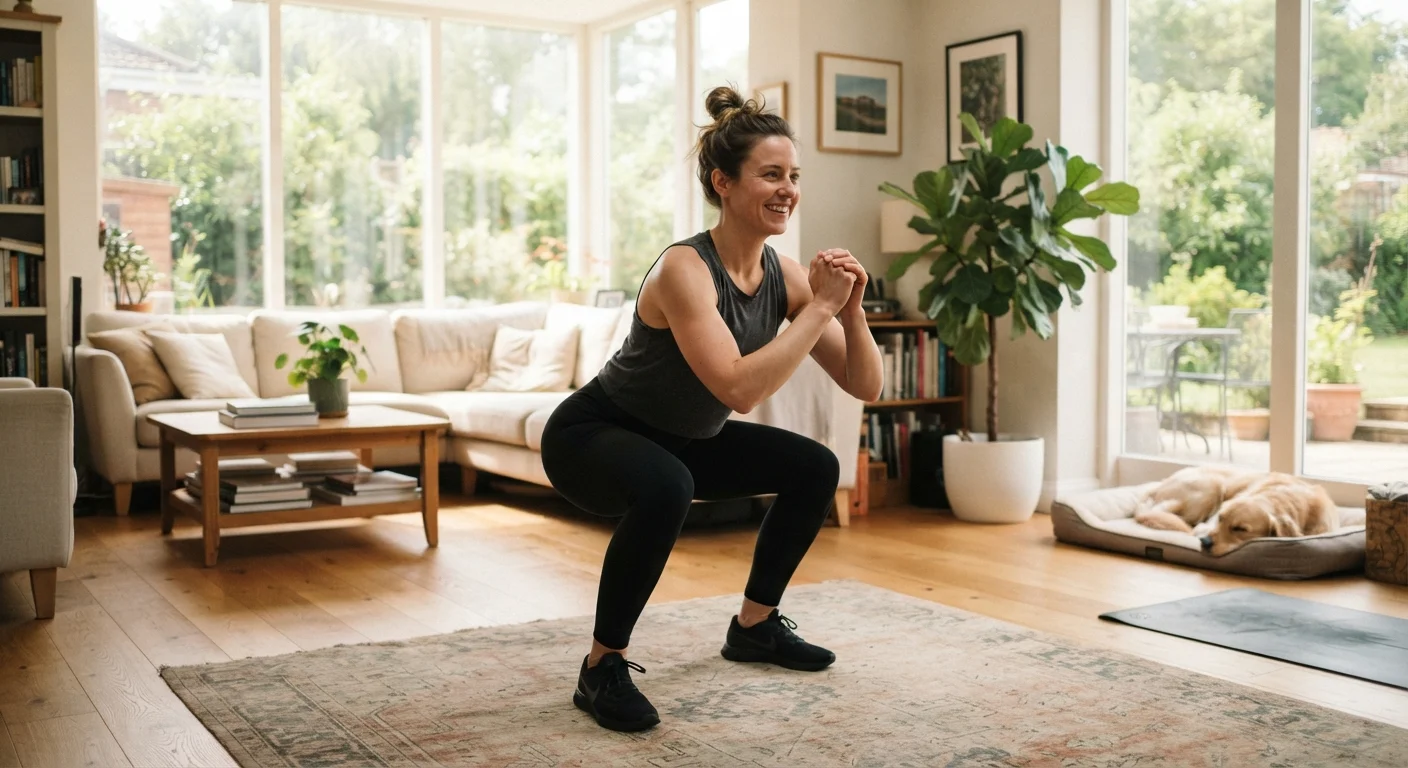
- Squat: Sitting, standing, lowering yourself to the floor. Trains legs and hips in a deeply practical way.
- Hip hinge: Picking something up from the ground without straining your back. The foundation of safe lifting.
- Push: Opening a heavy door, pushing a trolley, pressing something overhead.
- Pull: Opening a drawer, carrying bags, rowing - works the often-neglected muscles of the back.
- Carry: Simply moving with weight - groceries, a backpack, a child - challenges the whole body at once.
- Rotate and stabilise: Turning to look behind you while driving, or holding your balance on uneven ground.
The important thing is that these are not exotic exercise-class movements. They are human movements - ones your body was designed to do. Functional training simply makes you better at them.
Who Benefits - and Why It's Especially Relevant Now
One of the most encouraging things about functional fitness is how broadly it applies. A 70-year-old wanting to stay independent at home and a 30-year-old desk worker with a sore lower back are both doing functional training when they practice hip hinges and core stability work. The exercises look similar; only the load and intensity change.
For older adults especially, functional training is closely linked to maintaining independence. Research published in journals including the British Journal of Sports Medicine has consistently found that strength and balance training reduces fall risk - one of the most significant threats to quality of life in later years.
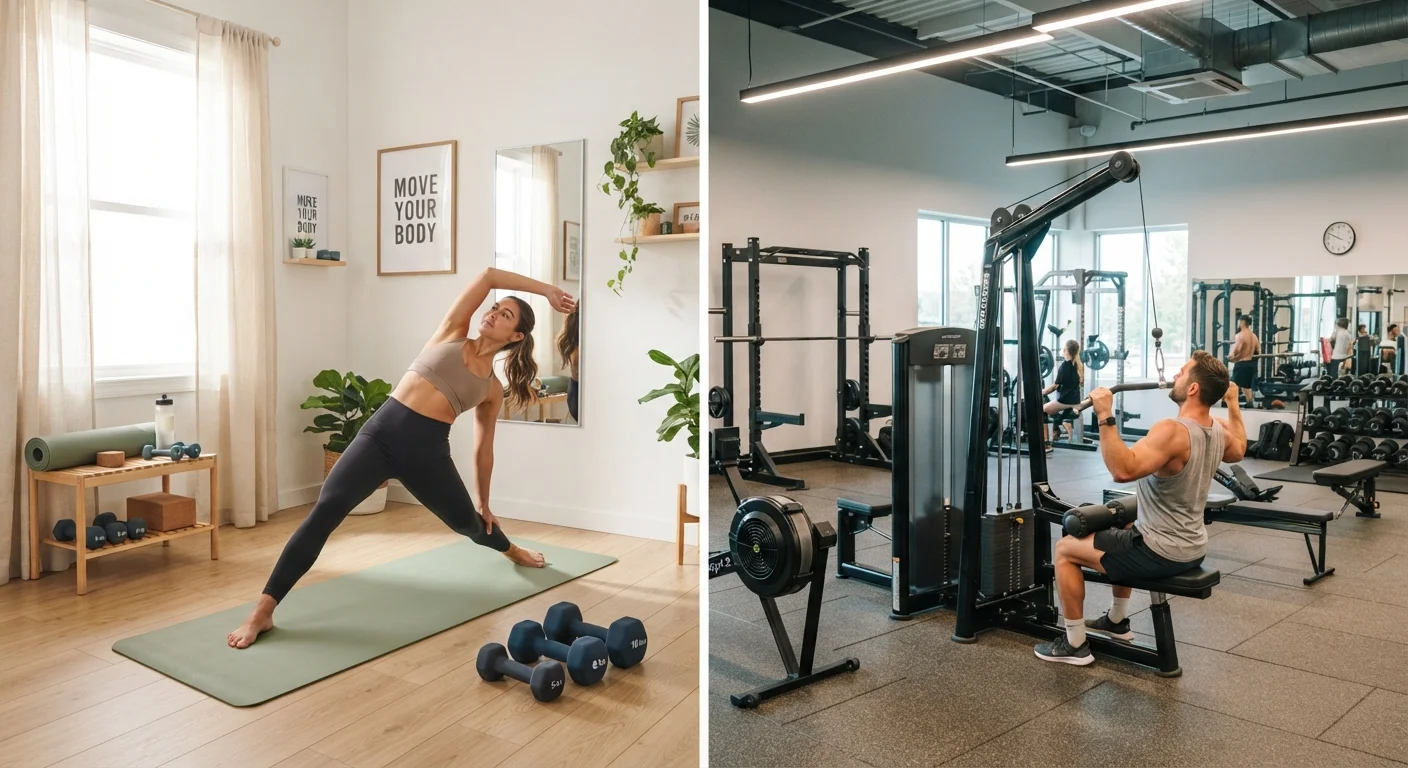
For younger or more sedentary adults, functional fitness addresses the physical consequences of sitting for long stretches: weak glutes, tight hip flexors, poor posture, and reduced core stability. It does not require hours in the gym. Many effective routines can be done at home with no equipment at all - a point explored further in Home Workouts vs. Gym Training.
Start With Three Movements, Not Thirty
If functional fitness feels overwhelming, pick just three basic movement patterns to practise this week - for example, a squat, a push-up variation, and a hinge. Doing a small number of movements consistently and with good form delivers far more benefit than an elaborate programme abandoned after a week. Consistency and quality matter more than volume.
Getting Started Without Overcomplicating It
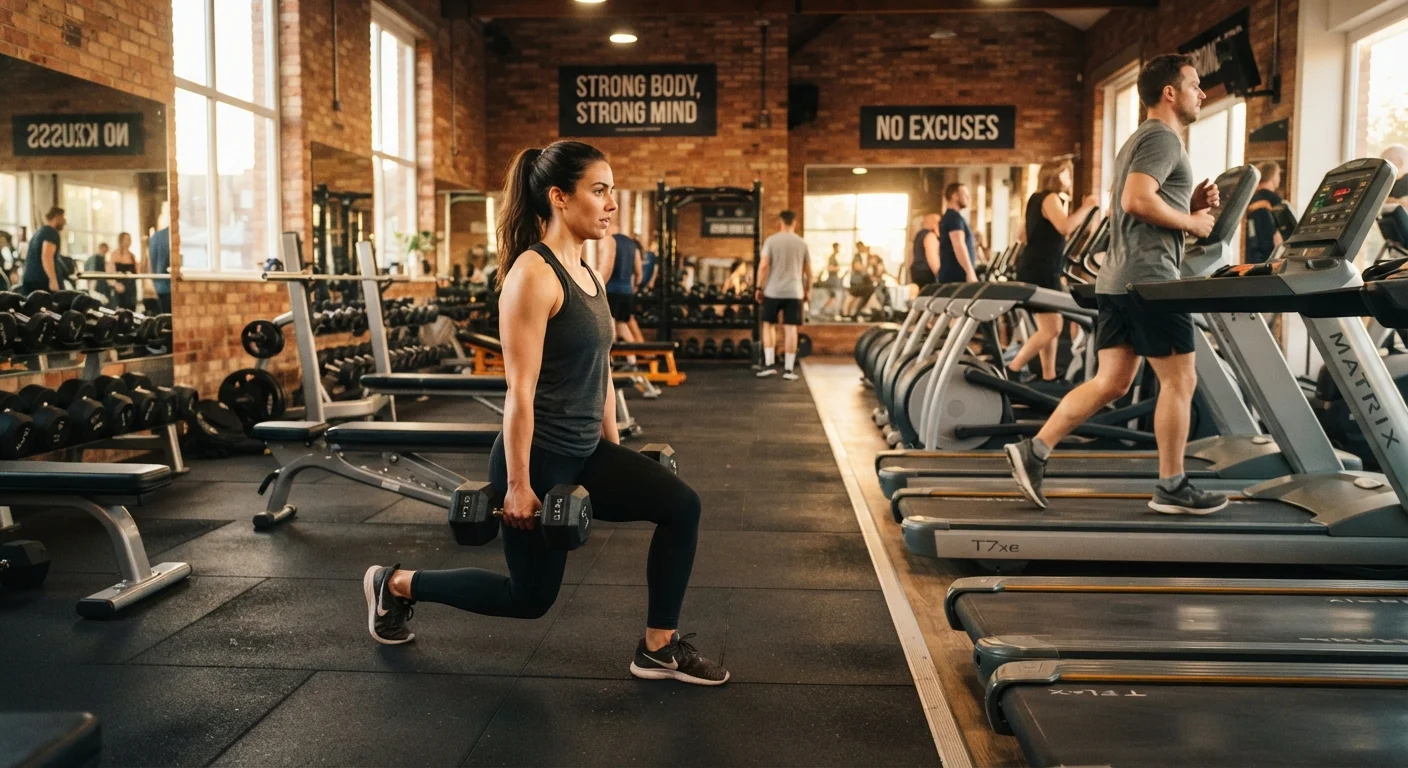
One of the most persistent myths in fitness is that effective training requires complexity - special programmes, expensive equipment, or a high baseline of fitness. Functional training challenges that assumption directly. The bodyweight squat, the push-up, the walking lunge: these are all functional exercises accessible to most beginners.
The key principles are straightforward: start with movements you can control, build load or difficulty gradually, and prioritise quality of movement over quantity. If something feels painful (not just effortful), stop and seek guidance from a qualified fitness or health professional.
It is also worth dispelling a common misconception: functional fitness and strength training or cardio are not competing approaches. They complement each other naturally. See Strength Training and Cardio: Do You Actually Have to Choose? for more on how different training types work together.
Before beginning any new physical activity programme, particularly if you have existing health conditions, it is always worth reviewing Before You Start a New Fitness Routine and speaking with your healthcare provider.
This article is for general informational purposes only and does not constitute medical or personal fitness advice. Consult a qualified healthcare or fitness professional before beginning a new exercise programme, especially if you have existing health conditions or injuries.