
The Concept Behind the Term
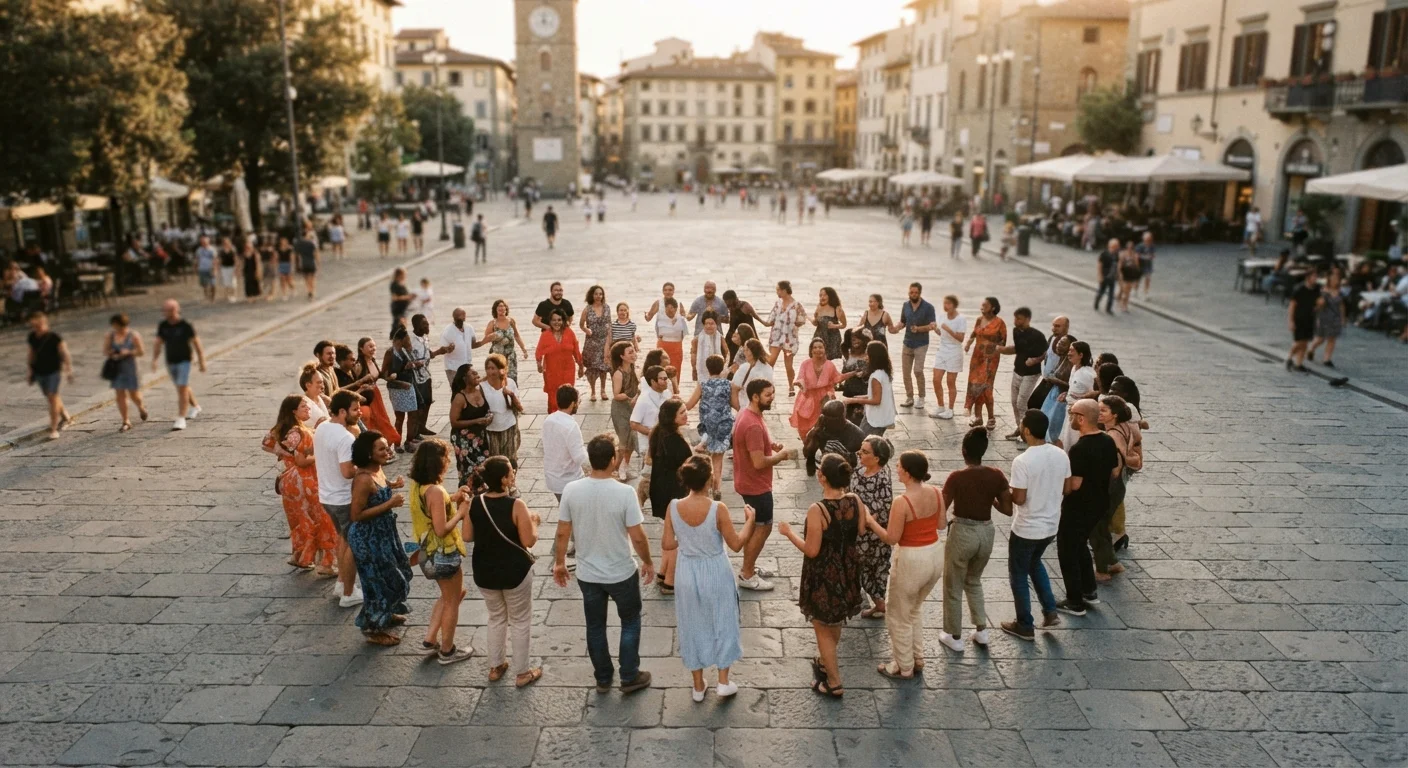
When sociologists talk about third places, they are identifying something most people feel intuitively but rarely name. Ray Oldenburg's framework gave language to the observation that healthy communities depend on informal spaces where people gather without an agenda - not as employees, not as family members, just as neighbors and regulars.
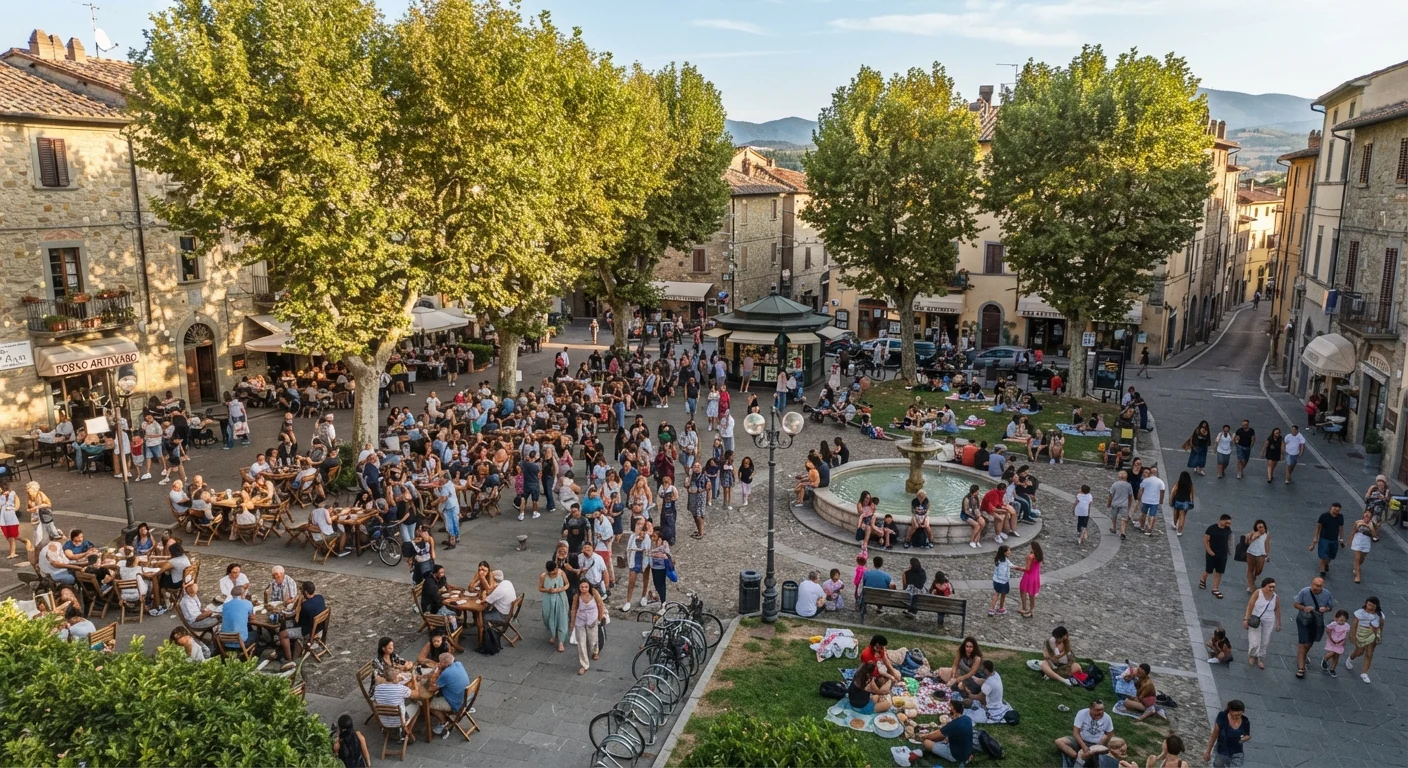
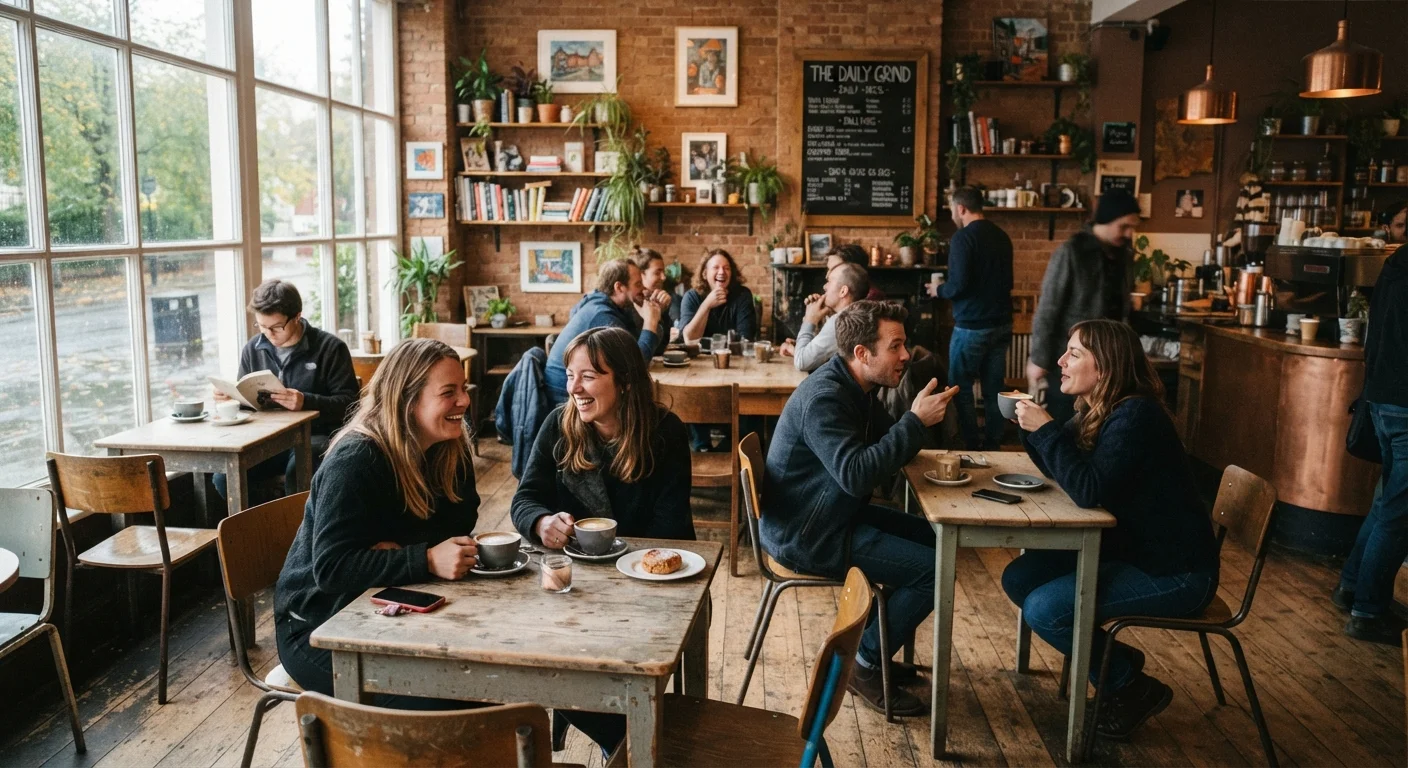
Oldenburg identified several characteristics that define a genuine third place: it is free or inexpensive to enter, it is accessible on foot or by transit, it hosts a regular crowd, and conversation is the primary activity. Crucially, it is leveling - social rank and professional identity recede at the door. The lawyer and the plumber share the same barstool. That egalitarian quality is what makes third places sociologically distinctive. See also what makes a group of people a community for the broader framework these spaces slot into.
“The third place is a generic designation for a great variety of public places that host the regular, voluntary, informal, and happily anticipated gatherings of individuals beyond the realms of home and work.”
— Ray Oldenburg, Urban sociologist and author of 'The Great Good Place' (1989)
Why They Matter More Than They Look
Third places do quiet but significant work. They are where weak ties - acquaintances rather than close friends - are formed and maintained. Sociologist Mark Granovetter's research from the 1970s established that weak ties are often more useful than strong ones for information flow, job leads, and social mobility. Third places are the environment where those weak ties naturally accumulate.
They also serve as a buffer against isolation. A person who lives alone and works from home may go days without unplanned human contact unless a third place pulls them out. Population-level studies on loneliness consistently find that countries and communities with fewer accessible social spaces report higher rates of social isolation. The U.S. Surgeon General's 2023 advisory on loneliness specifically highlighted the erosion of community spaces as a contributing structural factor.
1 in 4
Adults reporting no close social confidants
U.S. General Social Survey data has tracked a multi-decade rise in social isolation, with a growing share of adults reporting zero close friends.
~30%
Decline in informal social club participation since 1970s
Political scientist Robert Putnam documented the broad retreat from civic and informal associations in his influential 2000 work "Bowling Alone."
500+
U.S. independent bookstores closed in a decade
The American Booksellers Association has tracked significant closures of independent bookstores - often cited as third places - over the past several decades.
The connection to civic life is equally important. Third places historically function as informal forums - spaces where local concerns are raised, reputations are built, and collective action is sometimes organized. Their decline is associated with what sociologists describe as the thinning of the social fabric that holds communities together.
What's Driving Their Disappearance
The pressures on third places are structural, not merely cultural. Car-dependent urban design has reshaped many cities and suburbs in ways that eliminate the walkable neighborhood - and with it, the corner café or local park that served as a social anchor. When driving is the only realistic way to reach a gathering space, the spontaneity that defines third places is lost.
Rising commercial rents have squeezed independent venues - the very type most likely to function as third places - in favor of retail chains designed for efficient throughput rather than lingering. The spread of remote work, accelerated by the COVID-19 pandemic, removed even workplace social contact for many people without replacing it with community alternatives. Online communities and in-person ones are more different than you think, and digital spaces - while valuable - do not straightforwardly substitute for a physical neighborhood pub or library.
Recognizing a Third Place Near You
A genuine third place tends to have regulars who know each other by name, low or no entry cost, and a relaxed atmosphere where staying longer is welcome. If you find a spot where conversation happens naturally among strangers and acquaintances alike, you've likely found one. Such places are worth supporting, as their survival often depends on local patronage.
Urban planners and policymakers increasingly cite Oldenburg's framework when arguing for investment in public libraries, pedestrian infrastructure, and community centers. Understanding what third places actually are - and why they work - is the starting point for that conversation. Explore the forgotten spaces where community actually happens for a deeper look at specific environments and their role in social life.