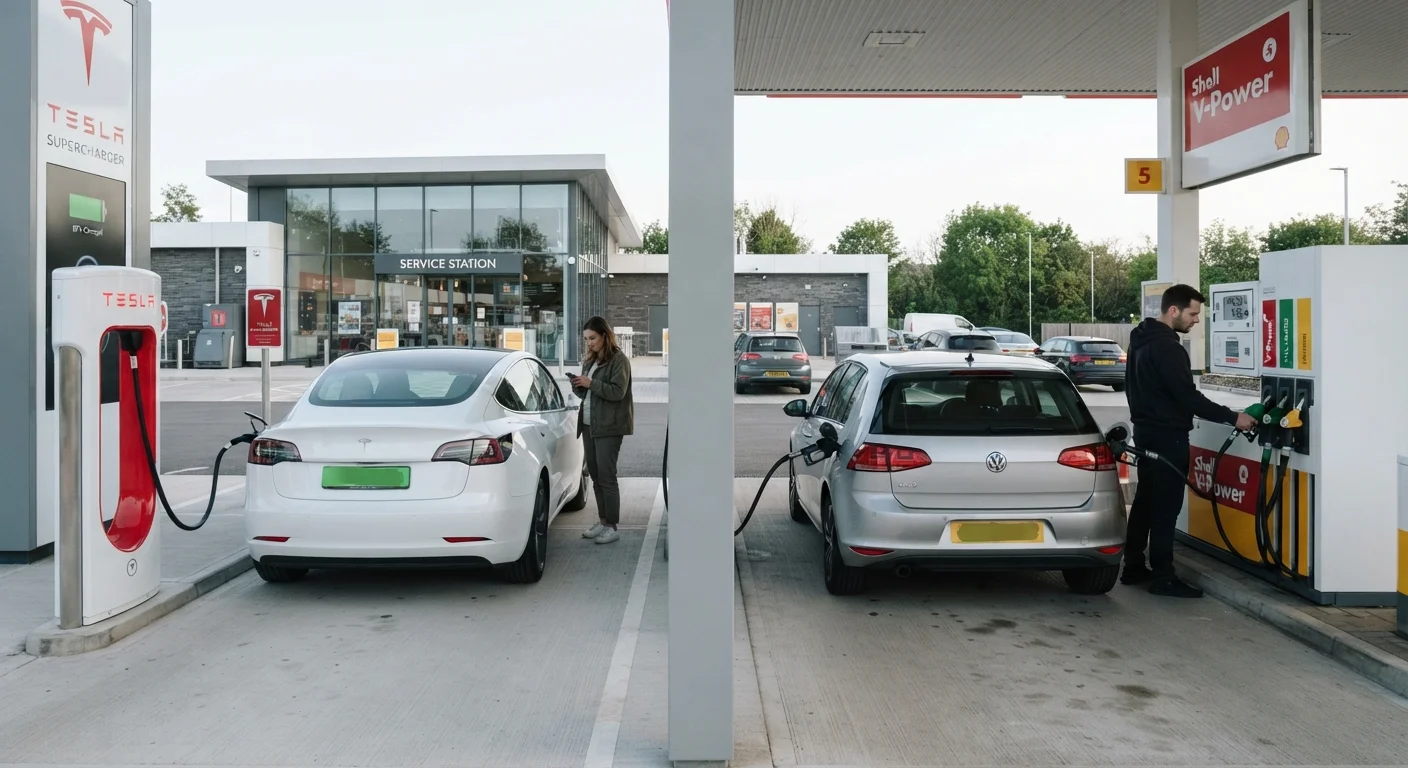

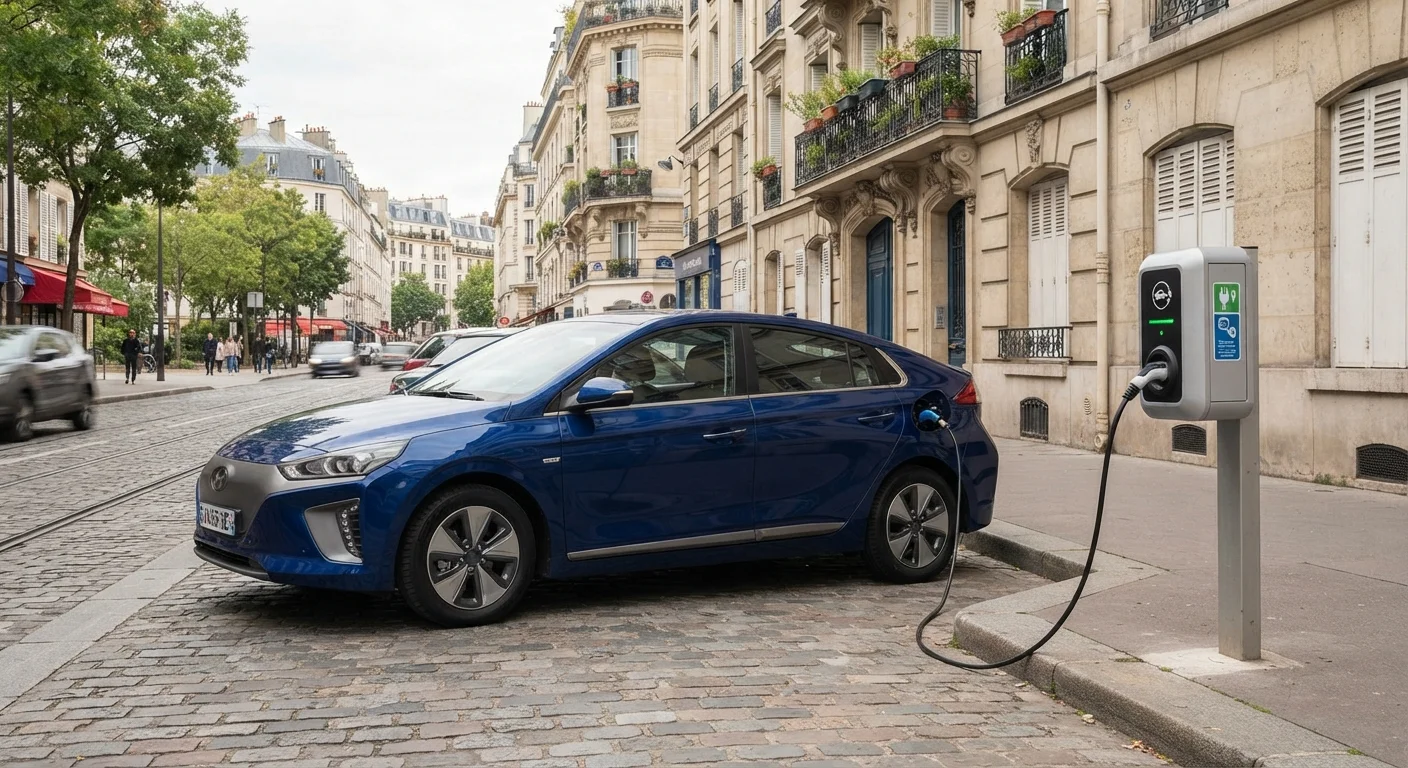
Why This Decision Deserves More Thought Than Usual
Buying any car for the first time involves more variables than most people anticipate. Adding an electric powertrain introduces a further set of infrastructure, lifestyle, and financial questions that don't apply to conventional vehicles. That's not a reason to avoid EVs - it's a reason to approach the decision with a clear framework.
Understanding the car-buying process matters just as much here as for any other vehicle type, but EVs add a layer of specificity around charging access, range planning, and incentive eligibility that deserves dedicated attention.
The Core Advantages Worth Knowing
EVs carry some genuinely compelling benefits, particularly for drivers whose daily patterns suit the technology.
Significantly lower per-kilometre fuel costs
Electricity is generally cheaper than petrol per unit of energy, and drivers who charge at home on off-peak tariffs can reduce running costs considerably compared to a petrol equivalent over the same annual mileage.
Reduced routine servicing requirements
EVs have fewer moving parts than internal combustion engines - no oil changes, fewer brake replacements due to regenerative braking, and no timing belts or exhaust systems to maintain.
Zero tailpipe emissions improve urban air quality
In European cities with low-emission zones (e.g., Germany's Umweltzonen), EVs avoid access restrictions and potential fines that affect older petrol and diesel vehicles.
Smooth, responsive driving experience
Instant torque delivery from electric motors provides strong, linear acceleration that many drivers find more intuitive than managing gear changes in a conventional car.
Potential tax and incentive benefits
Depending on jurisdiction and eligibility, buyers may access purchase subsidies, reduced vehicle tax rates, or favourable company car taxation - lowering the effective acquisition cost.
For a deeper comparison of how these advantages play out day-to-day against petrol ownership, see electric vehicles vs. petrol cars for everyday ownership.
The Disadvantages You Should Factor In
No technology is without trade-offs, and EVs have real limitations that prospective buyers need to weigh honestly.
Higher upfront purchase price than petrol equivalents
Battery costs continue to fall but EVs still typically command a price premium over comparable petrol models, meaning the financial break-even point depends heavily on mileage and local fuel prices.
Home charging not available to all buyers
Apartment dwellers, renters, or those without dedicated parking may have no practical way to install a home charger, making daily recharging inconvenient and potentially expensive via public networks.
Real-world range falls short of official figures
Cold weather, motorway speeds, and heavy loads can reduce effective range by 20-30% compared to WLTP test values, which matters most for longer journeys or drivers without reliable en-route charging access.
Public charging network reliability varies widely
Coverage density and charger availability are improving across Germany and Europe but remain inconsistent, particularly in rural areas - out-of-service units and queuing at popular rapid chargers are not uncommon.
Battery degradation affects long-term range
EV batteries lose capacity gradually over years of use and charge cycles. Buyers considering used EVs should request battery health reports and factor degradation into range expectations.
Used EVs: Lower Entry Cost, Added Checks Required
The used EV market offers a way into electric ownership at a lower price point, but battery health is a critical variable that doesn't have an equivalent in petrol car buying. Before purchasing a used EV, request a battery state-of-health report from the manufacturer's diagnostic system or an independent inspection. A battery retaining 80% or more of its original capacity is generally considered acceptable, but lower figures will meaningfully affect real-world range.
These drawbacks don't make EVs a poor choice - they make mismatched EV ownership a poor choice. Matching the technology to your actual lifestyle eliminates most of these friction points.
Charging: The Make-or-Break Practical Question
Access to reliable, convenient charging determines more about day-to-day EV ownership satisfaction than almost any other factor. Drivers with a private garage or dedicated parking can install a home wallbox - typically delivering a full charge overnight - and rarely need to think about charging at all. Those relying entirely on public infrastructure face a different experience.
~80%
EV charging done at home or work
Industry surveys across European markets consistently find that the majority of EV charging takes place at private or workplace installations rather than public points.
20-30%
Real-world range reduction in cold weather
Research including studies by AAA and European motoring organisations indicates battery range can drop substantially at low temperatures, particularly below 0°C.
Before purchasing, verify whether your building or local authority permits wallbox installation, what the installation cost involves, and whether your electricity tariff includes an off-peak overnight rate. These details dramatically affect both convenience and running costs. What new car owners often overlook includes practical running-cost considerations that apply equally here.
Financial Realities: Incentives, Total Cost, and Financing
EVs typically carry a higher purchase price than comparable petrol models, though this gap has been narrowing. In Germany, the BAFA environmental bonus scheme provided purchase subsidies for several years, though eligibility rules and funding have changed over time - always verify current conditions directly with the relevant authority before assuming a subsidy applies. Company car tax benefits remain available in many European jurisdictions for zero-emission vehicles.
Over a full ownership period, lower fuel and servicing costs frequently offset the higher entry price - but the timeline varies by annual mileage and local electricity rates. Weighing outright purchase against financing is a relevant consideration here, since EVs can be financed under the same structures as any vehicle. Before committing, work through the total cost of ownership rather than the sticker price alone. For a broader checklist, questions worth asking before committing to any vehicle provides a useful starting framework.
This article provides general educational information and does not constitute personalised financial advice. Incentive schemes are subject to change; consult official sources and a qualified adviser for guidance specific to your situation.