

The Costs That Surprise New Owners Most
The sticker price gets all the attention, but the real cost of car ownership reveals itself gradually - and often at inconvenient moments. New owners frequently underestimate the cumulative weight of running costs once the excitement of driving home has worn off.
In Germany, annual vehicle tax (Kfz-Steuer) is calculated based on engine displacement and emissions class. An older petrol engine can generate a noticeably higher annual tax bill than a newer, lower-emission equivalent. Fuel costs vary with driving habits, but averaging across urban and motorway driving gives a more realistic picture than the official consumption figures alone.
Tyre wear, brake pad replacement, seasonal tyre changeovers (winter tyres are legally required under certain conditions in Germany), and workshop labour all add up. Setting aside a small monthly amount specifically for maintenance and unexpected repairs smooths out the financial impact considerably. Our guide on total cost of ownership explores how to calculate these figures before you commit to a vehicle.
Kfz-Steuer
Annual vehicle tax in Germany, calculated based on engine size and emissions class. The amount varies depending on whether your car runs on petrol, diesel, or another fuel type.
Haftpflichtversicherung
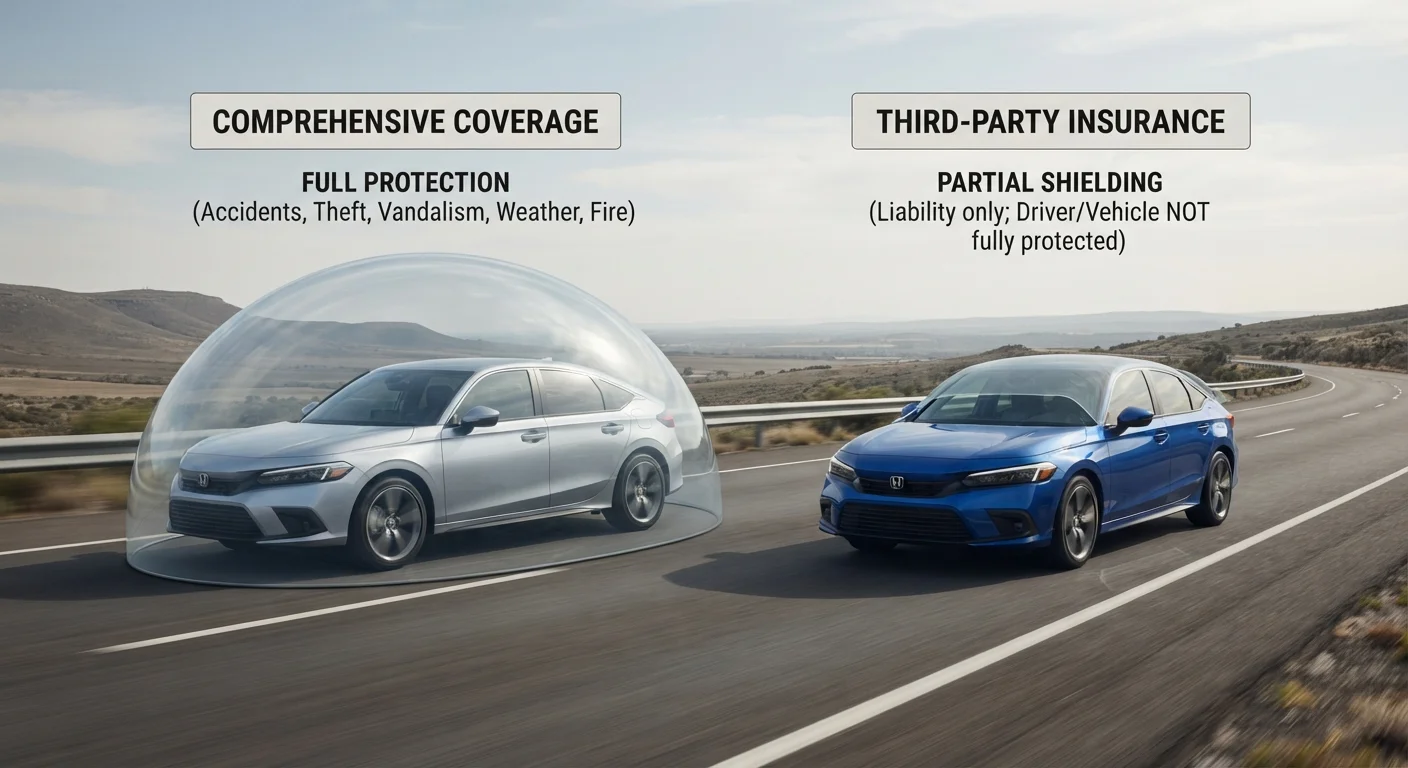
Mandatory third-party liability insurance required to legally drive in Germany. It covers damage or injury you cause to other people and their property, but not damage to your own vehicle.
Hauptuntersuchung (HU)
A mandatory roadworthiness inspection in Germany, conducted every two years for most passenger cars. The inspection date appears as a coloured sticker on the rear number plate.
Zulassungsbescheinigung Teil I
The vehicle registration certificate that must be kept in the car at all times. It confirms the vehicle is registered to a specific owner and carries key technical data.
Vollkasko
Full comprehensive car insurance that covers damage to your own vehicle - including damage caused by your own driving errors - in addition to third-party liability.
StVZO
The Straßenverkehrs-Zulassungs-Ordnung is Germany's road vehicle licensing regulation. It sets technical and safety standards that all vehicles on German public roads must meet.
Insurance: More Than Just a Legal Requirement
Liability insurance (Haftpflichtversicherung) is not optional in Germany - driving without it is a criminal offence that can result in licence suspension and personal liability for any damages caused. But understanding what your policy actually covers is equally important.
Third-party liability pays for injury or property damage you cause to others. It does not reimburse you for repairs to your own car. Partial comprehensive cover (Teilkasko) adds protection against theft, fire, storm, and animal collisions. Full comprehensive cover (Vollkasko) also includes damage caused by your own driving errors - relevant if you are still building confidence behind the wheel.
For a detailed breakdown of what each tier covers and where the gaps are, see our article on comprehensive vs. third-party insurance.
Review Your Policy Before You Need It
Read through your insurance policy document when you are not stressed - not at the roadside after an incident. Note the claims hotline number, understand your excess amount, and know whether your policy includes a courtesy car. Storing a photo of your insurance card on your phone (alongside the physical copy) can save time in an emergency.
Maintenance Basics Every Driver Should Know
You do not need to be a mechanic, but you do need to understand what your car requires - and when. The owner's manual is the most authoritative source for service intervals, fluid specifications, and tyre pressure ratings for your specific vehicle. Read at least the maintenance and warning light sections before your first long drive.
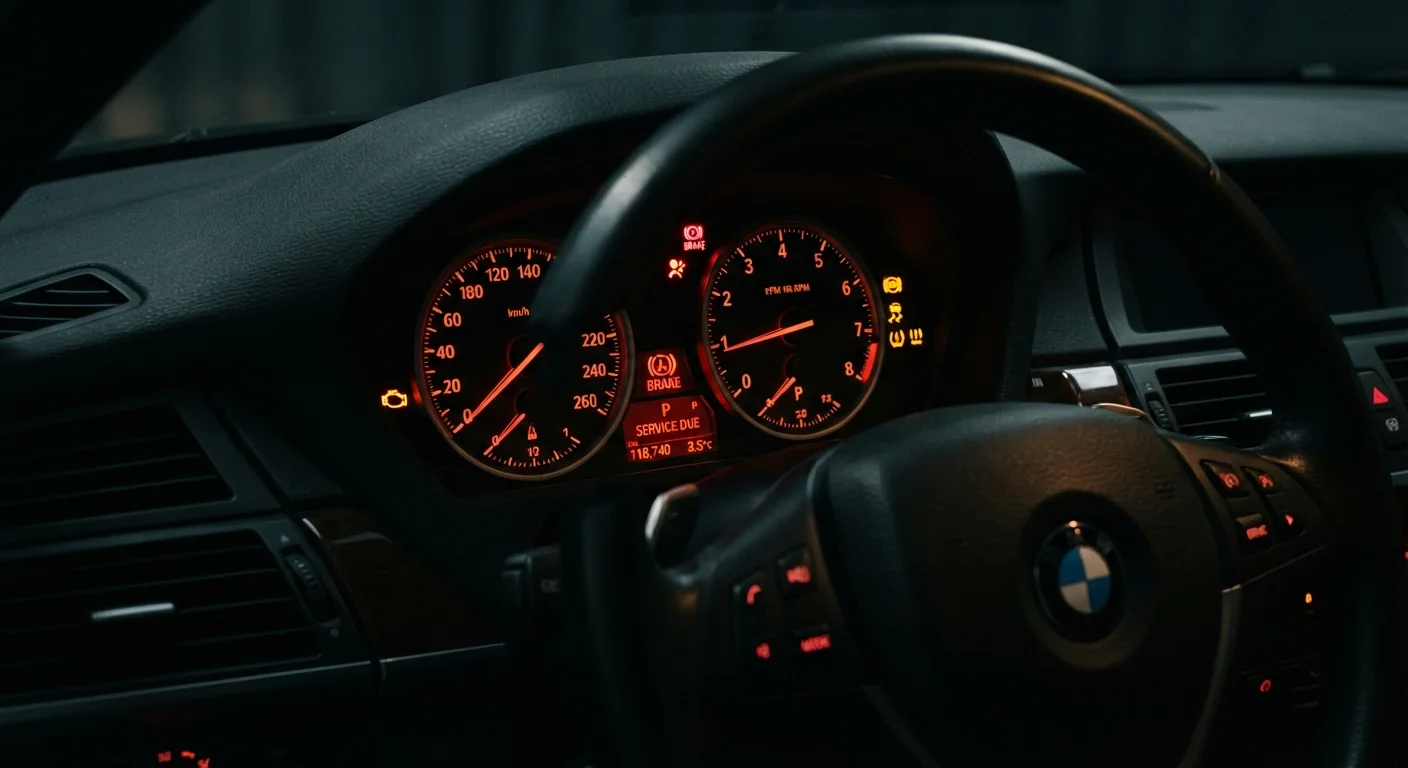
A few checks any driver can safely perform: inspect tyre pressure monthly (including the spare), top up windscreen washer fluid, and visually check engine oil level using the dipstick. These take minutes and can prevent roadside problems. Your dashboard is also a communication channel - warning lights are not decorative. Our companion article on decoding warning lights explains exactly what each symbol means and which ones require immediate action.
For brake work, suspension, and anything involving safety-critical systems, always use a qualified workshop. The StVZO sets legal safety standards for vehicles on German roads, and a car in poor mechanical condition can fail roadworthiness inspection (Hauptuntersuchung, commonly known as TÜV).
Never Ignore a Red Warning Light
A red dashboard warning light signals a condition that may require you to stop driving immediately - examples include engine oil pressure loss or coolant overheating. Continuing to drive can cause severe and costly engine damage. Pull over safely, consult your owner's manual, and contact a qualified mechanic or recovery service if in doubt.
Documents, Registration, and Road Legality
German road law requires three documents to be present every time you drive: your driving licence, the vehicle registration certificate (Zulassungsbescheinigung Teil I, also called Fahrzeugschein), and evidence of valid liability insurance - typically provided via the insurance confirmation card (eVB-Nummer at the point of purchase, then the green card).
If you have bought a used vehicle, confirm the registration is transferred into your name promptly at your local vehicle licensing authority (Kfz-Zulassungsstelle). Driving a car registered to someone else can create legal complications in the event of an accident or police check. Also check that the vehicle's next Hauptuntersuchung (HU) date has not lapsed - the sticker is displayed on the rear number plate.
For anyone considering their next step beyond a first car, the Buying a Car hub covers the broader purchasing process in objective detail.
Building Good Habits from Day One
Experienced drivers share a set of low-effort, high-impact habits that keep cars reliable and costs predictable. The earlier these become routine, the easier ownership becomes. Long-term car owners consistently prioritise a short checklist: fluid levels, tyre condition, service schedule adherence, and keeping documentation current.
Plan for the unexpected: knowing what to do if your car breaks down is as important as knowing how to drive it. Our step-by-step guide on handling a roadside breakdown walks through the first ten minutes of a breakdown calmly and clearly.
If you are weighing an electric vehicle as your first car, the considerations around charging infrastructure and running costs differ meaningfully from a petrol or diesel. Our article on EVs as a first-time purchase covers the key factors to think through. For general driving knowledge and road safety, the Driving & Roads hub is a useful ongoing reference.
Car ownership rewards preparation and consistency. Build the habits now, and the car you drive home today will still be serving you reliably years from now.
Winter Tyres Are Not Optional in Germany
German law does not mandate winter tyres year-round, but the StVO requires tyres appropriate to the road conditions. In practice, driving on summer tyres in icy or snowy conditions can result in fines and, critically, significantly reduced braking performance. Most drivers in Germany switch to winter tyres from October through April as a practical and legally prudent measure.