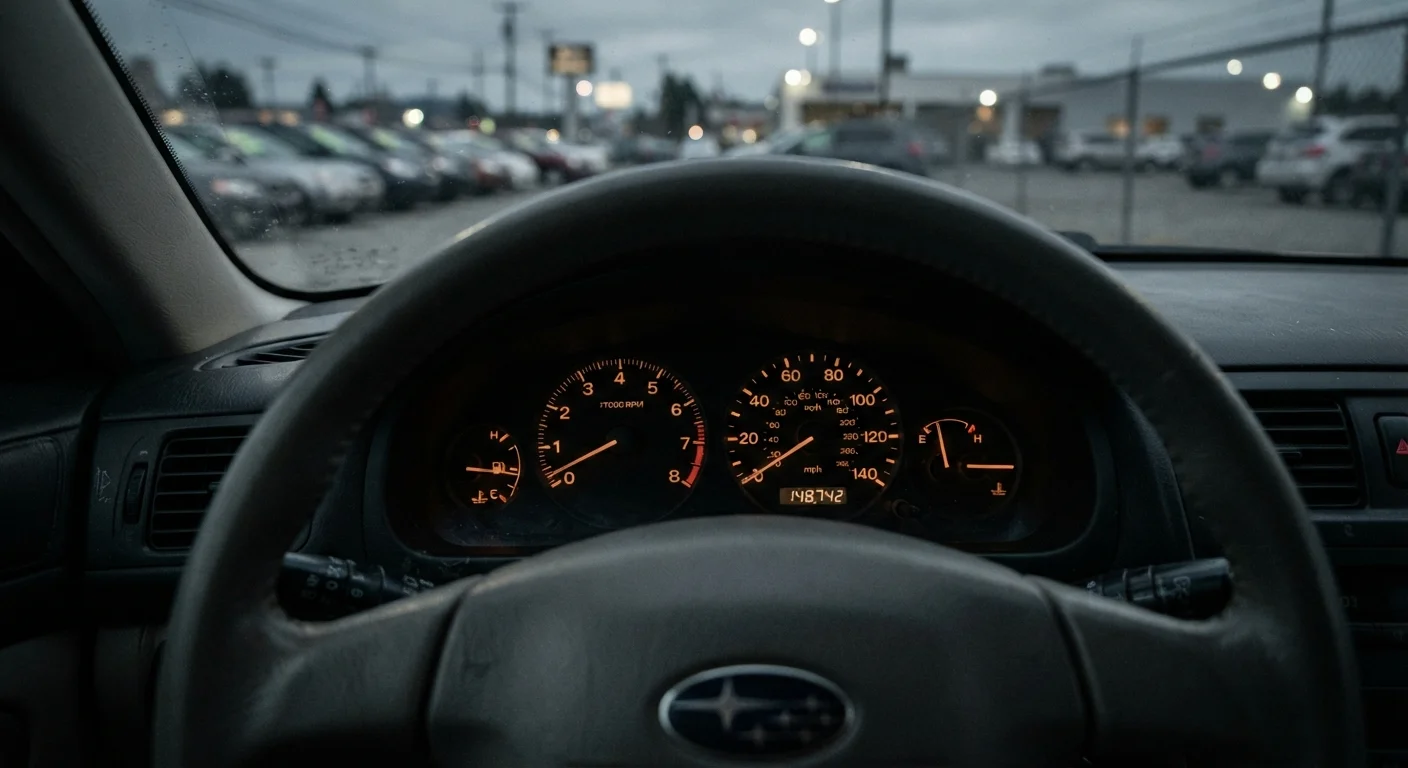

Why Vehicle History Reports Matter - and Where They Fall Short
A vehicle history report aggregates data from registration authorities, insurance companies, roadside assistance providers, and authorised workshops. In Germany, the KBA (Federal Motor Transport Authority) maintains centralised registration data, and insurers contribute claims records - but coverage is never total. Private repairs, cash transactions, and incidents in countries with less centralised data-sharing may leave no trace.
Understanding this limitation upfront helps you use the report as a structured starting point rather than a definitive verdict. Pair it with the right questions to ask the seller and, critically, a physical inspection. The report tells you what was officially recorded; an expert eye tells you what the car is hiding.
What you will need
Vehicle Identification Number (VIN)
The unique 17-character code used to retrieve all recorded data associated with a specific vehicle.
Vehicle History Report Service
A database service that compiles registration, accident, title, and mileage records from official and insurer sources.
Notepad or Annotation Tool
Used to flag discrepancies, gaps, or unfamiliar entries for follow-up questions with the seller.
How to Read the Report Systematically
Most readers scan a vehicle history report top to bottom, which risks burying the most consequential findings. A more reliable approach is to check in priority order: title status, odometer integrity, accident records, and then ownership and service history. The steps below follow this sequence.
Locate and Verify the VIN
The Vehicle Identification Number is the foundation of every history check. Locate it on the dashboard (visible through the windscreen on the driver's side), on the driver's door jamb sticker, or in the vehicle's registration documents. Confirm that all three locations show an identical number - any mismatch is a serious red flag suggesting tampering.
Check the Title Status First
Open the report and navigate directly to the title history section. Look for designations such as salvage, rebuilt, flood, fire, or lemon law buyback. Each signals that the vehicle sustained significant damage or had a documented defect at some point. A clean title alone is not sufficient - check whether the title has changed hands unusually quickly, which can indicate an attempt to obscure a problematic history.
Audit the Odometer Readings Chronologically
Review every mileage entry in the report in date order. Mileage must increase consistently. A reading that drops, stays identical across multiple service visits, or shows an implausibly large jump requires explanation. In Germany and across the EU, odometer fraud is illegal under consumer protection law, but detection still falls largely on the buyer.
Examine the Accident and Damage Records
Accident entries in a report come from insurer claims, roadside assistance callouts, and workshop records. Note the severity indicated: a minor parking contact and a front-end structural collision carry very different implications. Look at what repairs were logged afterward - if a significant accident appears but no subsequent bodywork or mechanical repair is recorded, that gap needs explaining. Remember that unreported incidents will not appear here at all; this is why a physical inspection matters.
Review Ownership and Registration History
Frequent ownership changes - particularly in a short window - can indicate recurring problems the seller is attempting to exit. Note the regions where the vehicle was registered: a car registered for years in a coastal or high-humidity area may carry hidden corrosion risk not visible during a brief viewing. Consistent registration in a single region with logical ownership duration is generally a more reassuring pattern. For more on evaluating the full picture of a used car's condition, see what the odometer doesn't tell you about a used car's condition.
Identify Service Record Gaps
A complete service history shows regular intervals of oil changes, inspections, and scheduled maintenance. Long gaps between entries - particularly around manufacturer-specified service milestones - may indicate deferred maintenance or a period of unrecorded use. Absent records are not automatically disqualifying, but they shift the burden onto a physical inspection to assess component condition. Cross-reference the report entries with the physical service booklet if the seller provides one.
Cross-Reference Mileage Across Every Entry
Line up each dated entry in the report and confirm that mileage increases logically over time. Even a single entry where the recorded mileage drops or holds flat for an implausibly long period warrants a direct question to the seller and closer scrutiny. Odometer fraud remains one of the most common forms of used-car misrepresentation in Europe.
Salvage and Rebuilt Titles Carry Serious Risks
A salvage title means an insurer has declared the vehicle a total loss at some point. A rebuilt title means it was subsequently repaired and passed an inspection - standards for which vary by jurisdiction. Structural repairs after major damage can affect crash performance in ways that aren't visible. If you encounter either designation, seek expert mechanical assessment before proceeding.
A Report Is Not a Guarantee
Vehicle history reports rely on data submitted to official bodies, insurers, and dealerships - not all incidents are captured. A report showing no accidents doesn't confirm a vehicle was never in a collision. Always pair this research with a pre-purchase inspection by a qualified mechanic before committing to any purchase.
After the Report: Next Steps Before You Decide
Once you have reviewed the report and flagged any concerns, your next step is to validate findings against the physical vehicle. A pre-purchase inspection by an independent mechanic can identify structural repairs, corrosion, and mechanical wear that no database will capture. If the report raises questions you cannot resolve - unexplained gaps, title anomalies, or odometer irregularities - treat these as negotiating points at minimum, and as grounds to walk away if the seller cannot provide satisfactory documentation.
For first-time buyers navigating this process, a structured introduction to the car-buying process can help frame where the history report fits within the broader evaluation. Avoid the common mistake of treating a clean report as full assurance - as several car-buying myths persist around what official records can and cannot confirm.