

Why Mileage Is Only Part of the Story
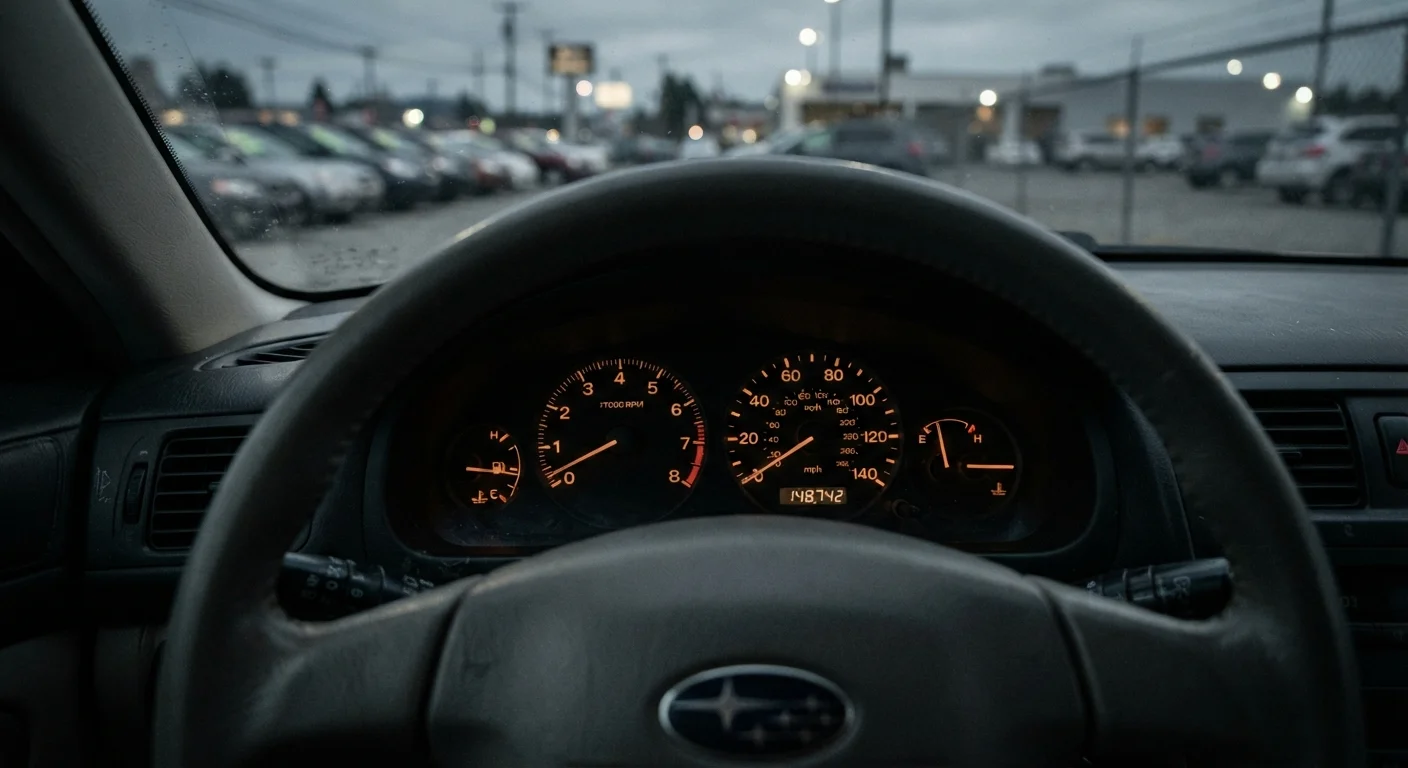
When evaluating a used car, the odometer is often the first number buyers look at - and the one most easily misread as a proxy for overall quality. In reality, mileage measures one thing only: the total distance the vehicle has covered. It says nothing about how that distance was driven, whether routine maintenance was carried out, or whether the car has been through an accident, a flood, or years of neglect sitting in a driveway.
Two cars with identical mileage can be in completely different states of repair. A vehicle used primarily for short urban trips - where the engine rarely reaches full operating temperature - may have more wear on its engine components than one with twice the mileage from long motorway journeys. Oil that was never changed on schedule, brakes that were run down to metal, or tires left to age past safe use: none of these show up on the dial.
Understanding what the odometer can't tell you is the first step toward making a genuinely informed used car decision. See our overview of new vs. used trade-offs for context on how used car risk compares with buying new.
~30%
Used cars sold with incomplete service history
Industry estimates from European used car market analyses suggest a significant share of private used car sales lack complete documented service records, increasing buyer uncertainty.
6 years
Recommended maximum tire age regardless of tread
Most major tire manufacturers and motoring organizations recommend replacing tires by six years from their production date, even when tread depth appears sufficient.
The Indicators That Reveal More Than the Odometer
Service history is arguably the most revealing document a seller can provide. A stamped service booklet showing oil changes, timing belt replacements, and brake inspections at appropriate intervals tells you the previous owner treated the car as a long-term asset rather than a disposable one. Gaps in that history are worth questioning directly.
Inspection records matter particularly in Germany, where the Hauptuntersuchung (HU) is required every two years for most passenger vehicles. Each HU generates a report noting defects found, repairs required, and whether the vehicle passed. A sequence of clean HU stamps at regular intervals is a meaningful quality signal.
Physical inspection findings can reveal issues no document captures. Uneven panel gaps suggest structural repair after a collision. A paint thickness gauge can detect areas of filler beneath fresh paint. Rust along door sills, wheel arches, or chassis rails indicates environmental wear that doesn't appear on any report. A professional pre-purchase inspection - offered by bodies like ADAC, TÜV, or DEKRA in Germany - typically costs a modest sum relative to the vehicle's price and can surface problems invisible to an untrained eye.
Vehicle history reports cross-reference registration data, reported accidents, and sometimes mileage readings across multiple points in time - which can flag odometer discrepancies. Reading a vehicle history report carefully is an essential skill before committing to any used purchase.
Get an Independent Inspection Before You Sign
In Germany, organizations like ADAC, TÜV, and DEKRA offer pre-purchase vehicle inspections for private buyers. These assessments typically cover structural integrity, mechanical condition, and safety systems - and can identify issues that a standard test drive and visual check will miss. Budget for this as a standard part of your buying process, not an optional extra.
Hidden Risk Factors Buyers Often Overlook
Beyond mechanical wear, several less obvious factors can dramatically affect a used car's long-term cost and safety.
Flood damage is one of the most underestimated risks. Water intrusion into electrical systems, carpeting, and structural cavities can cause corrosion and failures that emerge months or years later. Signs include unusual odors, staining under carpets or seats, and rust on metal components that should be protected from moisture.
Tire age independent of tread depth is another overlooked issue. Rubber degrades over time regardless of use; most manufacturers recommend replacing tires older than six years, even if tread appears adequate. The manufacturing date is molded into the sidewall as a four-digit DOT code.
Ownership patterns also carry weight. A car with multiple previous owners in a short period may indicate recurring problems that prompted each sale. Conversely, a single long-term owner with consistent service records is generally a reassuring sign.
Before finalizing any decision, it's worth working through the key questions to ask before committing to a vehicle - many of which go well beyond what the listing or the seller will volunteer.
Putting It All Together
A thorough used car evaluation combines at least three layers: documented history (service records, HU reports, vehicle history report), physical inspection (ideally by an independent professional), and a substantive test drive that covers varied road conditions. No single data point - mileage included - is sufficient on its own.
Spending time on this process before purchase is nearly always more cost-effective than discovering an expensive problem afterward. If the total cost picture still feels unclear, our article on why monthly payment is a misleading measure of a car deal explains how to frame the full financial picture more accurately.
This article is for general informational purposes only. It does not constitute legal, financial, or mechanical advice. For a thorough assessment of any specific vehicle, consult a qualified automotive professional.