
Why Drivers Skip Services - and Why It Backfires
Scheduled servicing can feel like an optional expense, particularly when the car appears to be running fine. Cost pressure, busy schedules, and the absence of any obvious warning sign all make it easy to push the next appointment back by a few months - or longer. But most mechanical deterioration is invisible until it becomes critical.
What drivers often underestimate is that servicing intervals are not arbitrary. They are calculated by engineers to catch wear before it compounds. Each skipped service shifts the risk profile of the vehicle and frequently costs more in repairs than the original service would have. Understanding which mistakes drive this pattern is the first step to avoiding them.
Treating the manufacturer's service interval as a rough suggestion rather than a technical requirement.
Why it happens: Without visible symptoms, it is easy to assume the vehicle is fine and that intervals are conservative padding rather than engineering-backed thresholds.
Delaying an oil change because the engine seems to be running normally.
Why it happens: Engine oil degradation is not audible or visible during daily driving until damage is already occurring at the component level.
Skipping brake fluid and coolant checks because they are not part of the basic service mental checklist.
Why it happens: Drivers tend to focus on oil and tyres; ancillary fluids feel abstract until a failure occurs. Brake fluid absorbs moisture over time, lowering its boiling point and reducing stopping effectiveness.
Assuming that a newer or lower-mileage car does not need servicing on schedule.
Why it happens: Newer vehicles feel inherently more reliable, which creates a psychological tendency to treat them as lower-maintenance than they actually are.
Using a missed service as an opportunity to defer other identified issues flagged at the previous appointment.
Why it happens: When a garage flags a developing issue - worn brake pads, a fraying drive belt - drivers sometimes note it without acting, intending to address it 'next time'.
The Compounding Financial Reality
The financial logic of skipping services feels sound in the short term: one service saved is a few hundred euros kept. In practice, the maths reverses quickly. Oil that is overdue for a change begins to break down chemically, losing its lubricating properties and allowing metal components to wear against each other. A timing chain replacement - often triggered by inadequate lubrication - can run into the thousands. An oil change costs a fraction of that.
3-5×
Cost multiplier of deferred vs. preventive repair
Industry maintenance data consistently shows that repairs resulting from neglected servicing cost several times more than the preventive service that would have caught the issue early.
Up to 15%
Potential resale value reduction from incomplete service history
Used car valuations across European markets typically apply a discount for vehicles with incomplete or irregular service records, reflecting the unknown risk of deferred maintenance.
Resale value is another often-overlooked dimension. A complete, stamped service history is one of the most tangible quality signals a used car can carry. Vehicles with gaps in their service record typically attract lower offers, and buyers rightly factor in the unknown risk of deferred maintenance. This connects directly to the broader picture of vehicle ownership economics - see total cost of ownership for a full breakdown of costs beyond the purchase price.
For drivers thinking about their household budget more broadly, deferred car maintenance sits in the same category as other expenses that quietly accumulate - similar to the patterns described in overlooked household expenses.
Warranty Coverage Can Be Voided by Missed Services
Most new-vehicle warranties in Germany and the EU require that servicing be carried out at manufacturer-specified intervals by a qualified workshop, with documented proof. If you skip or significantly delay a service and subsequently make a warranty claim, the manufacturer may have grounds to reject it. Always keep your service booklet stamped and dated - it is a legal and financial document, not just a record.
Building the Habit of Consistent Maintenance
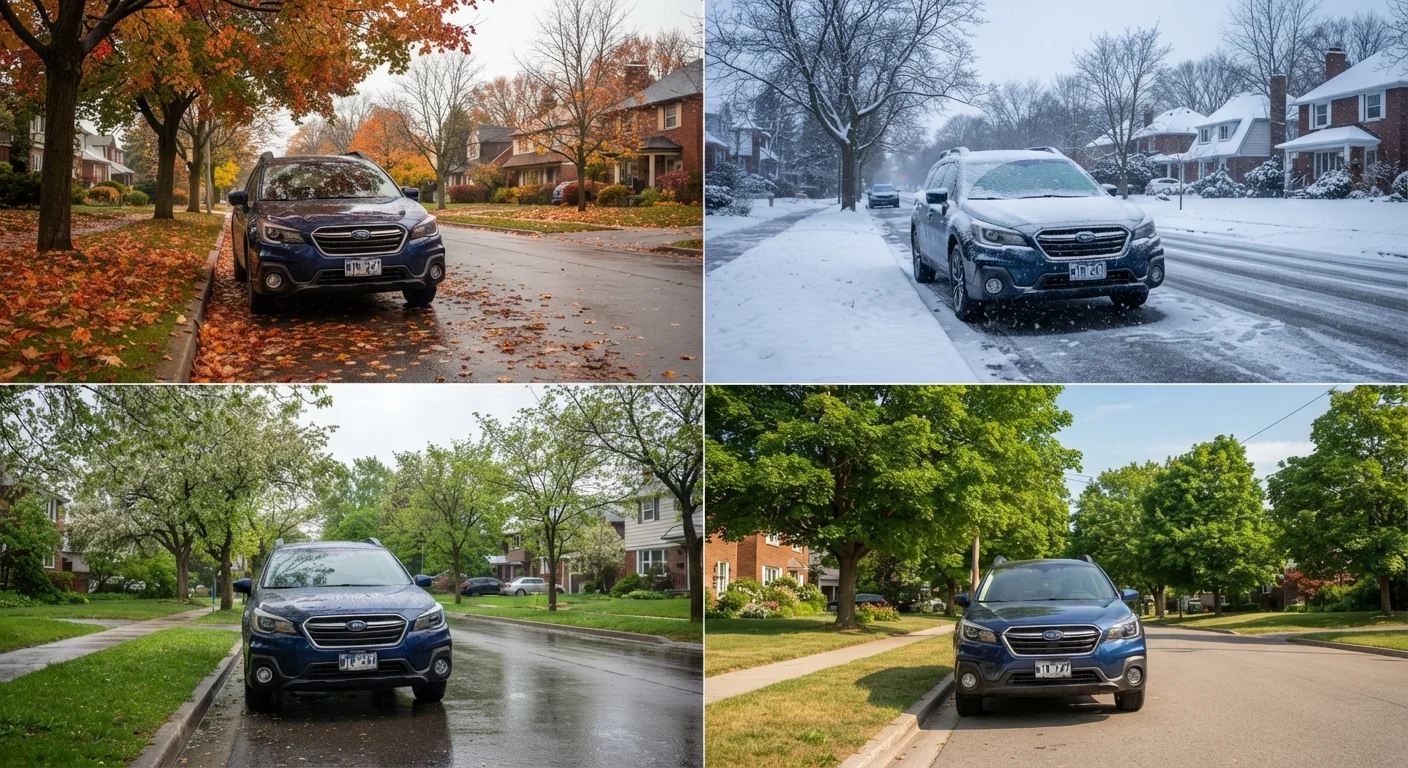
The most reliable drivers are not necessarily the most mechanically knowledgeable - they are the most consistent. Keeping a service logbook current, setting calendar reminders at manufacturer-specified intervals, and pairing seasonal checks with each service appointment all dramatically reduce the chance of a costly surprise. Seasonal car care is a practical complement to scheduled servicing, particularly in climates with harsh winters or wet autumns.
The habits of long-term car owners consistently point to documentation and proactive attention as the key differentiators. It is also worth reviewing everything that goes into annual running costs to place servicing in its proper context within the full expense picture.
This article provides general automotive information for educational purposes. For guidance specific to your vehicle, always consult a qualified mechanic or refer to your manufacturer's service documentation.