
What Separates Experienced Owners from the Rest
A car that consistently reaches 200,000 kilometres or more rarely does so by accident. Behind most long-lived vehicles is an owner who developed a handful of deliberate habits early and never abandoned them - not expensive habits, but reliable ones.
These are the practices that rarely make it into manufacturer handbooks or dealer walkthroughs. They're learned through experience, passed along in workshops, or discovered after one too many preventable breakdowns. If you're building your knowledge as a newer driver, our guide on what first-time owners need to know covers the wider picture. Here, we focus specifically on the maintenance mindset that keeps a car reliable long after that first year.
Check fluids between service intervals
Engine oil, coolant, brake fluid, power steering fluid, and windscreen washer fluid all degrade or deplete between scheduled services. Long-term owners get into the habit of checking these - particularly engine oil and coolant - every few weeks or before longer journeys.
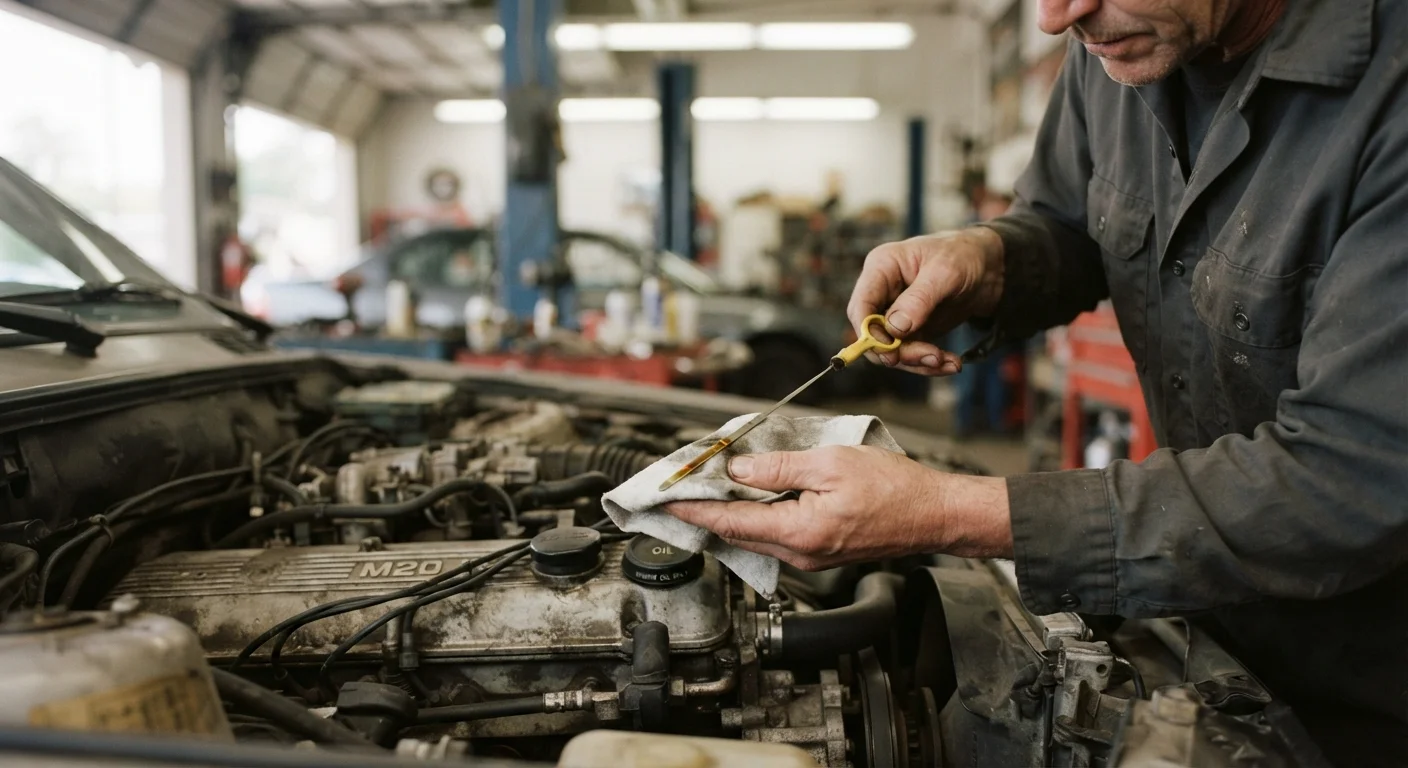
Oil level and condition can be checked in under two minutes with the dipstick; coolant level is visible through the reservoir marking. A sudden drop between checks can signal a leak worth investigating before it escalates. For a deeper look at oil-related misconceptions that catch even experienced drivers out, see common engine oil myths debunked.
A sudden fluid drop between checks is an early warning sign, not just a top-up reminder.
Monitor tyre pressure and tread depth regularly
Tyres are the only contact point between a vehicle and the road, yet tyre pressure is among the most commonly neglected checks. Under-inflated tyres increase fuel consumption, accelerate tread wear, and compromise braking distances - all measurable, documented effects.
In Germany, the legal minimum tread depth is 1.6 mm, though safety organisations and tyre manufacturers generally recommend replacing tyres at 3 mm, particularly in wet conditions. A simple tread depth gauge costs very little. Experienced owners check pressure monthly (cold, before driving) and inspect tread visually every time they fill up.
Checking tyre pressure monthly takes two minutes and measurably improves safety and fuel efficiency.
Keep a maintenance and repair log
Every service, repair, tyre change, or fluid top-up should be recorded - date, mileage, what was done, and by whom. This log serves multiple purposes: it helps you spot patterns (a recurring brake issue, an oil consumption trend), proves responsible ownership if you sell the vehicle, and can support warranty or insurance claims.
A paper folder or a simple digital note works fine. What matters is consistency. Vehicles with clear, unbroken service histories command stronger resale prices and attract more confident buyers - a practical financial argument for a habit that takes minutes to maintain.
A documented service history is one of the simplest ways to protect a vehicle's resale value.
Act on warning lights without delay
Dashboard warning lights exist to communicate faults before they become failures. Long-term owners treat them as information requiring prompt action, not as inconveniences to defer. An illuminated engine management light, oil pressure warning, or temperature gauge spike all indicate conditions that, left unaddressed, can cause disproportionately expensive damage.
If a light appears and its meaning is unclear, consulting the owner's manual or a qualified mechanic promptly is always the right step. Continuing to drive on an undiagnosed warning - particularly anything related to oil pressure, coolant temperature, or brakes - carries real risk of serious mechanical harm.
Treating a warning light as urgent, rather than optional, is one of the clearest markers of an experienced owner.
Keep documentation in the vehicle, current, and accessible
Vehicle registration documents (Fahrzeugschein/Zulassungsbescheinigung Teil I in Germany), proof of insurance (eVB number or insurance card), and the most recent roadworthiness inspection certificate (HU-Plakette and associated paperwork) should be in the car at all times. Police checks, accidents, and breakdowns all require these documents immediately.
Experienced owners also know their inspection due dates - the HU interval is typically every two years for private passenger cars under German StVZO regulations - and schedule the inspection proactively rather than risking an overdue lapse. If you're evaluating a used vehicle and want to know which documents to request, the right questions to ask before committing to any vehicle provides a useful framework.
Knowing your next HU date and scheduling it proactively avoids legal risk and last-minute stress.
Pay attention to how the car sounds and feels
Experienced drivers develop a baseline understanding of how their specific vehicle sounds, handles, and brakes under normal conditions. This makes deviations - a new vibration through the steering wheel, a faint squeal when braking, a slight pull to one side - detectable early, when they are typically inexpensive to address.
This isn't about amateur diagnosis; it's about noticing change and reporting it accurately to a mechanic. A driver who can say "there's a low-frequency vibration above 80 km/h that wasn't there last month" gives a workshop far more useful information than one who presents a car with an unspecified fault. Before longer journeys especially, a quick sensory check is worthwhile - see our pre-departure safety checklist for a structured approach.
Knowing your car's normal behaviour is what makes abnormal behaviour detectable early.
Building Habits That Outlast Any Single Car
None of the habits described above require specialist tools or mechanical training - they require consistency. The drivers who skip fluid checks for months, ignore a dashboard warning for weeks, or lose track of their service records aren't necessarily careless; they simply haven't made these tasks routine yet.
Make it routine, not reactive
The most effective maintenance habit is the one you actually do consistently. Try pairing fluid checks with a regular event - a monthly fuel stop, for instance - so they become automatic rather than something you remember only after a warning light appears. A recurring calendar reminder for tyre pressure and documentation checks takes less than 30 seconds to set up and far less time to follow through on than an unplanned garage visit.
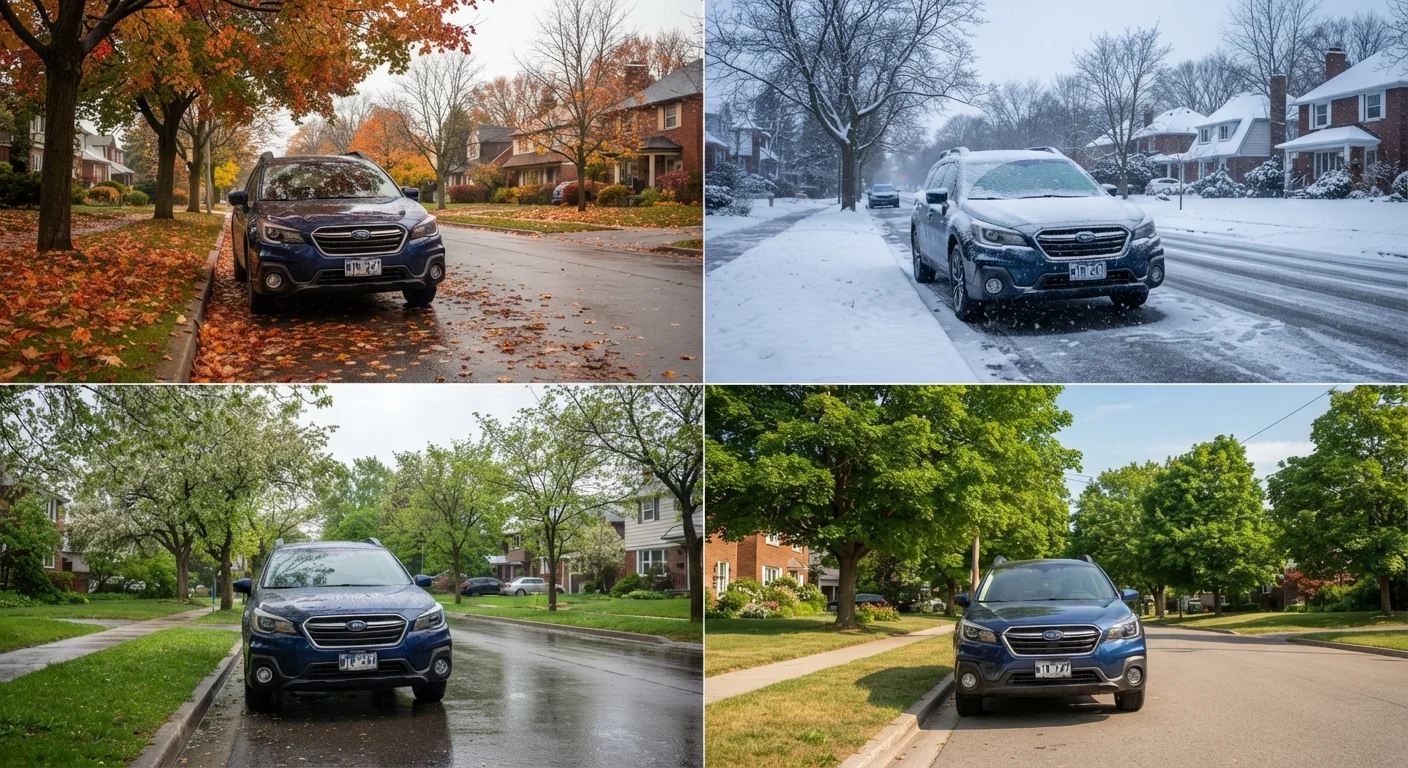
Skipping scheduled servicing might feel like a short-term saving, but it compounds silently. Pairing manufacturer-specified service intervals with the between-service habits listed here is the most reliable approach most drivers can take. And since maintenance needs shift with the seasons - particularly in climates with cold winters or road-salt exposure - adapting your routine through the year is worth building into your thinking too.
The car you take care of consistently is, in most cases, the car that takes care of you.