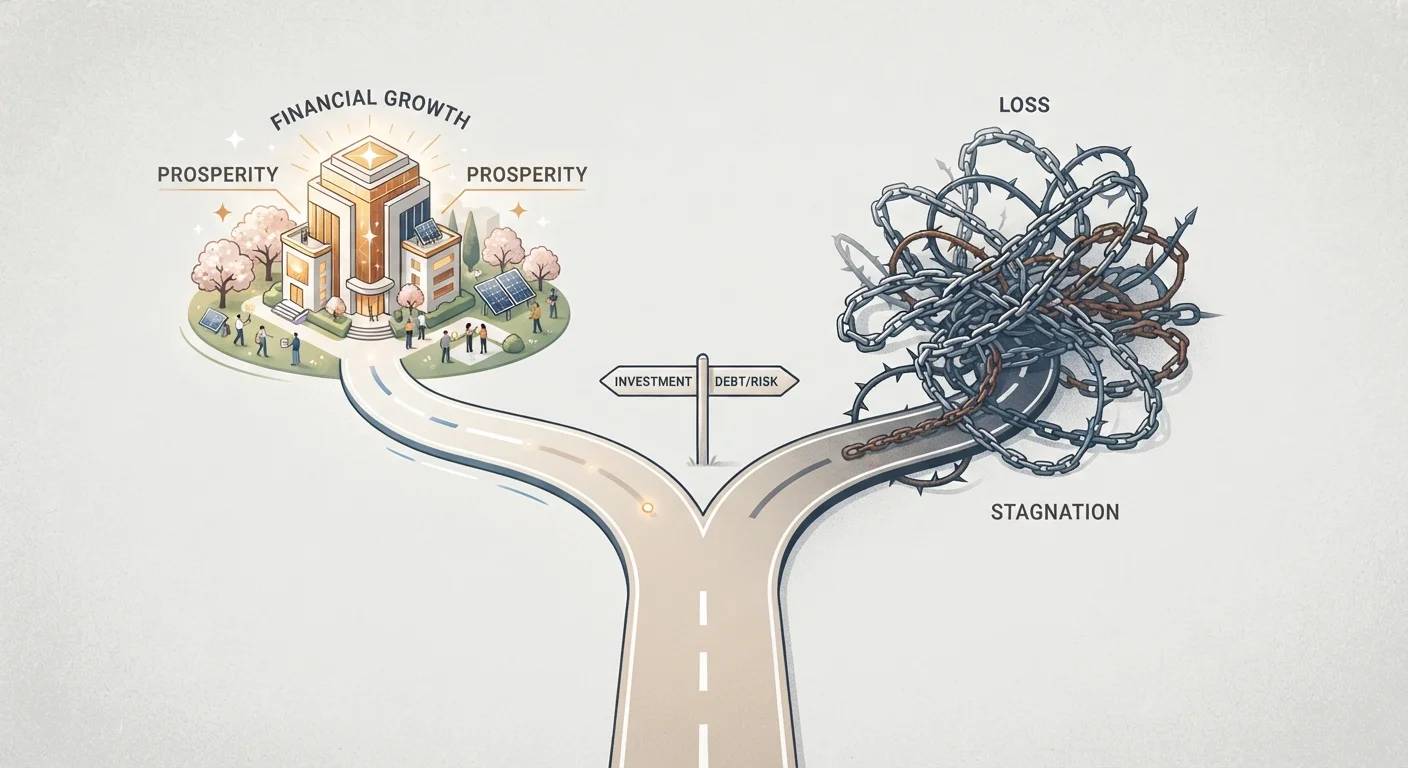


The Building Blocks: Principal, Interest, and APR
Every debt starts with a principal - the sum of money you borrow. From the moment that money is in your hands, most lenders begin charging interest: a percentage-based fee for the privilege of using their funds. The interest rate is usually expressed as an APR, which captures the annual cost of borrowing, sometimes including certain fees.
When you make a payment, it is typically applied in a specific order. Interest owed is covered first; anything left over reduces your principal. Early in a loan's life, a larger share of each payment goes toward interest. As the principal shrinks, more of your payment chips away at the underlying debt. This structure is called amortization and is standard for installment loans like mortgages and auto loans.
Debt Terms Can Vary by Country and Lender
While core concepts like principal and interest are universal, specific rules around repayment, fees, and consumer protections differ by jurisdiction and lender. In the United States, the Truth in Lending Act requires lenders to disclose key loan terms clearly. Always read the full loan agreement before signing.
For a plain-language reference to terms like amortization, default, and charge-off, see our financial glossary for common debt terms.
How Interest Grows: Simple vs. Compound
Not all interest works the same way. Simple interest is calculated only on the original principal. Compound interest is calculated on the principal plus any previously accumulated interest - meaning the balance you owe can grow faster than you might expect if payments are missed or delayed.
Credit cards are a common example of compounding in practice. If you carry a balance from month to month, interest is added to your outstanding amount, and next month's interest is calculated on that higher figure. Over time, a modest unpaid balance can become significantly larger.
~20%
Typical APR range for credit cards
Credit card APRs in many markets commonly fall between 15% and 25%, making unpaid balances one of the costlier forms of consumer debt.
2x+
Balance growth from compounding on long-term unpaid debt
Financial education materials from consumer agencies illustrate how compounding interest can more than double the effective cost of debt carried over many years.
Common Debt Types Explained
Debt comes in several forms, each with distinct mechanics:
- Secured debt is backed by collateral - an asset the lender can claim if repayment fails. Mortgages and auto loans are typical examples. Because the lender's risk is lower, interest rates tend to be relatively lower too.
- Unsecured debt has no collateral. Credit cards and personal loans usually fall here. Lenders offset their higher risk with higher interest rates.
- Revolving credit gives you a credit limit you can borrow against repeatedly as you repay. Credit cards and lines of credit work this way - balances fluctuate based on spending and payments.
- Installment loans deliver a lump sum upfront, repaid in fixed payments over a set term. Student loans and car loans are common examples.
Whether one type of debt is more suitable than another depends on your circumstances, goals, and ability to repay. See our article on good debt vs. bad debt for a more nuanced framework for thinking about borrowing decisions.
Repayment Cycles and What Happens When They Break Down
A repayment cycle is the rhythm of your debt: how often you pay, how much, and for how long. For installment loans, this cycle is fixed by contract. For revolving credit, you control how much you pay above the required minimum, which directly affects how quickly the balance falls and how much interest you ultimately pay.
When repayment breaks down - payments are missed or become unmanageable - consequences can include late fees, increased interest rates, damage to your credit record, and in the case of secured debt, loss of the collateral. If multiple debts are making repayment difficult, tools like debt consolidation may simplify the picture, though they come with their own trade-offs. Our article on debt consolidation offers an honest assessment.
Always Know Your Total Cost of Borrowing
Before taking on any debt, calculate how much you will repay in total - principal plus all interest over the full term. Lenders are generally required to disclose the APR, but walking through the numbers yourself gives you a clearer picture of the real cost. Online repayment calculators can help you run these scenarios quickly.
This article provides general financial information for educational purposes only and is not personalised financial advice. For guidance specific to your situation, consider consulting a qualified financial adviser.