
Where the 'Good Debt vs. Bad Debt' Framework Comes From
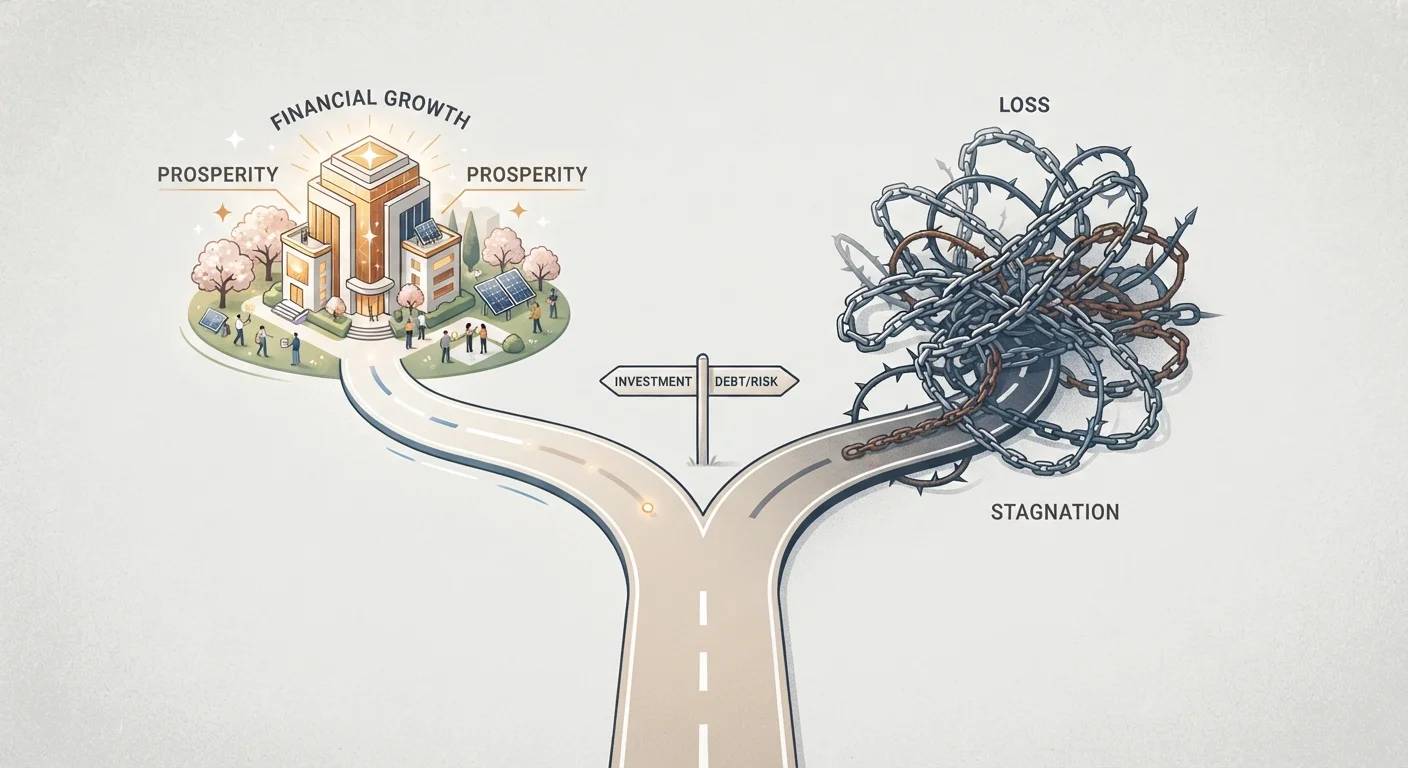
The idea that some debt is 'good' and some is 'bad' has been a staple of personal finance advice for decades. The basic premise is intuitive: debt used to acquire something that grows in value or increases your earning power (like a mortgage or a student loan) is 'good,' while debt used to fund consumption (like credit card spending on discretionary purchases) is 'bad.'
This framing is appealing because it gives people a quick mental shortcut. But financial educators and advisers increasingly note that the binary is too blunt to be consistently reliable. As our overview of how debt functions explains, debt is a structured obligation with costs - and those costs don't disappear just because the purpose sounds worthy.
Below, we examine the most common myths that grow out of this framework, and offer a more grounded way to think about any borrowing decision.
Myth
Mortgages are always 'good debt' because property always goes up in value.
Fact
Property values can fall, and a mortgage is only manageable if the repayment terms fit your financial situation.
Real estate has historically appreciated in many markets over long periods, but this is not guaranteed, and short- to medium-term values can and do decline. More importantly, a mortgage is a secured debt - meaning your home is at risk if you cannot meet repayments. When collateral is involved, the stakes of default are higher, not lower. A mortgage that stretches your budget to its limit is financially risky regardless of how property performs.
Myth
Credit card debt is always 'bad' and should be avoided entirely.
Fact
Credit cards are a tool; their impact depends on how they're used, not on the instrument itself.
Carrying a high-interest balance month to month is genuinely costly and can escalate quickly. But using a credit card and paying the full balance each month incurs no interest and, depending on the card, may offer consumer protections. The problem is not the credit card - it's unpaid, compounding balances. Credit utilisation also affects your credit score, so how you manage a card matters beyond just the interest question.
Myth
Student loans are a safe investment in yourself because education always pays off.
Fact
Education can improve earning potential, but outcomes vary widely and loan costs are real regardless of result.
The relationship between a qualification and earnings is influenced by field of study, job market conditions, and individual circumstances - none of which are guaranteed at the time of borrowing. Student loans must be repaid regardless of whether the expected career outcome materialises. Borrowing more than anticipated future income can reasonably support is a financial risk, not a safe investment. This does not mean student loans are unwise - only that the decision deserves careful analysis rather than automatic approval. See how student loans compare to other consumer debt types for more context.
Myth
If debt is for something that loses value, it's automatically bad.
Fact
Necessity and affordability matter as much as whether an asset depreciates.
Auto loans are often cited as 'bad debt' because vehicles depreciate. But for many people, a vehicle is a practical necessity for employment and daily life - and an affordable auto loan may be a reasonable way to access reliable transport. The depreciation of the asset is one factor, not the only one. What matters most is whether the loan terms are fair, the repayments are manageable, and the need is genuine. Different debt types carry different structures and costs - understanding those differences helps more than a simple label.
Myth
Consolidating 'bad' debts automatically improves your financial position.
Fact
Debt consolidation changes the structure of what you owe but does not reduce the underlying amount without specific conditions.
Consolidation can simplify repayment and, in some cases, lower the overall interest rate - but it depends entirely on the terms of the new arrangement. Extending the repayment period to lower monthly payments can actually increase total interest paid over time. Debt consolidation has real uses, but also real limitations. It is a restructuring tool, not a solution that eliminates debt or addresses the spending patterns that created it.
A More Useful Way to Evaluate Any Debt
Rather than asking 'is this good or bad debt?', more practical questions include:
- What is the total cost? The interest rate and loan term determine how much you actually pay. A low rate over 30 years can still result in significant total interest paid.
- Is the repayment affordable within your budget? Even debt with a 'good' purpose becomes a problem if monthly payments strain your finances.
- Does the expected benefit outweigh the cost? An education loan that funds a credential with strong employment prospects is different from one in a field with limited opportunities - though outcomes are never guaranteed.
- What is the risk if circumstances change? Job loss, illness, or market downturns affect your ability to repay regardless of why you borrowed.
Understanding the structure of what you're borrowing also matters. Revolving credit and instalment debt work very differently, and that structural difference affects how costs accumulate over time.
Context Can Change Quickly
A debt that feels manageable today can become a burden if your income drops, interest rates rise on variable-rate products, or unexpected expenses arise. Before taking on any debt, consider how repayments would look under less favorable circumstances. Building an emergency fund before or alongside borrowing is a widely recommended practice for this reason.
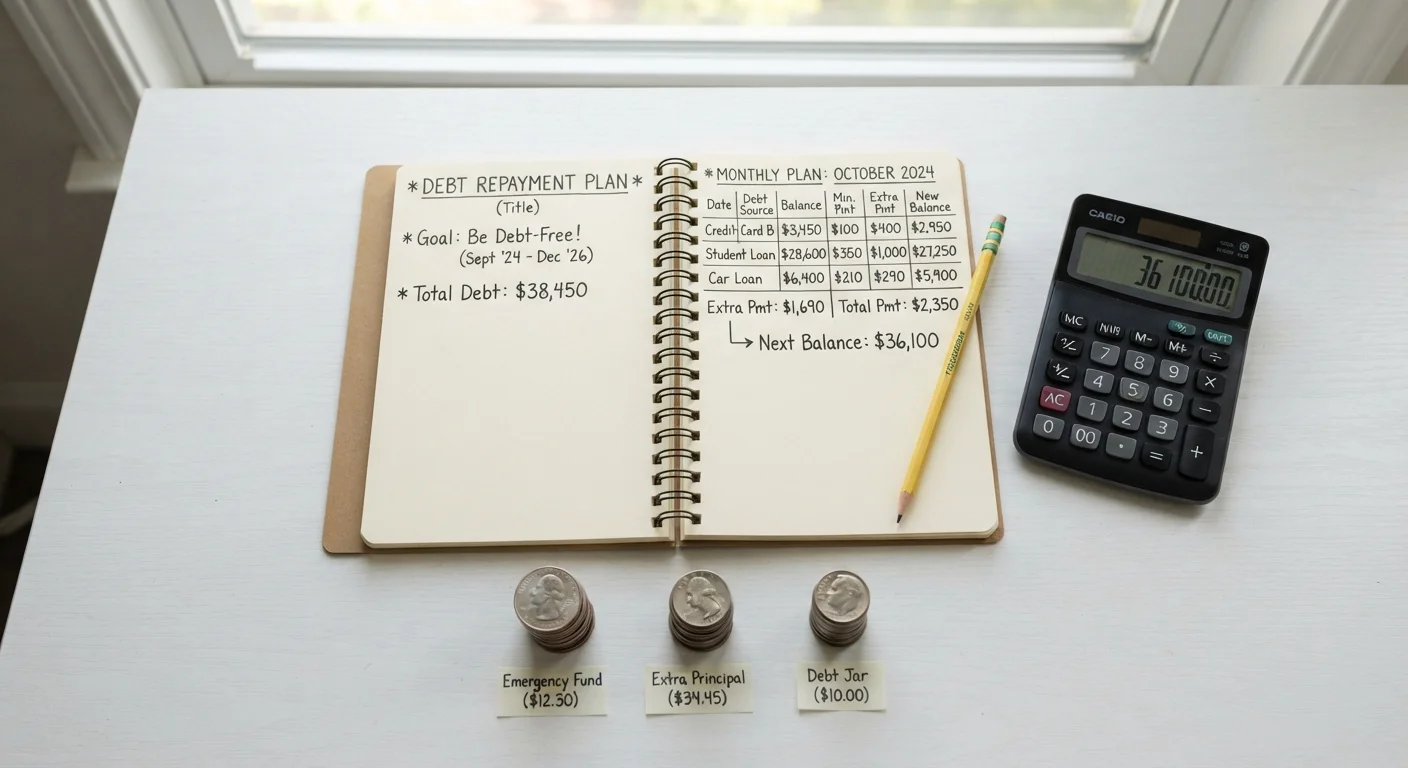
If you're carrying multiple debts and feeling uncertain about next steps, a structured repayment strategy can help you prioritize effectively. And for any terms that feel unclear, a plain-language debt glossary is a practical reference.
This article provides general financial information for educational purposes only. It is not personalised financial advice. Please consult a qualified financial adviser before making decisions about borrowing or debt management.