
What Makes These Two Debt Structures Different
Both revolving credit and instalment debt involve borrowing money and repaying it with interest - but the mechanics of how each works are fundamentally different. Understanding the structure behind each type can help you read your own financial situation more clearly.
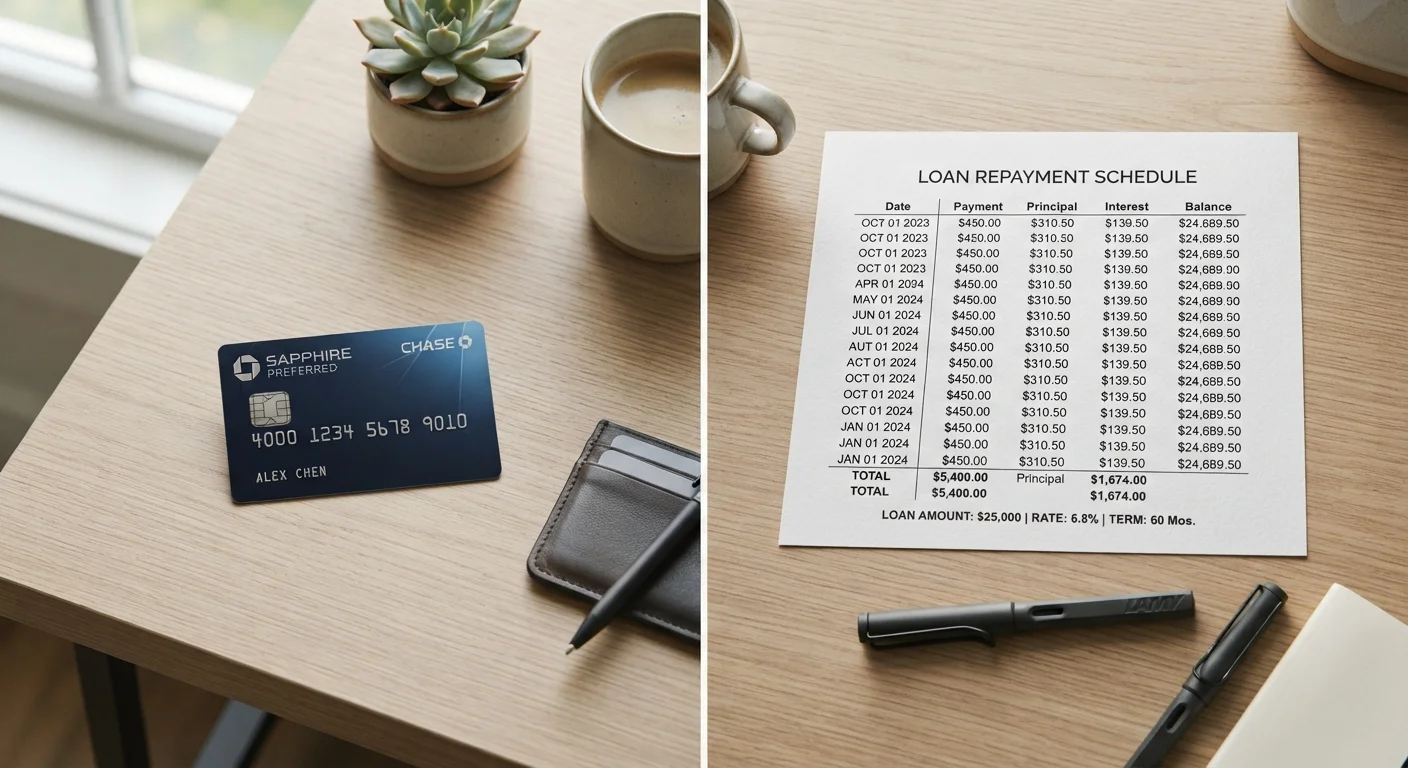
Revolving credit gives you a credit limit - a maximum amount you can borrow at any one time. You draw on it as needed, repay some or all of it, and the available credit replenishes. Credit cards are the most familiar example. Each billing cycle, your minimum payment is recalculated based on your current balance, and the interest charge depends on how much you owe at that point. There is no fixed end date - the account stays open as long as it's active and in good standing.
Instalment debt works differently. You borrow a set lump sum upfront - say, for a personal loan, car finance, or a mortgage - and repay it in equal, scheduled payments over an agreed term. The repayment schedule is determined at the start. Once you've made all the payments, the debt is settled and the account closes. You cannot redraw from it without taking out a new loan.
For a broader grounding in how debt functions, see Debt Demystified: What It Actually Is and How It Functions.
| Criterion | Revolving Credit | Instalment Debt |
|---|---|---|
| Borrowing structure | Flexible limit, reusable | Fixed lump sum, one-time |
| Repayment amount | Varies with balance each cycle | Fixed scheduled payments |
| Interest calculation | Based on outstanding balance | Based on original loan terms |
| Account duration | Open-ended while active | Closes after final payment |
| Credit utilisation impact | Yes - tracked monthly | No - not utilisation-based |
| Common examples | Credit cards, lines of credit | Personal loans, mortgages, auto loans |
| Ability to redraw funds | Yes, as balance is repaid | No - new application needed |
How Each Type Affects Your Credit Profile
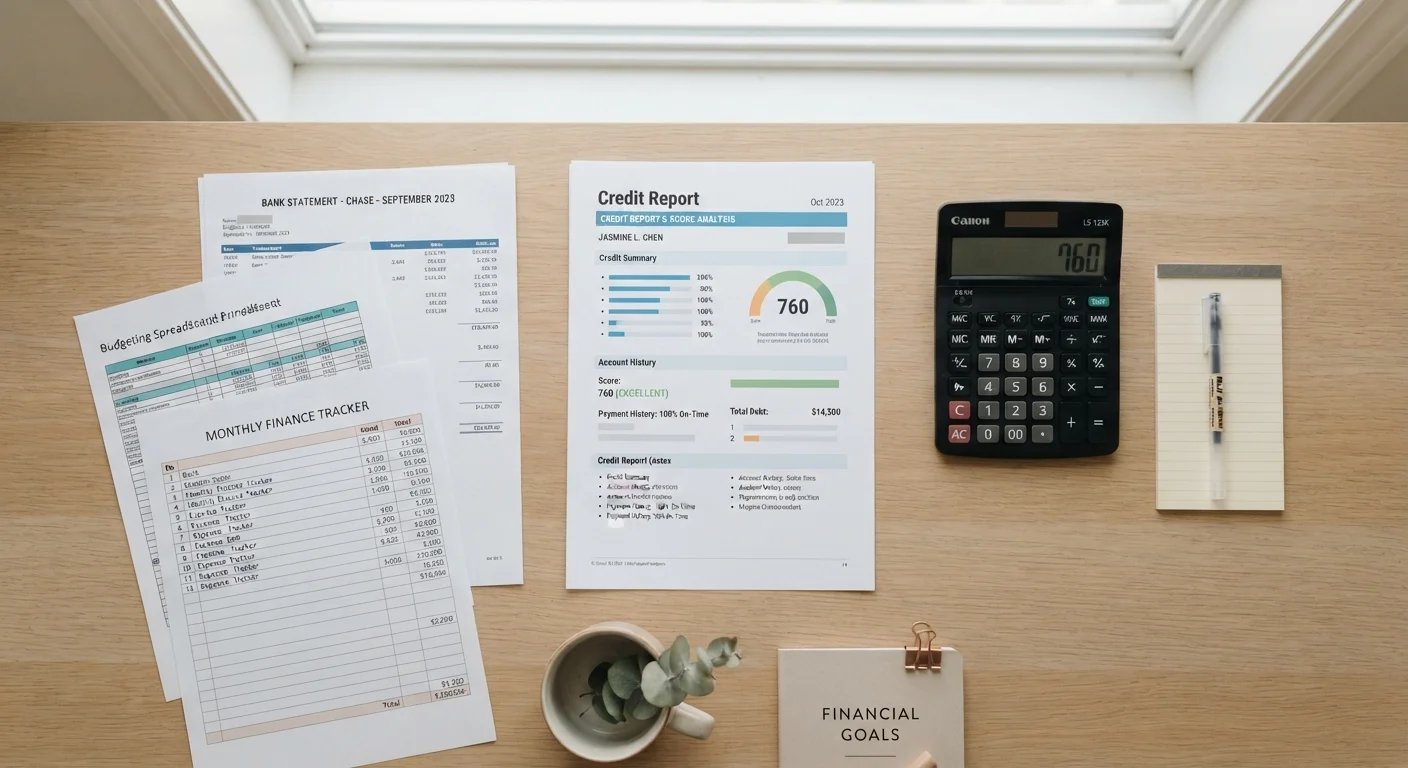
The two debt structures are treated differently by credit scoring models, which is worth understanding if you're thinking about how borrowing decisions affect your credit report.
With revolving credit, a key metric is credit utilisation - the percentage of your available limit that you are currently using. For example, carrying a €3,000 balance on a €10,000 limit means a 30% utilisation rate. Most scoring models treat lower utilisation more favourably. This ratio can change month to month as your balance rises and falls.
30%
Commonly cited credit utilisation threshold
Many personal finance educators suggest keeping revolving credit utilisation below 30% as a general guideline, though scoring models vary in their exact treatment.
~35%
Weight of payment history in FICO scoring
According to FICO, payment history - relevant to both revolving and instalment accounts - is typically the single largest factor in their credit score calculation.
Instalment debt, by contrast, does not generate a utilisation ratio in the same way. Lenders and scoring models look instead at whether you are making payments on time and how much of the original loan remains outstanding. Consistent on-time payments on an instalment loan tend to strengthen payment history, which is typically the most heavily weighted factor in credit scores.
Carrying both types of debt simultaneously - sometimes called a credit mix - is one factor some credit scoring models consider as a sign of broader credit management experience. However, taking on debt purely to improve a credit score is not advisable; the associated costs and risks outweigh the marginal benefit. For more on how debt interacts with credit reports, see Debt, Credit Scores, and Credit Reports: How They Fit Together.
It is also worth noting that both debt types can appear alongside secured or unsecured arrangements. A credit card is unsecured revolving credit; a home equity line of credit is secured revolving credit. For more on that dimension, see Secured vs. Unsecured Debt: What Changes When Collateral Is Involved.
Minimum Payments on Revolving Credit
With revolving accounts like credit cards, paying only the minimum each month keeps the account current but leaves a balance that continues to accrue interest. Over time, this can significantly increase the total cost of borrowing compared to paying the full balance. Always check the terms of your specific account and consider seeking independent financial guidance if minimum payments are all you can manage regularly.
If you're thinking through how to approach repayment across different debt types, Debt Repayment Strategies: Avalanche, Snowball, and Everything Between covers the common frameworks.
This article is for general informational and educational purposes only. It does not constitute personalised financial or legal advice. For guidance specific to your circumstances, consult a qualified financial adviser or debt counsellor.