

Two Different Processes, Not Just Two Temperatures
The most common misconception about cold brew is that it is simply iced coffee - hot coffee that has been cooled down. In reality, the two drinks are produced through fundamentally different extraction methods, and that distinction shapes everything from flavour to caffeine content to shelf life.
Cold brew is made by combining coarsely ground coffee with cold or room-temperature water and leaving it to steep, typically for 12 to 24 hours. No heat is involved at any stage. The resulting liquid - often called a concentrate - is then filtered and either diluted with water or milk, or served straight over ice.
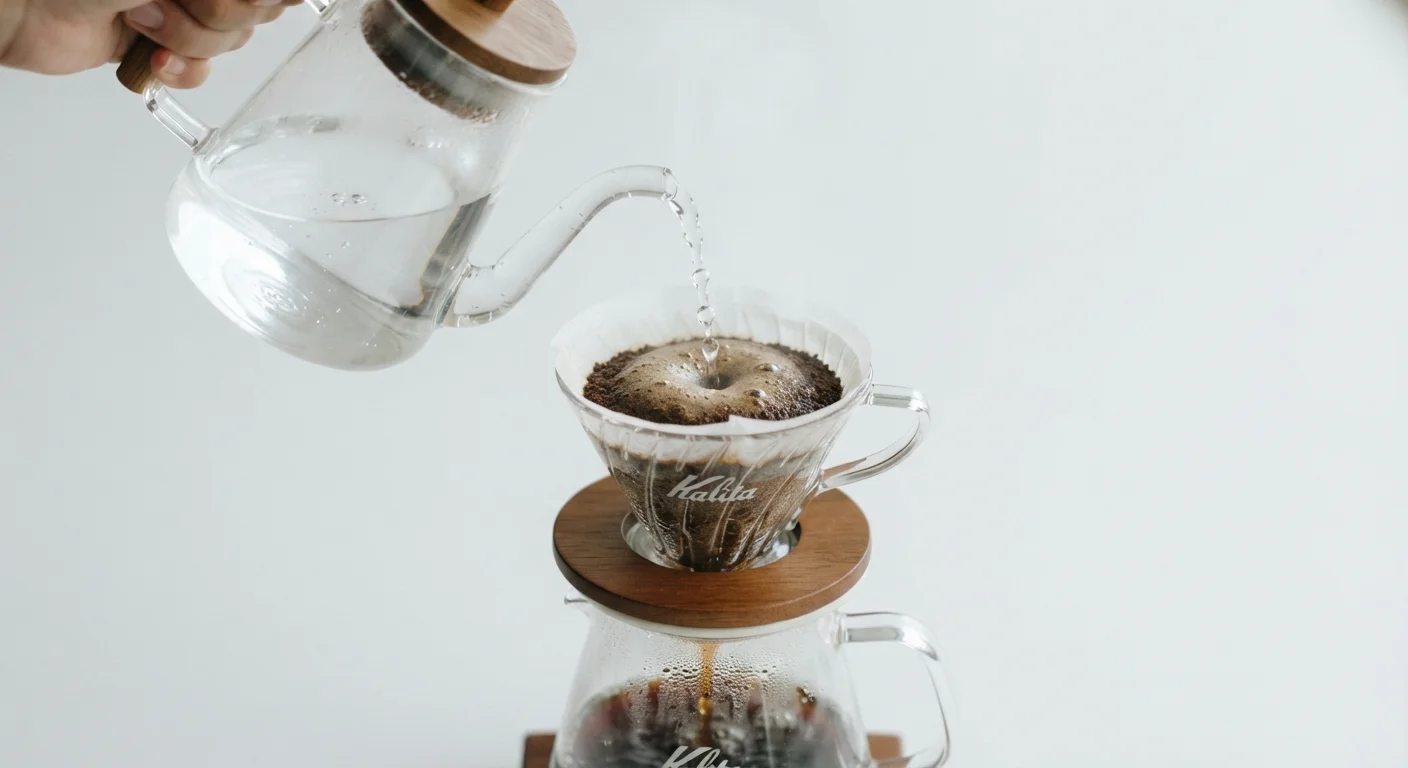
Iced coffee, by contrast, begins as hot coffee brewed through conventional means: a drip machine, a pour-over, or an espresso shot. That hot brew is then rapidly chilled - either by pouring directly over ice or by refrigerating before serving. Some baristas use a technique called flash brewing, where hot coffee is brewed at double strength directly onto ice to minimise dilution.
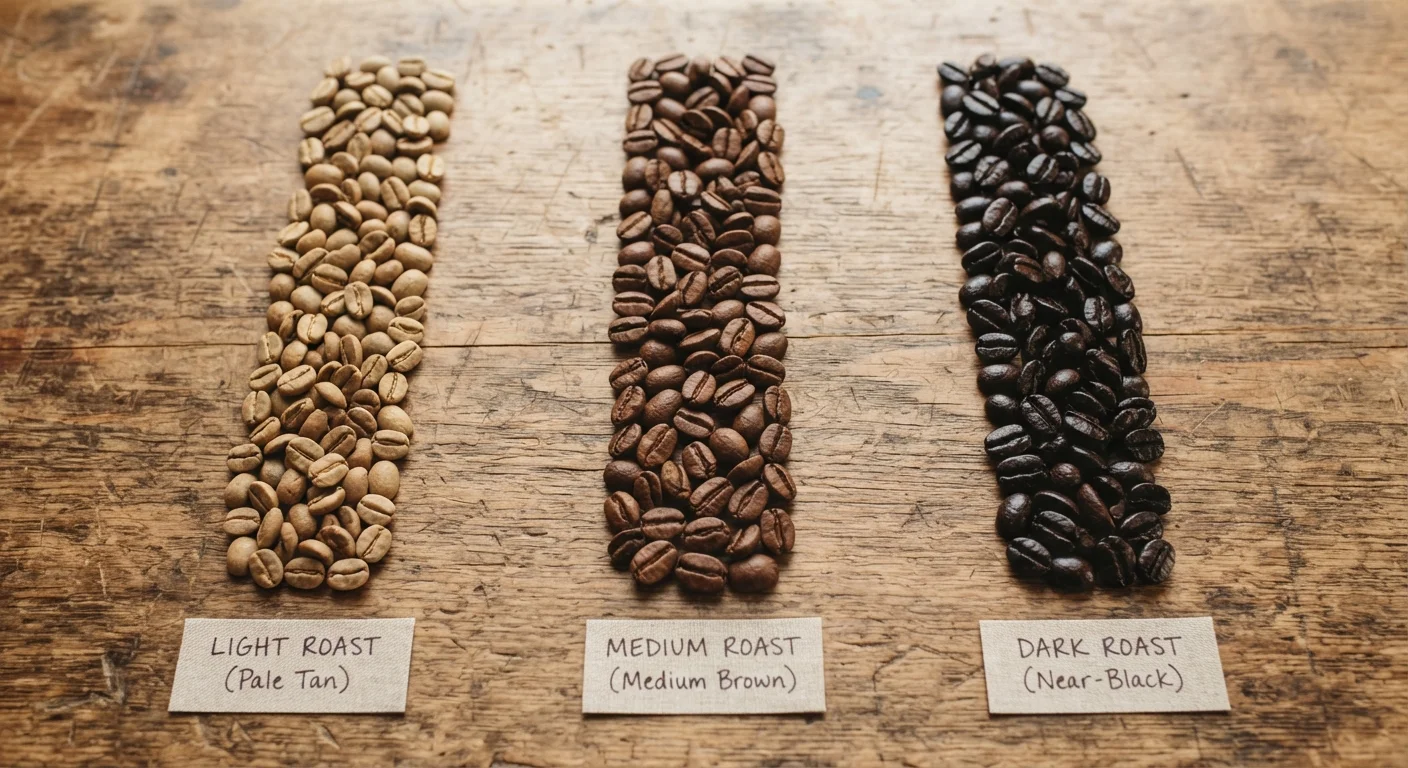
Understanding this process gap helps explain why the two drinks taste so different, even when made from the same beans. For a deeper look at how roast level interacts with these methods, see our guide to coffee roast levels and flavour.
| Criterion | Cold Brew | Iced Coffee |
|---|---|---|
| Extraction method | Cold water, 12-24 hours | Hot water, minutes |
| Acidity level | Lower (higher pH) | Higher (lower pH) |
| Flavour profile | Smooth, mellow, slightly sweet | Bright, sharp, aromatic |
| Caffeine (per serve) | Higher if undiluted concentrate | Standard cup equivalent |
| Preparation time | 12-24 hours | Under 10 minutes |
| Shelf life (refrigerated) | Up to 2 weeks | Best within 1-2 days |
| Equipment needed | Container, filter, patience | Standard coffee maker or kettle |
Flavour, Acidity, and Caffeine: What Science Says
Heat is an efficient solvent. When hot water contacts coffee grounds, it rapidly extracts a broad spectrum of compounds - including acids, oils, and aromatic molecules - in just a few minutes. This is what gives hot-brewed coffee its characteristic brightness and complexity, but also its higher acidity.
Cold water extracts more slowly and selectively. Over many hours, it draws out fewer acidic compounds and certain bitter chlorogenic acids, resulting in a drink that research has confirmed is chemically less acidic than hot-brewed coffee. A study published in Scientific Reports (2018) found that cold brew coffee had a higher pH - meaning lower acidity - than hot brew made from the same beans.
That lower acidity is often perceived as a smoother, mellow sweetness. However, cold brew can suppress some of the nuanced origin notes that make specialty light roasts interesting - something worth considering when choosing your beans.
Higher pH
Acidity level of cold brew vs hot brew
A 2018 study in Scientific Reports confirmed cold brew has a measurably higher pH than hot-brewed coffee from the same beans.
12-24 hrs
Typical cold brew steeping time
Most cold brew recipes recommend this window to achieve full extraction without over-steeping, which can produce bitterness.
Up to 2 weeks
Cold brew refrigerator shelf life
Because no heat is applied, cold brew concentrate resists spoilage longer than hot-brewed coffee stored in similar conditions.
Caffeine is where comparisons get complicated. Cold brew concentrate - before dilution - can be considerably more caffeinated than a standard cup of iced coffee, simply because of the higher coffee-to-water ratio used during steeping. Once diluted to a typical drinking strength, the caffeine levels are often comparable. For a broader perspective on caffeine across beverages, our caffeine in common drinks breakdown puts the numbers in context.
Water quality also plays a role in extraction for both methods. The minerals in your tap water affect how effectively compounds are drawn from the grounds - a factor explored in detail in our piece on why brewing water quality changes coffee and tea taste.
Cold Brew Is Not the Same as Cold Drip
Cold drip (also called Dutch coffee or drip tower coffee) involves slowly dripping cold water through grounds over several hours, drop by drop. Cold brew steeps the grounds fully submerged. Both use cold water, but the mechanics and resulting flavour profiles differ. Cold drip tends to produce a cleaner, lighter-bodied cup than cold brew's typically richer concentrate.