
Why 'Authentic' Food Is a Moving Target
Few words in food culture carry as much weight - or as much confusion - as authentic. Diners seek it out, restaurants advertise it, and travel guides promise it. But when food historians and anthropologists examine what the word actually means, a clear answer is difficult to pin down.
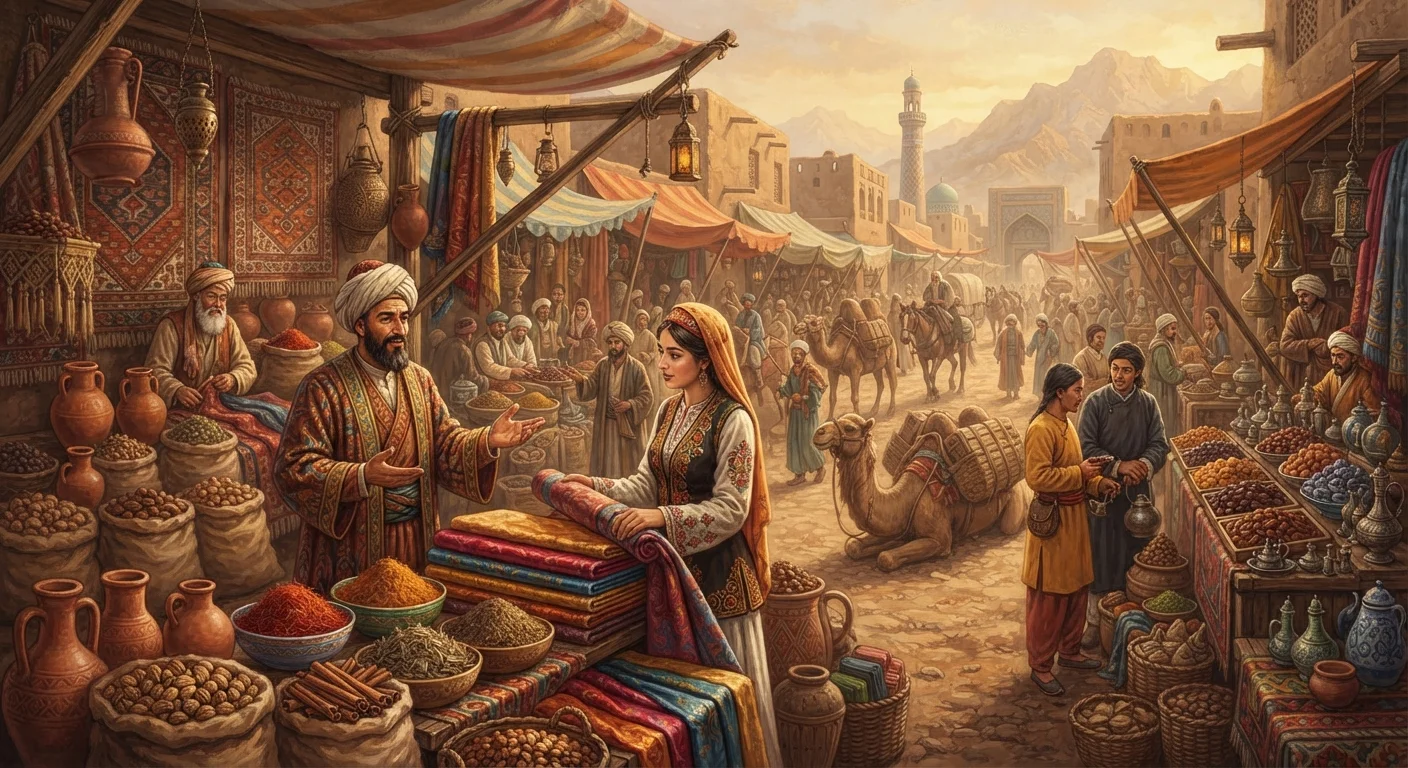
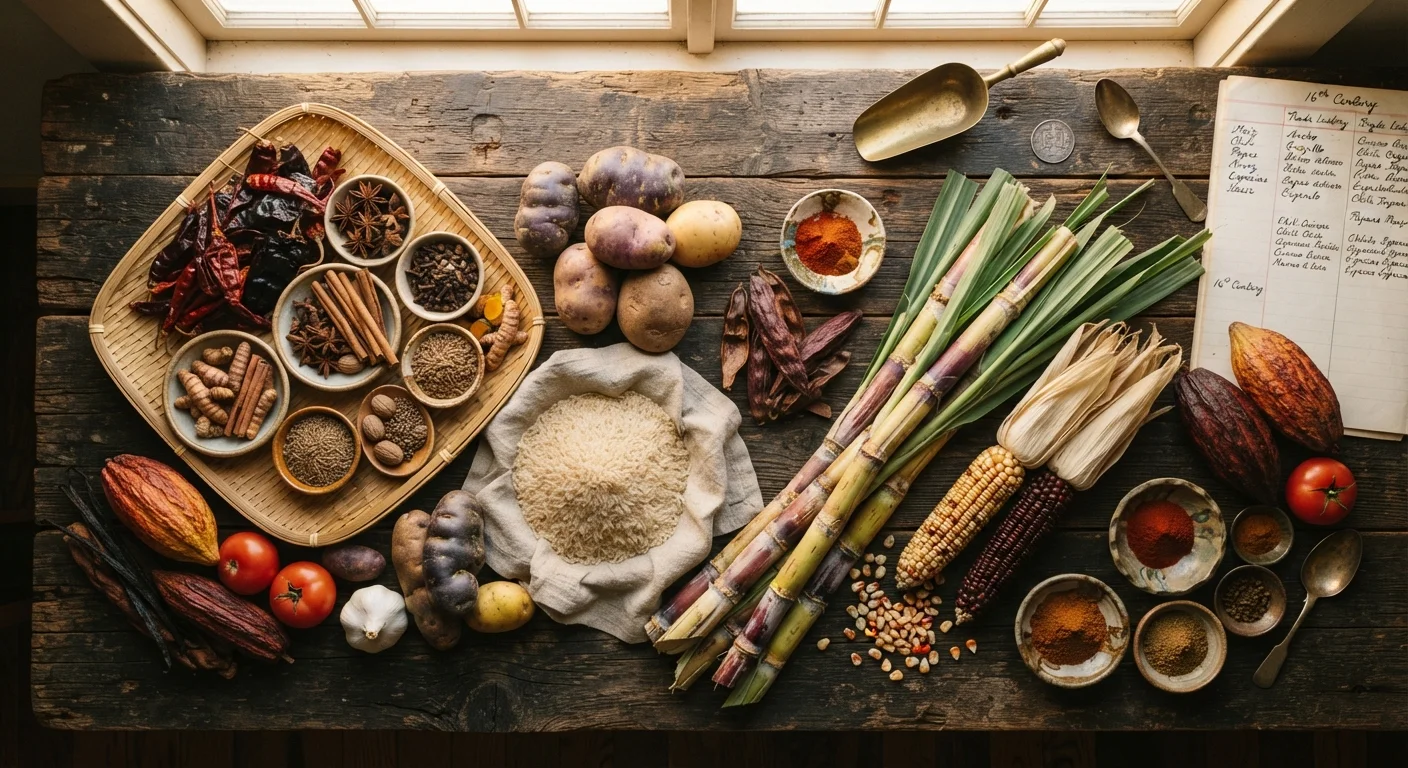
The central problem is that food is never static. Every cuisine in the world has absorbed outside ingredients, techniques, and influences over centuries. Tomatoes are now inseparable from Italian cooking, yet they arrived in Europe from the Americas only after the 16th century. Chili peppers define Thai and Korean dishes, but they too are New World plants that reached Asia via trade routes. As explored in our look at the Silk Road's culinary legacy, the exchange of ingredients across continents has been a defining feature of food history - not an exception to it.
Understanding this history matters because the myths surrounding food authenticity shape how people value, judge, and gatekeep entire culinary traditions. Below, we unpack the most widespread misconceptions.
Myth
A dish is only authentic if it is prepared exactly as it was 'originally' made in its home country.
Fact
All recipes change over time. There is rarely one original, fixed version of any dish - culinary traditions evolve with each generation.
The idea of a single correct recipe assumes that cuisine was ever static, but food historians find the opposite. Regional variations have always existed: ramen looks different in Sapporo than in Fukuoka; paella varies sharply between Valencia and Barcelona. Even within a single village, family recipes differ. Chasing a frozen 'original' often means chasing a version that was never universal to begin with.
Myth
If a dish uses ingredients not from its home region, it cannot be considered authentic.
Fact
Most of the world's iconic dishes rely on ingredients that arrived from elsewhere - often only a few centuries ago.
Italian sugo depends on tomatoes; Hungarian goulash is inseparable from paprika; Indian curries are built on chili heat. All three of these foundational ingredients came from the Americas, reaching Europe and Asia after the Columbian Exchange of the late 1400s and 1500s. Declaring these dishes inauthentic because of their ingredients would erase centuries of culinary history. Ingredients have always crossed borders - through trade, conquest, and migration.
Myth
A restaurant run by someone from outside a cuisine's culture of origin cannot serve authentic food.
Fact
Skill, respect, and deep knowledge of a culinary tradition matter far more than a cook's ethnicity or nationality.
While lived experience and cultural connection can enrich a cook's understanding of a cuisine, reducing authenticity to the cook's background conflates ethnicity with expertise. Many celebrated cooks have mastered traditions outside their own heritage through years of study, training, and cultural immersion. At the same time, this does not mean cultural context is irrelevant - representing a cuisine responsibly and crediting its origins remains important. The question of who profits from which cuisine, and how it is presented, is worth examining carefully.
Myth
Fusion food is a modern, Western invention that dilutes traditional cuisines.
Fact
Fusion is as old as cooking itself. Every cuisine is the result of accumulated cultural contact over centuries.
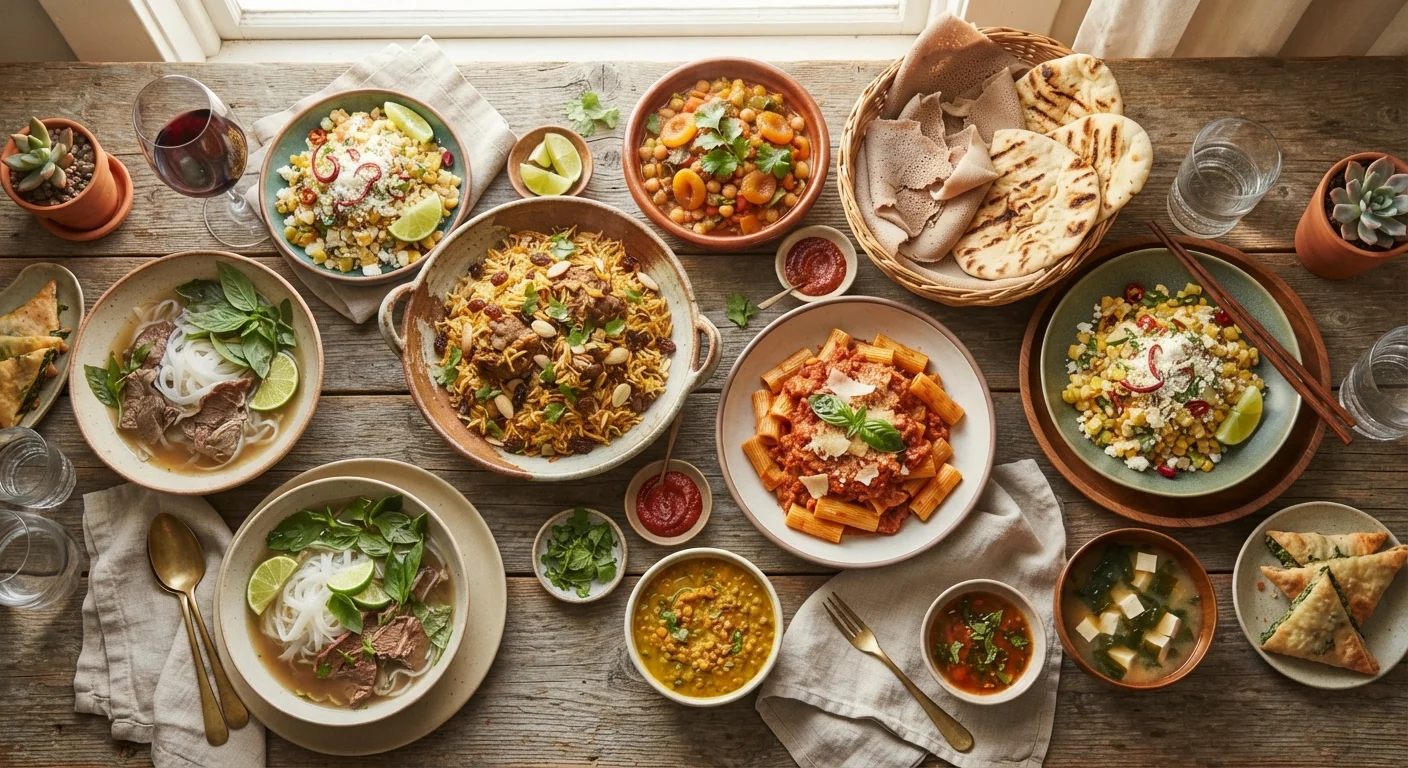
What food writers now call 'fusion' has always existed wherever different peoples met and traded. Noodles, spices, and cooking fats spread along ancient overland and maritime routes long before any restaurant coined the term. Peruvian nikkei cuisine - a blend of Andean and Japanese influences - emerged from 19th-century Japanese immigration to Peru and is now one of the most celebrated culinary traditions in Latin America. 'Fusion' names a process that never stopped happening.
Myth
Street food from a country of origin is always more authentic than restaurant versions abroad.
Fact
Context, audience, and available ingredients shape all food - neither street stalls nor restaurants have a monopoly on tradition.
Street food is often romanticised as the 'real' version of a cuisine, and it can certainly reflect grassroots culinary practice. But street vendors also adapt to local tastes, seasonal availability, and commercial pressures. A Thai vendor in Bangkok may use a recipe different from their grandmother's; a Thai restaurant in Germany may import specific ingredients specifically to stay closer to a family tradition. Street food and restaurant culture both play legitimate, distinct roles in how food identity is constructed and maintained.
Cultural Exchange, Adaptation, and What We Owe Each Other
Recognising that food authenticity is complicated does not mean that all culinary borrowing is equivalent or consequence-free. There is a meaningful difference between cultural exchange - where ideas, ingredients, and techniques spread through contact, migration, and trade - and appropriation, where cultural elements are commercialised or misrepresented in ways that harm the originating community.
Respect Matters Even When Authenticity Is Complex
Acknowledging that food authenticity is a fluid concept does not mean all uses of another culture's cuisine are equally respectful. When dishes are stripped of their cultural context, misrepresented, or commercialised in ways that marginalise the originating community, that causes real harm. Engaging with food from other cultures thoughtfully - learning its history, supporting those who carry the tradition, and crediting origins honestly - remains important regardless of how we define authenticity.
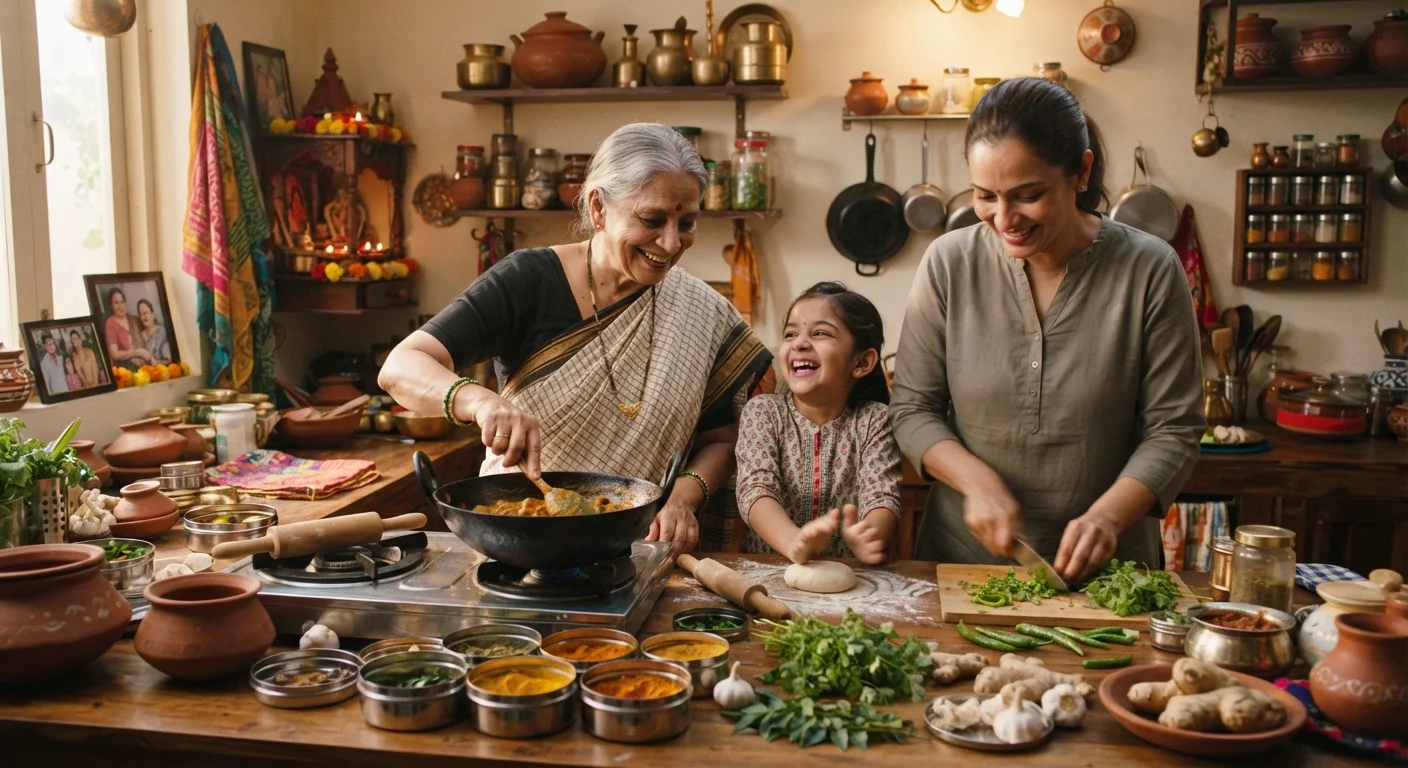
Immigrant and diaspora kitchens sit at the heart of this conversation. Cooks working far from their home countries routinely adapt recipes to available ingredients, local tastes, and new contexts. Rather than representing a degraded version of an original, these adaptations are a form of living tradition. Diaspora kitchens show how food identity is both preserved and creatively transformed across generations.
Colonial history also complicates any simple story of authentic national cuisines. Trade, conquest, and forced migration introduced ingredients and labour across the globe in ways that permanently altered what people ate - and who had power over food systems. Colonialism's impact on global food systems is an important lens for understanding why certain cuisines are considered prestigious while others are overlooked.
Ultimately, food is best understood as a living cultural document - shaped by geography, history, economics, and human creativity in equal measure. Demanding a single frozen version of any dish denies all of that richness.
~500
Years since the Columbian Exchange began reshaping global cuisines
The late 15th-century exchange of plants, animals, and foods between the Americas and the rest of the world permanently altered most of the world's culinary traditions.
4,000+
Tomato varieties cultivated worldwide today
The tomato - now central to Italian, Spanish, and Middle Eastern cooking - is a South American plant that was unknown in Europe before the 16th century.