More Than a Meal: What Eating Together Actually Does
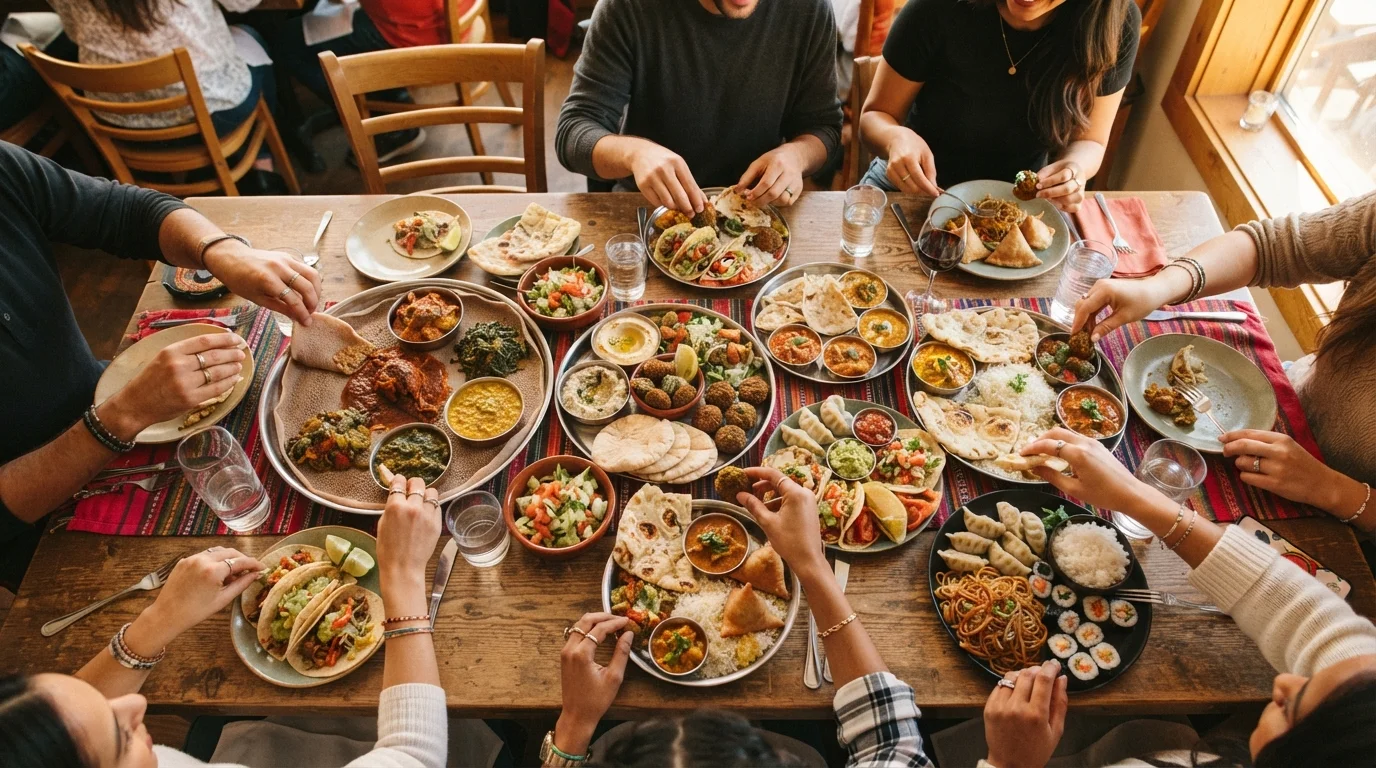
When people sit down to eat together, something happens that has nothing to do with calories. The act of sharing food is one of the oldest and most universal ways humans signal belonging, negotiate relationships, and mark important moments. Anthropologists have documented communal eating in every known human society, suggesting it fulfills needs that go well beyond hunger.
The term for this is commensality - literally, sharing a table. It describes how the social act of eating together functions as a kind of glue, binding families, communities, and even strangers into shared experience. A meal is a structured event: who sits where, who serves whom, what food is offered and in what order - all of these details carry social meaning that participants understand, often without ever stating it.
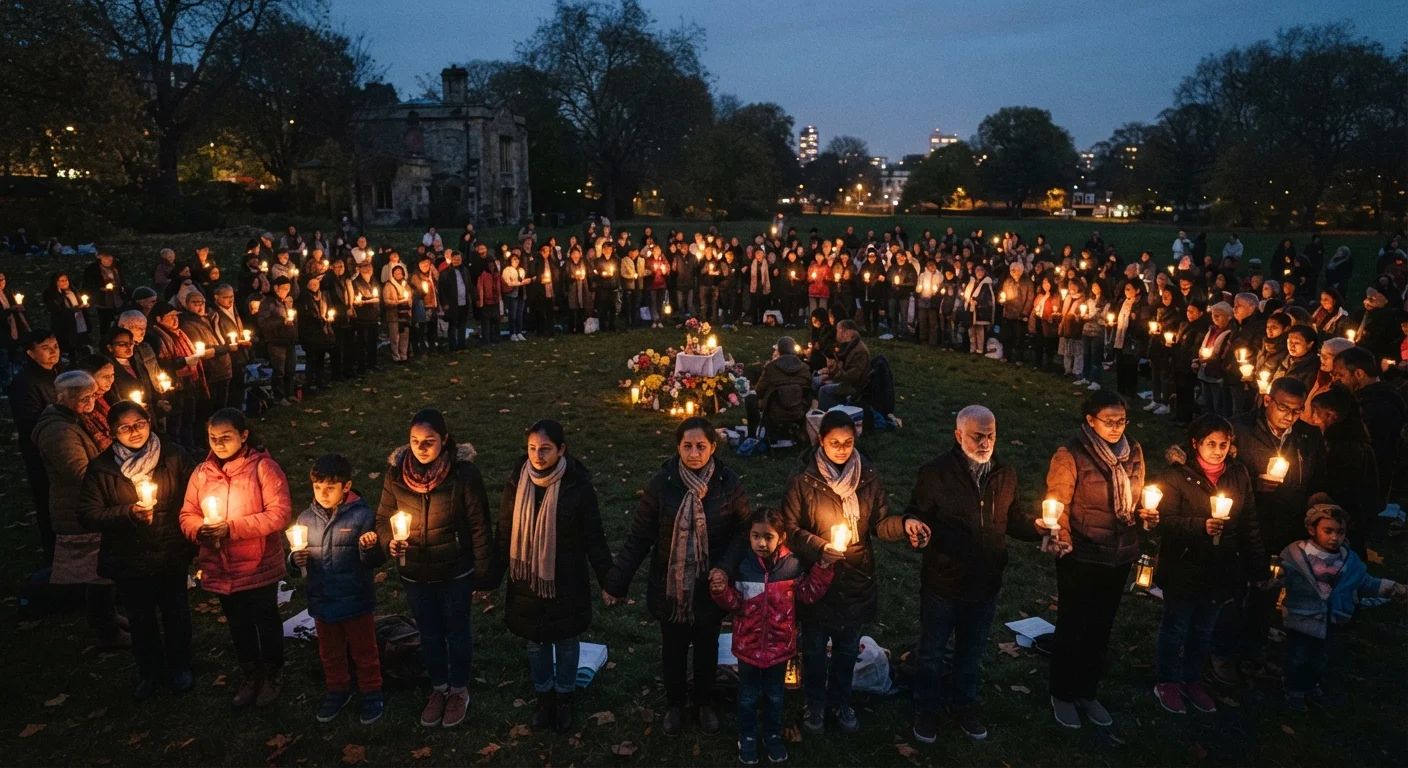
This is why food is so frequently at the center of life's biggest moments. Weddings, funerals, religious celebrations, business negotiations - across cultures, these events almost always involve eating together. The meal is not incidental; it is the mechanism through which trust and solidarity are built and reaffirmed. For more on how shared rituals serve these functions, see why collective rituals still matter in a fragmented world.
“Commensality is one of the most powerful mechanisms humans have for creating and sustaining social bonds. To eat together is to say: I trust you, I acknowledge you, I belong with you.”
— Robin Fox, Anthropologist and author on food and human behavior
How Different Cultures Structure the Shared Table
The how of eating together varies dramatically - and those variations are windows into cultural values. Consider a few contrasting examples:
- Ethiopia: Meals are built around injera, a large fermented flatbread that serves as both plate and utensil. Everyone eats from the same surface, scooping up shared stews. The physical act of eating from a common base is itself an expression of unity. To learn more about injera's fermentation tradition, see fermentation around the world.
- Japan: The ichiju sansai tradition - one soup and three sides - typically serves each person their own portion, but meals are shared experiences governed by careful etiquette. Pouring drinks for others before yourself is a small but meaningful expression of consideration.
- Middle East and Mediterranean: Meze culture places many small dishes at the center of the table for everyone to share. Hospitality is demonstrated through abundance and generosity, and meals are expected to be long, unhurried affairs.
- West Africa: In many communities, eating from a shared central bowl is standard practice, with elders or guests often served the most honored portions. The meal expresses social hierarchy and mutual care simultaneously.
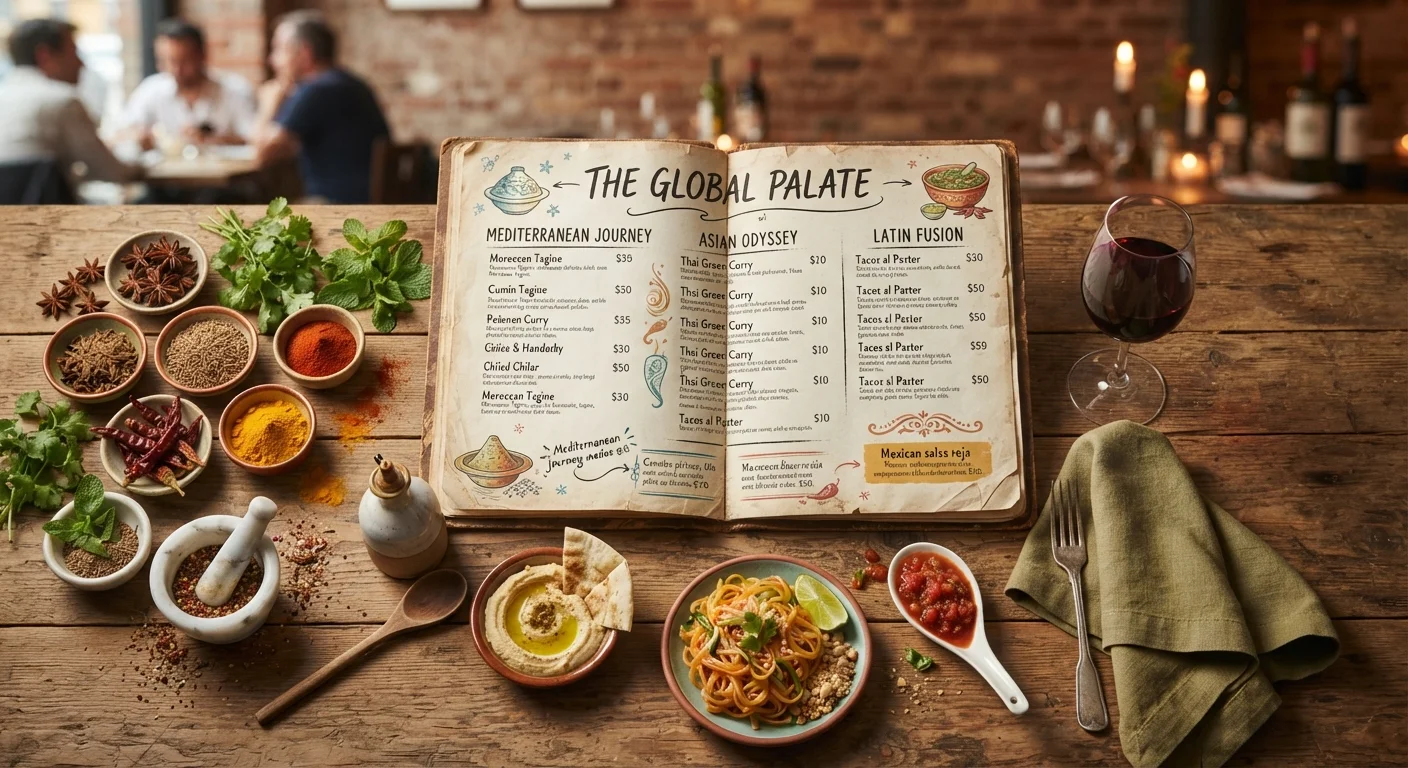
These structures are not arbitrary. They reflect each culture's understanding of individual versus collective, of hierarchy versus equality, and of what it means to be a good host. Reading a menu as a cultural document extends this same logic - food systems encode values at every level.
Travel Tip: Observe Before You Eat
When dining in an unfamiliar cultural setting, take a moment to observe how others at the table eat before you begin - who starts first, whether dishes are passed, how food is served. These small observations can tell you more about local values than any guidebook. See our practical guide to food culture before you travel for more context.
What Happens When Shared Meals Disappear
In many high-income countries, the frequency of communal mealtimes has declined noticeably. Longer commutes, irregular work schedules, and the rise of individual screen time have fragmented what were once reliable daily rituals. Families eat in shifts; solo desk lunches replace collegial midday breaks.
~30%
Decline in family dinner frequency
Survey research in several European countries suggests roughly a third fewer households report eating together daily compared to two decades ago, though methodology varies across studies.
2x
More likely to report higher life satisfaction
A study published in the journal Appetite found that people who regularly shared meals with others were approximately twice as likely to report feeling satisfied with their lives compared to those who mostly ate alone.
70%+
Cultural knowledge transmitted at mealtimes
Ethnographic research suggests that a significant majority of food-related cultural knowledge - recipes, customs, dietary norms - is passed on informally during shared family meals rather than through formal instruction.
The consequences are not purely sentimental. Researchers studying diet quality have noted that people who eat alone tend, on average, to eat differently than those who share meals - though the picture is complex and shaped by many factors beyond social context. For a broader perspective on how eating patterns shape health, see why eating patterns matter more than individual foods.
There is also the question of identity. Shared meals are one of the primary ways cultural knowledge is transmitted - recipes, customs, and food values pass from generation to generation at the table. When those meals stop happening regularly, that transmission weakens. Immigrant communities often feel this acutely; the diaspora kitchen becomes a site of active preservation precisely because communal eating is understood as essential to cultural continuity.
None of this is an argument for nostalgia or a single correct way to eat. But it does suggest that the social architecture of meals - who we eat with, how often, and in what spirit - matters in ways that are easy to overlook when food is reduced to fuel.
A Note on Cultural Diversity
No single communal eating tradition is more valid or evolved than another. The forms shared meals take - from elaborate ceremonial banquets to simple daily family dinners - all reflect locally meaningful ways of building social life around food. For a deeper look at how breakfast alone reveals cultural priorities, explore breakfast around the globe.