
What Rituals Actually Do for Groups
Strip away the candles, the costumes, and the ceremony, and what remains? According to sociologists, quite a lot. Collective rituals are fundamentally coordination technologies - shared practices that allow groups to align their values, signal mutual commitment, and manage the transitions that individual life inevitably brings.
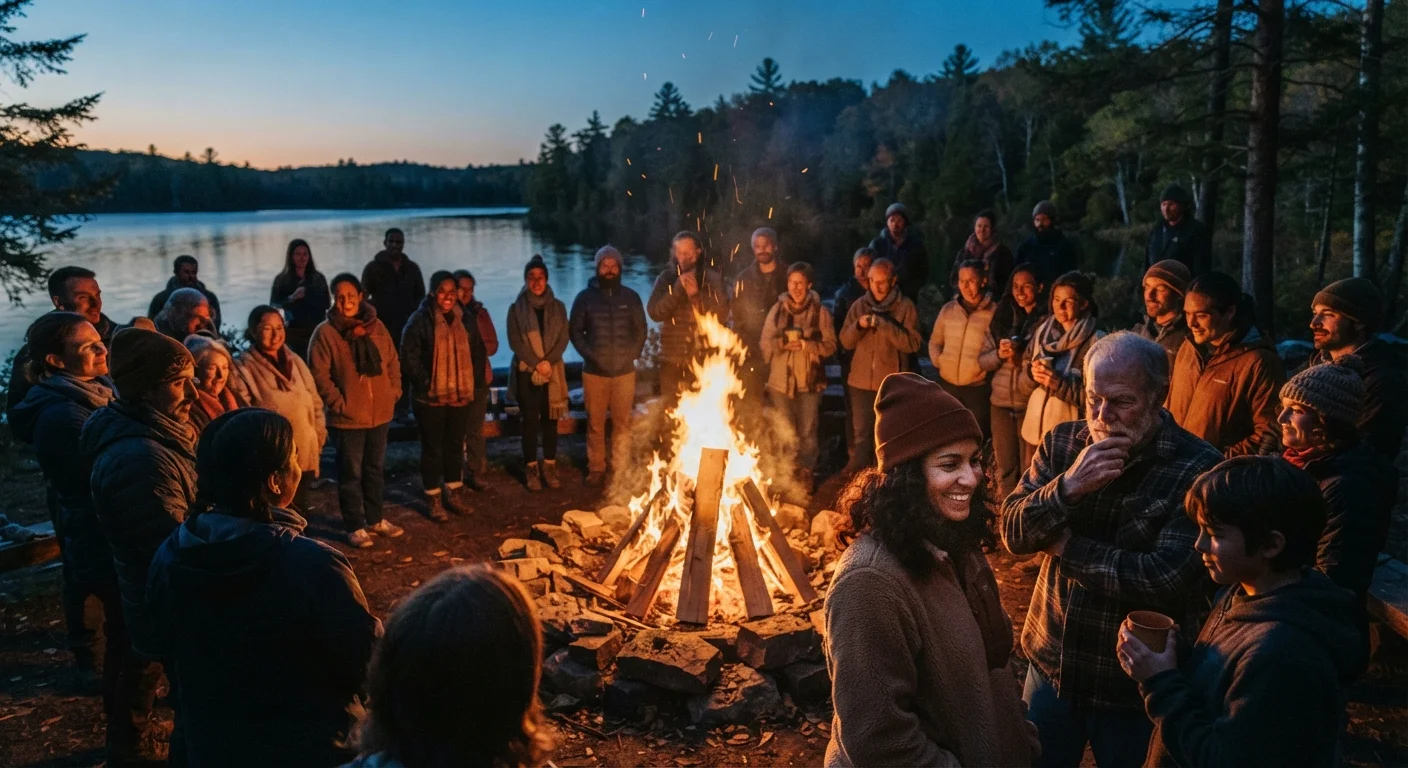
Émile Durkheim, one of sociology's founding figures, argued at the turn of the twentieth century that rituals are the mechanism by which societies renew themselves. Gathering people physically, synchronizing their actions, and directing attention toward shared symbols generates what he called collective effervescence - a felt sense of being part of something larger than oneself. Contemporary researchers have revisited this idea with empirical tools, finding that synchronized group activity does appear to heighten feelings of social bonding and reduce the psychological distance between strangers.
This matters for community cohesion in ways that are practical, not merely sentimental. Groups that share rituals tend to exhibit higher levels of interpersonal trust and cooperation - outcomes that persist beyond the ritual event itself.
23%
Adults reporting no close community ties
A 2023 survey by the American Perspectives Survey found approximately 1 in 4 American adults reported having no close friends, a figure that has risen over recent decades.
2x
Greater cooperation in synchronized groups
Research published in psychological journals has found that groups performing synchronized actions show roughly double the cooperative behavior of non-synchronized groups in subsequent tasks.
75%
People who find meaning in group traditions
Pew Research Center surveys consistently find that large majorities across countries and belief systems report that shared traditions and community ceremonies are personally meaningful to them.
Why Fragmentation Doesn't Kill Ritual - It Transforms It
Contemporary life pulls people in competing directions. Geographic mobility, digital distraction, shifting religious affiliation, and the erosion of traditional institutions have all reduced participation in older forms of collective ceremony. Yet the evidence does not suggest ritual is disappearing - it suggests it is migrating and mutating.
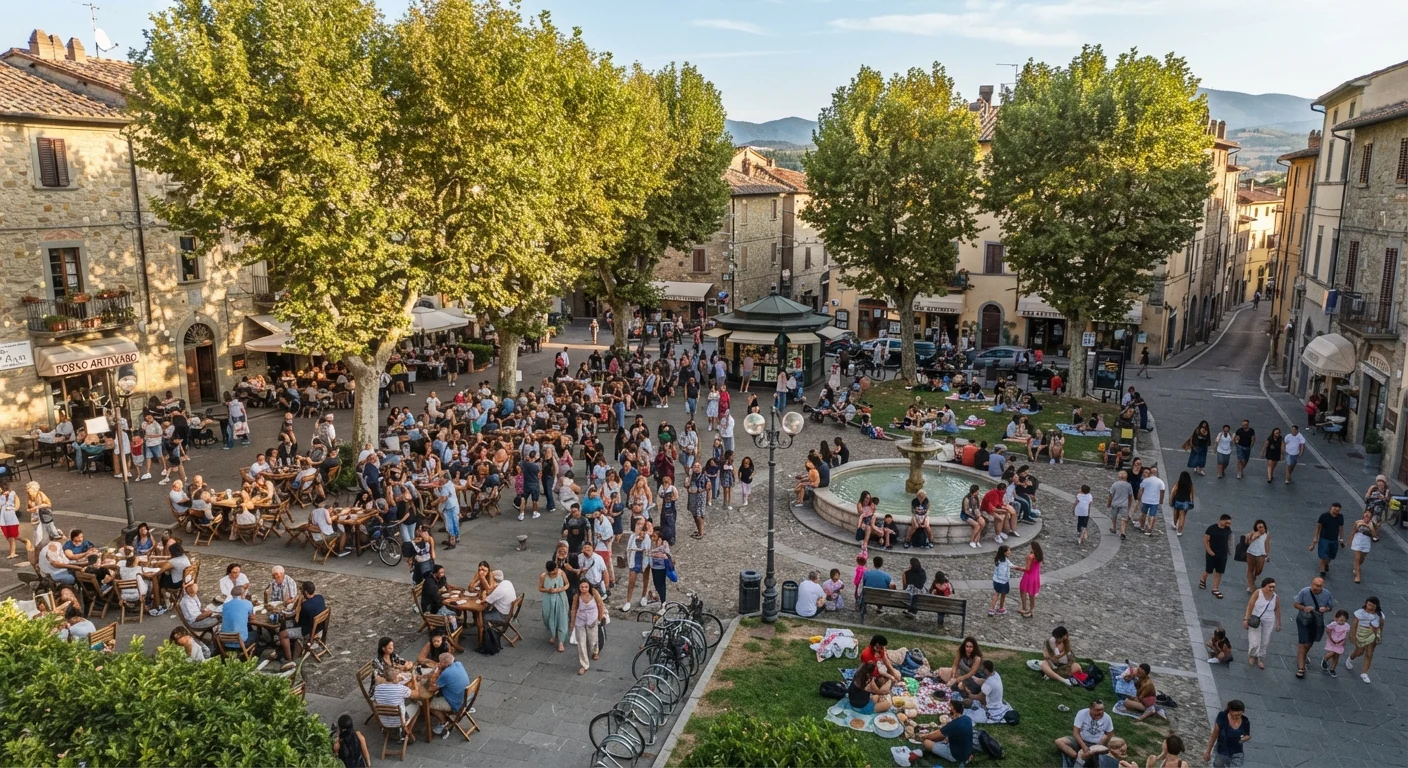
Sports fandom, for instance, now generates elaborate shared practices: synchronized viewing parties, call-and-response chants, pre-game superstitions performed collectively across stadiums and living rooms alike. Online communities develop their own anniversary traditions, in-jokes repeated with ritual precision, and collective mourning practices when prominent members die. These are, by any sociological measure, rituals - just not the ones that filled cathedrals or village squares.
Shared routines and community rhythms operate on the same principle regardless of the setting: they mark time, distinguish insiders from outsiders, and signal that the group has a past and a future worth belonging to. As anthropologist Dimitris Xygalatas has argued in his research, the form of a ritual matters less than its function - synchrony, shared attention, and symbolic meaning are the active ingredients, not any particular tradition.
The Social Cost of Losing Shared Ceremony
When collective rituals weaken, the consequences are measurable. Loneliness - now recognized by public health researchers as a significant social concern in many high-income countries - tends to be most acute among people with thin community ties and low participation in shared group life. Rituals are one of the main mechanisms through which those ties are built and maintained.
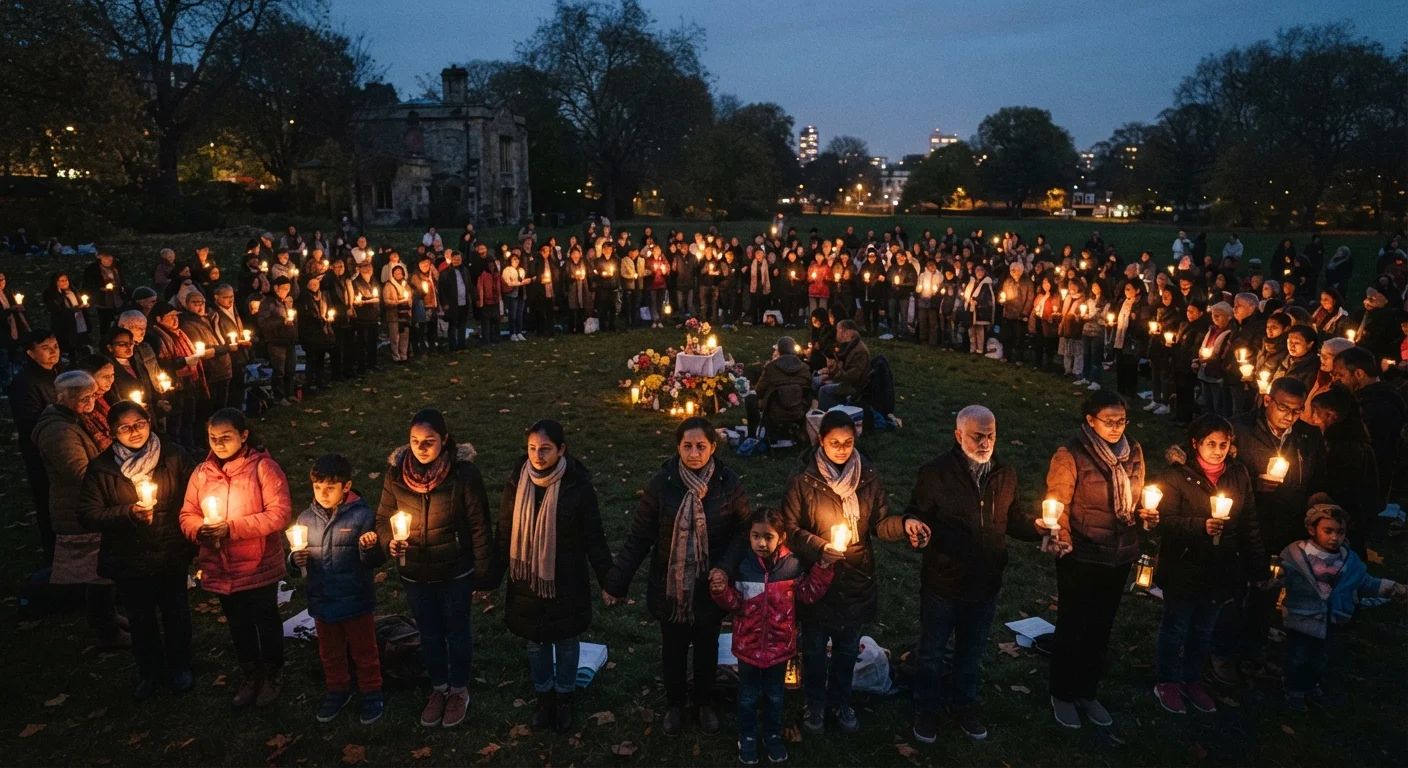
Life transitions illustrate the cost most clearly. Rites of passage - graduation ceremonies, wedding celebrations, funerals - give communities structured ways to acknowledge change and reaffirm support for those experiencing it. When these are absent or attenuated, individuals often report feeling that transitions went unmarked and that their community failed to show up. The sociological literature on grief, for instance, consistently finds that communal mourning practices aid processing in ways that private grief does not fully replicate.
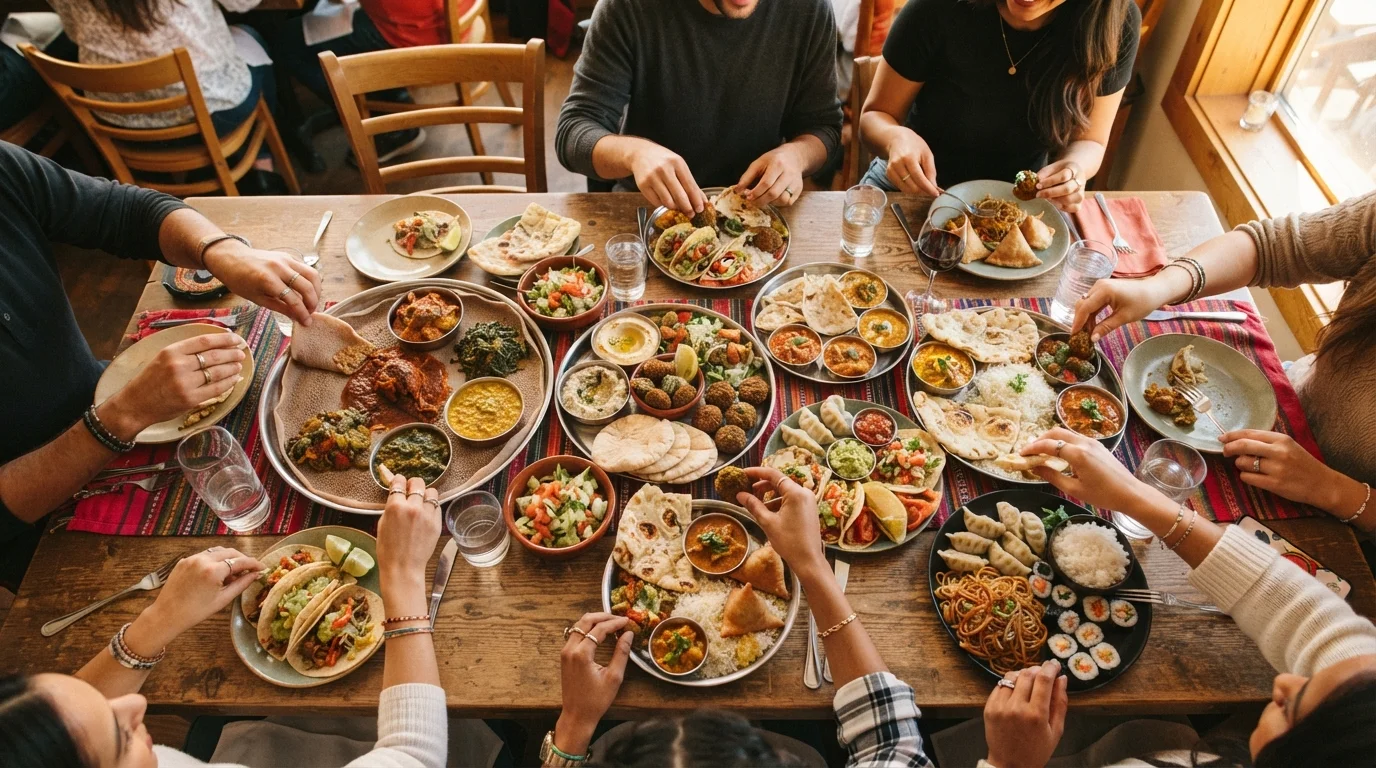
Understanding what holds communities together requires taking ritual seriously as infrastructure - not ornament. And shared meals, one of the most universal ritual forms, carry similar weight across cultures, as explored in research on why eating together still matters.
“Rituals are not merely symbolic gestures. They are social technology - they build the trust and cohesion that make collective life possible.”
— Dimitris Xygalatas, Cognitive anthropologist and author of research on ritual and social bonding
Building Shared Identity Through Repeated Practice
Perhaps the deepest function of collective ritual is the construction of shared identity. Performing the same act alongside others, year after year, communicates something that no mission statement can: we are a group with a history, and you are part of it.
This is why the diverse forms communities take around the world - from kinship networks to diaspora associations to professional guilds - all tend to develop their own ritual calendars. The specifics differ enormously; the underlying social logic does not.
For communities navigating a fragmented world, the practical implication is straightforward: shared ceremony is not a luxury reserved for religious institutions or ancient cultures. It is a renewable social resource available to any group willing to show up, repeat something together, and mean it.
Starting Small Can Still Be Meaningful
Communities do not need elaborate ceremonies to benefit from collective ritual. A consistent monthly dinner, a shared acknowledgment at the start of meetings, or an annual gathering tied to a meaningful date can generate real social cohesion over time. Repetition and shared intention matter more than scale or spectacle.