
Why Added Sugars Are So Hard to Spot
Most people know to expect sugar in candy or soda. What catches many readers off guard is how routinely sugar is added to foods that seem wholesome or savory - bread, pasta sauce, salad dressing, flavored yogurt, and even deli meats. Manufacturers use added sugars for several practical reasons: they enhance flavor, extend shelf life, improve texture, and help products brown during cooking.
The bigger challenge is that sugar rarely announces itself by a single, obvious name. Food producers may use any of dozens of ingredient terms that all mean the same thing: added sweetener. Unless you know what to look for, a label can appear sugar-free while hiding multiple sugar sources. Understanding how to read a nutrition label is the essential first step before tackling hidden sugars specifically.
The Ingredients List Is Your Best Tool
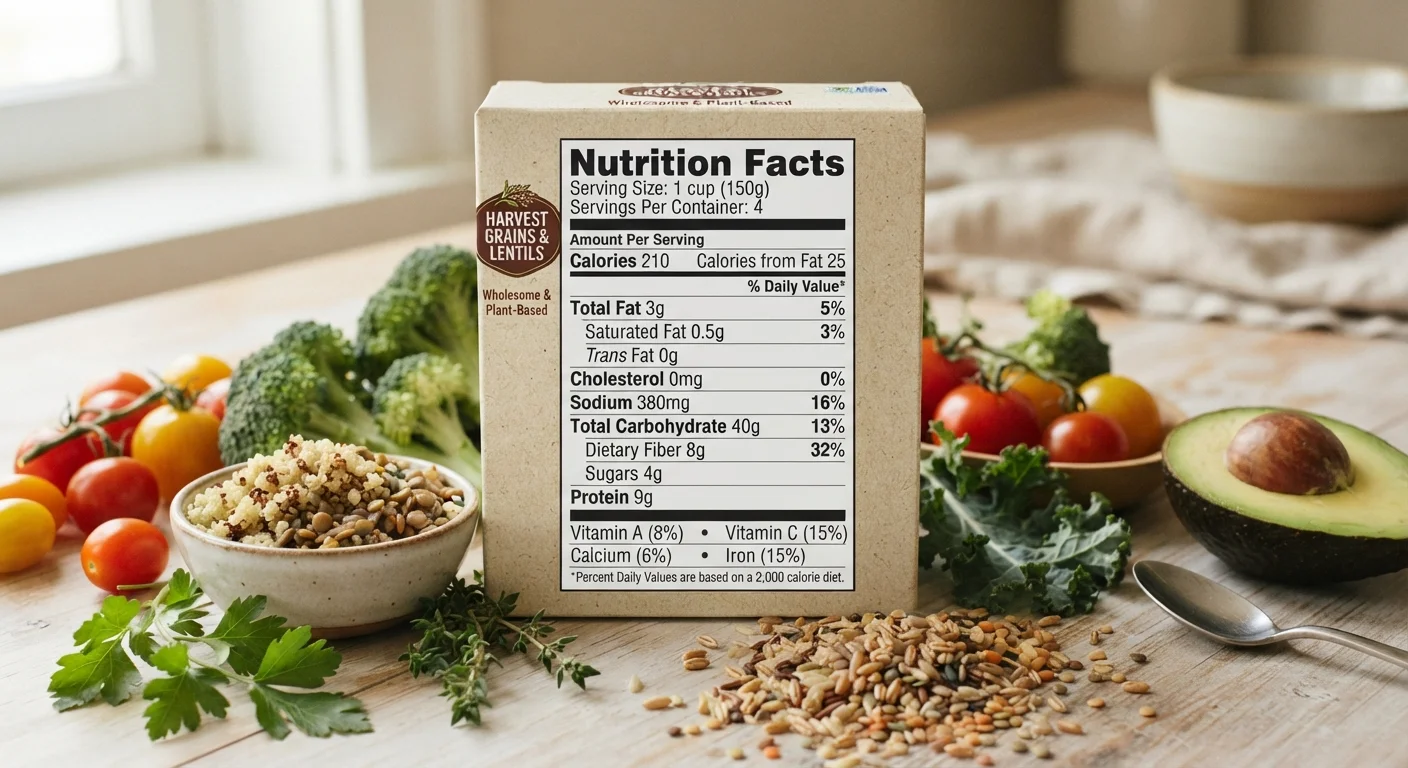
The nutrition facts panel gives you the total and added sugar amounts, but the ingredients list tells you the sources. Using both together gives you the most complete picture. If a product lists three different sugar aliases within its first five ingredients, that's a meaningful signal regardless of how the front of the pack is worded.
The Most Common Aliases for Sugar
Regulatory bodies in many countries require that all ingredients be listed, but they don't require manufacturers to group all sugar sources under one umbrella term. This means a single product can legitimately list three or four separate sugars - each appearing lower on the ingredients list individually than they would if combined. Common names to watch for include:
- Syrups: high-fructose corn syrup, brown rice syrup, malt syrup, agave syrup, golden syrup
- "-ose" endings: sucrose, glucose, fructose, dextrose, maltose, lactose (note: lactose occurs naturally in dairy)
- Juice concentrates: apple juice concentrate, grape juice concentrate - these are processed to be primarily sugar
- Other terms: molasses, cane juice, evaporated cane juice, invert sugar, treacle, caramel, dextrin
The distinction between added and naturally occurring sugars matters for health guidance. For a clear explanation of why, see how added and naturally occurring sugars differ.
Everyday Foods Where Sugar Hides Most
Certain food categories consistently surprise people with their sugar content. Awareness of these categories gives you practical leverage when shopping:
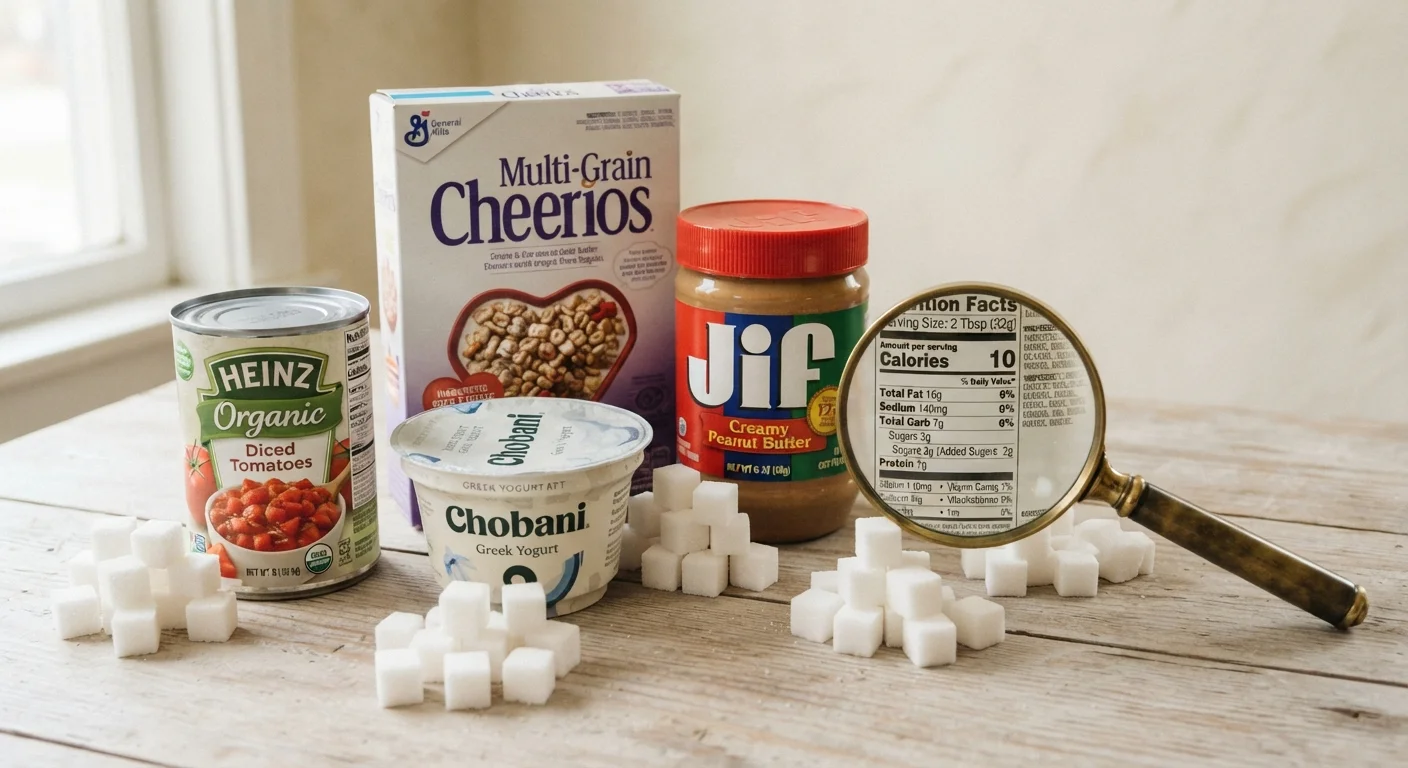
- Flavored yogurts: A single serving of fruit-flavored yogurt can contain 12-20 grams of added sugar - roughly 3-5 teaspoons.
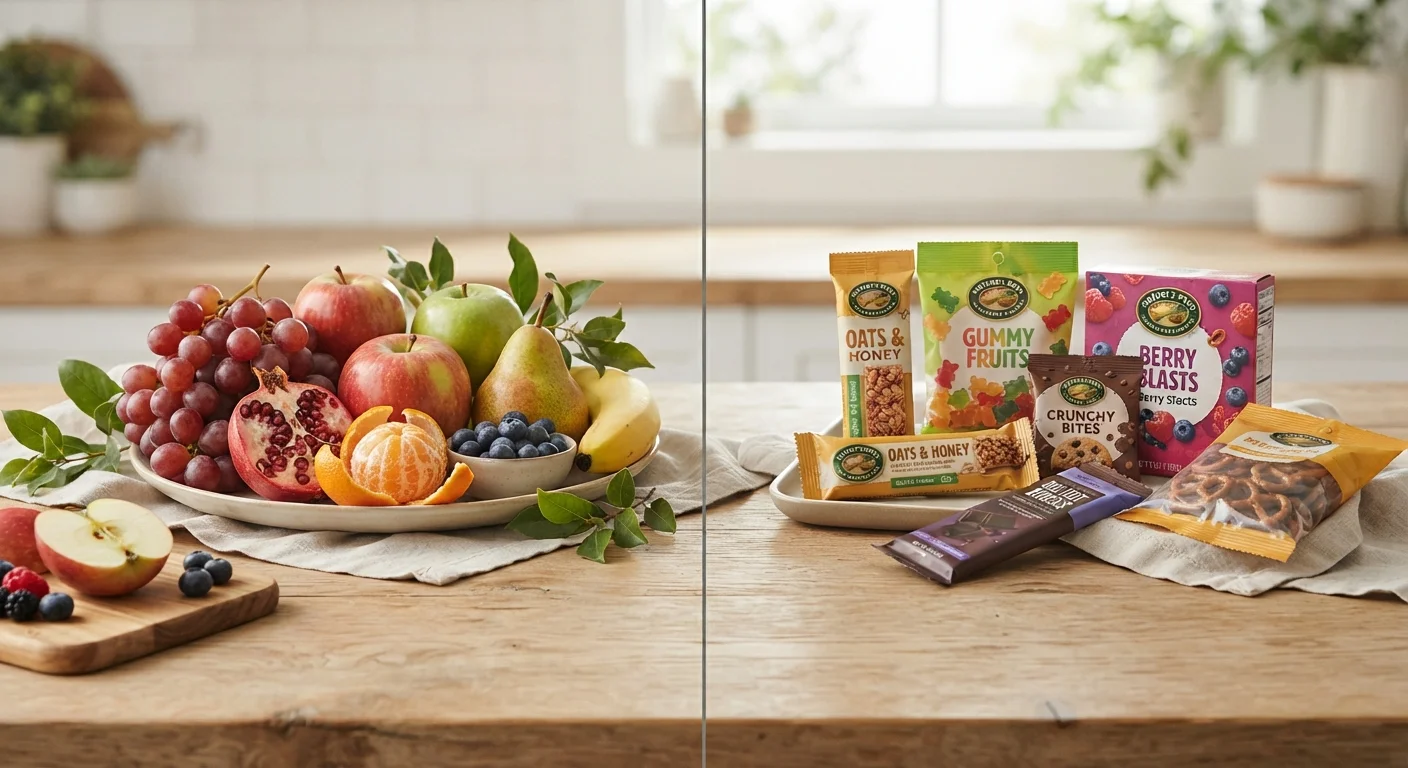
- Breakfast cereals and granola: Even varieties labeled "natural" or "whole grain" frequently list two or three sugar sources.
- Pasta sauces and ketchup: Tomato-based condiments and sauces routinely include sugar to balance acidity.
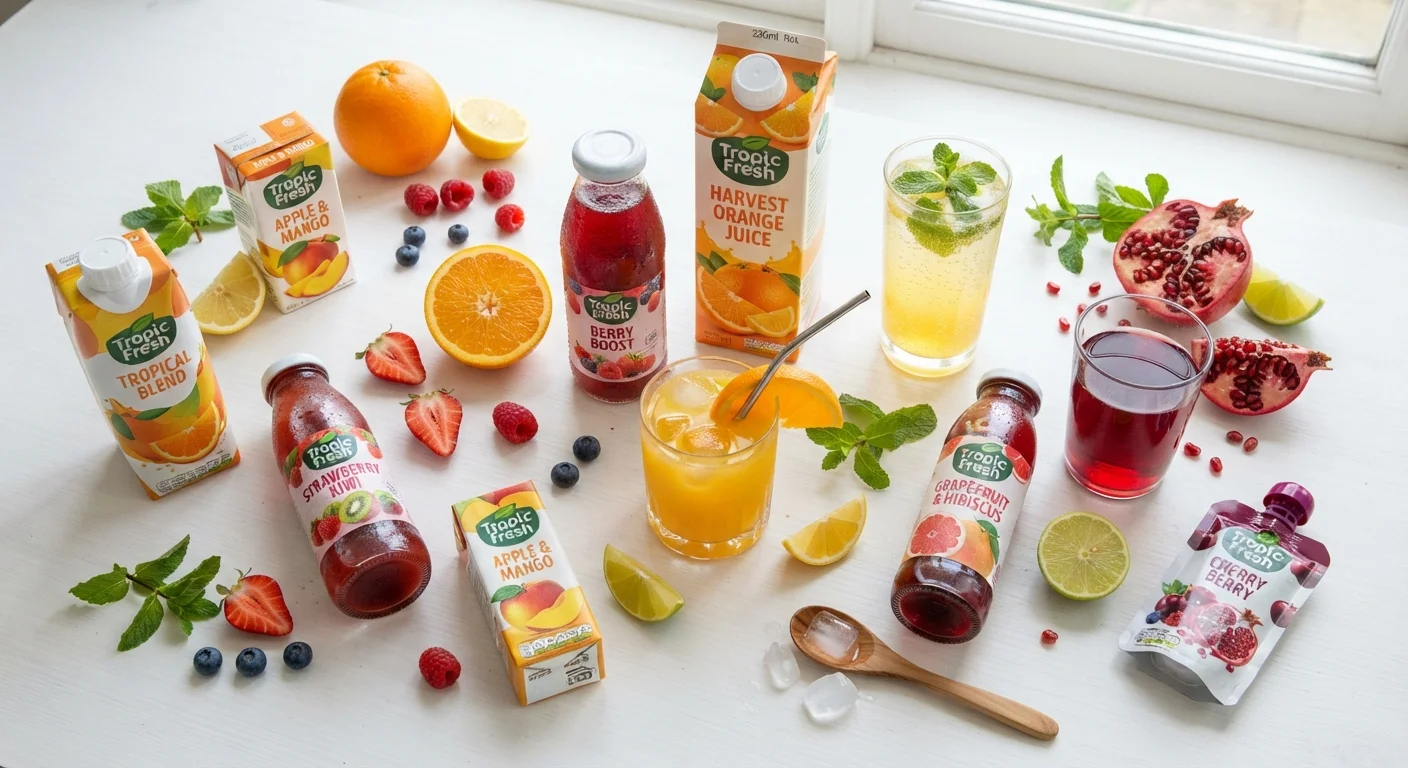
- Fruit drinks and nectars: Products labeled "drink" or "nectar" are legally distinct from juice and typically contain added sweeteners. What those label terms actually mean is worth understanding before you buy.
- Bread and wraps: Many commercial breads include sugar or high-fructose corn syrup to promote browning and improve softness.
- Low-fat and diet products: When fat is reduced, sugar is often added to restore palatability.
Low-Fat Doesn't Mean Low-Sugar
Reduced-fat and 'light' versions of products are frequently reformulated with added sugar to compensate for lost flavor. A low-fat flavored yogurt or dressing can contain considerably more added sugar than its full-fat counterpart. Always check both the fat and the sugar columns when comparing these variants.
How to Identify Hidden Sugars: Step by Step
Once you understand what to look for, scanning a label takes less than a minute. Follow these steps consistently and it becomes second nature.
Find the 'Added Sugars' line on the nutrition facts panel
In many countries, nutrition facts panels now include a dedicated line for added sugars, separate from total sugars. This figure tells you directly how much sugar was introduced during processing, distinct from sugars occurring naturally in fruit or dairy ingredients. Compare this number against the daily reference value listed on the label to contextualize the amount.
Scan the ingredients list for sugar aliases
Ingredients are listed in descending order by weight. Work through the list and mentally flag every term that refers to a sweetener - syrup, concentrate, any word ending in -ose, or terms like molasses, treacle, or caramel. Count how many distinct sugar sources appear. Even if each one sits low on the list individually, multiple sources can combine to a meaningful total.
Check the serving size before calculating
All the numbers on a nutrition label apply to the stated serving size - not the entire package. A product might show 6 grams of added sugar per serving, but if the package contains three servings and you consume it all, your actual intake is 18 grams. Always confirm the serving size first so your comparison is accurate. For a broader walkthrough of how serving sizes affect every number on a label, see this plain-language label guide.
Compare similar products side by side
Once you know what to look for, comparison becomes straightforward. Select two or three products in the same category - say, two different pasta sauces - and compare their added sugars per 100 grams rather than per serving, since serving sizes can differ between brands. This normalized comparison gives a fair picture of which product contains more added sugar relative to its overall composition.
Watch for 'healthy halo' marketing language
Terms such as natural, organic, no artificial sweeteners, or made with real fruit appear on the front of packaging and carry no direct implication about added sugar content. Organic cane sugar and conventional cane sugar are nutritionally equivalent. Always verify claims by going directly to the nutrition facts panel and ingredients list rather than relying on front-of-pack language.
Putting It All Together
Reading for hidden sugars isn't about eliminating all sweetness from your diet - it's about knowing what you're actually consuming. Many nutrition missteps come not from bad intentions but from misreading or misinterpreting labels. Common label-reading errors are well worth reviewing alongside this guide.
Once you build the habit of checking ingredient lists for sugar aliases and noting the added sugars figure in the nutrition facts panel, you gain a much clearer picture of your daily intake. This is general nutritional information to support informed choices - it is not a substitute for personalized guidance from a qualified dietitian or healthcare professional.
This article is intended for general informational purposes only and does not constitute medical or dietary advice. Consult a qualified healthcare professional for guidance tailored to your individual health needs.