
What Makes a Protein 'Complete'?
Proteins are built from 20 amino acids, nine of which the human body cannot synthesize on its own. These are called essential amino acids, and they must come from food. A protein source that supplies all nine in adequate proportions is described as complete.
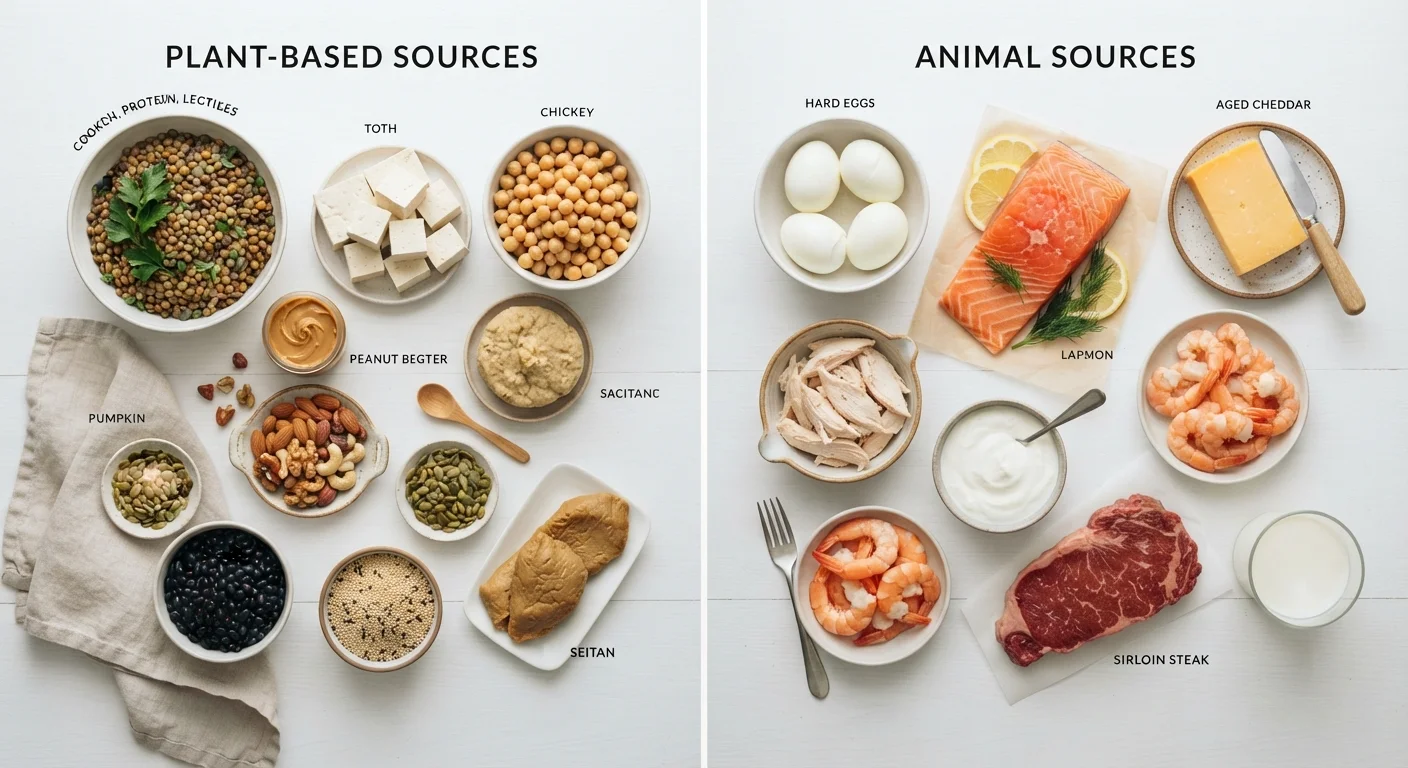
Animal proteins - found in meat, fish, eggs, and dairy - are typically complete. Plant proteins tell a more nuanced story. Most individual plant foods are low in at least one essential amino acid: legumes tend to be short on methionine, while grains are often low in lysine. This doesn't make plant proteins inadequate, but it does mean variety matters. Eating a range of plant foods across the day - such as rice paired with beans - allows the amino acid profiles to complement each other effectively. Understanding this principle is central to navigating plant-based nutrition without creating gaps.
One notable exception is soy, which provides all essential amino acids at levels comparable to many animal sources, making it a genuinely complete plant protein.
Bioavailability: How Much Protein Actually Gets Used?
Consuming protein and actually utilizing it are two different things. Bioavailability refers to the proportion of a nutrient that the body can absorb and put to work. Nutritionists use a metric called the DIAAS to compare protein quality across foods, replacing the older PDCAAS method.
| Criterion | Animal Protein | Plant Protein | |
|---|---|---|---|
| Amino acid completeness | Typically complete (all 9 essential) | Often incomplete; soy is an exception | |
| Bioavailability (DIAAS) | Generally high (often above 1.0) | Generally moderate (often below 1.0) | |
| Dietary fiber | None | Present; supports gut health | |
| Saturated fat content | Variable; higher in red/processed meat | Generally low | |
| Vitamin B12 | Naturally present | Absent; supplementation often needed | |
| Iron type | Heme iron (highly absorbable) | Non-heme iron (less absorbable) | |
| Phytonutrients | Absent | Present in varying amounts |
By DIAAS measures, animal proteins such as eggs, milk, and meat generally score above 1.0, indicating highly usable protein. Most plant proteins score below 1.0, reflecting lower digestibility. Antinutrients - compounds like phytates and tannins found naturally in legumes, grains, and seeds - can bind to nutrients and reduce absorption. Cooking, soaking, fermenting, and sprouting all reduce antinutrient levels considerably, which is why food preparation methods genuinely influence protein value.
What Else Comes Along for the Ride?
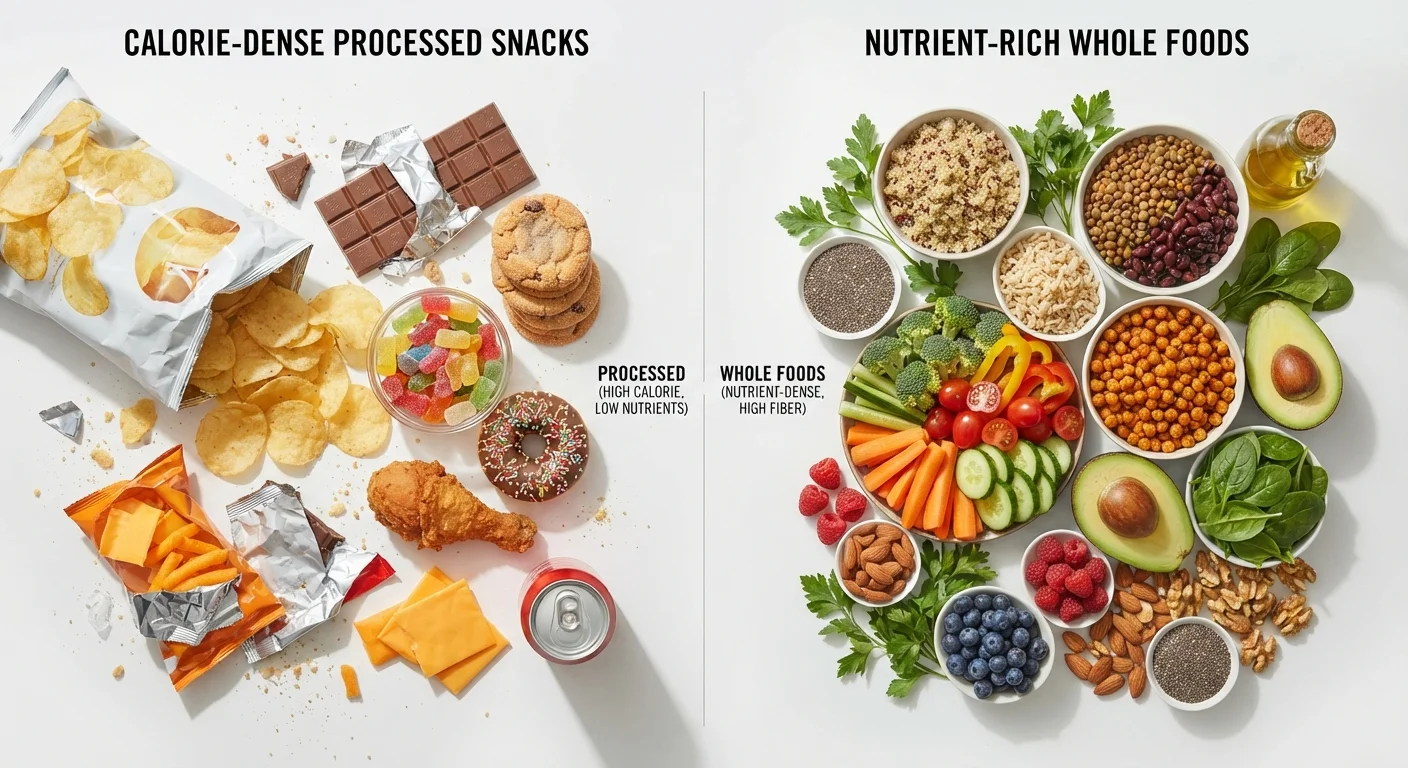
Protein rarely travels alone in food. The surrounding nutritional context - what else a food delivers alongside its protein - matters significantly for overall diet quality, a principle explored further in our piece on food quality beyond calories.
Combine Plant Proteins Across the Day
You don't need to pair complementary plant proteins in every single meal. Eating a variety of legumes, grains, nuts, and seeds throughout the day naturally provides a full spectrum of essential amino acids. Focus on overall dietary variety rather than engineering each plate perfectly.
Animal proteins come packaged with nutrients that are difficult to obtain elsewhere in useful amounts: vitamin B12, heme iron (absorbed more readily than plant iron), zinc, and long-chain omega-3 fatty acids (EPA and DHA) from oily fish. Red and processed meats, however, also carry saturated fat and, in the case of processed products, high sodium levels.
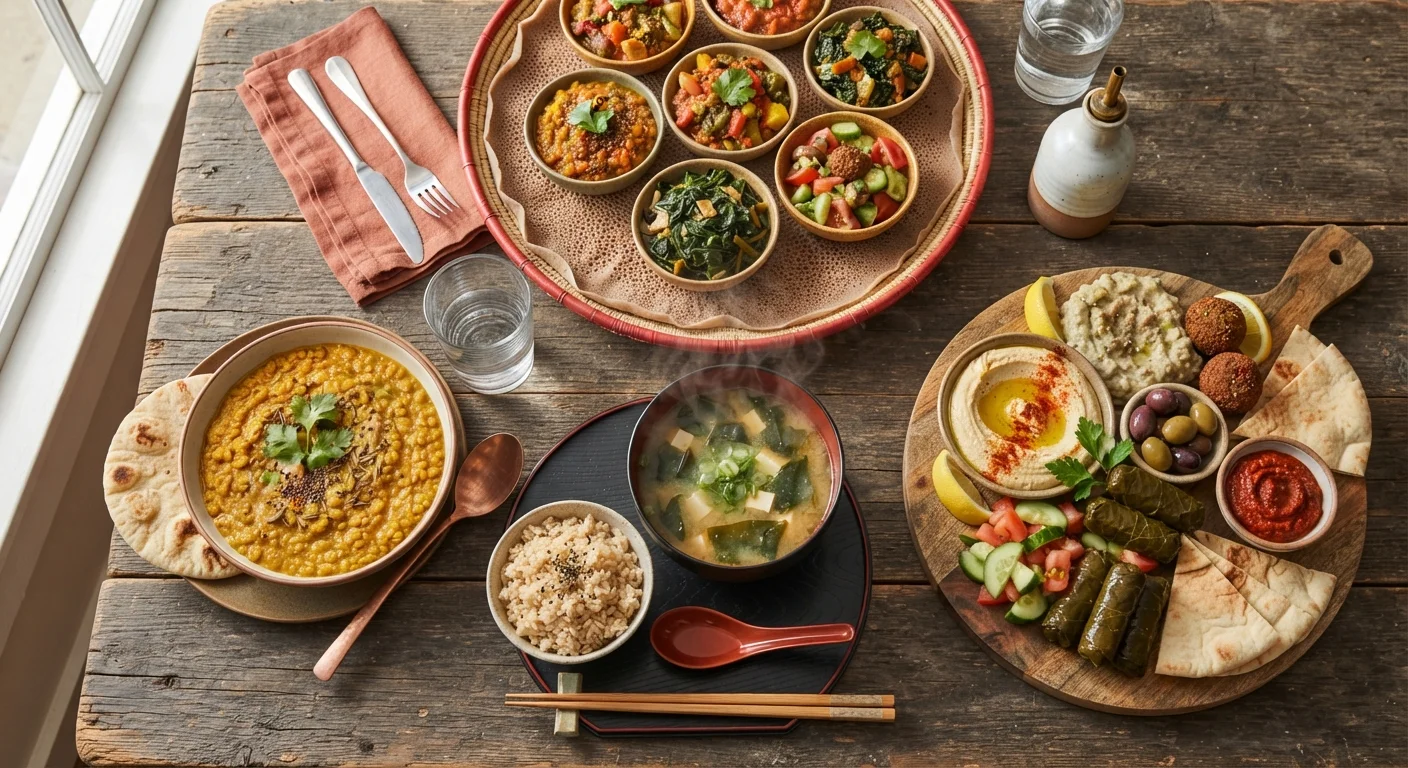
Plant proteins arrive with dietary fiber, which animal foods lack entirely, along with a spectrum of phytonutrients - biologically active plant compounds associated with various health benefits in observational research. As traditional plant-based food cultures demonstrate, populations have long thrived on protein predominantly from plants when the diet is varied and thoughtfully constructed.
Putting It Into Everyday Practice
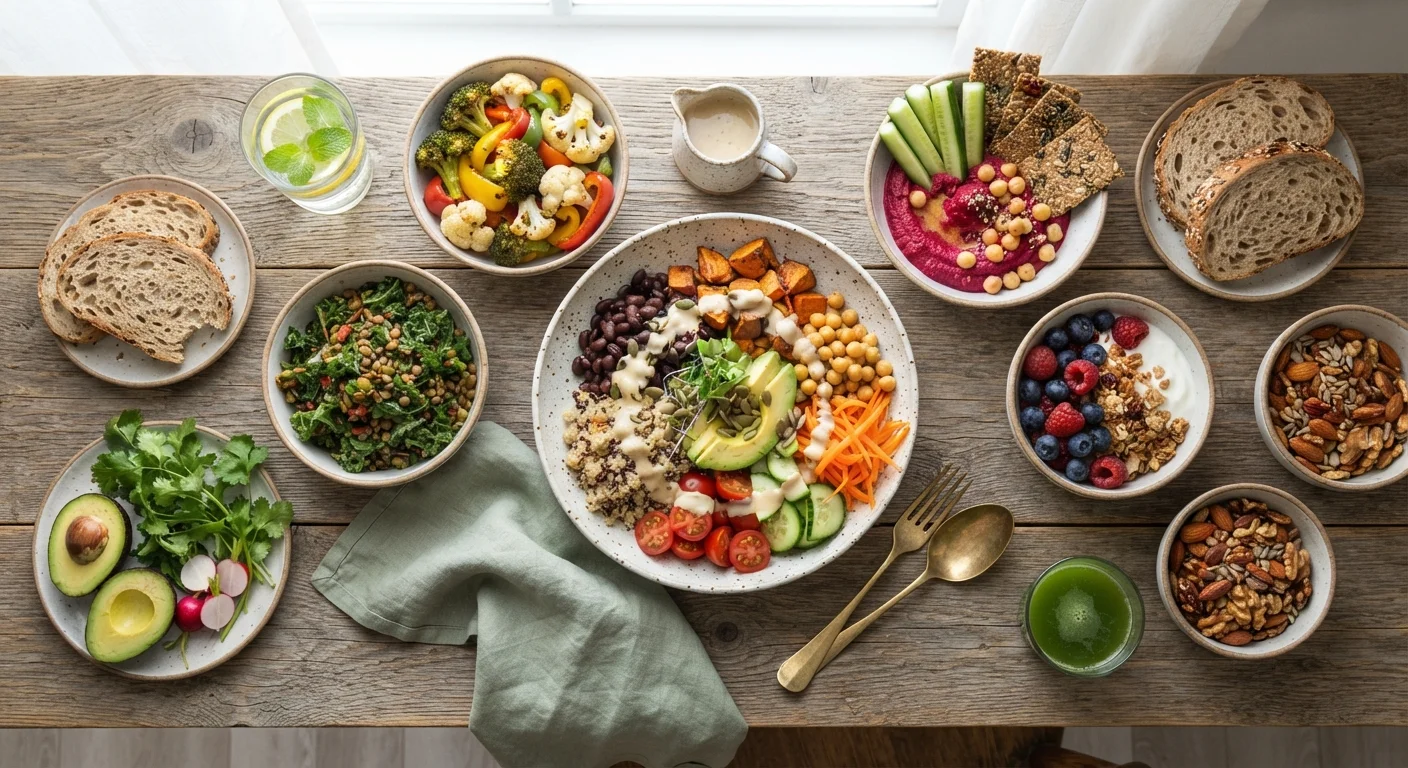
Understanding protein differences is useful, but eating patterns across the whole diet carry more weight than any single food choice. A diet heavy in processed meat alongside minimal vegetables represents a very different nutritional reality than one built around eggs, fish, legumes, and whole grains - even if both include animal protein.
~20%
Higher protein digestibility in animal vs. many plant foods
Research using the DIAAS methodology consistently finds animal proteins score meaningfully higher on digestibility than most unprocessed plant protein sources.
0g
Dietary fiber in all animal-derived protein foods
Meat, fish, eggs, and dairy contain no dietary fiber, making plant protein sources uniquely valuable for fiber intake in mixed diets.
For those eating animal products, prioritizing eggs, fish, and dairy alongside plant foods generally delivers both complete amino acids and a broader nutrient range. For those eating primarily or entirely plant-based, combining legumes, whole grains, nuts, and seeds across the day builds a complete amino acid intake, though attention to vitamin B12 supplementation is widely recommended by dietitians in this context. Consulting a registered dietitian is advisable for anyone making significant dietary shifts, particularly in pregnancy, childhood, or with existing health conditions.
This article is for general informational purposes only and does not constitute medical or nutritional advice. Always consult a qualified healthcare or nutrition professional for guidance tailored to your individual circumstances.