
How the Glycaemic Index Works
When you eat carbohydrates, your digestive system breaks them down into glucose, which enters the bloodstream and triggers an insulin response. The glycaemic index captures how fast this process happens for a given food compared to pure glucose.
The scale runs from 0 to 100. Pure glucose scores 100. Foods are grouped into three bands:
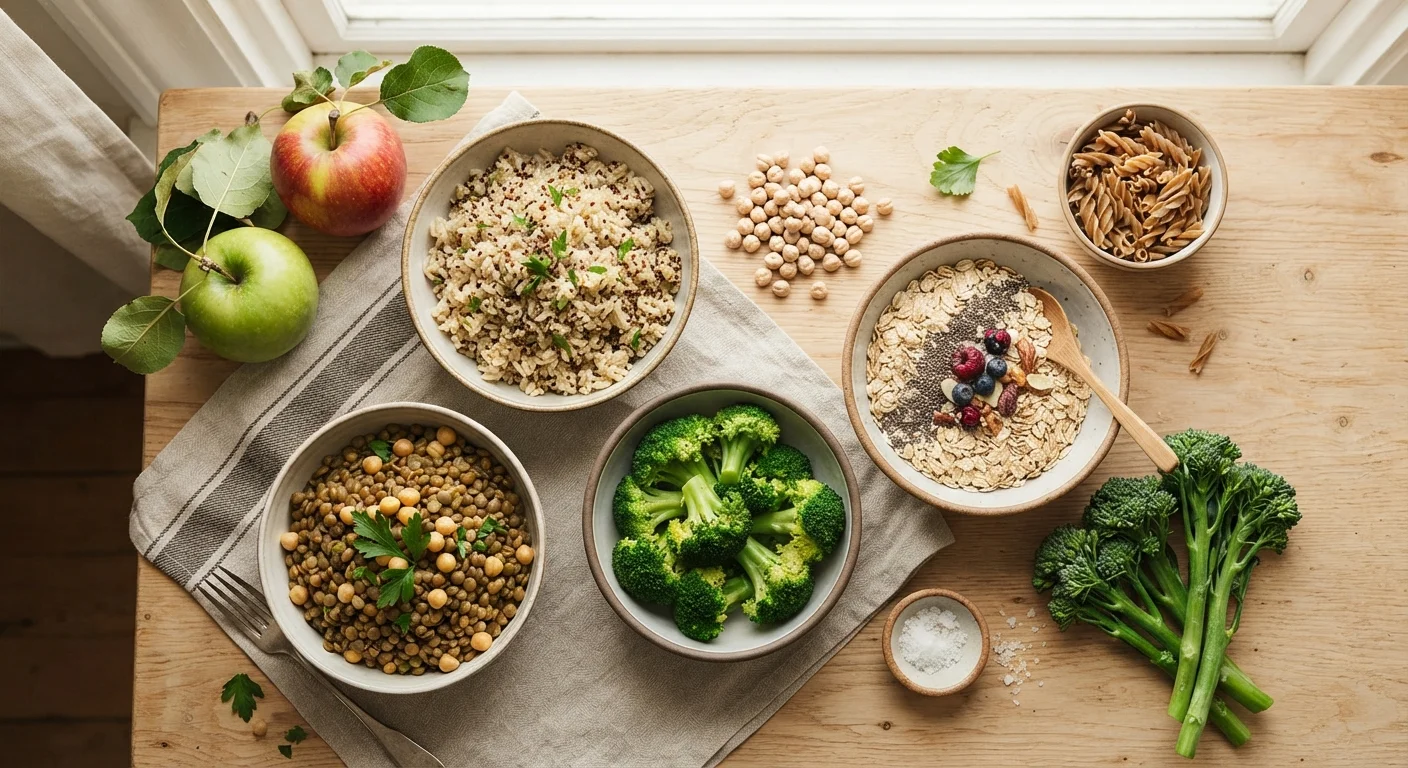
- Low GI (55 or below): Lentils, chickpeas, most non-starchy vegetables, rolled oats
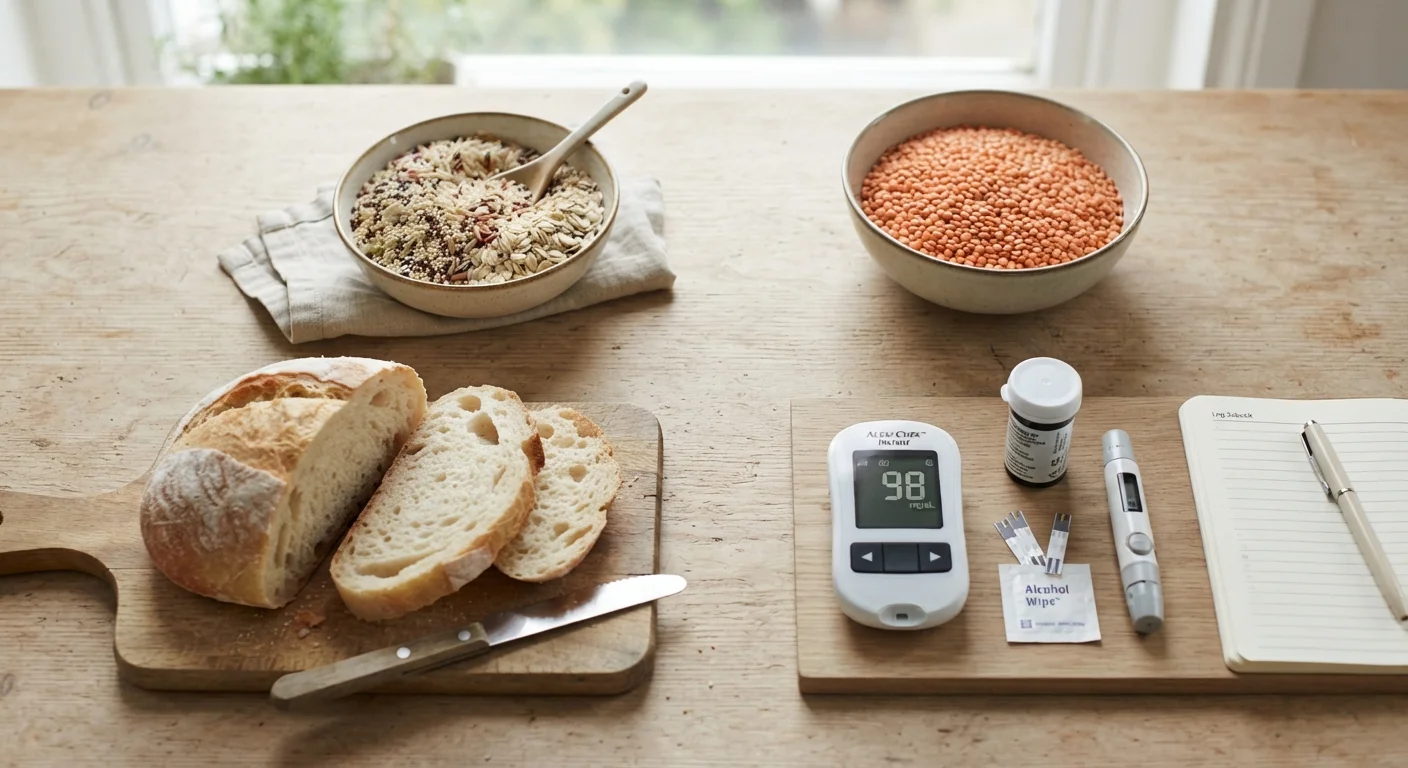
- Medium GI (56-69): Brown rice, whole-wheat bread, sweet corn
- High GI (70 and above): White bread, jasmine rice, cornflakes, baked potatoes
The GI was developed in the early 1980s by researchers at the University of Toronto as a way to help people with diabetes make more informed food choices. It has since been adopted in public health guidelines around the world - though always with important caveats.
“The glycaemic index is a useful concept, but it's not the whole story. Dietary patterns and overall food quality matter far more than the GI of any single food.”
— David Jenkins, Professor of Nutritional Sciences, University of Toronto - lead researcher in the original development of the glycaemic index
What GI Doesn't Tell You: The Limits of the Index
The glycaemic index has real scientific value, but it has well-documented limitations that matter for everyday eating decisions.
It ignores portion size. A watermelon has a high GI score, but a typical slice contains relatively little carbohydrate. Eat a small amount and the blood sugar impact is modest. This is why nutritionists often refer instead to glycaemic load (GL) - which multiplies GI by the grams of carbohydrate in a serving and divides by 100. GL is a more practical guide to real-world blood sugar effects.
It assumes foods are eaten alone. GI values are measured on individual foods consumed in isolation. In practice, most meals combine protein, fat, fibre, and carbohydrates - and these combinations slow digestion significantly. Adding olive oil, cheese, or vegetables to a high-GI food can dramatically reduce its glycaemic impact.
It varies between individuals. Personal factors - gut microbiome composition, metabolic health, stress levels, sleep quality, and even time of day - influence how blood glucose responds to any given food. Research published in the journal Cell has demonstrated that two people can have very different blood sugar responses to identical meals.
GI Values Can Shift With Ripeness and Storage
The same food can have different GI values depending on its ripeness, how it was stored, and how it was prepared. A firm, unripe banana has a lower GI than a fully ripe one because the starch hasn't yet converted to simpler sugars. Published GI tables reflect averages, not exact values for every version of a food you might encounter.
For a broader look at how focusing on single numbers can mislead, see common nutrition thinking errors.
What to Use Alongside GI
The glycaemic index is most useful when treated as one reference point rather than a definitive ranking system. Here's what rounds out the picture:
Dietary fibre plays a particularly important role. Fibre slows carbohydrate absorption and blunts post-meal blood sugar rises - which is a key reason why whole foods with intact fibre consistently have lower GI values than their refined counterparts. Learn more about fibre's role in blood sugar regulation and why most people fall short of recommended intakes.
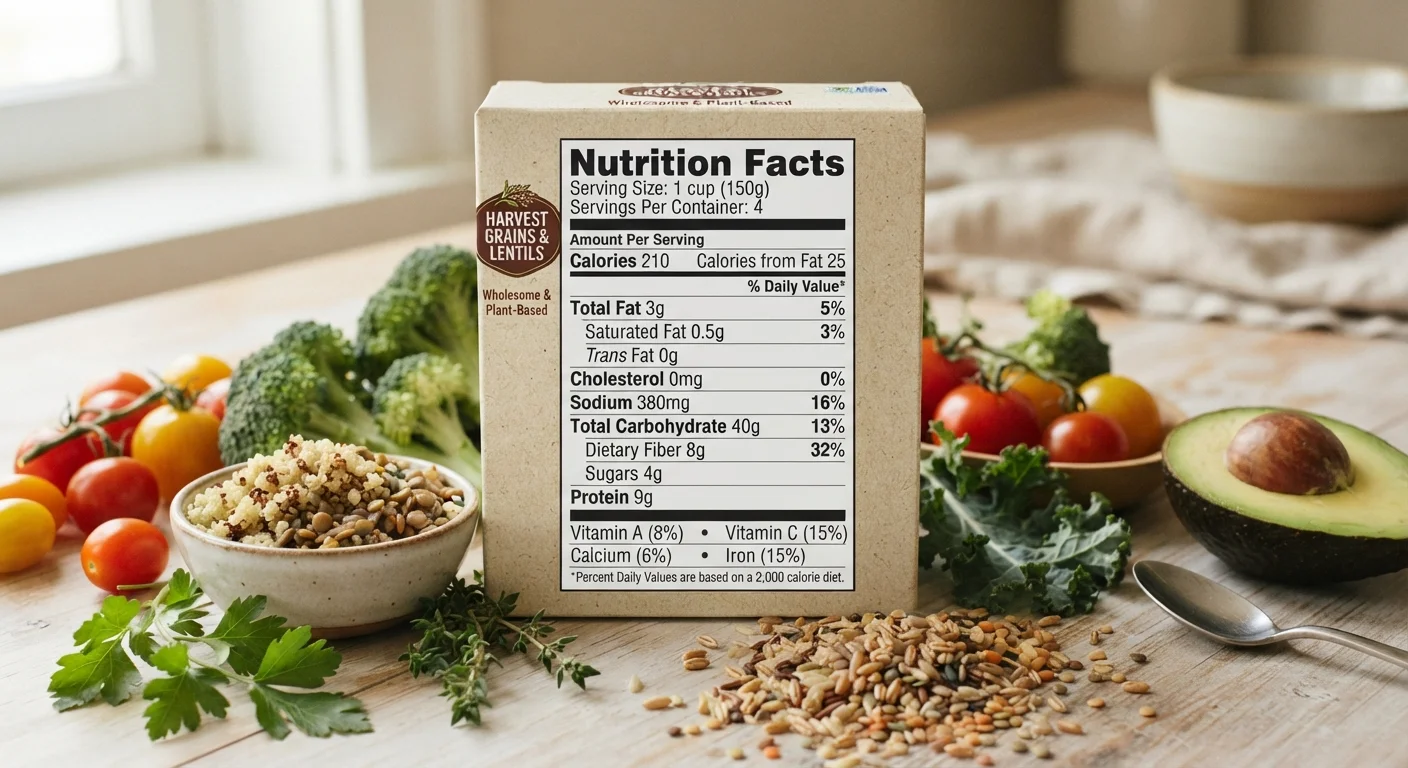
Overall nutrient density matters too. A food's GI says nothing about its vitamin, mineral, protein, or healthy fat content. Understanding the full nutritional profile - not just the carbohydrate response - is what leads to genuinely informed choices. See how to read a nutrition label clearly for practical guidance on this.
Sugar type and source also deserve attention. Not all carbohydrates behave the same way, and distinguishing between naturally occurring and added sugars adds another useful layer of context that GI alone cannot provide.
Combine Foods to Moderate Blood Sugar
Rather than avoiding high-GI foods entirely, pair them with protein, healthy fat, or fibre-rich vegetables. This combination slows digestion and reduces the overall blood sugar impact of the meal. A slice of white bread with avocado and eggs, for example, behaves very differently in the body than white bread eaten alone.
~40%
Variation in GI values between individuals
Research published in Cell (Zeevi et al., 2015) found that personal blood glucose responses to identical foods varied by roughly 40% between participants, underscoring the limits of population-based GI scores.
55 or below
Low GI threshold used in research
The International Glycaemic Index Database at the University of Sydney defines low GI as 55 or below, a threshold adopted by major nutrition bodies worldwide.
This article is for general informational purposes only and is not medical or dietary advice. Individuals managing blood sugar conditions should consult a qualified healthcare professional or registered dietitian.