
Why Water Alone Doesn't Tell the Whole Story
Most people understand that staying hydrated means drinking enough water. But the science of hydration goes a step further: it's not just about how much fluid you consume - it's about what happens to that fluid inside your body.
Water makes up roughly 60% of the adult human body, distributed across cells, blood, and the spaces between tissues. Keeping that distribution in balance is the job of electrolytes. Think of them as the gatekeepers that determine which compartments water enters and how long it stays there.
For a broader look at how water affects energy and concentration, see our article on what water actually does and how much is enough.
~60%
Of adult body weight is water
This figure varies with age, sex, and body composition, according to general physiology references.
500-1,000 ml
Sweat lost per hour during moderate exercise
Estimates from sports science literature; actual loss depends heavily on temperature, humidity, and individual variation.
3 key minerals
Sodium, potassium, chloride drive fluid balance
These three electrolytes account for the largest share of osmotic regulation in human physiology.
What Electrolytes Actually Do
Electrolytes are minerals that carry a positive or negative electrical charge when dissolved in liquid. The main ones involved in hydration are:
- Sodium - the primary electrolyte in fluid outside cells; regulates blood volume and pressure
- Potassium - dominant inside cells; supports muscle function and nerve signaling
- Chloride - works alongside sodium to maintain fluid balance
- Magnesium - involved in muscle contraction, nerve function, and hundreds of enzyme reactions
- Calcium - critical for muscle contractions, including the heartbeat
These minerals are closely related to the broader category of micronutrients. Our explainer on vitamins and minerals your body can't make on its own covers how deficiencies in even small nutrients can have significant effects.
“The body's fluid compartments are tightly regulated systems. Electrolytes don't just 'help' hydration - they determine whether water ends up in the right place or the wrong one.”
— Sports Nutrition Research Community, General consensus reflected in peer-reviewed sports medicine literature
When Electrolyte Balance Is Disrupted
Your body loses electrolytes continuously - through sweat, urine, and during illness involving vomiting or diarrhea. Under normal daily conditions, a varied diet replaces them without any special effort. But several factors can tip the balance:
- Prolonged sweating - intense or extended exercise increases sodium and potassium loss significantly
- Illness - vomiting and diarrhea rapidly deplete electrolytes alongside fluids
- Excess plain water intake - drinking very large amounts of water quickly can dilute sodium in the bloodstream, a condition called hyponatremia
- Certain medications - some diuretics prescribed for blood pressure affect how kidneys handle sodium and potassium
A Simple Rule for Everyday Hydration
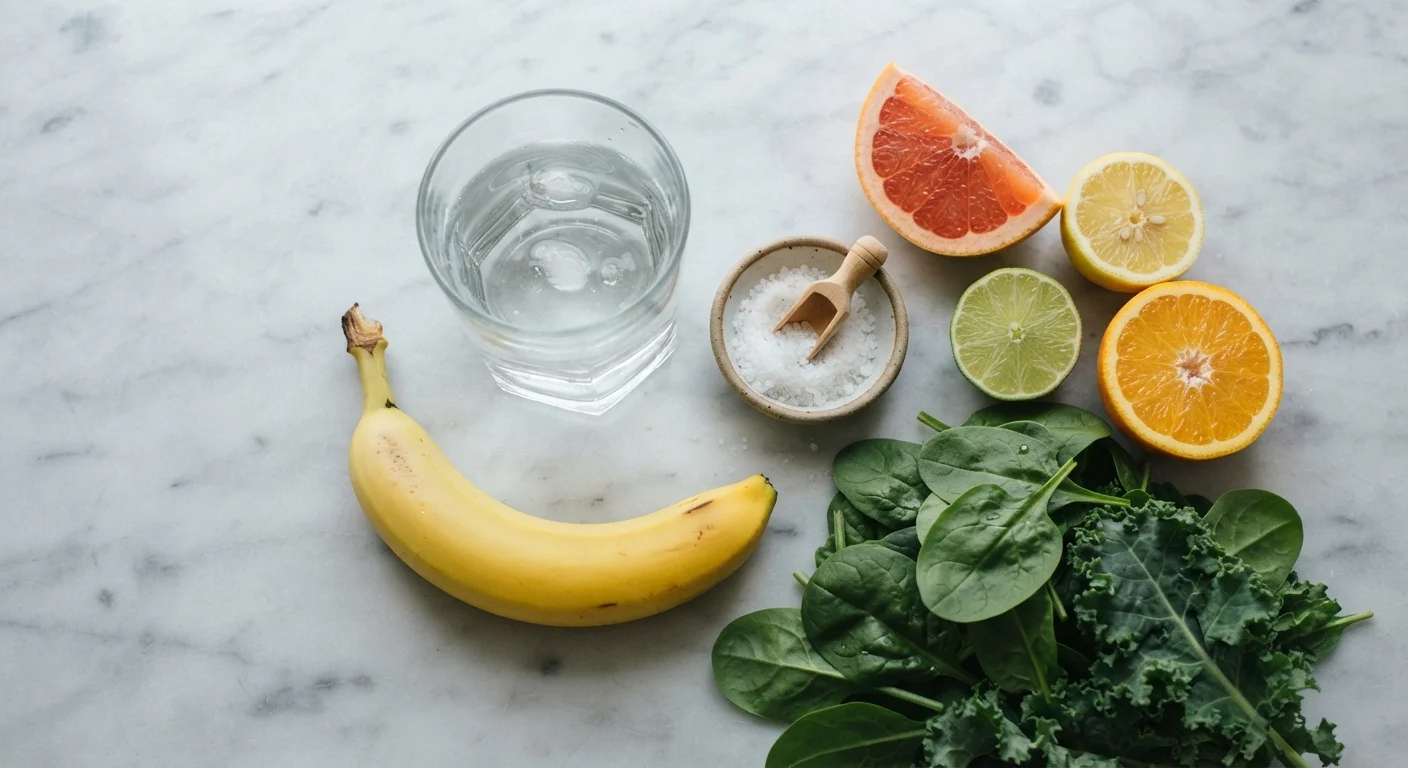
Rather than counting glasses of water, pay attention to urine color as a rough guide - pale yellow generally indicates adequate hydration, while dark yellow suggests you may need more fluid. This approach does not replace medical assessment but is a practical everyday indicator. Add variety to your diet with potassium- and magnesium-rich foods like bananas, nuts, and legumes to support electrolyte intake naturally.
It's worth noting that commercially available electrolyte drinks vary considerably in their mineral content and sugar levels. Understanding what's actually in a beverage requires reading the label carefully - our guide on what food labels are really telling you explains how to interpret drink packaging.
Getting Electrolytes Through Food
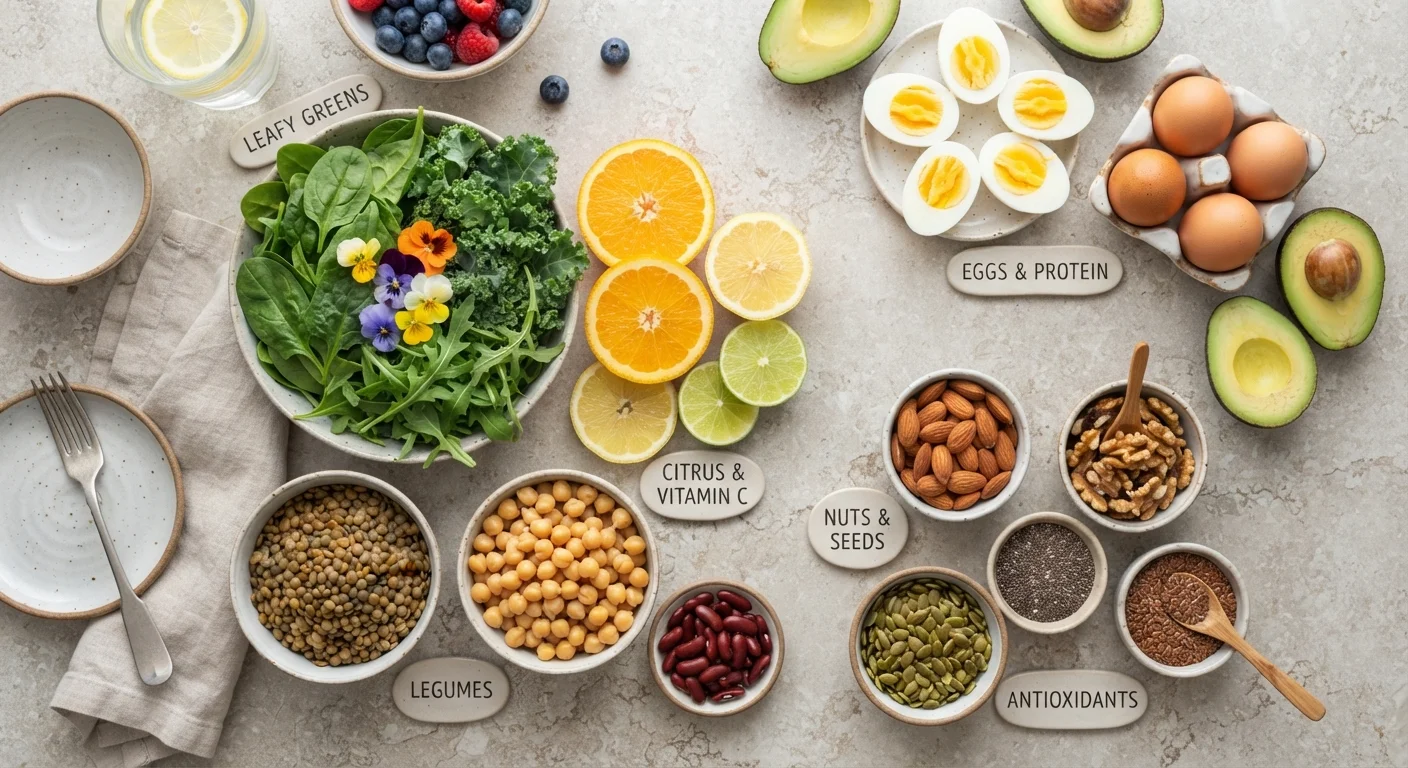
For most healthy adults, supplements and sports drinks are not necessary. A diet that includes fruits, vegetables, whole grains, legumes, and some dairy naturally provides all five key electrolytes in meaningful amounts.
Tracking overall dietary variety is more useful than targeting individual nutrients. Our weekly nutrition self-check offers a simple approach to spotting gaps across food groups, including hydration habits, without calorie counting.
This article provides general nutrition information for educational purposes and is not a substitute for personalised medical or dietary advice. If you have concerns about your hydration, electrolyte levels, or any related health condition, consult a qualified healthcare professional.